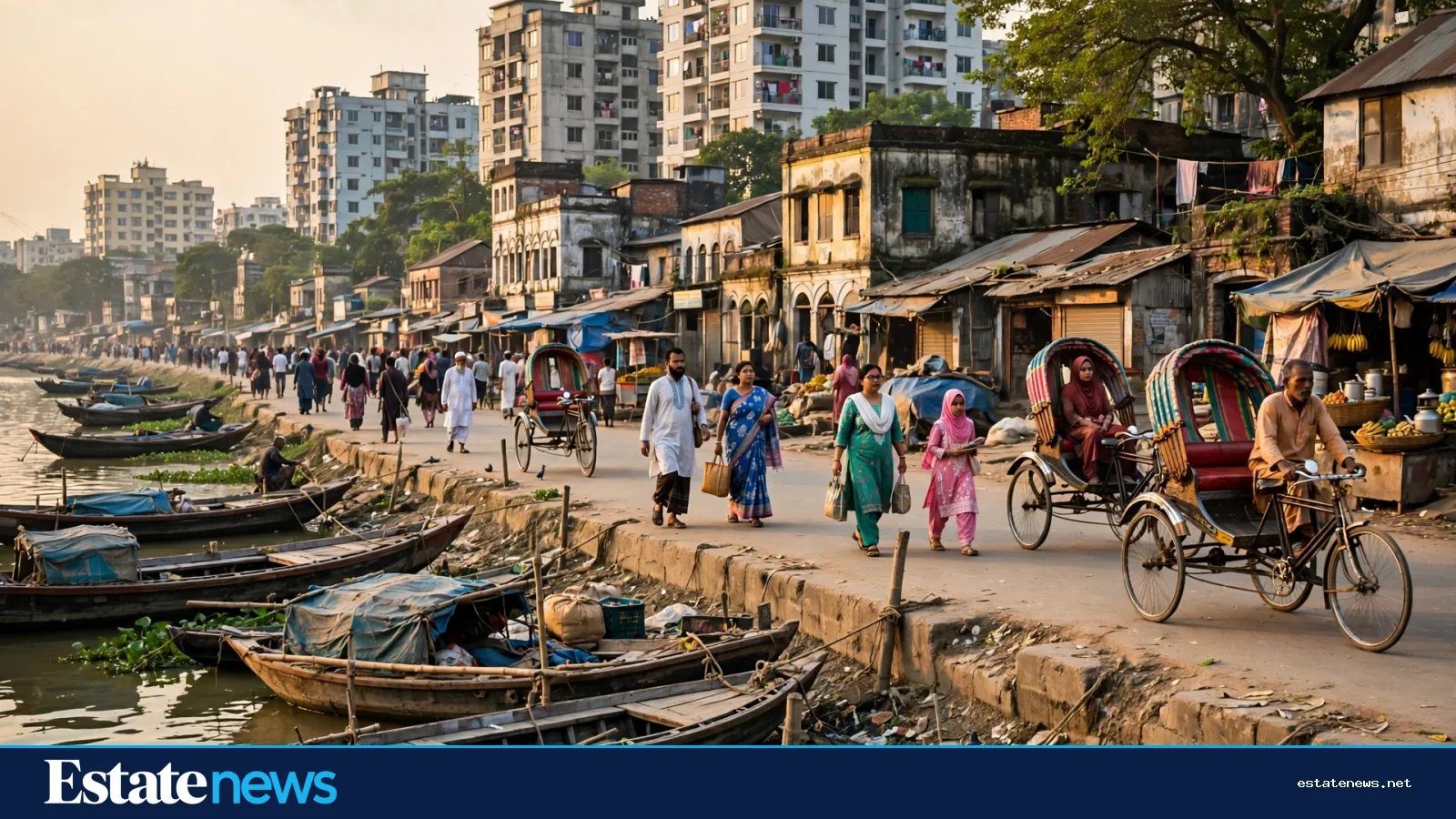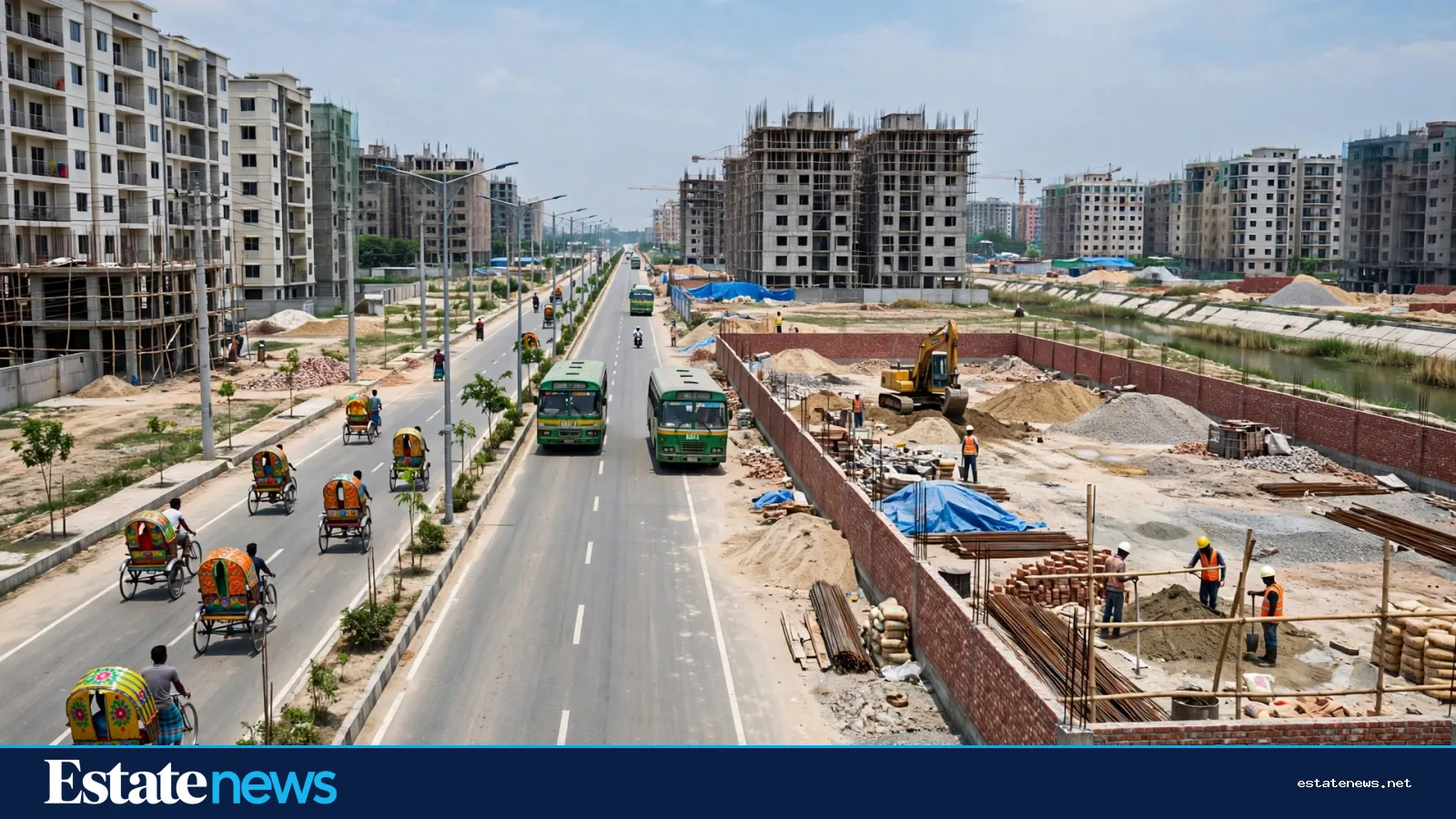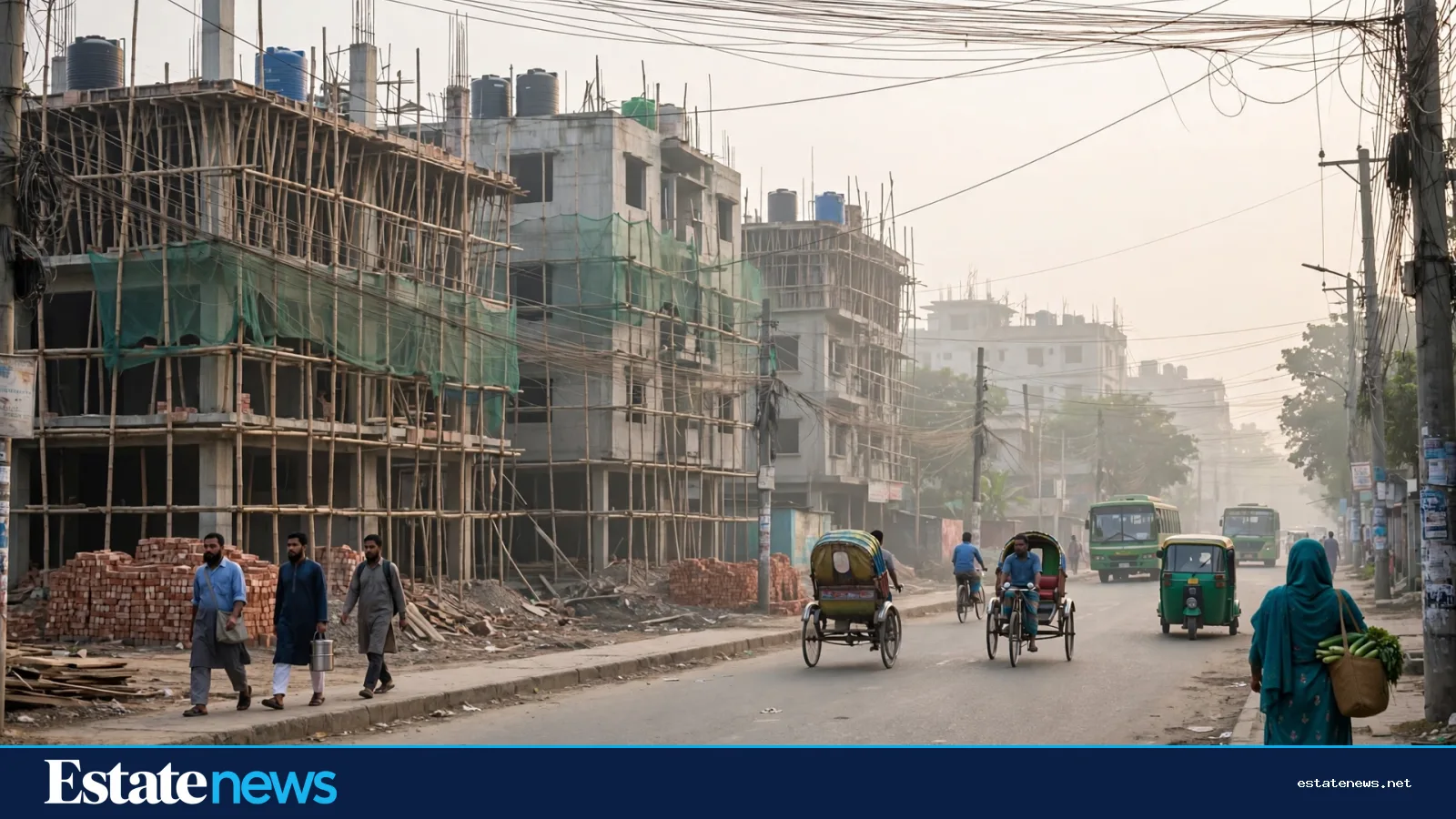
The road out of Tongi tells the story before any brochure does. Buses queue for Dhaka. Rickshaws cut between them. New concrete frames rise beside older tin-roofed houses, and the ground floors fill with the small shops a settled neighbourhood needs: a pharmacy, a kitchen market stall, a coaching centre sign painted in bright letters.
Gazipur grew as a place to work. Its factories drew people from across Bangladesh, and for years much of the housing followed that logic. A room near the gate. A shared flat with colleagues. A short walk to the shift, and little reason to ask for more.
That is changing, in pieces rather than all at once. Supervisors, engineers, teachers, shop owners and mid-income families are looking for something different from a bed near a factory. They want a flat their children can grow up in, with a school within walking distance and a bus that does not swallow the whole morning.

What the corridor actually offers
The corridor is not one town. Tongi sits closest to Dhaka, dense and busy, with the strongest transport links. Konabari and the roads around it mix factories with newer housing blocks. Kaliakoir, further out, still feels like an industrial town finding its residential feet. Each step away from Dhaka trades a shorter commute for more space and, usually, a lower monthly outgo.
That trade shapes who buys where. A worker who must reach a 7 a.m. shift cannot live an hour's uncertain bus ride away. A mid-level manager with a later start, or a family with one earner in Dhaka and another in Gazipur, can weigh the same road differently. The question is rarely "Gazipur or Dhaka" in the abstract. It is which junction, which bus route, and how the journey holds up in rain.
Rent pressure is part of the housing story


Housing costs sit at the centre of the current wage debate in the industrial belt. Reuters reported on 1 November that the government had formed a six-member wage board to review garment workers' pay, after protests in Dhaka and Gazipur. Workers are seeking a minimum monthly wage of Tk 30,000, against the current Tk 12,500, saying food, housing, transport and health costs have eaten into their pay.
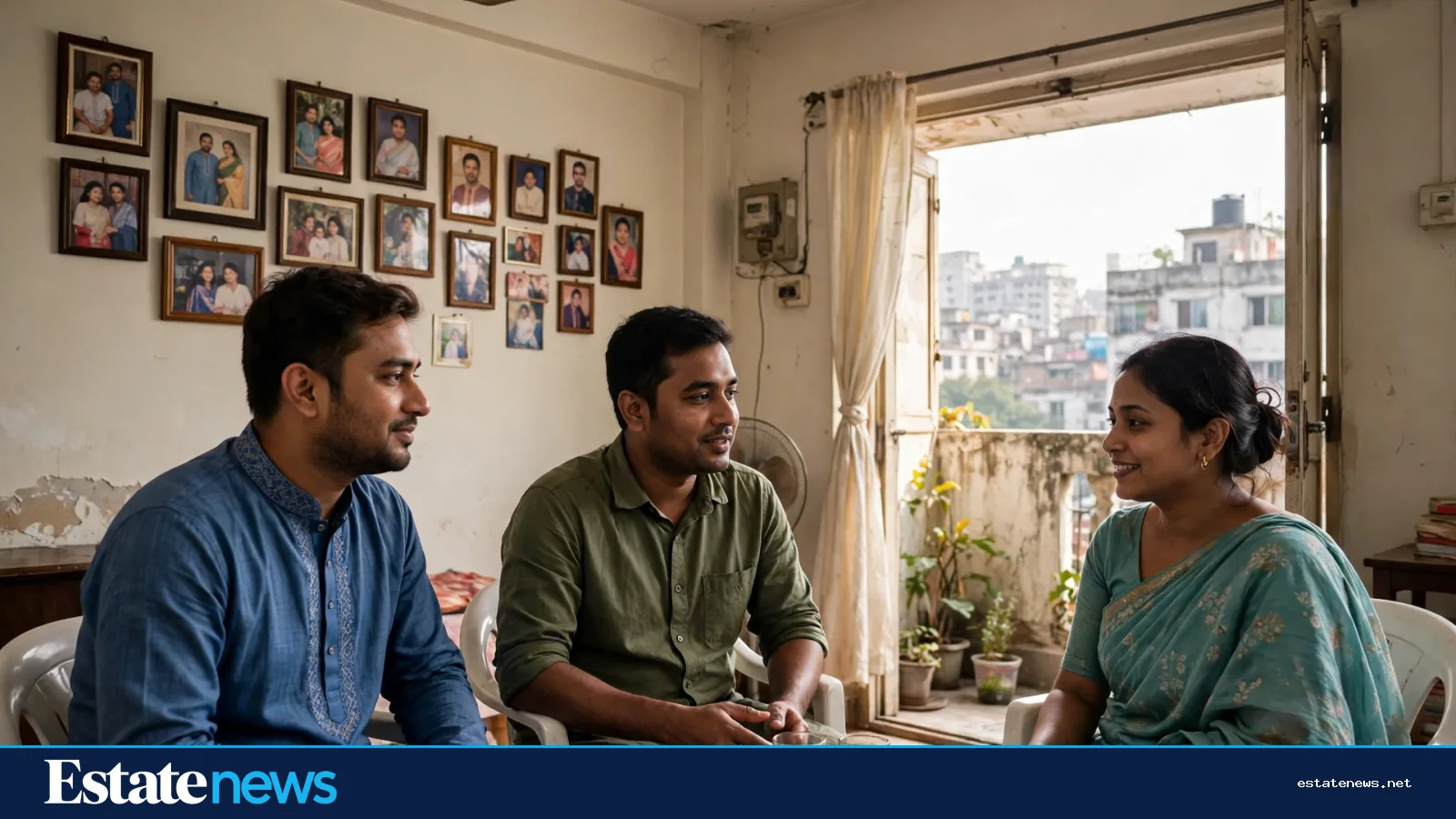
Estate News is not taking a side in that negotiation. The housing point is simpler, and it matters whatever the board decides. When rent takes a large share of a household budget, families stay in smaller rooms, share more, and move more often. When a flat is secure and near work, children stay in the same school and a household can plan beyond the month.
What to check before buying in Gazipur
A buyer should start with the commute on a working day, not a holiday. Ride the route at shift time. Ask neighbours, not only the seller, how long the bus really takes when the Dhaka-Tangail highway jams. Check water supply in the dry months, because a new building with a weak line will teach that lesson every summer.
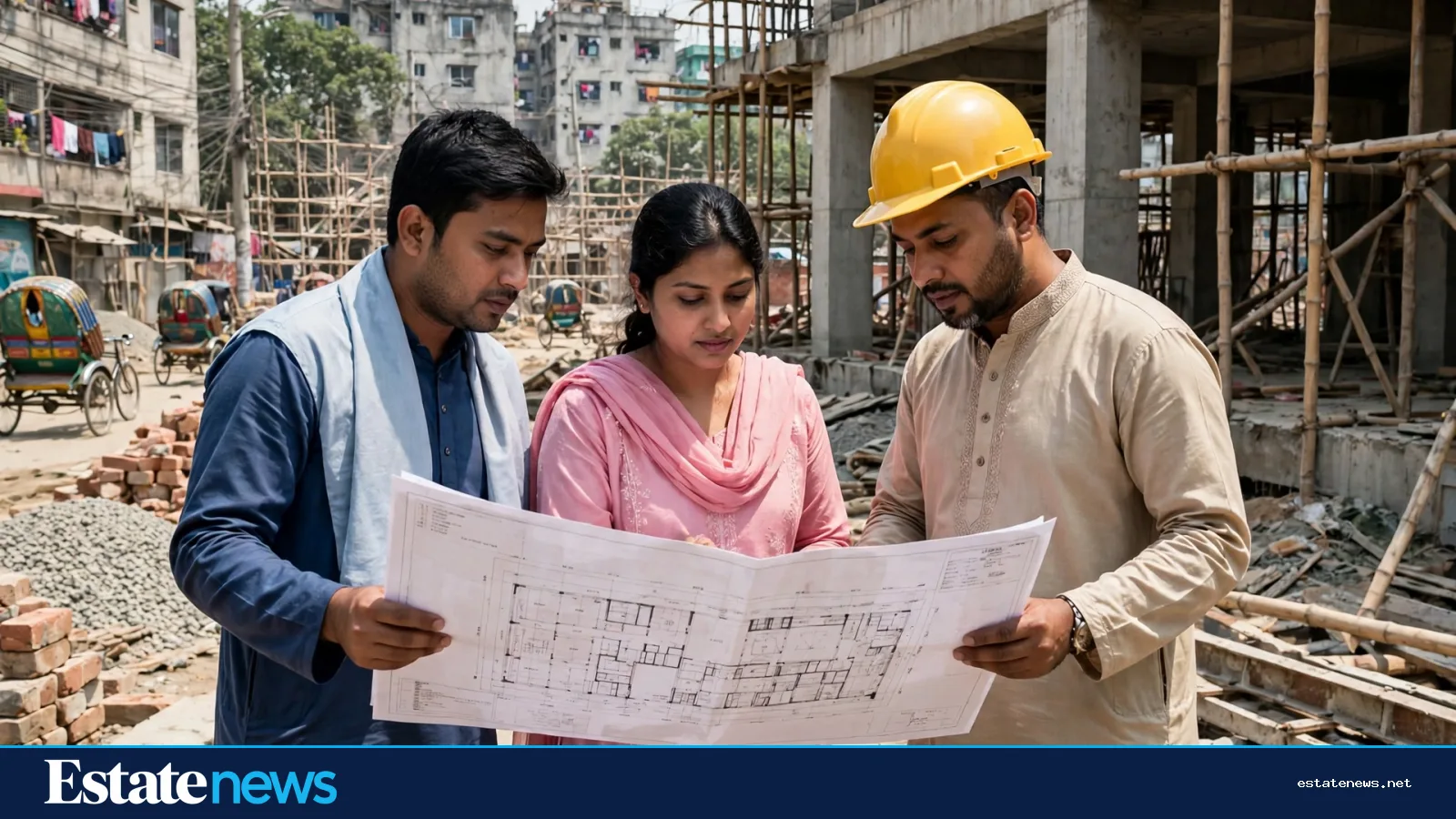
Then come the papers. Gazipur plots and flats carry the same risks as anywhere else in Bangladesh: unclear title, unapproved floors, and promises about gas, lift and handover that are not written into the agreement. A deed check, a mutation record check, and a written handover date cost far less than a dispute later.
None of this makes Gazipur a finished suburb. Drainage, footpaths and open space lag behind the buildings in many pockets. But the direction is visible on the ground: more family-sized flats, more schools and clinics following the families, and more buyers asking about life in the area rather than only distance to the factory gate. For a corridor built for work, that is a meaningful shift.