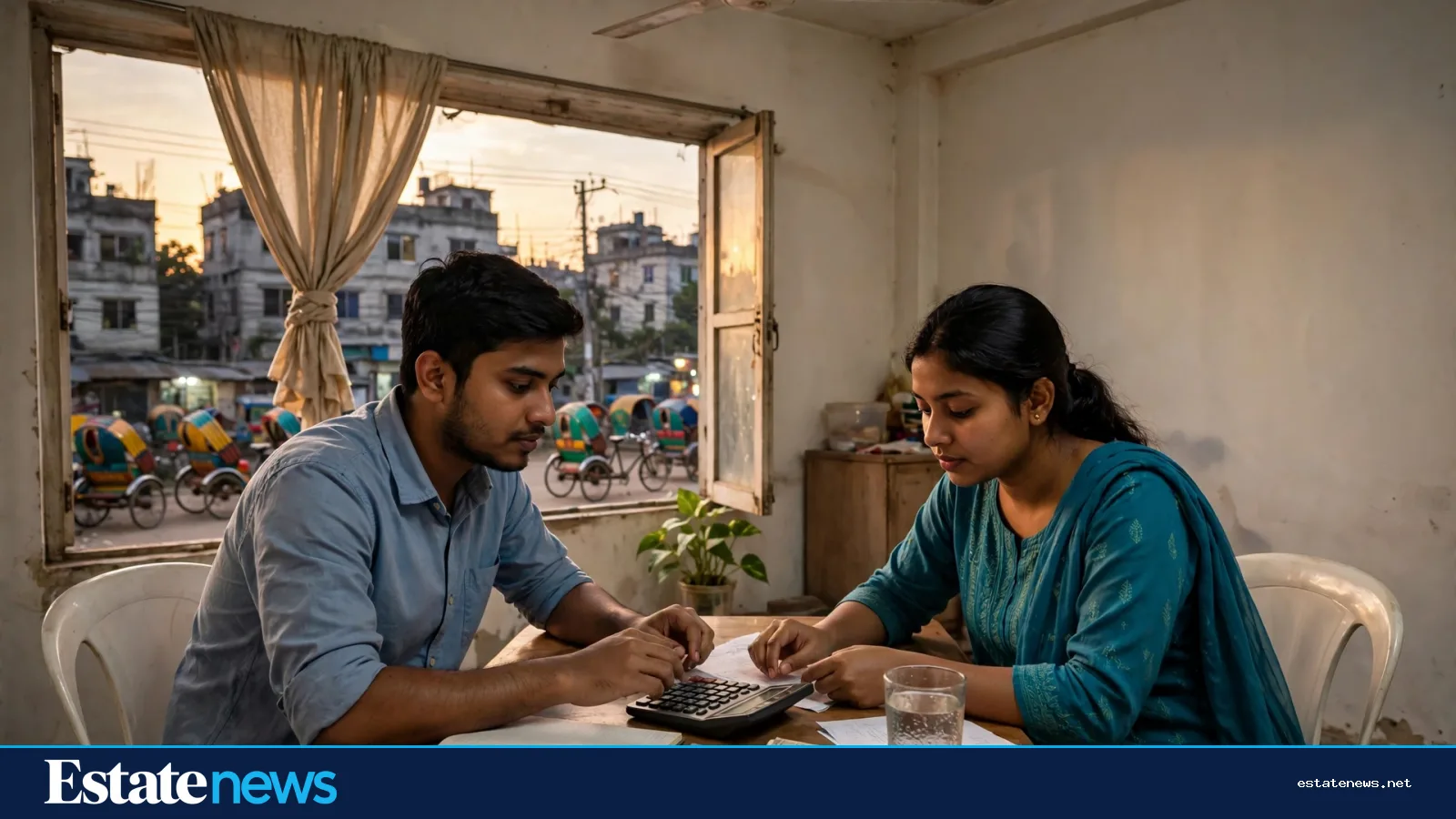
Most flat searches start with size and price. A search for ageing parents starts somewhere else: the walk from the gate to the front door. In Dhaka that walk can include a broken pavement, a steep ramp, a lobby without a chair and a lift that stops one floor short. None of that shows up in a brochure photograph. A family that visits at noon on a quiet weekday can miss all of it. Visit in the evening, when residents return, when the generator is tested by a real outage, and when the corridors fill up. The building tells a different story then.
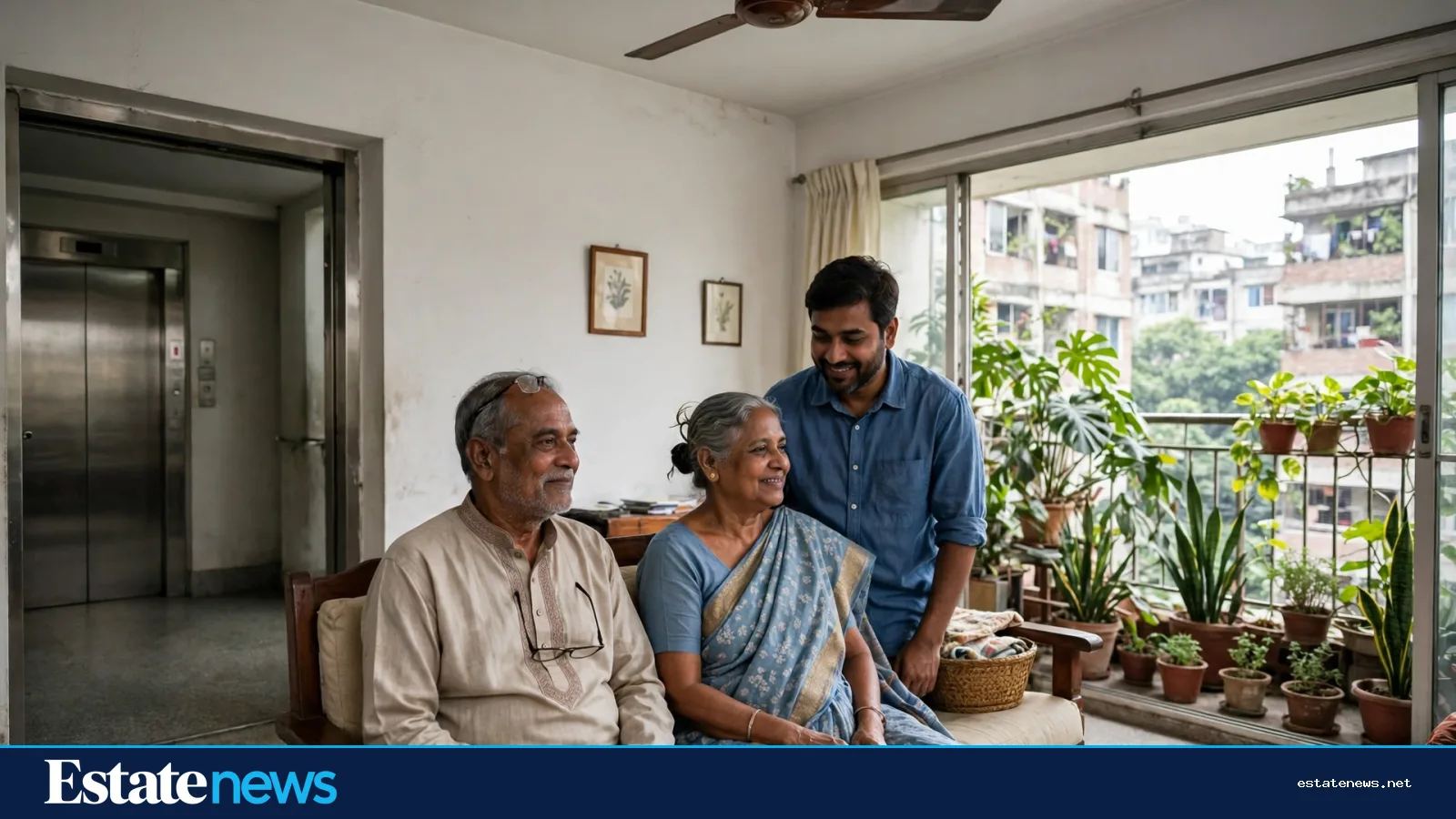
Lift reliability sits at the top of the list for a reason. Ask how many lifts serve how many flats, and what happens when one is under maintenance. A single lift in a ten-storey building is a daily risk for someone with a knee problem or a heart condition. Ask the caretaker, not only the sales desk, how often the lift breaks down and how long a repair takes. Look at the lift lobby. Is there space for a wheelchair to turn? Does the lift open level with the floor, or is there a small step? A step that a young buyer steps over without thinking can be a fall for an older person.
Distance to care, measured in minutes that count

Hospital access sounds simple on a listing: "near hospital". Near in kilometres and near in traffic are different things in Dhaka. Map the route at the time a parent would actually travel, which is often morning, when school traffic and office traffic pile onto the same roads. A hospital five kilometres away through Mirpur Road at 9 am is not the same as a hospital five kilometres away on a quiet lane.
Check the smaller pieces of care too. Where is the nearest pharmacy that stays open late? Is there a clinic or diagnostic centre within walking distance for routine tests? Does a doctor visit the area, and does the building allow a home nurse or attendant to come and go without a long argument at the gate? Families often plan for a big emergency and forget the weekly routine: blood pressure checks, diabetes follow-ups, physiotherapy sessions. A flat that makes the routine easy is a flat that keeps parents independent for longer.
The ground floor, taken on its own terms
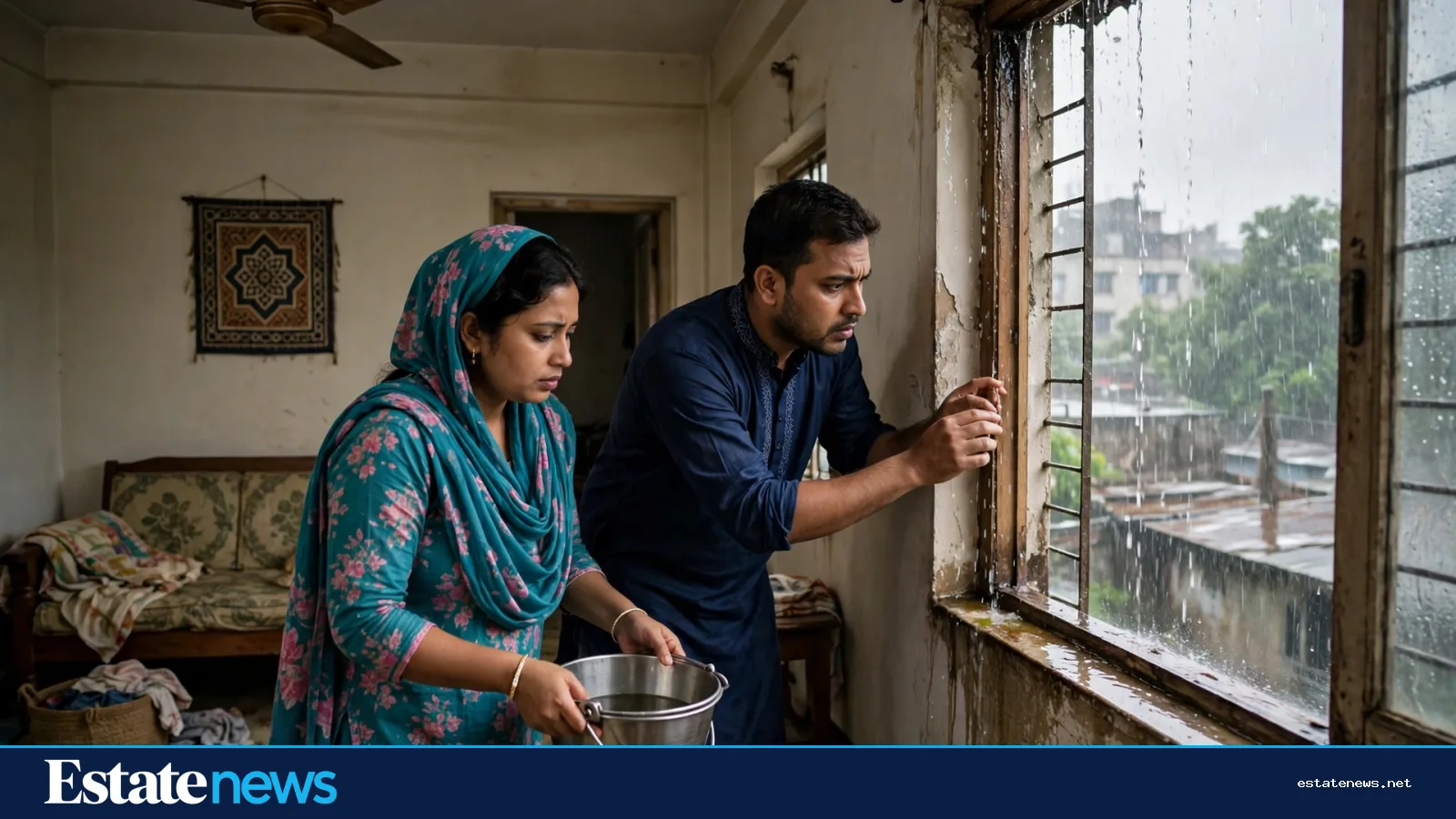
A ground-floor flat removes stairs from daily life, and that alone makes it attractive. It also brings a set of trade-offs that need a visit, not a guess. Walk the flat after rain. Ground floors in parts of Dhaka take water first, and a flat that looks dry in November can tell another story in July. Check the drains outside, the height of the plinth and whether the building has a working pump. Look at damp on the lower walls and smell the corners. Damp is not only a paint problem; it affects breathing and it ruins stored medicines and clothes.


Security and privacy cut the other way. A ground-floor balcony faces the driveway, the parking area and anyone passing by. Some older residents like that: they can watch the street, greet neighbours and feel part of the building. Others feel exposed, especially at night. Ask whether the windows have grills that can be opened from inside in an emergency, and whether the flat gets daylight through the day or sits in the shadow of the next block. A dark ground floor can feel isolating even when the location is convenient.
Noise belongs on the same checklist. Generator rooms, water pumps, guard rooms and parking ramps often sit at ground level. Stand inside the flat while the generator runs. A bedroom that shares a wall with a pump room will not be restful, whatever the price per square foot.
Light, air and the cost of staying put
Upstairs flats win on light and breeze, and that matters for mood and health as much as for comfort. If the search moves upstairs because of light, the lift question becomes decisive rather than secondary. A flat on the third or fourth floor with two reliable lifts and a generator that covers them can be easier to live in than a dark ground floor. Ask which loads the generator covers. Some buildings back up lifts and common lights; others back up only one lift, or none. Get that in writing from the building management, and check it with residents.
Running costs deserve the same attention as the purchase price. Service charges, lift maintenance, generator fuel and water supply all recur every month. For parents on a fixed income, a jump in service charges after handover can hurt more than a slightly higher purchase price did. Ask current residents what they actually pay, and whether charges have risen in the last two years. A building with a functioning owners' association and published accounts is easier to trust on this than one where charges are collected informally.
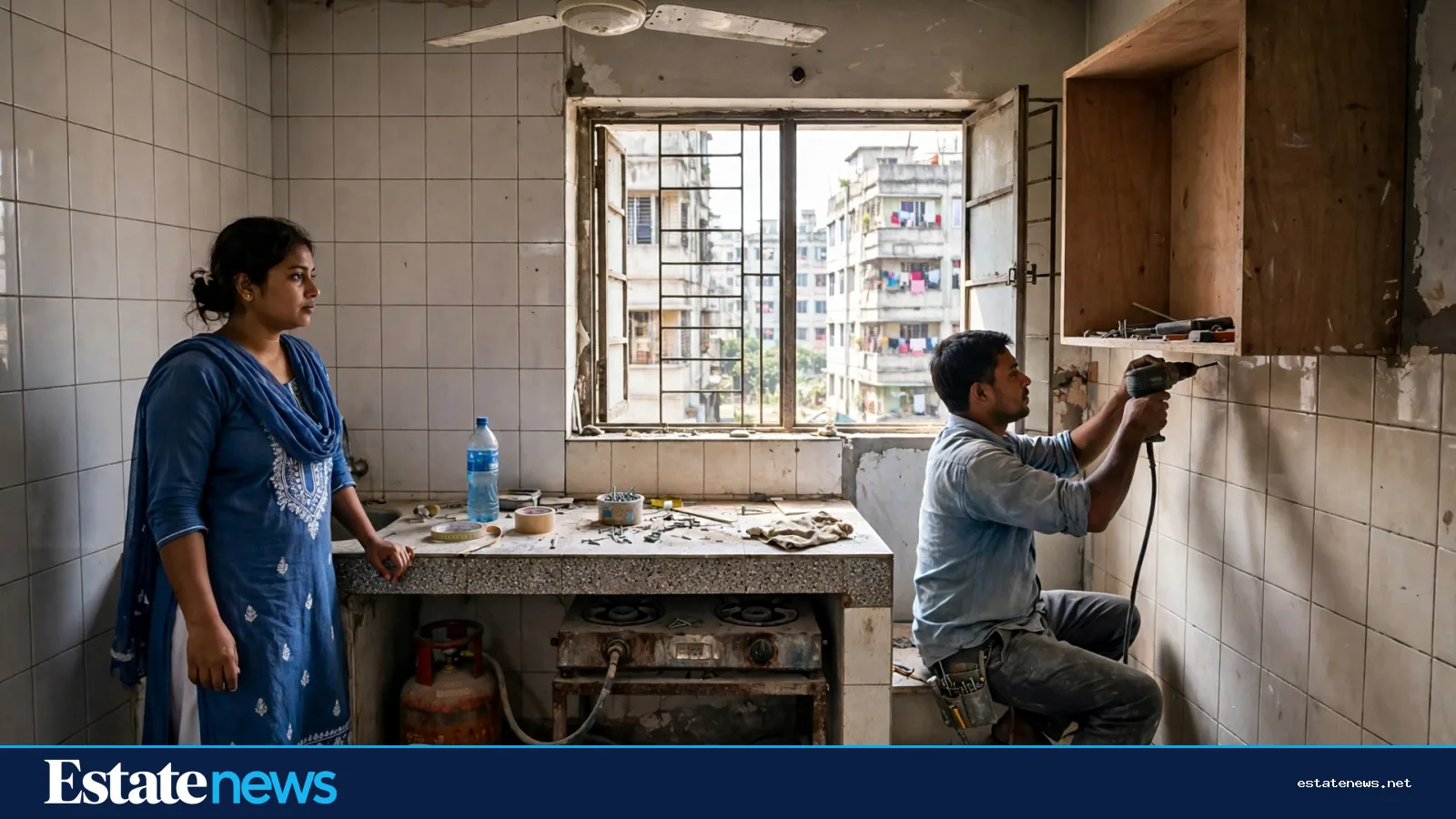
Inside the flat, small details add up. A bathroom with a grab bar, a non-slip floor and a door wide enough for help to enter is worth more than a fancy fitting. A kitchen where a parent can sit on a stool and work, rather than stand for an hour, keeps cooking possible. A balcony with a chair and a view of trees gives a reason to step outside. These are not luxuries. They are the difference between a flat parents visit and a flat parents live in.
Buying for parents is also a family decision, and it helps to say so plainly. Parents who are moved without being asked often resist the new flat, however well chosen. Take them to the shortlisted buildings. Watch how they climb the ramp, open the doors and use the bathroom. Their hesitation is data. A flat that suits the family on paper but leaves a parent uneasy at the door has not passed its main test.