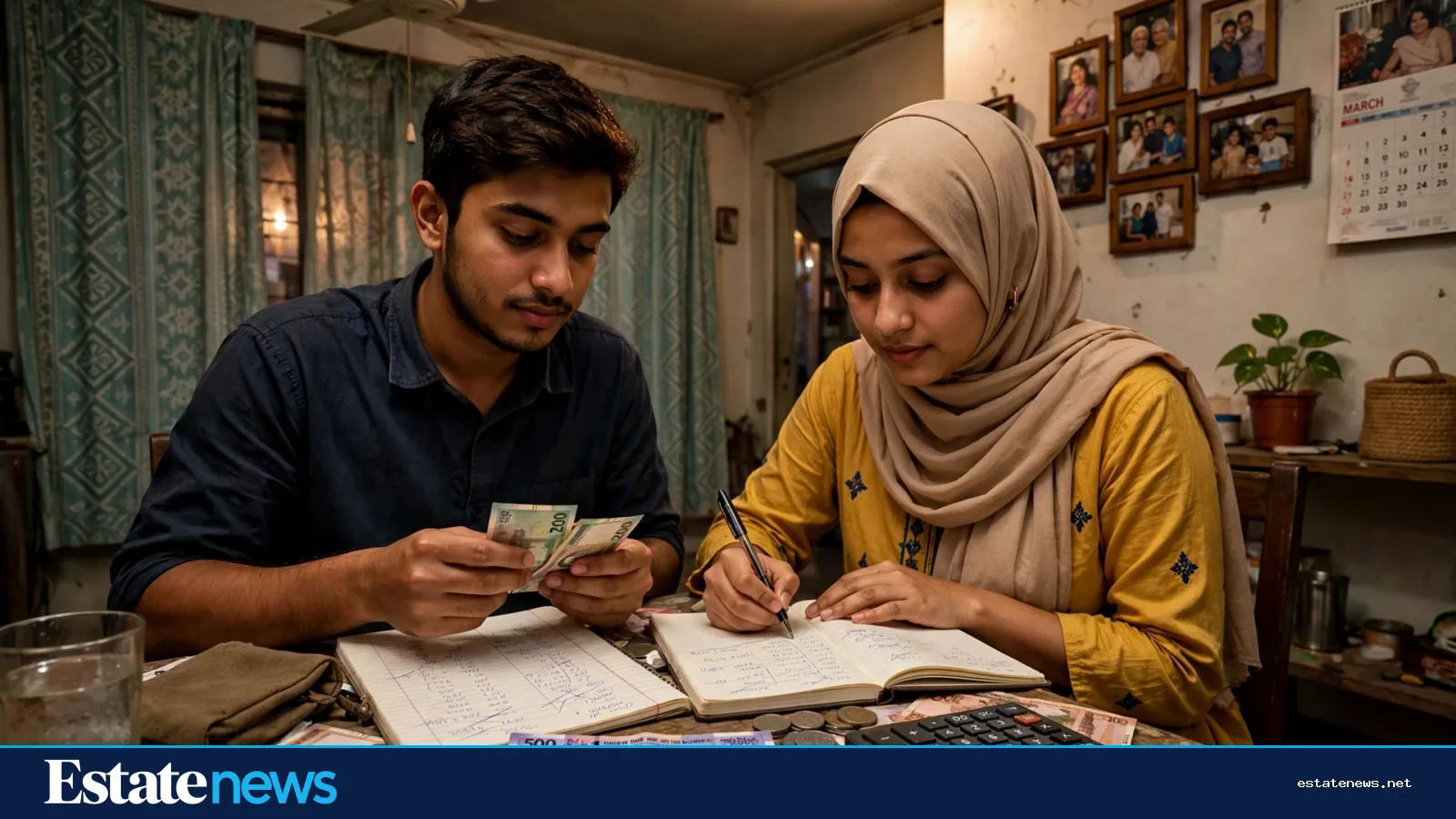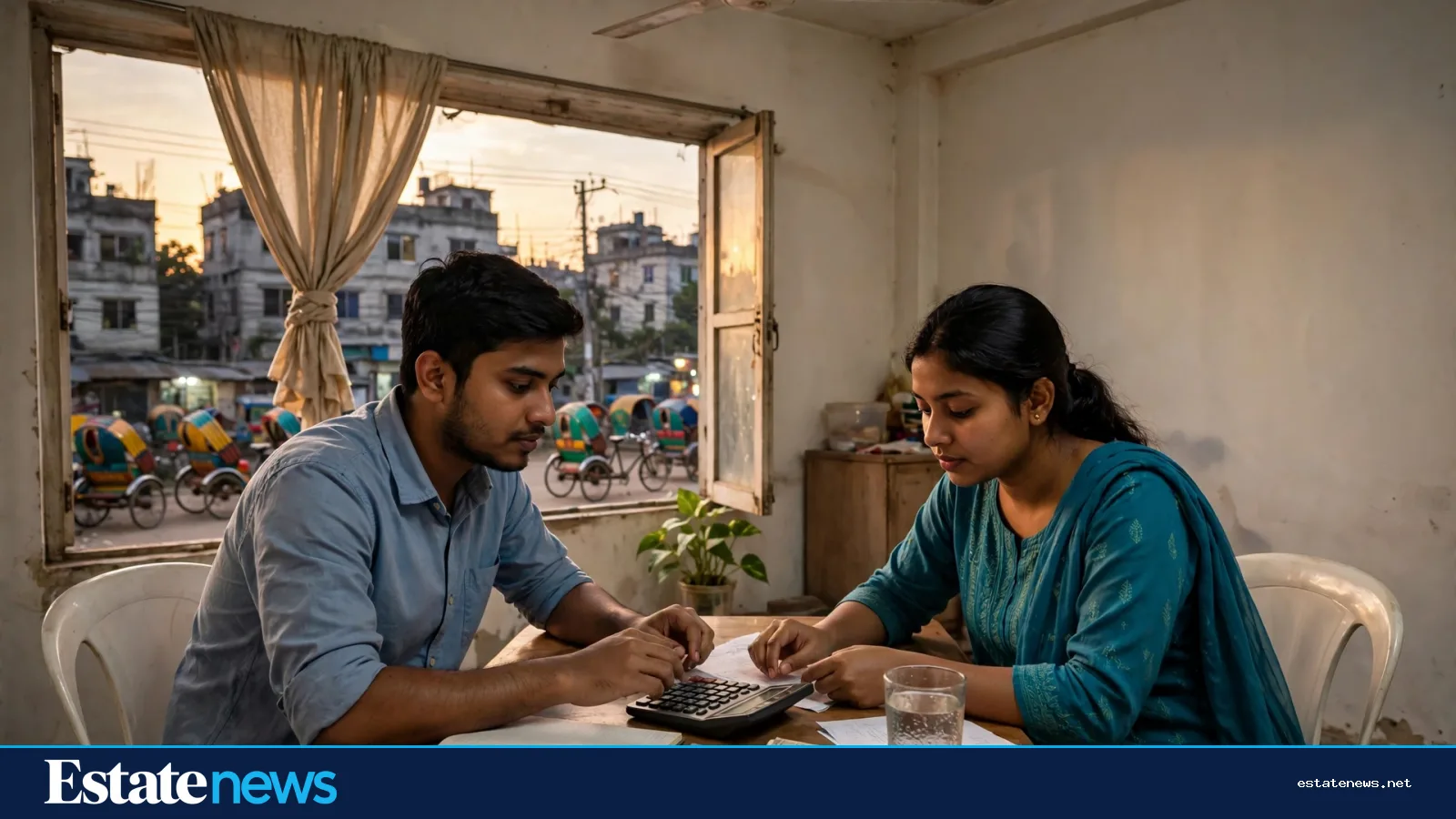
Ask a salaried couple in Dhaka how they plan to save a flat deposit and the answer is rarely a spreadsheet. It is a worry: rent is due on the first, school fees arrive without warning, and a relative's wedding or a medical bill can wipe out three careful months. Saving for a home in that setting is less about finding a high return and more about building a habit that survives interruption. That is why the Deposit Pension Scheme, the monthly DPS, keeps turning up in these conversations. It takes a fixed sum out of reach each month and returns the deposits plus profit at maturity.
The mechanics are plain. A DPS takes a fixed monthly instalment for an agreed term, commonly three, five or ten years, and pays back the total deposits plus interest or profit at the end. Sonali Bank's published deposit pages list, among others, a Sonali Deposit Scheme at 6.50 percent compounded over five years, with monthly instalments from Tk 500 to Tk 10,000, and an Anannya Sonali Deposit Scheme at 9.00 percent for three years and 9.25 percent for five years, with instalments from Tk 1,000 to Tk 10,000. A published comparison of DPS offers in 2026 put the wider market range roughly at 9 to 12.5 percent a year, depending on bank, scheme and term. Rates change with bank policy and with Bangladesh Bank's stance, so any figure here needs a fresh check with the bank before signing. Bangladesh Bank has held its policy rate at 10 percent since October 2024, according to that same comparison, while prices rose 8.34 percent in the year to September 2026, according to Bangladesh Bureau of Statistics data reported in the press. A return that looks comfortable on paper narrows quickly once inflation is counted.
Start from the month, not the flat

The mistake most households make is to start from the flat: pick a deposit target, divide it by the months available, and set the DPS at that figure. When the instalment is larger than the household can spare, the scheme breaks. Missed instalments, penalties and early encashment follow, and the saver ends up with less profit than a smaller, steadier scheme would have paid.
Work the other way. Write down the month as it actually runs: rent, utilities, transport, food, school costs, medicine and a small allowance for the unexpected. What remains, reliably, in a normal month is the honest DPS figure. Some months will leave more. That extra money can sit in a regular savings account, where it stays reachable, rather than being locked into a higher DPS instalment that cannot bend. A DPS works because it is rigid. That rigidity is also its weakness, so the amount must be one the household can keep paying in a thin month, not only in a good one.
Keep the emergency fund separate from the home fund. A DPS is a poor emergency fund: breaking it early usually cuts the profit sharply. Households that put every spare taka into a DPS often find themselves borrowing at a higher cost when a real emergency arrives. One savings account for emergencies, one DPS for the home, is a slower-looking plan that holds up better over five years.
What to read before signing


Tenure matters as much as rate. A three-year DPS suits a household that already has part of a deposit and wants to top it up. A ten-year scheme suits a younger household that is buying time as much as money. Longer terms usually carry higher advertised rates, but they also lock money away for longer, and life changes: a job move, a child, a transfer to another city. Ask the bank, in writing, what happens on a missed instalment, what early encashment pays, and whether a loan can be taken against the DPS balance. Sonali Bank's published terms, for example, allow a loan facility of up to 90 percent of the deposited amount under bank rules. Other banks differ, and the difference matters in a crisis.
Tax and charges sit quietly at the end of the scheme. Source tax on interest and excise duty apply under prevailing rules, and the maturity figure on a poster is not the figure that reaches the account. Islamic DPS products, offered by several banks including through mobile channels, pay profit rather than interest; the discipline is the same, the wording and the profit calculation differ. Choose the form that fits the household's own practice, and compare the net figure, not only the headline rate.
A deposit is not only the DPS
A DPS builds the habit, but a flat deposit is rarely one pot of money. Registration costs, loan processing, moving costs and the first months of service charges all need cash at the same time as the down payment. Households that save only the deposit often reach the booking desk and discover a second bill waiting. A practical approach is to treat the DPS as the core deposit fund and to keep a smaller, separate pot for these closing costs, even if it grows slowly.
It also helps to revisit the scheme once a year. Salaries rise, rents rise, and a child starts school. A DPS amount set three years ago may now be too small to matter, or too large to sustain. Some banks allow a second DPS alongside the first; starting a small second scheme is often safer than breaking the first to raise the instalment. The goal is not a perfect savings plan. It is a plan that is still running in year four, when the flat search finally gets serious.
This article is informational only and is not financial advice.