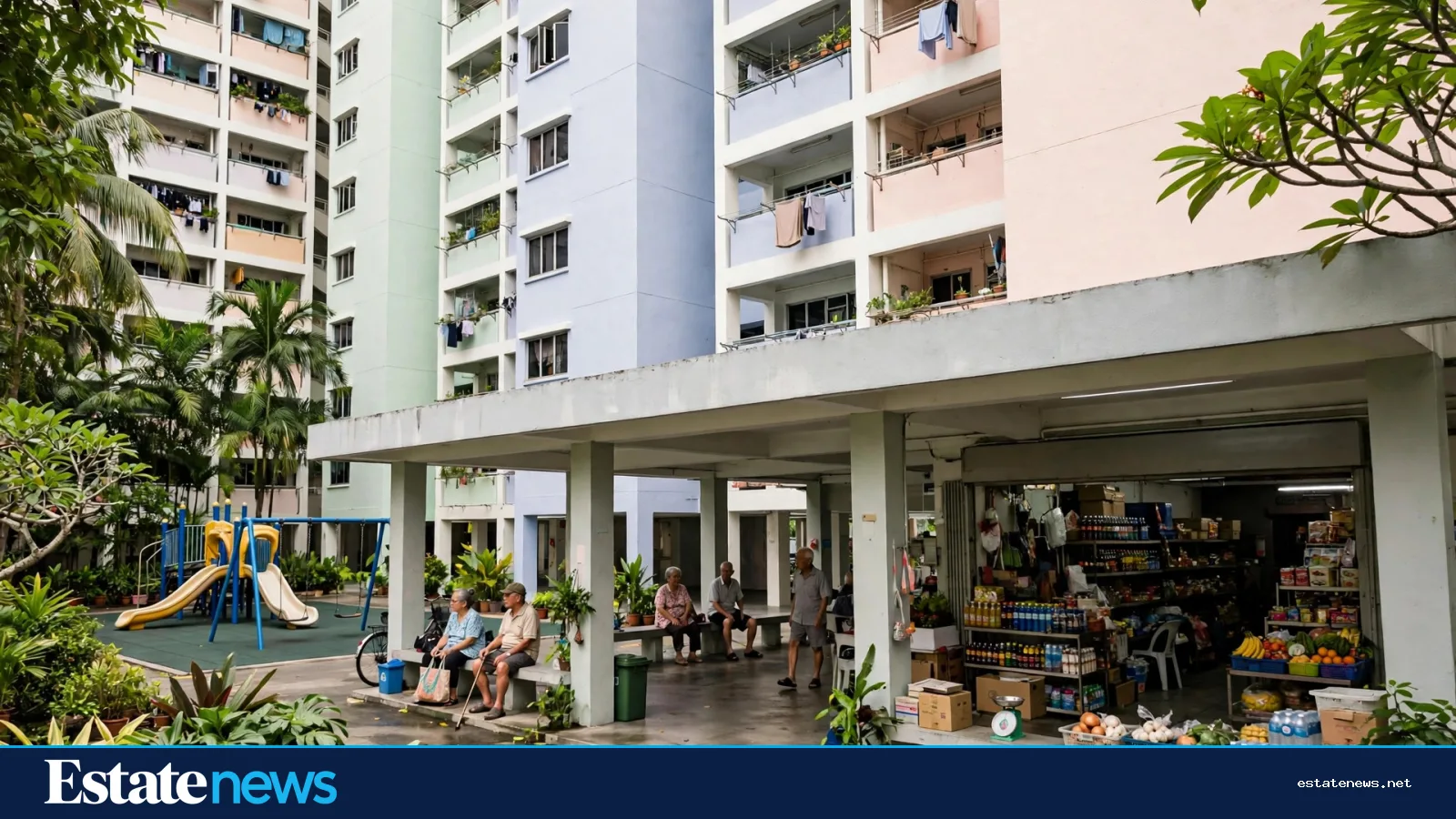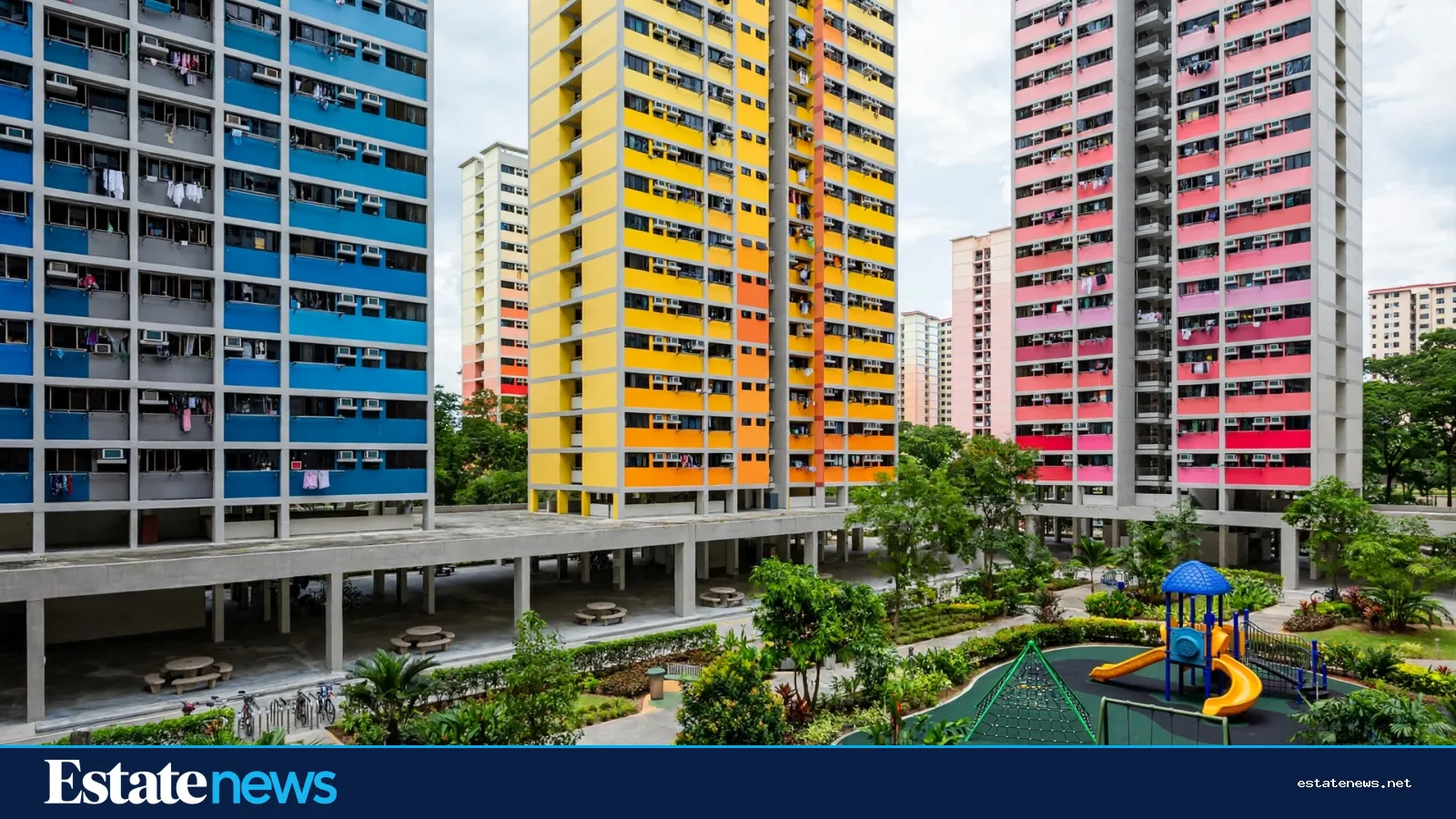
Singapore's housing story starts with a shortage that will sound familiar in Dhaka. In the years after independence the city needed homes fast, on very little land. The Housing and Development Board, set up to build and sell public flats, now counts more than a million HDB flats across 24 towns and three estates, according to Singapore's government explainer. Most Singaporeans live in one. The model did not work by building cheap blocks and walking away. It worked by tying subsidy to rules, and by planning whole towns rather than scattered towers.
Buy new, or buy resale
A buyer in Singapore has two doors into the system. New flats come through Build-To-Order sales, where the board builds after demand is confirmed, and through sales of balance flats. These carry a discount to comparable resale prices, and first-timer families can receive grants on top. Singapore's government site puts the grant at up to S$120,000 for a new flat and up to S$230,000 for a resale flat. The second door is the open resale market, where an owner sells to another eligible household at a market price, often with a grant attached for the buyer.

Every flat sits on a 99-year lease. When the lease ends, the flat returns to the state. That single rule shapes everything else. Buyers pay for long use, not permanent ownership of land, and the state keeps the power to plan the next cycle of homes.
The rules that keep subsidy from leaking
Since the October 2024 sales exercise, new flats fall into three classes: Standard, Plus and Prime. Standard flats carry a five-year minimum occupation period, meaning the owner must live there before selling or renting out the whole flat. Plus and Prime flats, in better locations, carry a ten-year occupation period, and their first owners repay part of the subsidy on resale, roughly 6 to 14 per cent of the resale price or valuation for Prime flats, according to HDB's framework as summarised by property guides. Whole-flat rental is never allowed for Plus and Prime flats. Resale buyers of those flats must meet eligibility rules, including an income ceiling that property guides put at S$16,000 a month for families.
Read together, the rules say something plain. The deeper the subsidy and the better the location, the longer the owner must stay and the less profit can be taken out quickly. Speculation is not banned. It is made slow and expensive.
What Dhaka can take from this


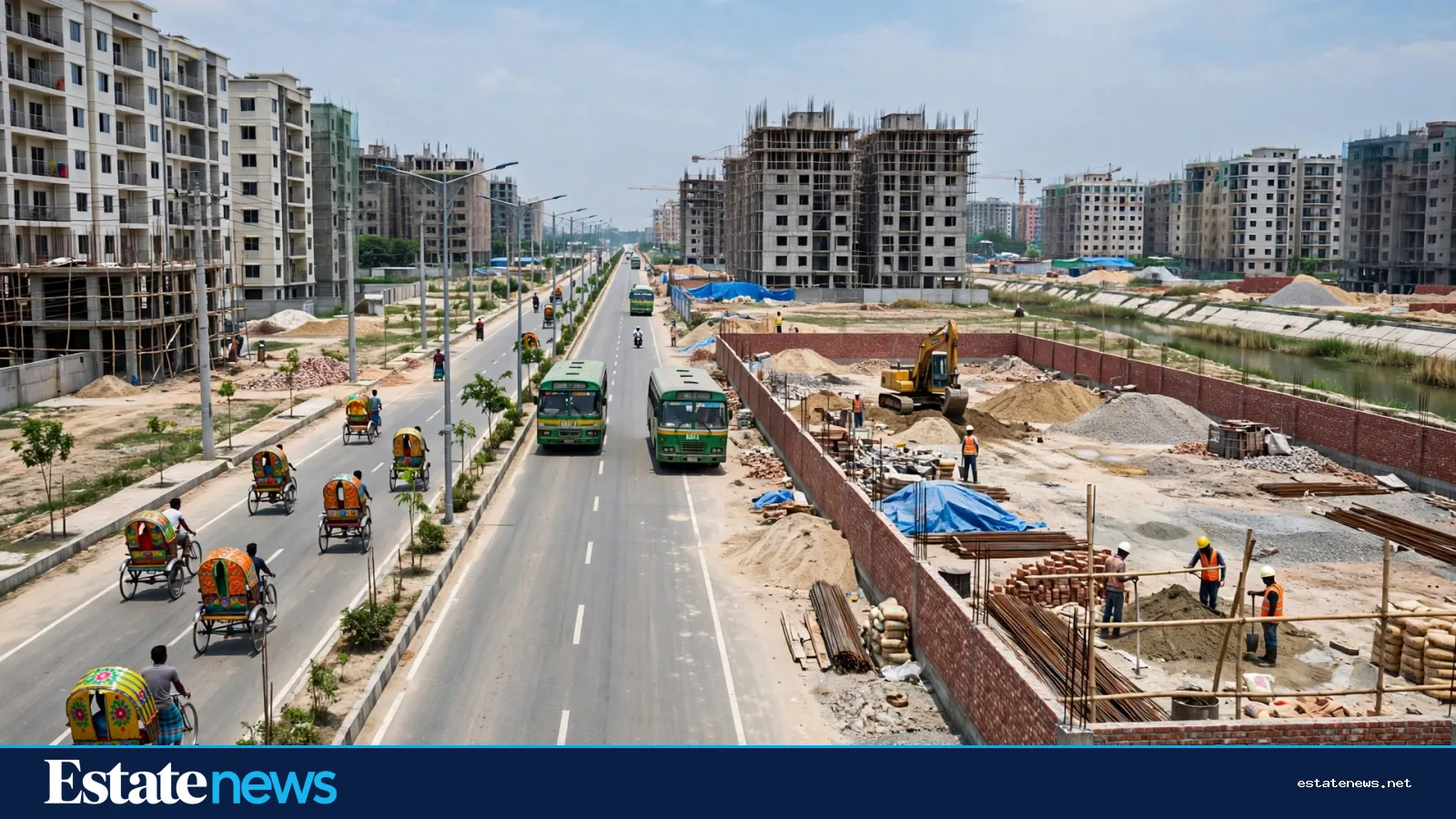
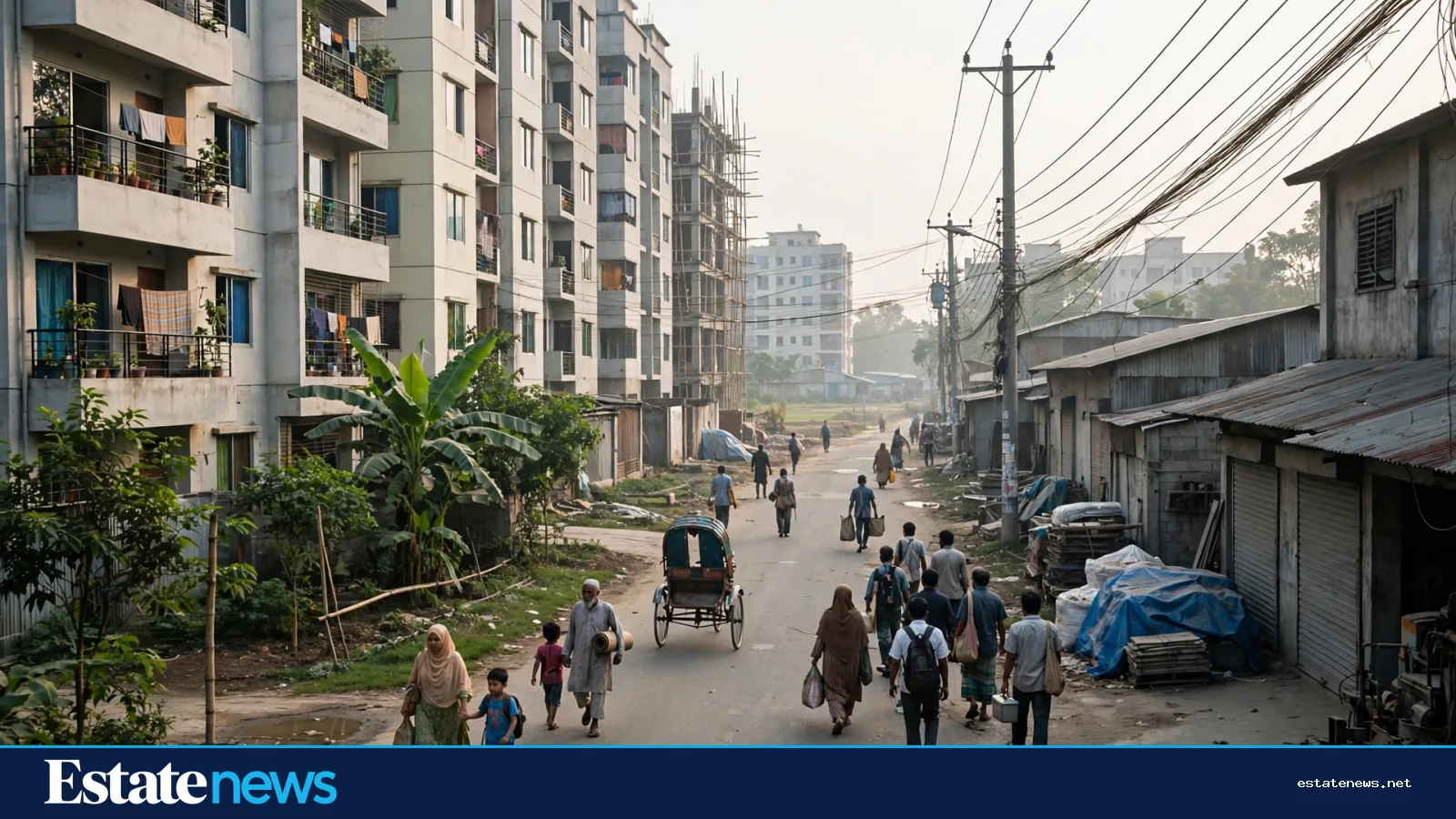
Dhaka's housing market has the opposite problem in one respect. Subsidy, where it exists, is thin, and resale is largely unregulated. A flat bought cheap can be flipped fast, and nobody tracks whether the first buyer ever lived there. Several habits from Singapore transfer without copying the whole system, and each one stands on its own.
HDB estates arrive with markets, schools, parks and MRT stations already in the plan, so a new town is livable on day one. Dhaka's fringe projects, by contrast, often sell flats years before roads, water and transport catch up. Building at town scale, rather than tower by tower, is the habit worth borrowing.
BTO buyers know how many flats are offered, where, and at what grant level. A public, dated list of affordable plots and flats in Dhaka would do more for trust than any launch event.
A subsidised flat that must be occupied for years before resale keeps the benefit with the household it was meant for. Dhaka's policymakers could apply a version of this to any future subsidised housing, with the period set openly at launch.
Dhaka buyers already live with unclear titles and mutation delays. A system where lease length, remaining years and resale conditions are printed on one public record would cut a whole class of disputes.
What does not transfer
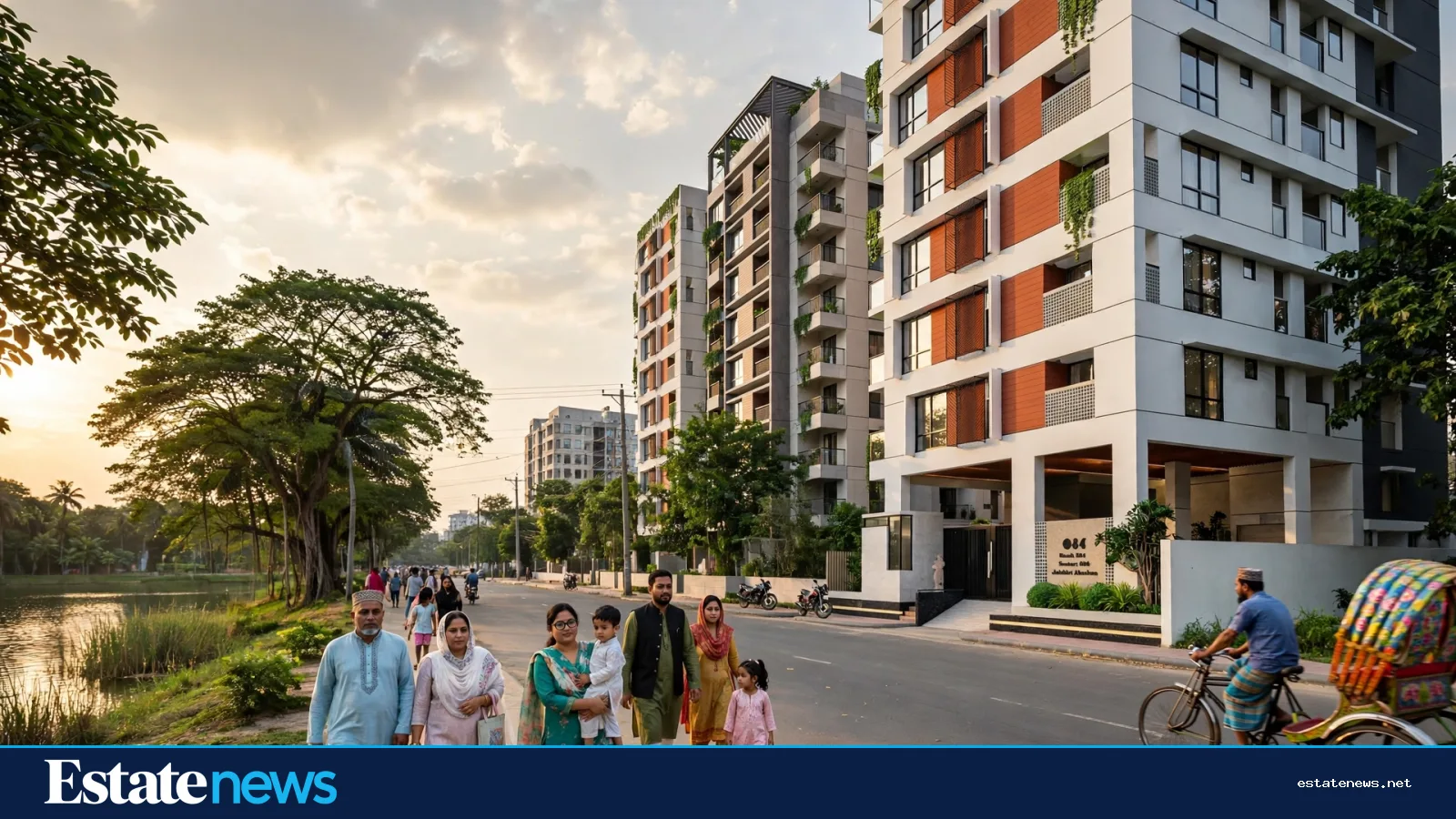
The honest limits matter as much as the lessons. Singapore's state owns most of the land and runs a compulsory savings system, the CPF, that channels wages into housing. Bangladesh has neither. Incomes, land ownership and the developer-led market are all different. Singapore's ethnic integration quotas and citizenship rules for buyers have no counterpart in Dhaka, and its grant sums rest on a far higher income base. Dhaka should borrow the discipline, not the paperwork: plan towns whole, publish supply, attach conditions to subsidy, and keep records public. Those four habits cost little. They are what turned a shortage into a system.