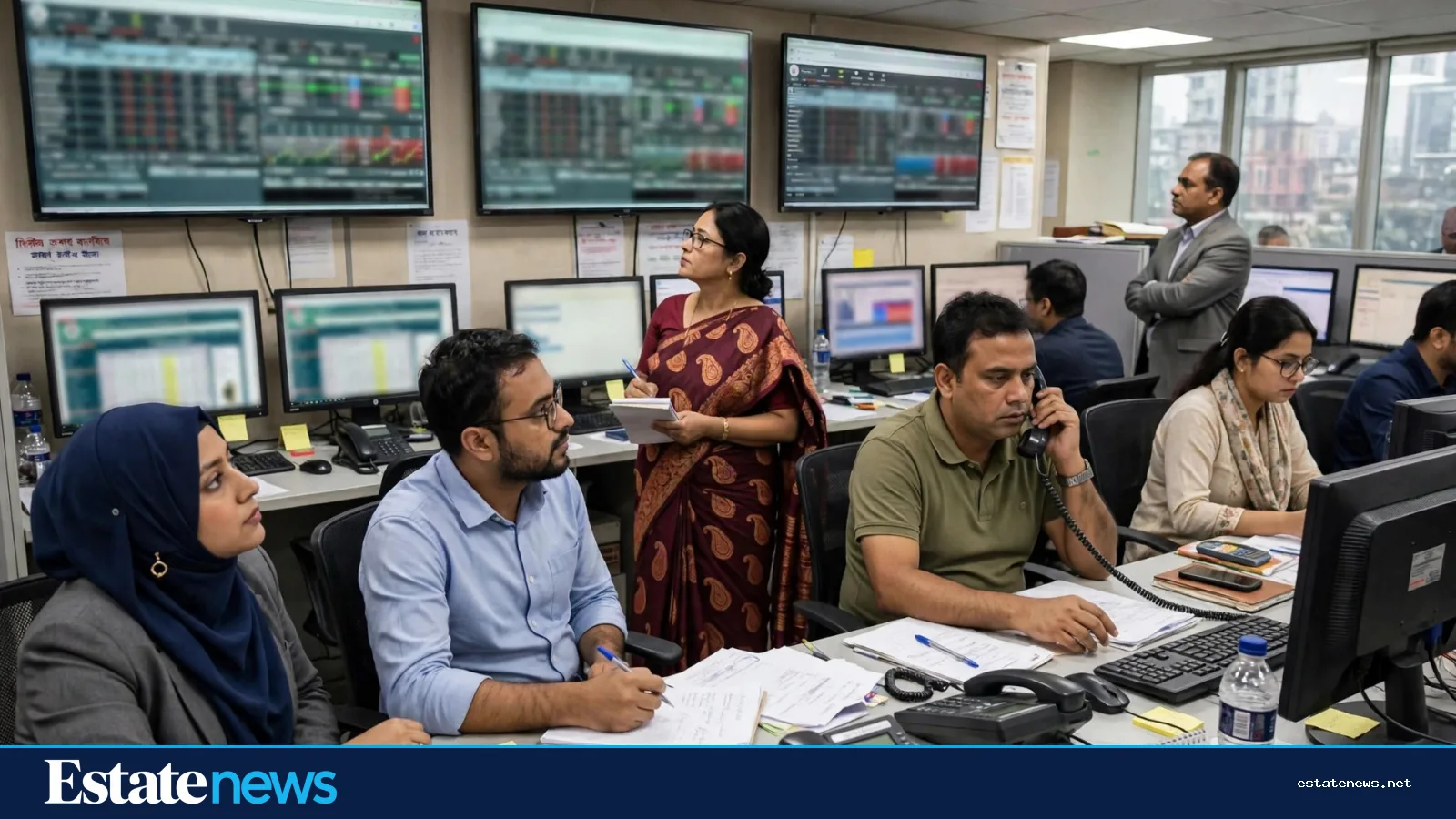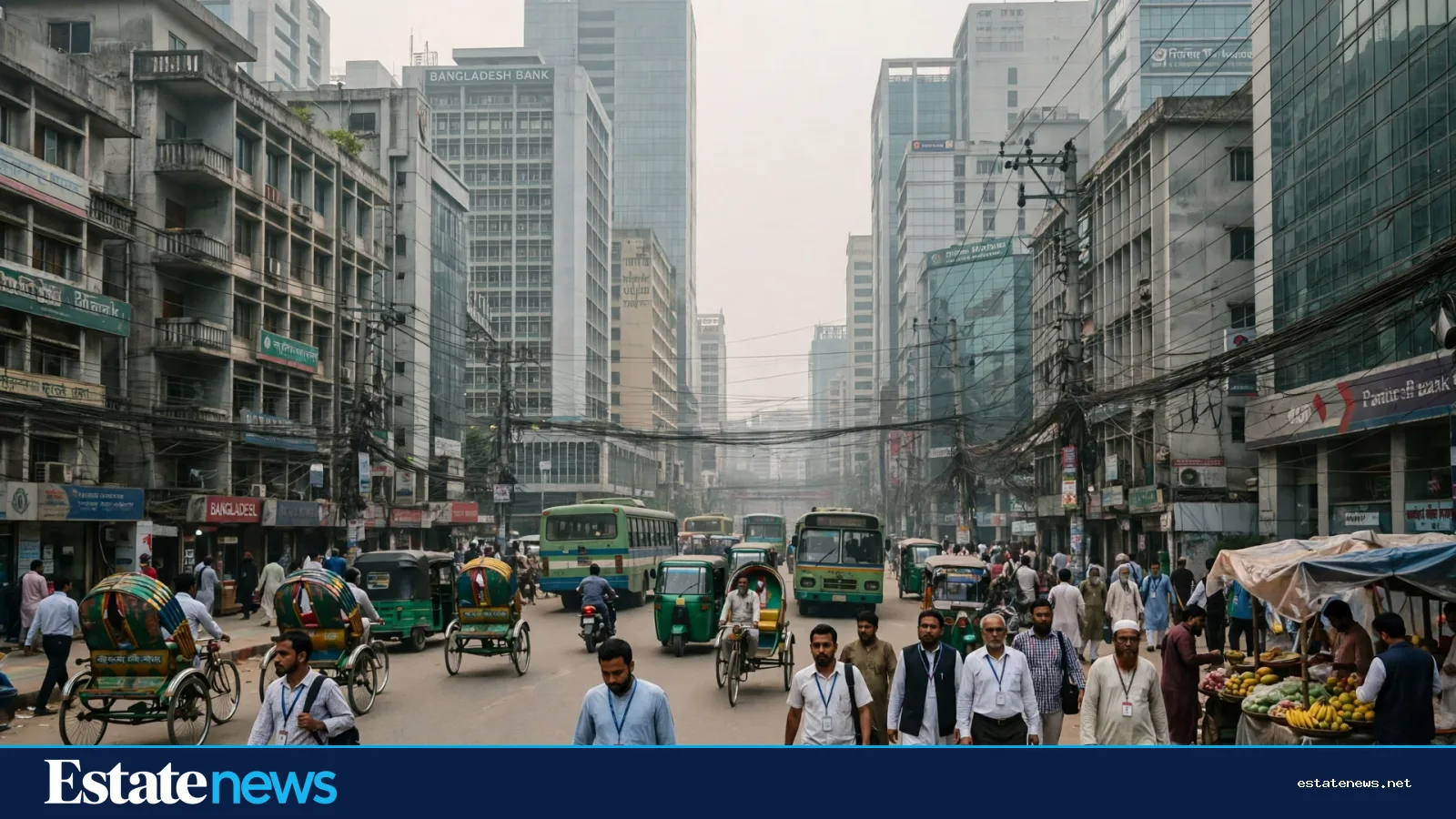
Dhaka's stock market fell again on Tuesday, 3 November. The DSEX, the Dhaka Stock Exchange benchmark, dropped 49 points, or 0.92 per cent, to close at 5,284, according to The Business Standard's market report. That took the index below the 5,300 mark for the first time in months, and marked a fourth straight losing session in which the market shed 149 points and Tk 7,200 crore in market capitalisation. The blue-chip DS30 index fell 20 points to 2,021. Of the issues traded, 267 declined and 68 advanced.
Turnover told a less gloomy part of the story. Trading value rose 35 per cent to Tk 565 crore, suggesting buyers were active even as prices fell. Textile stocks were the exception to the slide, rising 1.5 per cent as the only gaining sector, and they accounted for 30.3 per cent of turnover, followed by general insurance at 12 per cent and banking at 11.1 per cent. The Business Standard linked the selling to labour unrest in the garment sector, factory closures and wider geopolitical tension, with late buying in selected textile shares pulling the index back from an intraday low of 5,269.
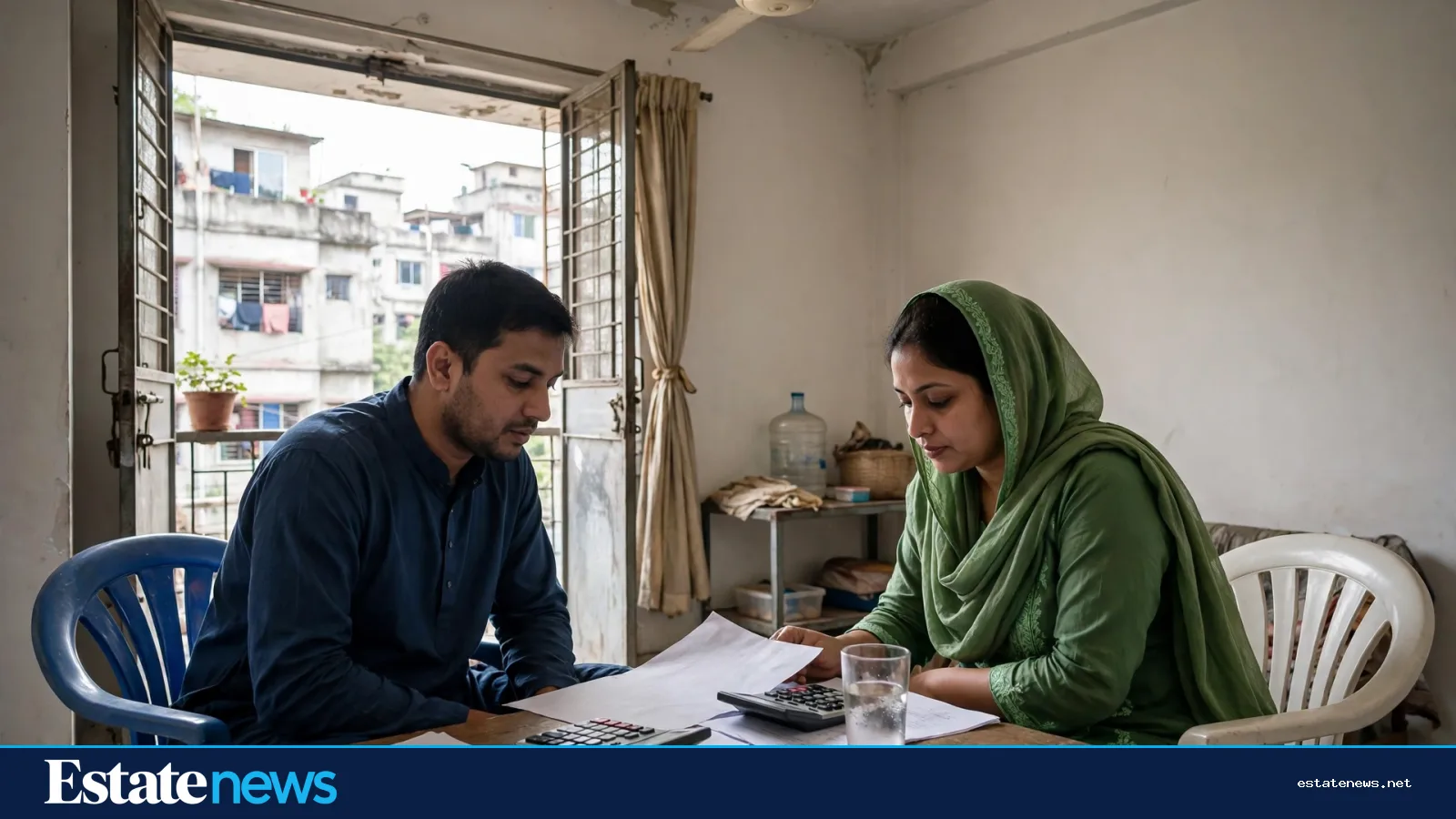
For property readers, the session matters in a practical way. A falling market trims the paper wealth of households that hold shares, and it can delay a flat purchase or a renovation that was planned against a portfolio. It does not, on its own, change the price of bricks, rod or a flat in Mirpur. Those prices move on construction costs, land supply and bank lending, which is why the rest of this wrap deserves equal weight.

October trade: exports up, remittance stronger
Bangladesh's merchandise exports rose 4.39 per cent year on year to $3.99 billion in October, according to Export Promotion Bureau figures reported by Bangladesh Bank, as covered by The Business Standard on 1 November. Ready-made garment shipments rose 4.90 per cent to $3.17 billion. For July to October of fiscal year 2026-27, exports reached $17.04 billion, up 6 per cent, or about $960 million, on the same period a year earlier.


Remittance moved the same way. Expatriate Bangladeshis sent $2.87 billion home in October, up 12.18 per cent from $2.56 billion in October 2025, Bangladesh Bank data shows. The July to October total reached $11.465 billion, up 13 per cent from $10.149 billion a year earlier. Islami Bank received the largest share of October remittance at $365.18 million, or 17.09 per cent, followed by Bangladesh Krishi Bank at $201.65 million. October was still the fifth straight month below $3 billion, and the weighted average interbank dollar rate edged up to Tk 124.30 from Tk 123.99.
Remittance is the quiet engine of Dhaka's housing demand. A large share of it goes into land, flats and construction in home districts, and into loan repayments. A steady $2.87 billion month keeps that engine running even when the stock market is weak. Gross foreign exchange reserves stood at $36.33 billion, or $31.46 billion on the IMF's BPM6 basis, on 29 October, according to Bangladesh Bank.
What to watch from here
Two things will decide whether this week feels like a dip or a drag. The first is the garment sector: if factory unrest settles, the textile shares that held up on Tuesday may steady the wider market. The second is bank lending. Households weighing a home loan should watch loan rates and their own job security more closely than any single index close. A 49-point fall does not make a flat cheaper, and a $2.87 billion remittance month does not make one dearer. What both do is set the mood in which families decide.