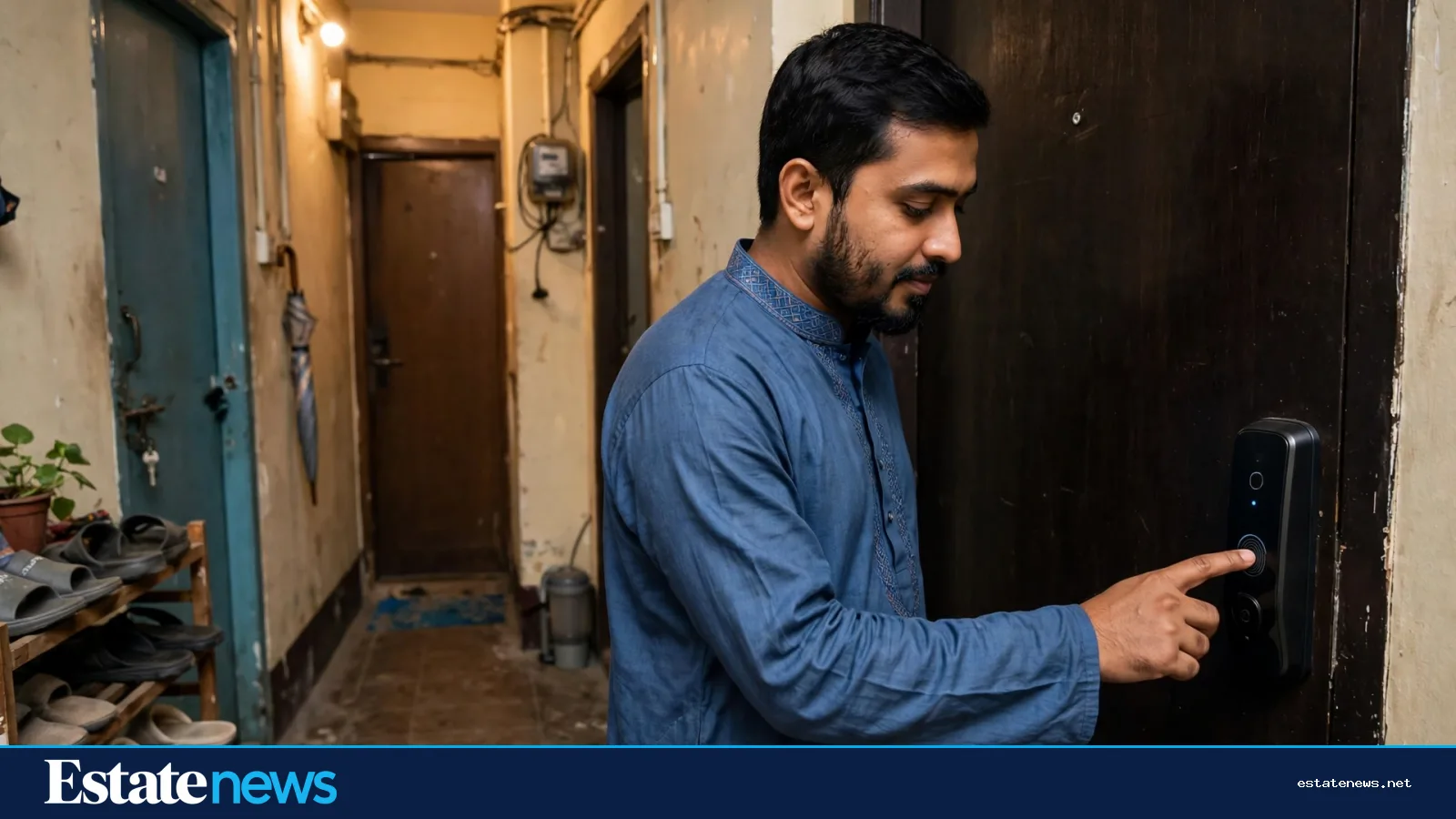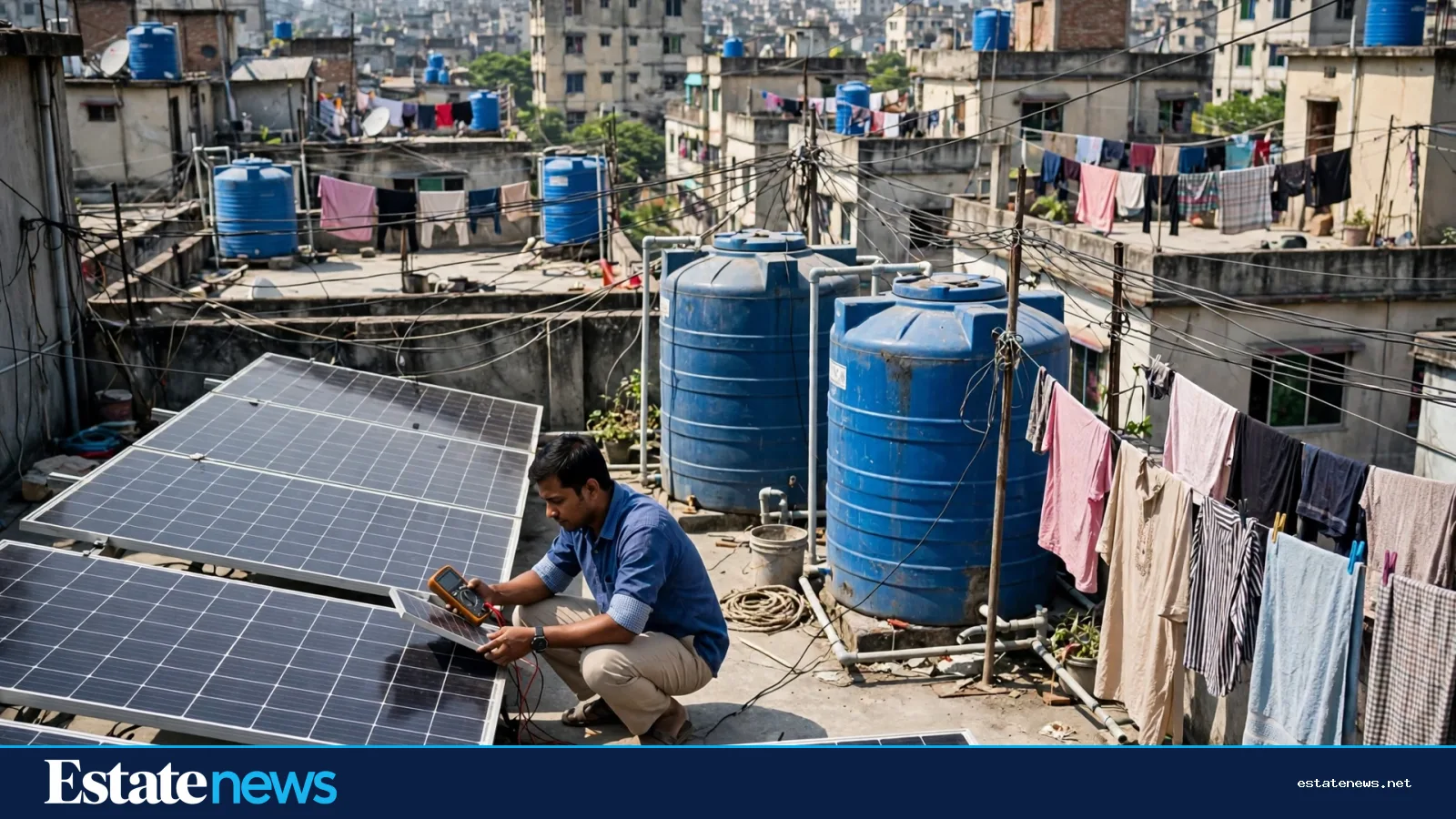
Stand on almost any Dhaka rooftop and the problem is obvious. The roof is already working hard. Water tanks sit in rows. Clothes dry on lines. A lift machine room hums in a corner. Children play there in the evening, and in summer, families sleep there when the flat is too hot.
Now add solar panels to that crowded square. The technology fits. The roof, and the building's paperwork, often do not.
What the new rules actually change

Bangladesh has moved quickly on paper. The Power Division gazette of 1 September offers households that install battery-backed rooftop systems by 28 February 2027 a payment of Tk 10.50 for every surplus unit fed into the grid, guaranteed until February 2030, according to The Business Standard. The Power Division puts the maximum generation cost of such systems at Tk 8 per unit.
Then came the Special Solar Power Installation Ordinance, 2026, published in the gazette after cabinet approval on 18 October 2026, as reported by Asia Daily. It opens rooftops, courtyards, unused land, tea gardens and water bodies to solar projects of up to 5 megawatts. It sets out two financing paths: CAPEX, where the owner pays and owns the system, and OPEX, where a solar company finances and runs it. Every OPEX project needs a three-party agreement between the customer, the company and the relevant authority. The government's target under the ordinance is 3 to 4 gigawatts.
The Net Metering Guideline, 2025, also helps single buildings. It lets eligible rooftop systems reach 100 percent of sanctioned load, up from an earlier 70 percent ceiling, and opens the door to single-phase consumers and online applications, according to industry reporting on the guideline.
The apartment problem no guideline has fully solved
A single house is simple. The person who pays for the panels gets the power. A flat building is not.


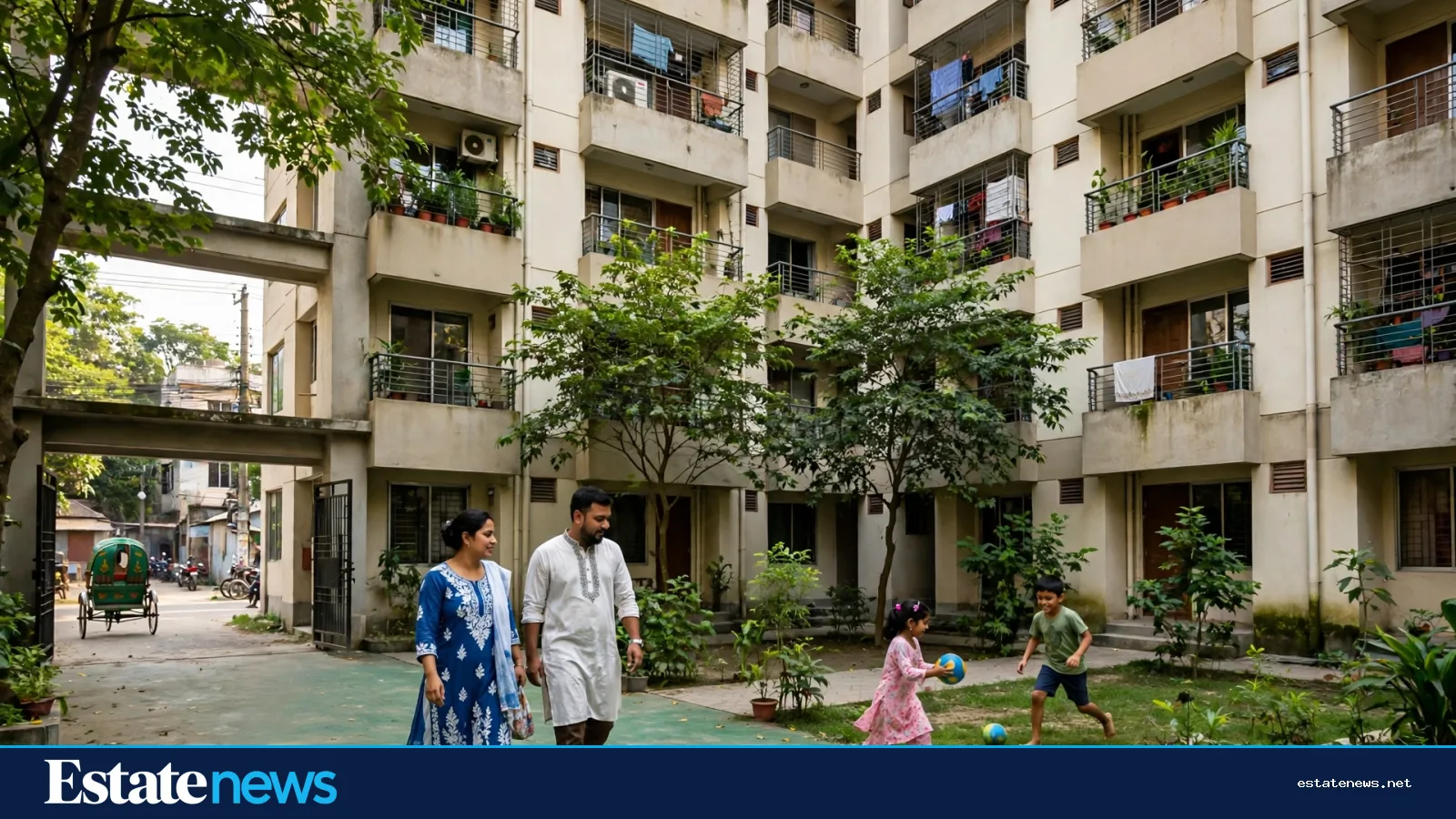
The Business Standard set out the gap in a recent analysis. An apartment building has one roof but many meters. The owner or association may pay for the system, while residents use the power through separate meters. In the example given in that analysis, 1,304 units were consumed on site and only 96 units were exported to the grid. The exported units can be credited under net metering. The on-site units, the bulk of the benefit, do not automatically create a matching credit for the person who paid.
That is not a technical failure. It is an accounting and trust problem. Who owns the roof space? How is the benefit shared between flats of different sizes? What happens when a top-floor owner wants the roof for a garden, and a ground-floor owner wants lower common bills? Without a written sharing rule, agreed before installation, a good solar plan can turn into a building dispute.
Renters add another layer. The Business Standard, citing Bangladesh Bureau of Statistics data, notes that 68.58 percent of households in city corporation areas live in rented homes. A tenant in Mirpur or Jatrabari has no roof to offer and little reason to invest in a building they may leave. Any scheme that only works for owners will miss most city households.
Costs, savings, and what to ask first
Costs vary with size, roof condition and whether batteries are included, so no single payback figure is honest for every building. Industry reporting gives a useful range. Muspana, the solar brand of Filament Engineering, puts a grid-tied system without a battery at up to around Tk 50,000 per kilowatt, with larger systems costing less per kilowatt, and a hybrid system with batteries at roughly double that. Panels take 45 to 50 percent of the bill. IEEFA estimates the levelised cost of rooftop solar at roughly Tk 3.5 to Tk 4 per kilowatt-hour.
Those numbers are a starting point for a quote, not a promise. A building association should ask a supplier for four things in writing: the expected generation for that specific roof, including shade from neighbouring buildings; the net metering arrangement and which meter gets the credit; who maintains the panels and the inverter, and at what cost; and what happens to the panels, the roof waterproofing and the common areas at the end of the agreement.
A shared roof can work for solar in Dhaka. It needs what Dhaka buildings often lack on paper: a clear agreement, a fair sharing formula, and space left over for water tanks, drying lines and the people who live under that roof. Get those right, and the panels stop being a poster on a brochure. They become part of the building, like the lift and the water pump, used every day and paid for fairly.