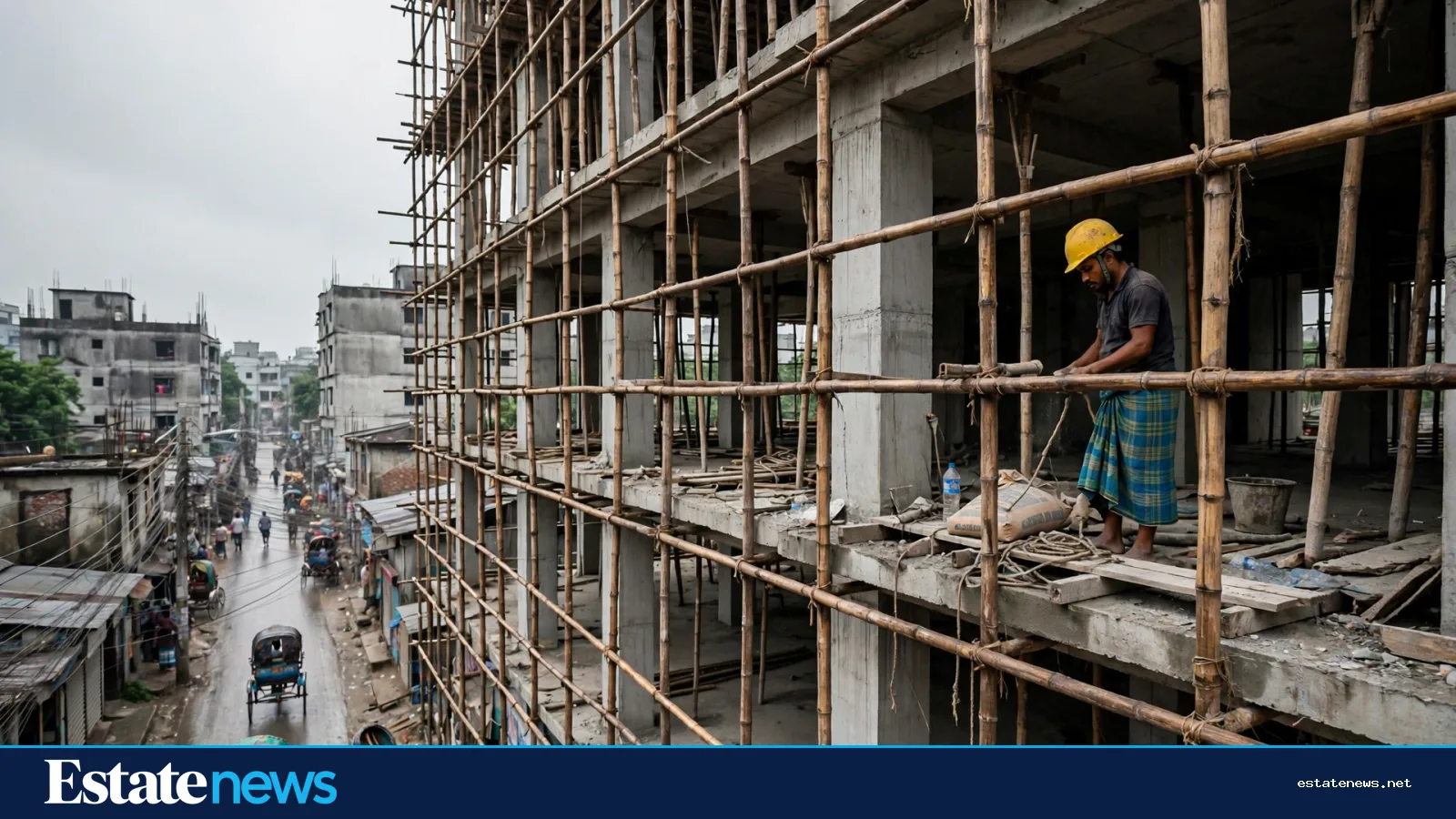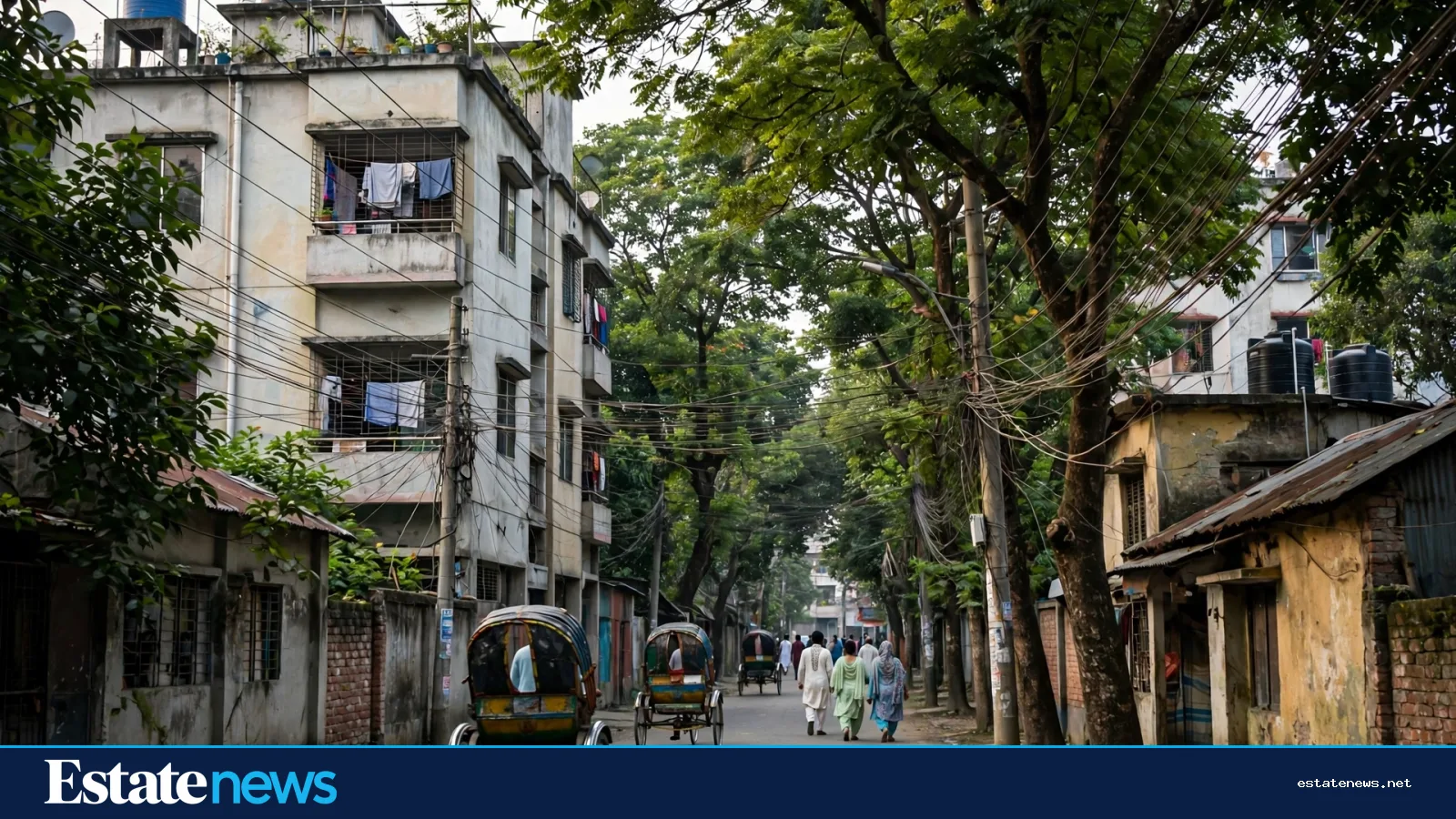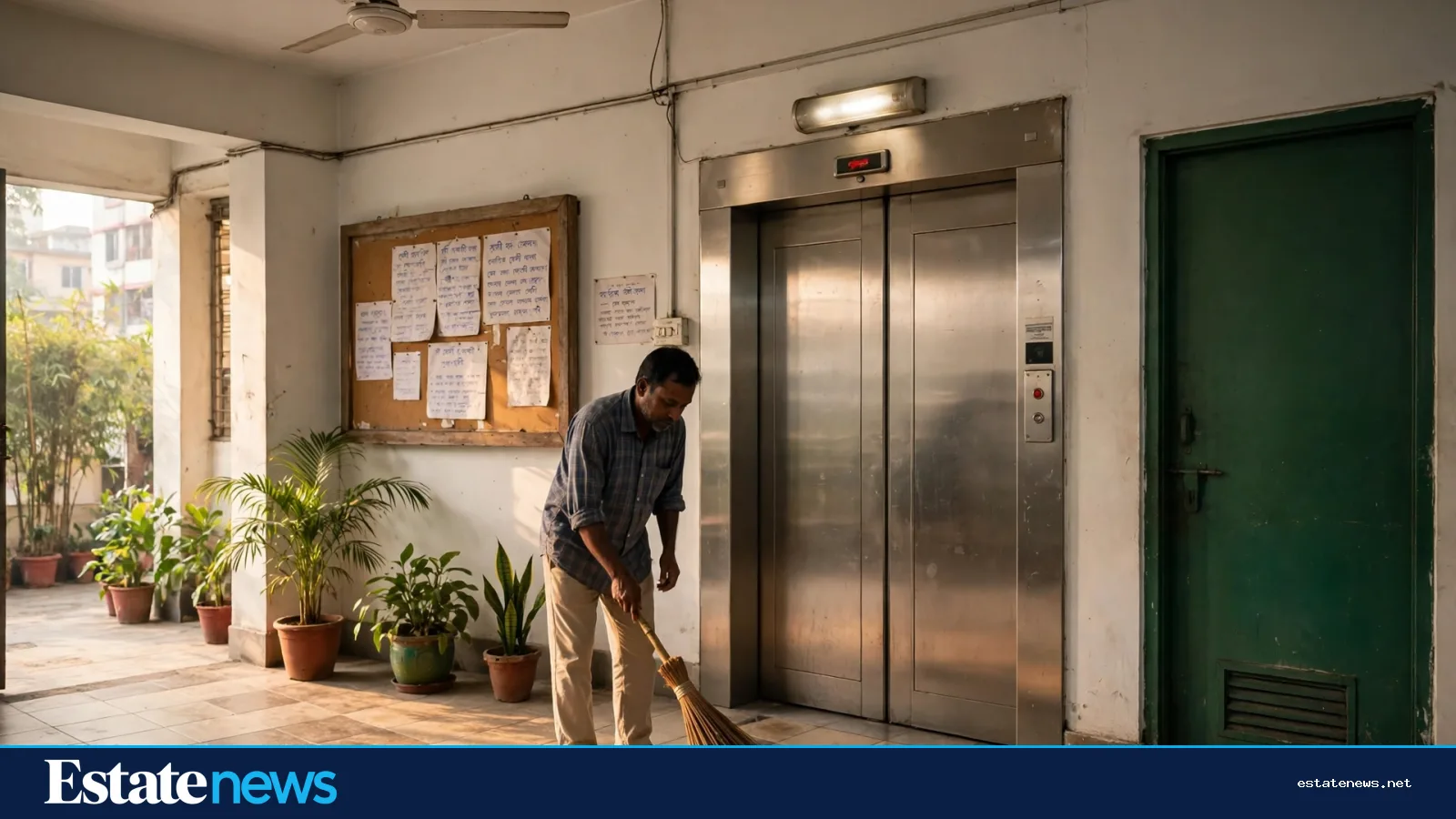
The handover ceremony is short. Someone hands over the keys, tea is served in paper cups, photographs are taken in front of the lift. Then the building starts billing. New owners in Dhaka often learn this in the second month, when the first service charge notice arrives and the amount is larger than the figure mentioned during the sale. It is not a surprise charge. It is the real cost of owning a flat, and it was there all along.
A flat is not a one-time purchase. It is a small share in a building that needs staff, power, water, repairs and tax payments every year. The purchase price buys the share. The annual bills keep it standing.
The service charge is the monthly reality

The service charge is the bill owners meet most often. It pays for the caretaker and security guards, cleaning of the stairs and lobby, lift operation and servicing, the generator and its fuel, water pumping, common electricity and the small repairs that never stop in a Dhaka building. The amount is set by the flat owners association, usually in a general meeting, and it is commonly divided by the size of each flat, so a larger flat pays more. Buildings with more facilities charge more: a building with two lifts, a generator and a rooftop garden costs more to run than a six-storey walk-up with a single caretaker.
What catches new owners out is the way the charge moves. A lift breakdown can add a special collection. A generator that needs a major repair can mean an extra bill that month. A building where several owners delay payment pushes the burden onto the owners who do pay. Before buying a resale flat, ask the association for the last six months of service charge notices. The pattern tells you more than any single month's figure.
Holding tax, paid to the city corporation
Separate from the service charge is holding tax, paid to the city corporation on the property. It is assessed on the property's value and location, and the receipt matters beyond the money: an updated holding tax record is one of the documents that proves ownership is in order, alongside the registered sale deed and the mutation certificate. Owners who let holding tax fall into arrears find the gap at the worst moment, when they try to sell or take a loan against the flat.
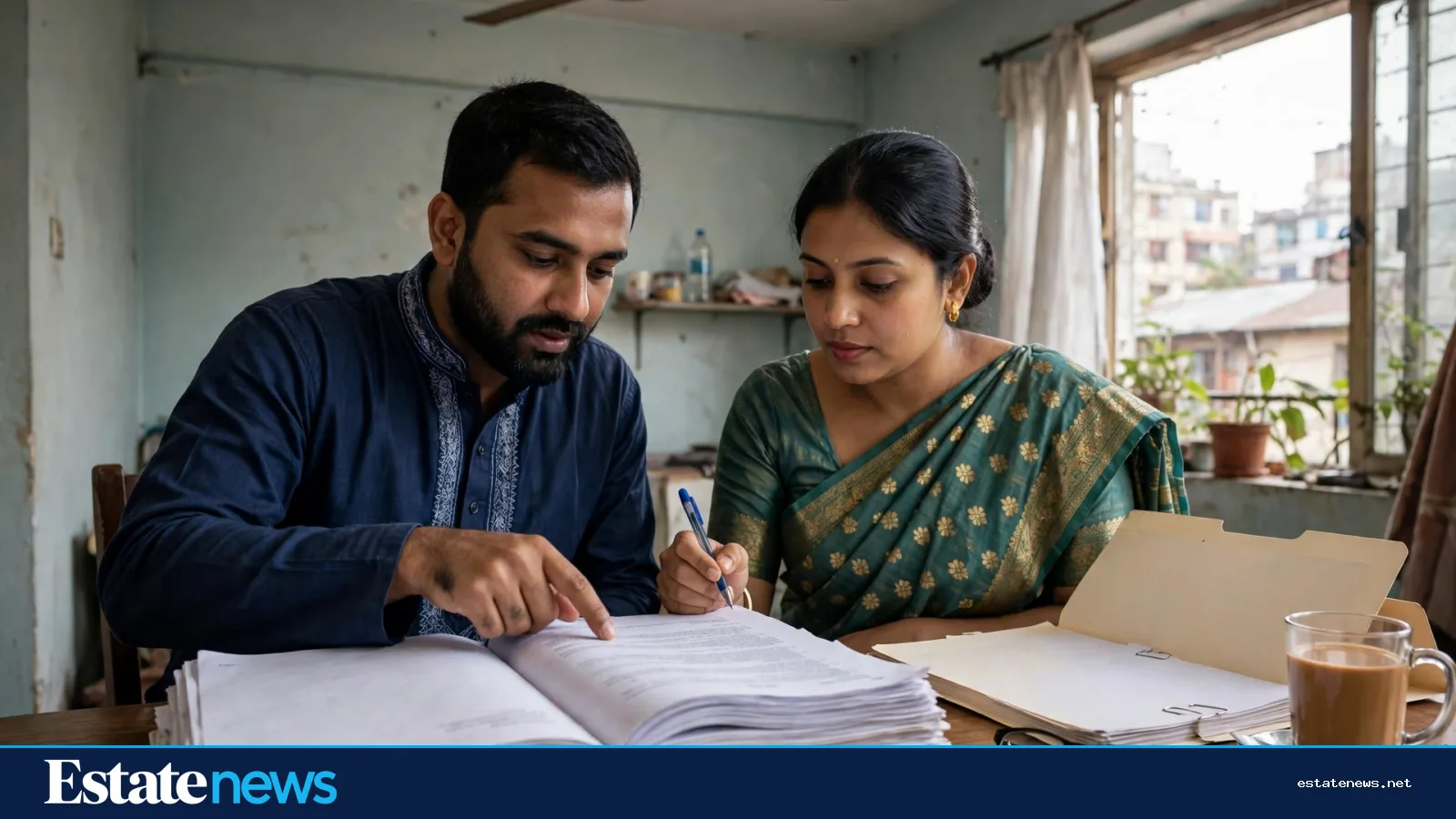
The habit that saves money here is dull but effective. Pay on time, keep every receipt in one folder, and check the assessment when it changes. A flat whose holding tax record is current sells faster than one whose papers need untangling.
The lift, the generator and the water pump


Three machines decide whether a Dhaka building feels comfortable or not, and all three age in public. A lift needs a service contract and periodic part replacement. A generator needs fuel, oil and battery changes, and it is tested hardest during load shedding and the summer months. A water pump runs daily, and a building with low municipal supply pressure leans on it constantly.
None of these is the owner's personal machine, and that is the point. The cost is shared, which keeps it affordable, but the decision is shared too. An association that postpones lift servicing to save money pays more later, when a breakdown strands residents and a part has to be ordered at short notice.
The repairs reserve
Every building has a slow list: the roof needs waterproofing, the boundary wall needs repair, the water tank needs cleaning and a new cover. Individually these look small. Together they are the reason a building either holds its value or slides.
Good associations keep a separate repair or sinking fund, collected monthly in a small amount, so a roof repair does not become a sudden demand for a large sum. The test for a buyer is simple. Ask whether the building has a repair fund, how much is in it, and when the roof was last treated.
Insurance and the cost of staying put
Building insurance is the bill most owners never think about. A fire, a short circuit in the common wiring, a water tank failure: the damage is shared by everyone in the building, and an uninsured building leaves each owner to carry the cost alone. Some associations insure the building; many do not. It is worth asking, and worth raising at a meeting if the answer is no.
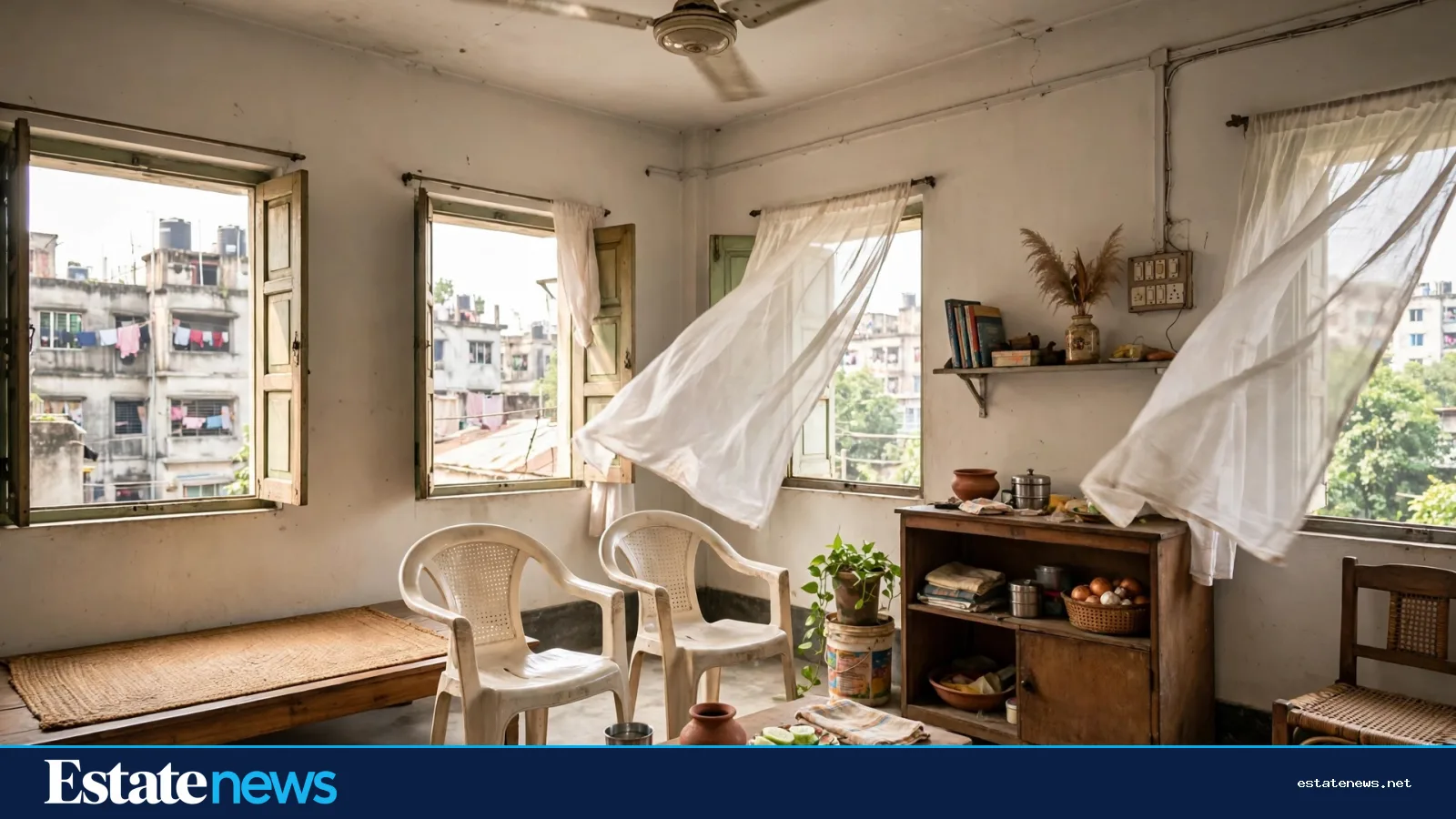
There is one more annual cost, and it is the quietest. Things inside the flat wear out on their own schedule: a bathroom fitting, a kitchen tap, a window frame that no longer shuts in the rain. A small yearly provision for inside-the-flat repairs, set aside even when nothing is broken, turns these from emergencies into errands.