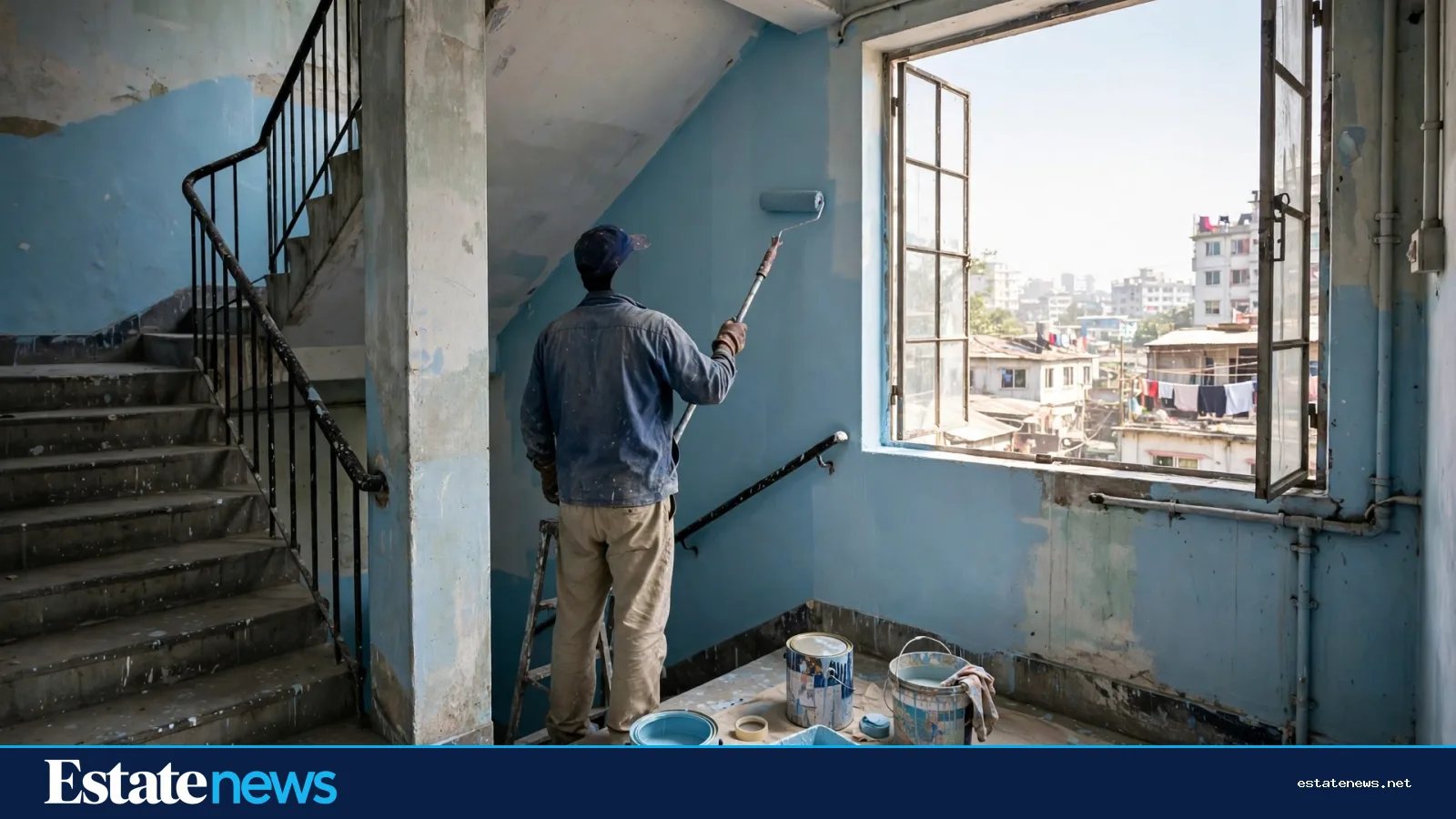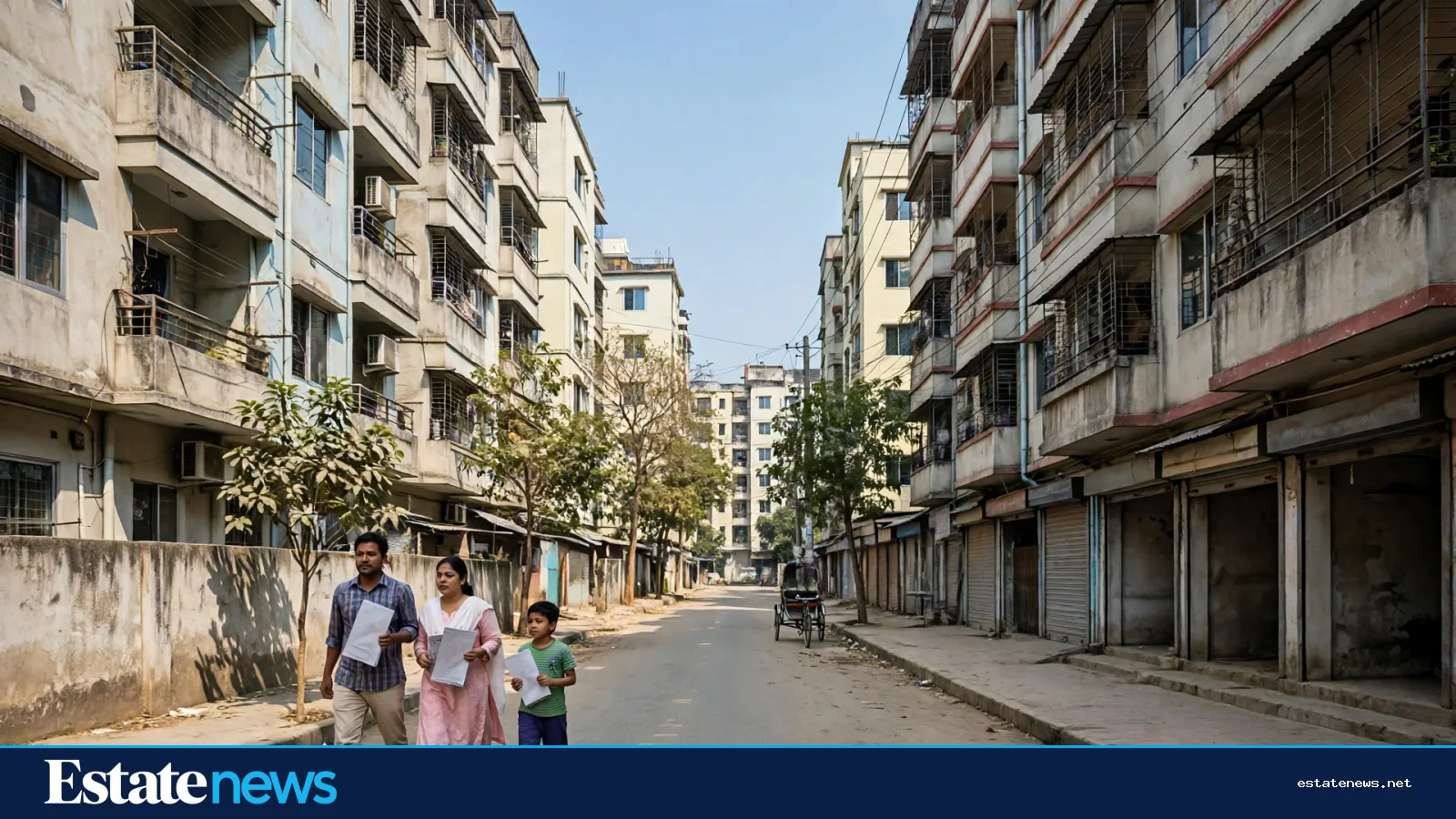
November has a particular feeling for Dhaka's tenants. The monsoon is over, the air is drier, and the city's rental market stirs. Families who have been putting off a move start visiting flats in earnest. Landlords whose tenants are leaving list fresh. Leases signed a year ago come up for renewal, and the conversation about next year's rent begins over tea in a drawing room or in a short phone call from a caretaker. None of this shows up in a single citywide rent figure, because there is no such figure worth trusting. What exists is a set of asking rents, area by area and building by building, and the gap between asking and agreed rent is where a tenant's money is won or lost.
This piece deliberately carries no single rent table. Estate News tracks asking sale prices in its area-price work, where listing medians can be stated with a method. Rents are thinner data: listings vary by furnishing, floor, facing, service charge and whether utilities are included, and a median pulled from unlike listings would mislead more than it informs. What follows is how to read the November market honestly, and what to compare before signing.
Asking rent is an opening, not a price

Every tenant meets the asking rent first. It is the number on the listing, the number the caretaker quotes, the number a broker repeats with confidence. Treat it as an opening position. Landlords who have had a flat empty for two months negotiate differently from landlords whose flat was vacated last week and already has three visitors. A flat listed at a firm figure in Gulshan or Dhanmondi may stay at that figure because the owner can wait. A similar flat in Mirpur or Uttara, where more stock competes for the same salaried tenants, may move by a meaningful amount after a straight conversation.
Why the same size costs so much more in one area than another
A two-bedroom flat near Gulshan or Banani and a two-bedroom flat in Mirpur are not the same product with different price tags. The first buys proximity to offices, embassies, international schools and a commercial life that runs late. The second buys room, often at a lower monthly outlay, near metro stations, schools and a large community of salaried families. Uttara sits between those poles for many tenants: planned sectors, wider roads, and a long-established family population, with rents that reflect both the planning and the distance from the old commercial centre.
The costs hiding beside the rent
Asking rent is rarely the whole monthly bill, and November is the month to pin the rest down before signing. Service charges vary widely by building: a tower with full-time staff, two lifts, a generator and a swimming pool charges differently from a six-storey building with a single caretaker. Ask what the charge covers, whether it rises during the year, and what arrears the previous tenant left behind.
Utilities need the same direct questions. Is gas supplied by line or cylinder, and who pays for refills? Is water from the city supply, a deep tube well, or both, and how does it behave in the dry months? Does the building's generator cover the whole flat or only lights and fans? Is there a separate charge for parking, and is the parking space actually available or only promised? Each answer changes the real monthly cost, sometimes by thousands of taka, and none of it appears in the headline rent.


Deposits and advance payments deserve equal care. Dhaka practice varies: some landlords ask for one month's advance, others for more, and the terms for return are often left vague until moving-out day. Put the amount, the conditions for return, and the notice period in writing, in the agreement itself, not in a verbal assurance. A tenant who leaves after a year should not have to negotiate the return of their own money from scratch.
November timing: use it, do not be rushed by it
There is a seasonal rhythm to Dhaka renting, and November sits inside it. Families prefer to move when the weather is kind and before the school calendar turns again. Landlords know this, and the best flats in popular areas move quickly at this time of year. That speed creates pressure, and pressure is the tenant's enemy.
A short checklist for the signing table
Before money changes hands, a tenant can run through a short list that covers most November disputes before they happen.
- The agreement in writing: rent, advance, service charge, notice period, and who pays for what repairs.
- The flat as it stands: water pressure, drainage, electrical points, door and window fittings, and any damage noted in writing with the caretaker present.
- The building's services: lift, generator, water supply, security, and parking, checked in person rather than described.
- The neighbourhood at two times of day: commute, school run, market, and the lane after dark.
- The exit terms: how much notice, how the advance returns, and what condition the flat must be left in.
Reading November without a false number
A market report that printed a single average Dhaka rent this month would look precise and be wrong. Rents here are agreed flat by flat, in buildings of different ages, in lanes with different water and different light. The honest November picture is a busy, competitive market in which prepared tenants, those who compare several flats, ask about total monthly cost, and put terms in writing, consistently do better than hurried ones.
That is the point of an Estate Index piece on rents: not to hand tenants a number to quote, but to hand them a method. Compare like with like. Count the whole monthly bill. Visit twice. Write it down. In a city where a home is the largest monthly expense most families carry, those four habits are worth more than any average.