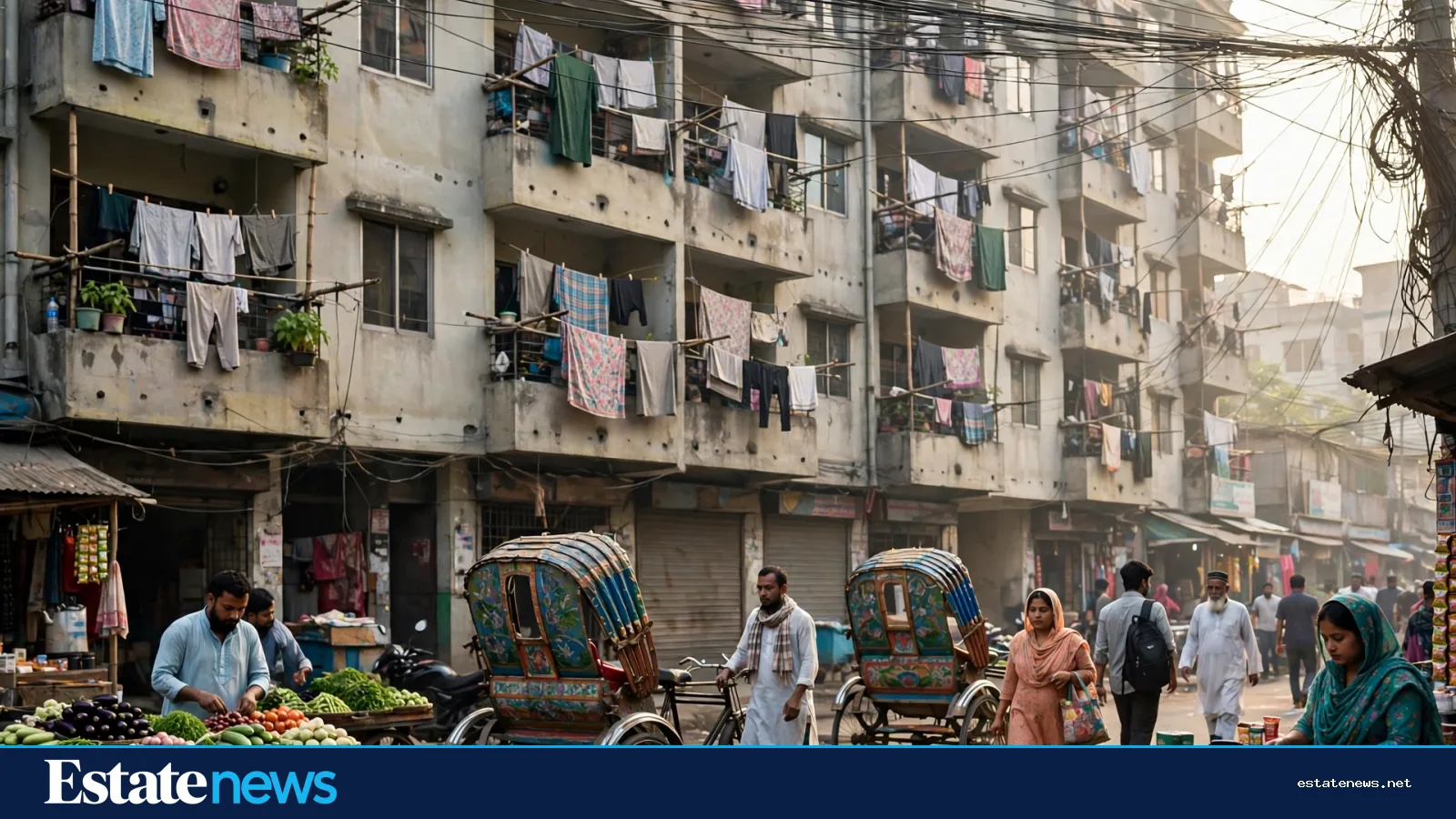

A family finds a flat it likes. The price is Tk 1 crore. The booking money is paid, the loan is arranged, and everyone relaxes. Then the real bill arrives, in pieces, at the sub-registry, the bank and the furniture shop. The flat needs several lakh more before the keys are useful, and that is the part a careful budget should count first.
Start with the government charges. They are not one fee but a stack, and each one is set by a different rule. The rates below follow the site's published calculator guide, cross-checked against 2026 guides to registration costs: stamp duty 1.5 percent of the deed value, a registration fee of 1 percent, local government tax of 2 percent in city corporation areas and 3 percent outside them, and VAT on a new flat of 2 percent up to 1,600 square feet and 4.5 percent above that. Source tax on the transfer is charged separately and varies by area. Mutation, the recording of the new owner's name at the land office, costs Tk 1,170 in official fees.
The worked example: Tk 1 crore, new flat, city corporation

Take a new flat of up to 1,600 square feet, bought in a city corporation area, with a deed value of Tk 1 crore. Stamp duty at 1.5 percent is Tk 1,50,000. The registration fee at 1 percent is Tk 1,00,000. Local government tax at 2 percent is Tk 2,00,000. VAT at 2 percent is Tk 2,00,000. The four together come to Tk 6,50,000. Source tax sits on top of that, at a rate that depends on the area and the property class, and the mutation fee of Tk 1,170 follows at the land office.
A larger flat changes the sum sharply. Above 1,600 square feet, VAT rises to 4.5 percent, which on a Tk 1 crore deed value is Tk 4,50,000 instead of Tk 2,00,000. The four charges then come to Tk 9,00,000 before source tax. A buyer choosing between a 1,550 square foot flat and a 1,650 square foot flat is not choosing between similar bills. The extra 100 square feet carries an extra Tk 2,50,000 in VAT alone.
A resale flat is different again. There is no VAT on a sale between individuals, but the stamp duty, registration fee, local government tax and source tax still apply. Published guides put the total for most urban transactions at roughly 8 to 14 percent of the deed value once every charge is counted. The exact figure depends on the mouza, the area class and whether the seller is a developer.
The money after the registry


The sub-registry is not the end of the spending. A home loan brings its own charges: a processing fee, a valuation fee, and often insurance that the bank requires. The bank usually lends up to 70 percent of the price, so a Tk 1 crore flat needs Tk 30 lakh of the buyer's own money as a down payment, before the registration costs are counted. A buyer who has saved exactly Tk 30 lakh has saved enough for the loan, and not enough for the flat.
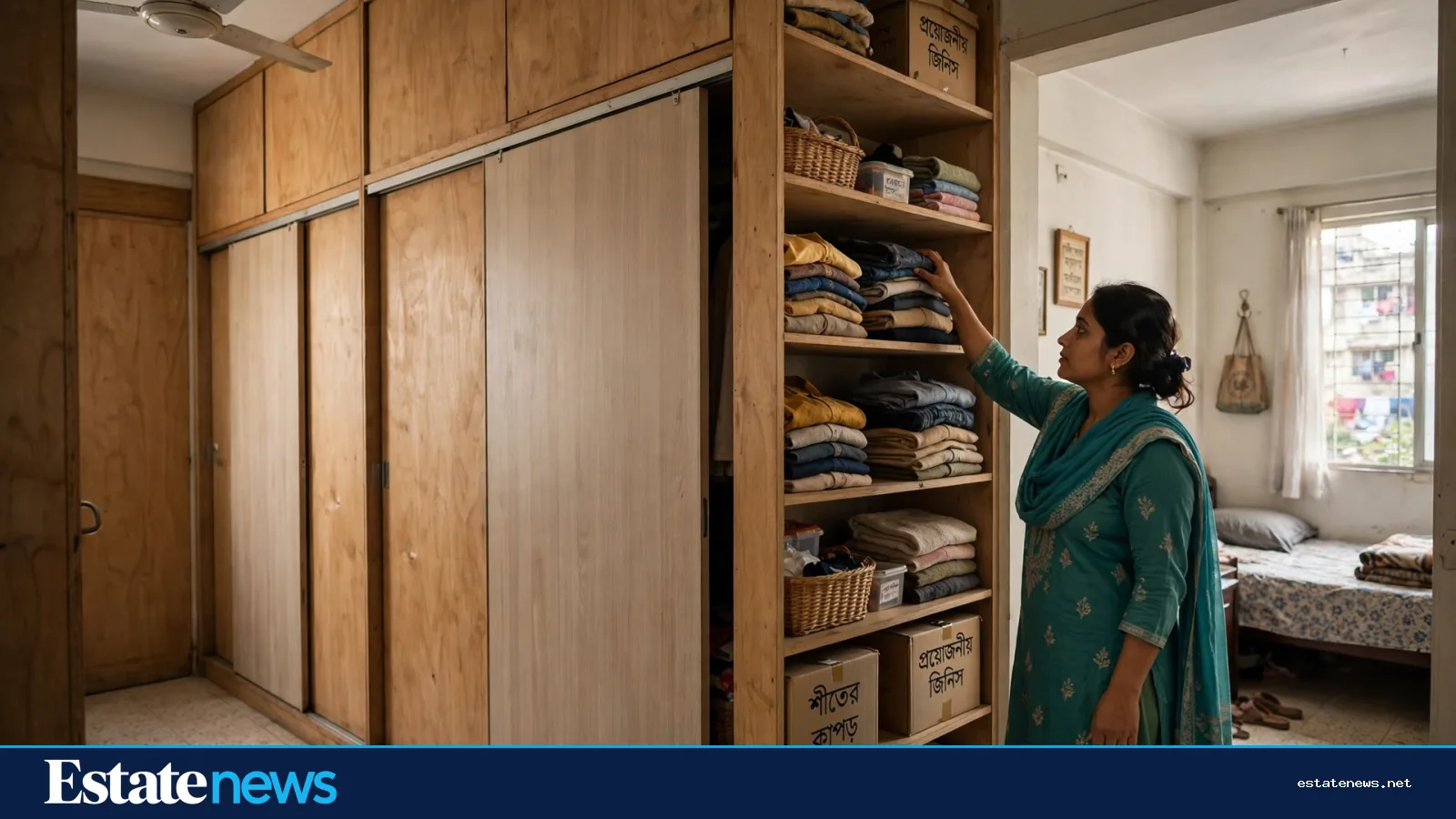
Then comes the flat itself. A new flat is handed over bare: no fans, no lights, no kitchen fittings, no grilles. Furnishing a 1,200 square foot flat to a livable standard takes several lakh taka, and families that budget Tk 5 lakh often spend more. Add the first year's holding tax, the service charge, and the gas and water connection deposits. Together they are why so many new owners move in with an empty drawing room and a loan they had not planned for.
How to budget so the keys arrive on time
Keep three pots of money separate. The first is the price of the flat. The second is the government cost: set aside 10 percent of the deed value, then adjust once the exact source tax for the area is known. The third is the moving-in cost, written down line by line: fans, lights, kitchen, grilles, curtains, and a month of service charge.
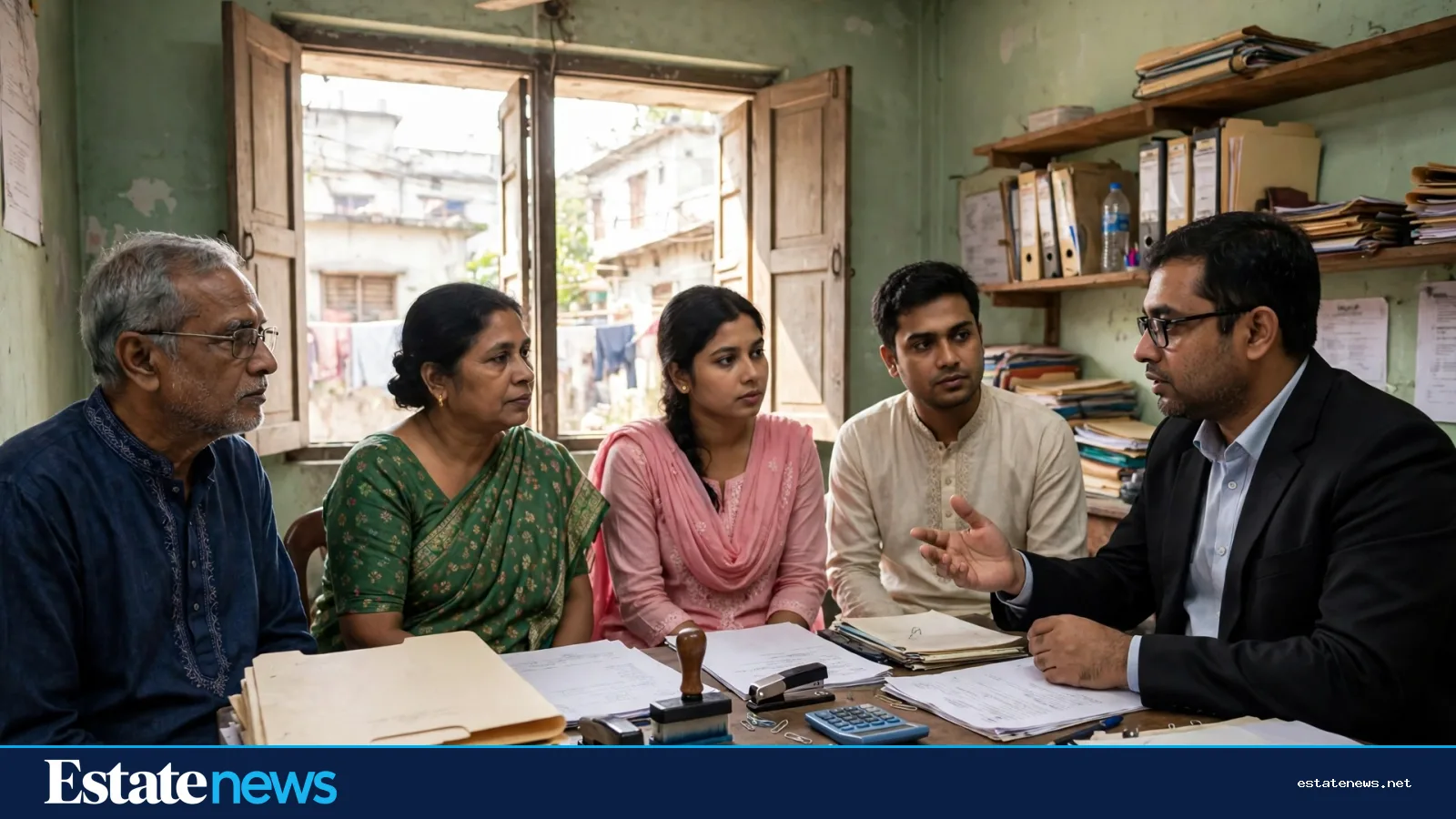
Ask the developer for the cost sheet in writing before booking, and ask which charges the quoted price includes. Some developers include VAT and some do not, a difference of Tk 2 lakh on a Tk 1 crore flat. Ask the bank for the full loan cost sheet too, including the processing fee and any insurance. A loan that looks cheap on the interest rate can cost more once the fees are added.
The flat is the biggest purchase most Dhaka families ever make. The sticker price is the part everyone talks about. The part that decides whether the move happens smoothly is the money counted after it. Count that first, and the keys will arrive without a second loan.