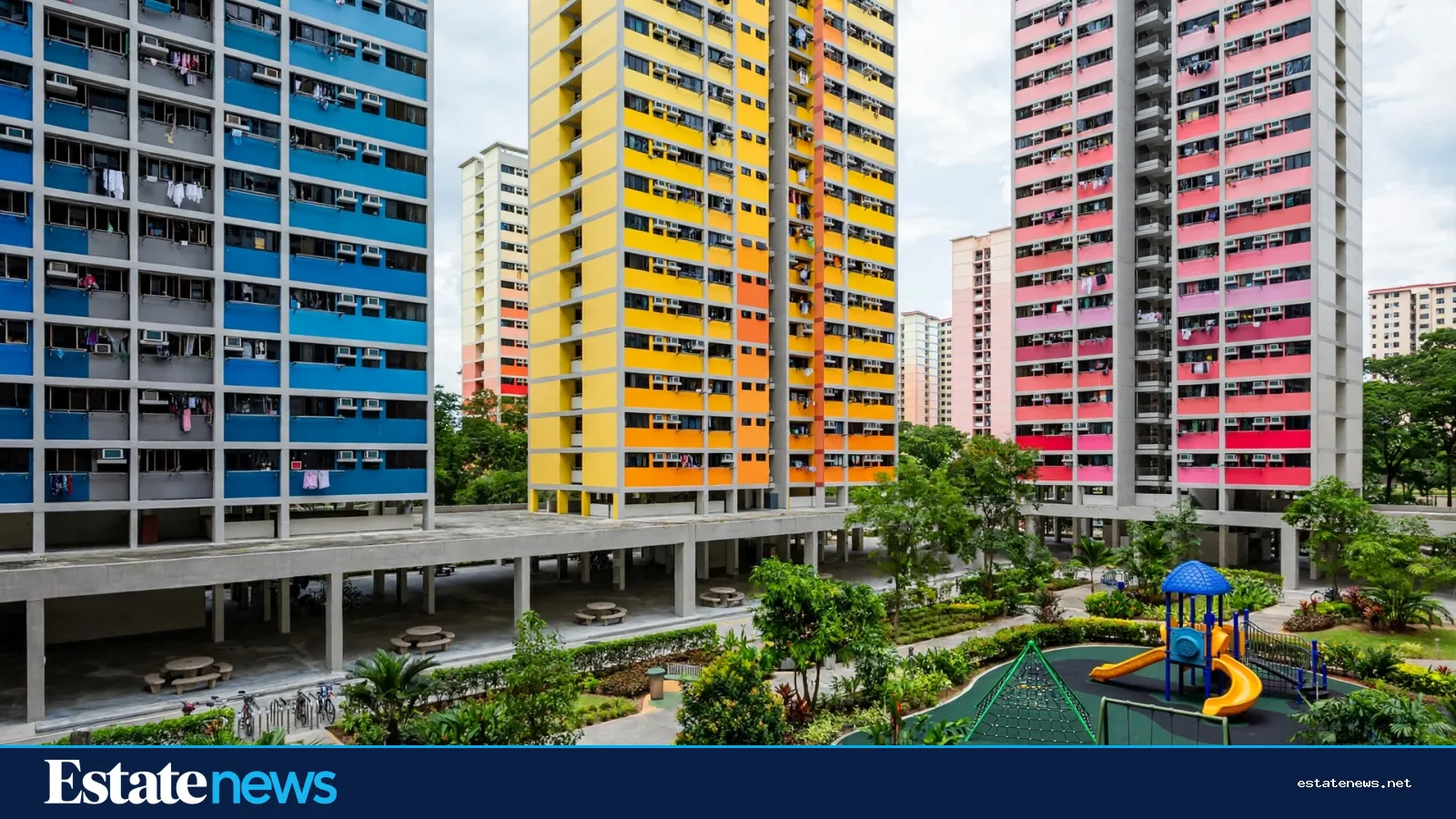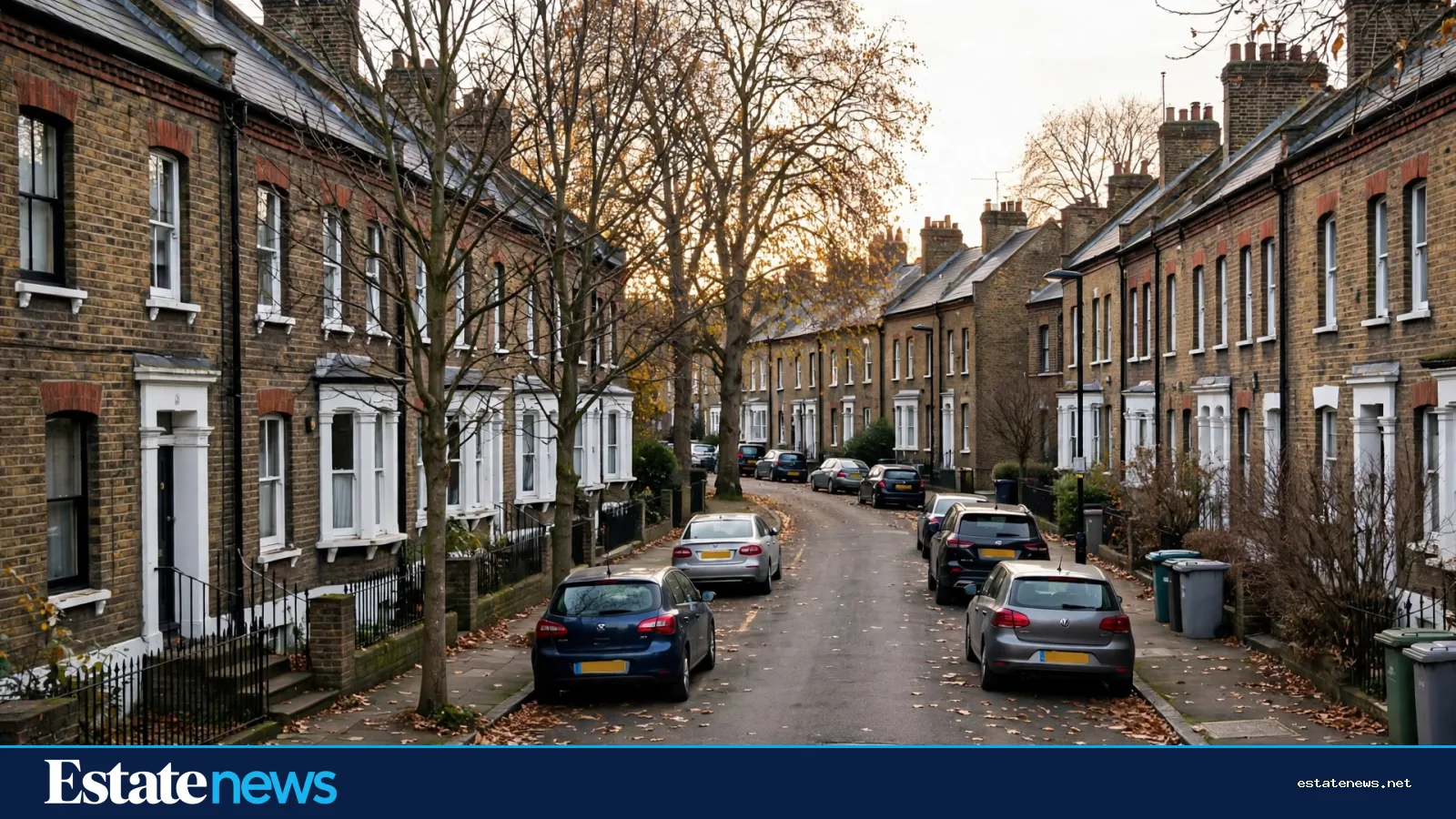
For years, buying a home in Britain felt like joining a queue that only moved one way. Prices rose fast, homes sold quickly, and buyers from abroad, including Bangladeshis settled in London or saving from Dhaka, often felt they had to decide in days. That mood has changed. The market has cooled: price growth has slowed, homes in many areas take longer to sell, and buyers have more room to ask questions before committing.
A cooler market is not a falling market everywhere, and it is not a bargain signal by itself. London behaves differently from Manchester, Birmingham or smaller towns, and flats behave differently from houses. Any general statement about "UK prices" hides those gaps. A buyer should start with one city, one property type, and one budget, and judge that slice on its own evidence.
What slower selling times give a buyer

Time is the main gift of a slower market. A home that sits unsold for weeks gives a buyer space to check the lease on a flat, the service charge history, ground rent terms, and the condition of the building. Leasehold flats, common in London, carry obligations that freehold houses do not, and service charges can rise sharply after major works. These documents matter more than a fresh coat of paint.
Surveys deserve the same patience. A structural survey on an older terraced house can reveal damp, roof work or subsidence history that changes the price a buyer should pay, or whether to proceed at all. In a fast market, buyers sometimes skipped this step. In a slow one, skipping it is harder to justify.
Costs beyond the purchase price
Non-resident buyers face a cost stack that resident buyers do not. Stamp duty rules treat additional properties and non-resident buyers differently, and the bill can be large. Legal fees, survey costs, mortgage arrangement fees where a loan is available to a non-resident, and ongoing costs such as service charges, insurance and letting agent fees all sit on top of the headline price.


Currency adds another layer. A buyer earning in taka and buying in pounds carries exchange-rate risk across the whole purchase and any later sale. A move in the rate between agreeing a price and completing can change the taka cost by a noticeable amount. Anyone buying from Bangladesh should discuss that exposure with a bank or adviser before, not after, making an offer.
Rent is not a promise
Many overseas buyers justify a purchase with expected rent. A cooler sales market does not guarantee a strong rental market in the same street, and rents depend on local jobs, transport and tenant demand. Void periods, maintenance and agent fees cut into gross rent, and tax rules for non-resident landlords add paperwork and cost.
The sensible question is not "what rent could this earn" but "what rent has this street actually achieved, after costs, and what happens if the flat sits empty for two months". A letting agent's estimate is a starting point, not an answer. Ask for comparable lets, not just a single figure.
A steadier way to approach it
A slower market rewards buyers who move in order: choose the city and property type, confirm financing and tax treatment, read the lease and service charge history, commission a survey, and only then negotiate. Sellers in a cool market may accept a lower offer, but they will also respect a buyer whose paperwork is ready. Price matters, but readiness and due diligence matter just as much.
Britain remains a familiar market for many Bangladeshi families, with community ties, universities and work links that other overseas markets lack. That familiarity is a reason to look carefully, not a reason to hurry. In a cooling market, care is finally affordable. This article is informational only and is not financial advice, and it makes no promise about future prices or returns.