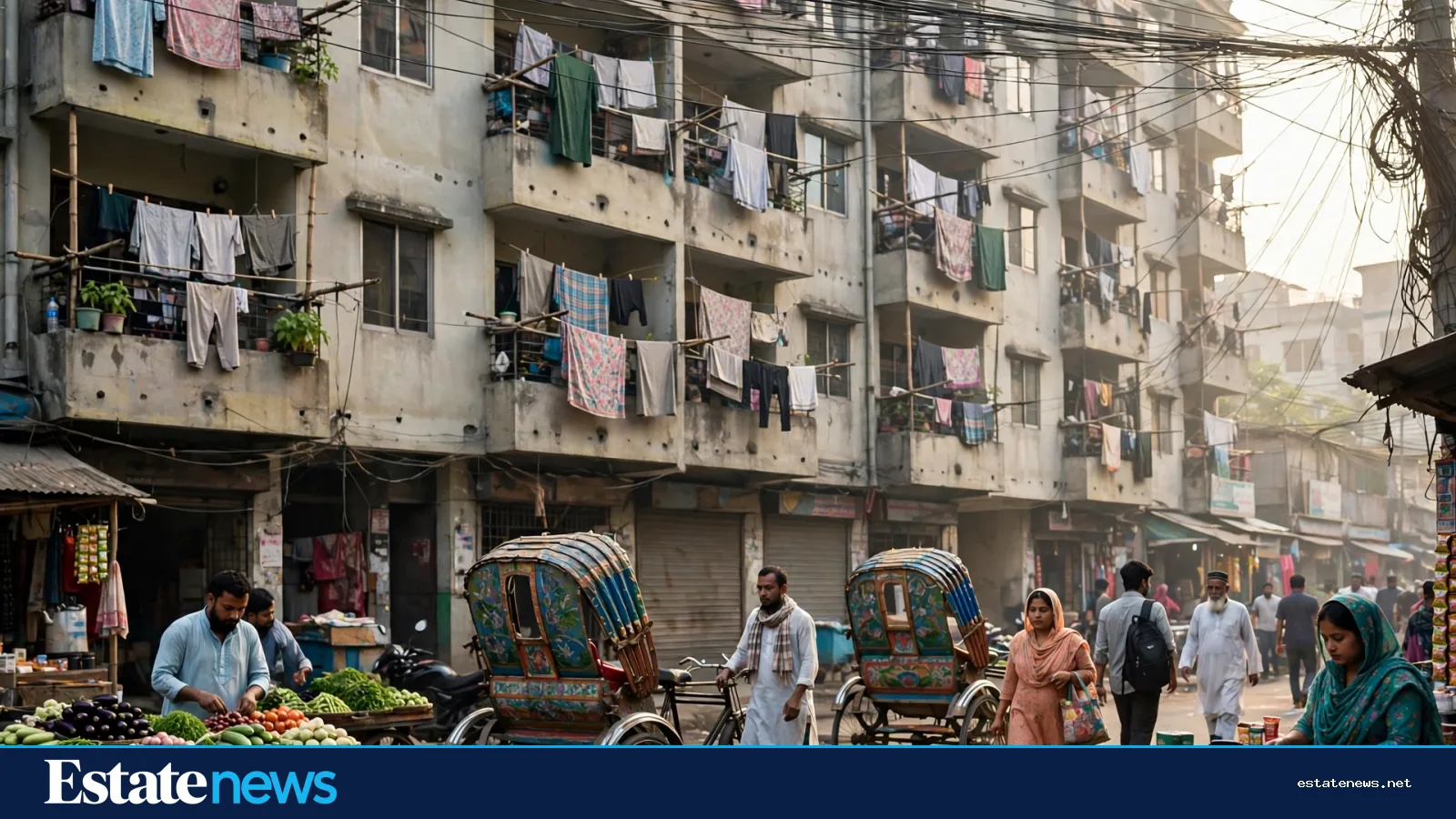
DHAKA: At half past six on a November morning, the light comes in low over the rooftops of Mirpur and falls across the balcony rail. It is thin light, not the hard glare of May, and it does not reach far into the room. By five in the evening it is gone. Today's forecast for Dhaka puts sunrise at 6:05 am and sunset at 5:17 pm, which leaves a short window for every sunlit job in the house: drying, warming a cold room, giving the plants their turn outside.
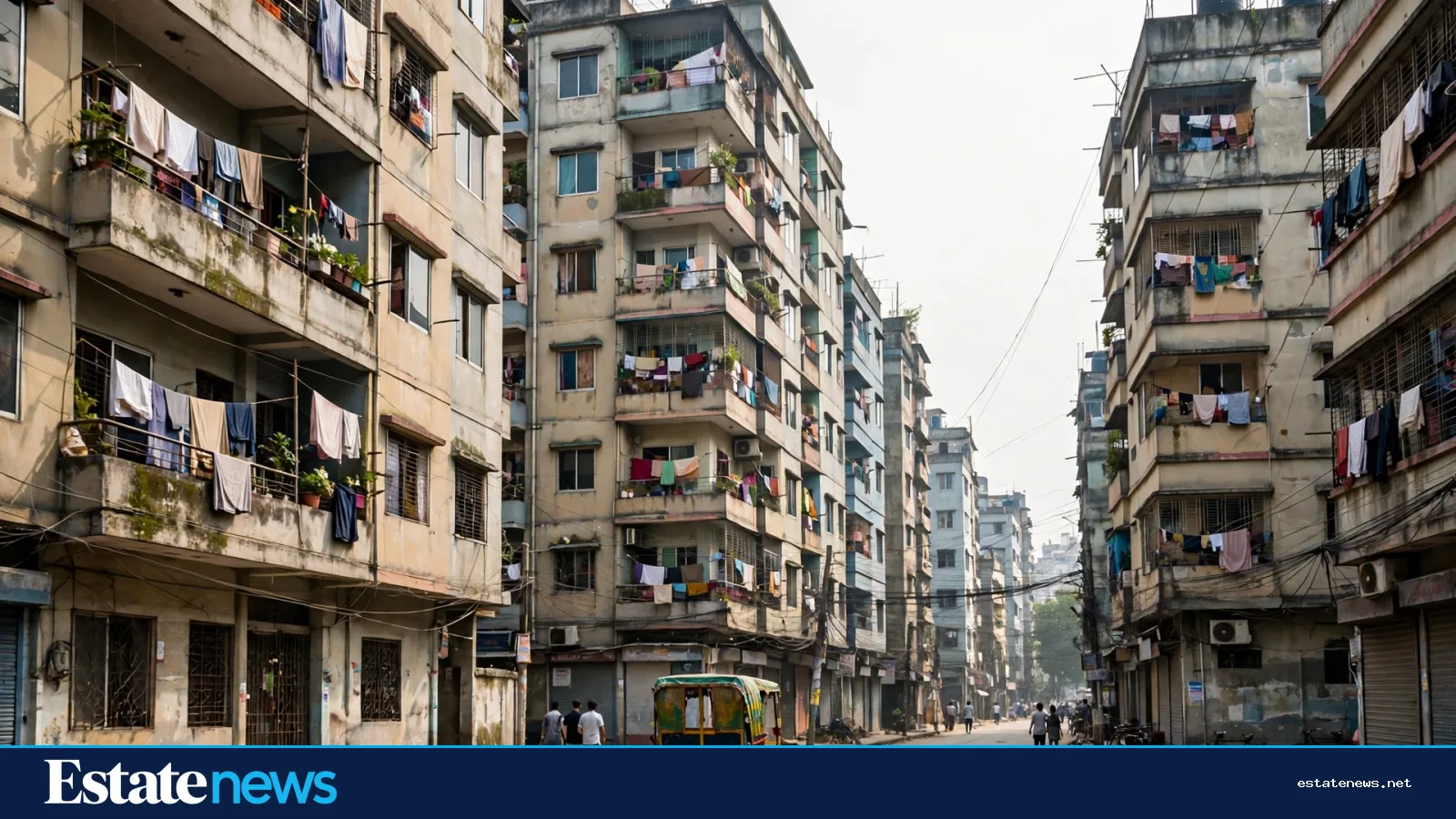
That short window is the whole point of winter in a Dhaka flat. The season is mild by most standards, yet flats here are built for summer heat, with deep shade, small openings and rooms that stay cool long after the sun has moved on. A south-facing room gets the better end of the deal. The sun rides lower in the south through winter, so it reaches deeper into a south-facing room than it does in June. A west-facing room gets a brief, sharp spell late in the day and then cools fast. A north-facing flat, common in the tighter blocks of old Dhaka and parts of Uttara, may see no direct sun at all for weeks.
Start with the glass. Dust builds up fast in Dhaka in the dry months, and a filmed-over window can cut the light a room gets by a visible amount. The Daily Star's winter plant advice makes the same point for leaves: wipe them with a damp cloth so they can take in light properly. Windows deserve the same wipe, inside and out where the grill allows it. A curtain that stays half drawn through the day out of habit is doing the same quiet damage. Pull it fully back in the morning, even in a room nobody sits in until evening.

Put the day's work where the sun falls
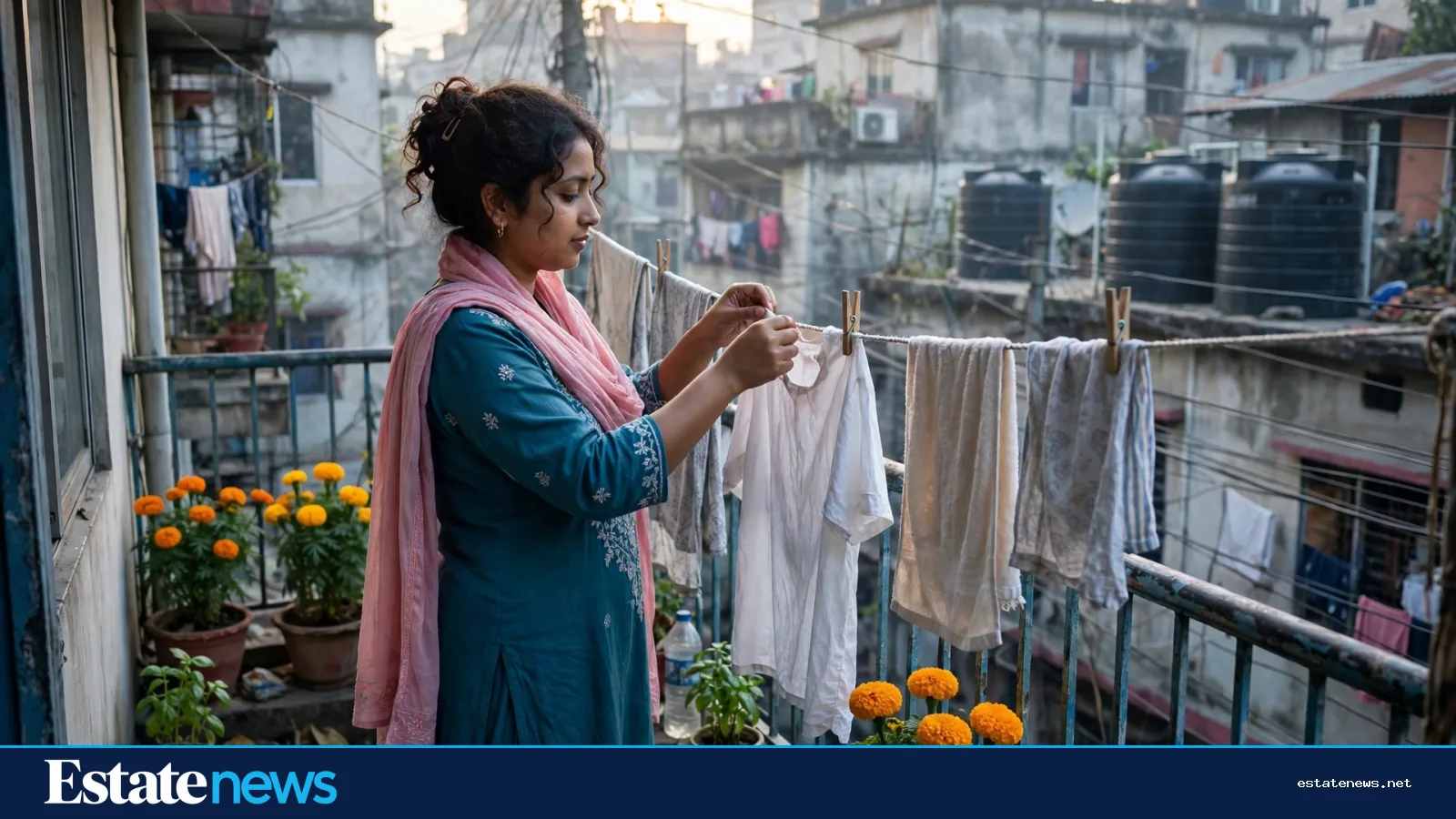
Drying is where winter sun pays most directly. A balcony that faces south or east will dry a load hung out at eight in the morning well before the damp evening air settles. A north balcony will not, and clothes left out there after dark pick up moisture again. In that case, bring the rack in by late afternoon and stand it near the sunniest window, or near moving air from a fan, rather than leaving it out overnight. Heavy items, towels, bed sheets, jeans, go on the outer line where air moves. Light items dry anywhere.
The same patch of sun can warm a room if it is allowed to. A chair, a reading corner, a child's study table placed in the sun's path for these months will feel different from the same furniture pushed against a shaded wall. Dark cushions and a rug on the floor where the sun lands hold a little warmth into the evening. Nothing here needs buying. It is a rearrangement, and it reverses again in March when the heat returns.
Plants through the cooler months


Winter is kinder to balcony plants than summer, in one way: the soil stays moist longer because less water evaporates. The Daily Star's winter care notes advise feeding less and watering less while growth slows, since the plants are not pushing new growth the way they do in the rains. That advice fits Dhaka, where winter days still turn warm and gardeners sometimes keep to a summer watering habit out of routine. Check the soil with a finger before watering. If the top layer is still damp, wait.
What changes is light, not cold. Dhaka does not get frost, so the worry is shade rather than temperature. Pots that spent the monsoon under a deep overhang may now sit in gloom all day. Move the sun lovers, marigolds, portulaca, chilli, tomato in a pot, to the brightest edge of the balcony. Leave the shade-tolerant ones, money plant, snake plant, ZZ plant, where they are; they cope with a dim corner and ask little in return. A trellis or a grill lets a creeper climb into light that never reaches the floor of a narrow balcony.
Dust matters for plants as much as for glass. Wipe broad leaves now and then. Turn each pot a quarter turn every week or so, so growth does not lean hard toward the one bright side. And watch the weight: a row of wet clay pots along a railing loads the edge of a balcony in a way a single pot does not. Keep the heaviest pots on the floor, close to the wall.
The small habits that add up
A flat that feels gloomy in November usually suffers from several small things at once, not one big fault. A mirror on the wall opposite a window throws light back into the room. A pale bedsheet or curtain in the sunniest room reflects more than a dark one. A bookshelf or wardrobe parked in front of the only window in a bedroom blocks both light and air. None of these are renovation jobs. They are an afternoon's moving.
Evenings deserve a thought too. Once the sun goes, a Dhaka flat cools slowly, and the temptation is to close everything up. A room shut tight all night grows stale, and damp settles on walls that never see sun. Crack a window on the sheltered side for an hour in the evening, even in the cooler weeks, and let the air turn over. The flat will feel fresher in the morning, and the plants will not mind the moving air either.
Winter sun in Dhaka is brief, low and easy to waste. Used with a bit of attention, it dries the washing, warms the chair by the window and keeps a few pots flowering through months when the city outside turns grey. The sun will not come further into the flat on its own. The flat has to meet it halfway.