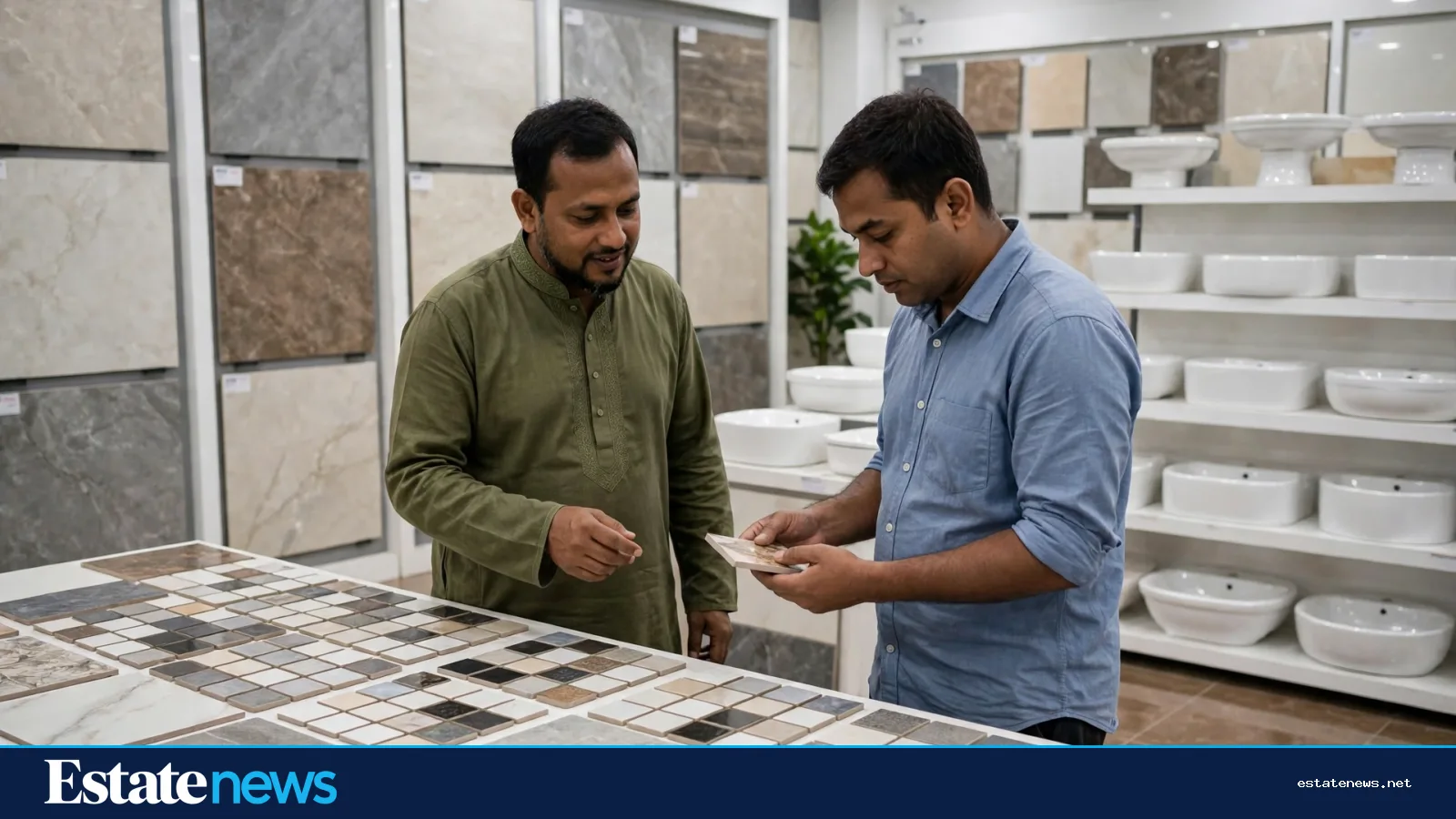
DHAKA: Walk into a tile showroom on Pragati Sarani or in Bangshal and the choice on the wall tells a story about the housing market before any price list does. Big polished slabs for living rooms, matt tiles for kitchens, small patterned pieces for a bathroom accent wall: each one is a decision a flat buyer or a developer made about how a home should look, and each one was, in many cases, made in Bangladesh.
Ceramics sit at the finishing end of construction. A building needs steel and cement to stand up; it needs tiles, basins and fittings before anyone can move in. That position makes the trade a useful late signal. When flats are being handed over, finishing orders flow. When handovers slow, showrooms feel it quickly. The latest published results from the largest listed name in the trade give a read on where that signal points right now.
RAK Ceramics PJSC, the Ras Al Khaimah-based group whose Bangladesh arm makes tiles and sanitaryware at its Sreepur plant in Gazipur, reported group revenue of AED 822.8 million for the second quarter of 2026, down 0.5 percent from a year earlier, according to its August 2026 earnings presentation. Tiles, its largest segment, grew 1.7 percent to AED 482.5 million, with higher sales in the UAE, Saudi Arabia and Bangladesh named as the support. Sanitaryware fell 6.9 percent to AED 113.1 million on weaker sales in India, Europe and other export markets.

Bangladesh demand stood out in the quarter
The Bangladesh line in that presentation is the one local readers should note. Revenue from Bangladesh rose 20.7 percent from a year earlier to AED 59.0 million in the quarter, which the company put down to strong domestic demand despite the Eid holidays in May. The group added that it had begun work aimed at regaining market share in Bangladesh through a value-focused plan. Tableware, a smaller segment sold largely to hotels and restaurants, fell 13.3 percent to AED 73.6 million, with the group citing weaker hospitality demand in the UAE and Gulf markets amid regional conflicts. Faucets grew 2.5 percent to AED 125.4 million.
Read together, those lines describe a company leaning on its home region. Sales held up in the UAE, Saudi Arabia and Bangladesh while export markets elsewhere softened. For a Bangladeshi reader, the relevant part is simpler: demand for tiles and bathroom ware inside the country stayed firm through a quarter that included a major holiday break, when construction and retail both typically pause.
Why a tile order tracks a flat handover


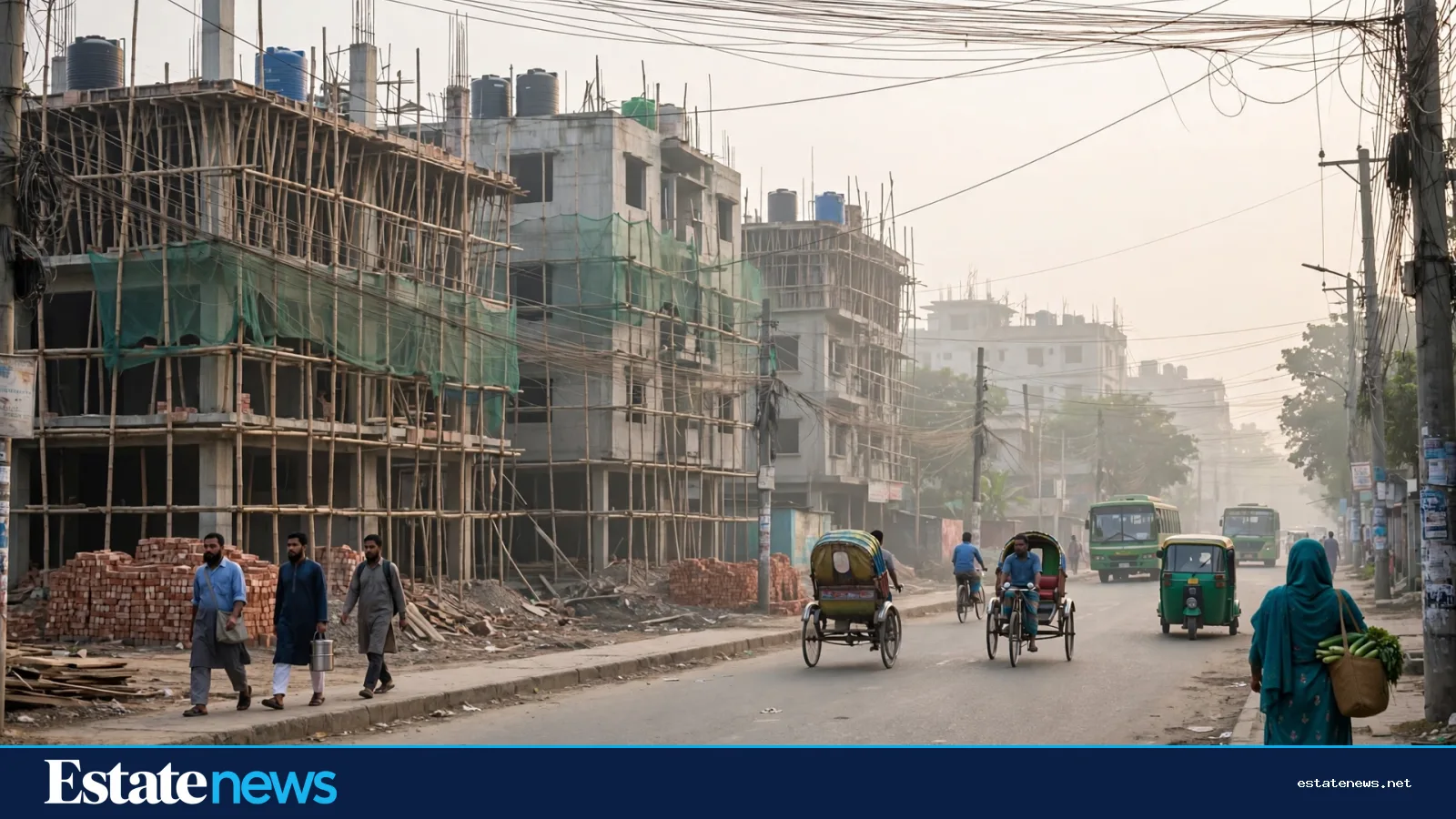
A developer orders tiles near the end of a project, not at the start. Piling, structure and brickwork come first; the finish schedule, floor by floor, comes when the building is weather-tight and the handover date starts to look real. A household renovating a flat orders in the same pattern, room by room, after the structural work is settled. That timing is why showroom traffic and factory dispatches tend to move a few months behind apartment launches and a little ahead of families actually moving in.
It also explains why ceramics makers watch the same things housing watchers do: how many projects reach finishing stage in Dhaka, Chattogram and the district towns, whether buyers are choosing larger formats that cost more per square foot, and whether builders are cutting back on specification when money is tight. A shift from polished to matt, from imported-look large slabs to smaller local formats, shows up in a showroom before it shows up in any housing index.
No published figure in the RAK presentation breaks out how much of its Bangladesh revenue came from developer projects and how much from retail buyers walking into a showroom. That split matters for anyone trying to read the housing cycle from ceramics alone, and it is not disclosed in the quarterly summary. The presentation does disclose the product mix at group level: tiles made up 58 percent of revenue, sanitaryware 14 percent, tableware 10 percent and faucets 15 percent in the period shown. Those shares underline how much of the business still rests on the most basic housing finish of all, the floor underfoot.
What to watch next
Three things will shape the next few quarters for the trade. The first is gas and energy cost, a standing pressure on kiln-based production that has disrupted output in the region before; the group's own presentation noted temporary production disruption from industry-wide gas shortages in Morbi, India, as a factor in its India sales decline. The second is the pace of flat handovers in Bangladesh, which sets the order book for tiles and sanitaryware more directly than any export trend. The third is price competition at the retail end, where local makers compete with imported tiles on design and finish while buyers compare every sample on the wall.
For a buyer finishing a flat, the practical read is unglamorous and useful. Check batch shade before accepting a delivery, since tiles from different batches can differ slightly in tone. Order a few spare pieces for later repairs; a design discontinued next year cannot be matched. And remember that the tile on the wall is the last large purchase in a building project, which makes it the easiest place to overspend after months of careful budgeting elsewhere.
Ceramics rarely make headlines in Bangladesh. They do not need to. Every new kitchen floor and bathroom wall in the country passes through this trade, and its quarterly numbers, read carefully, say something plain about whether homes are actually being finished and moved into. On the latest evidence, in Bangladesh at least, they still are.