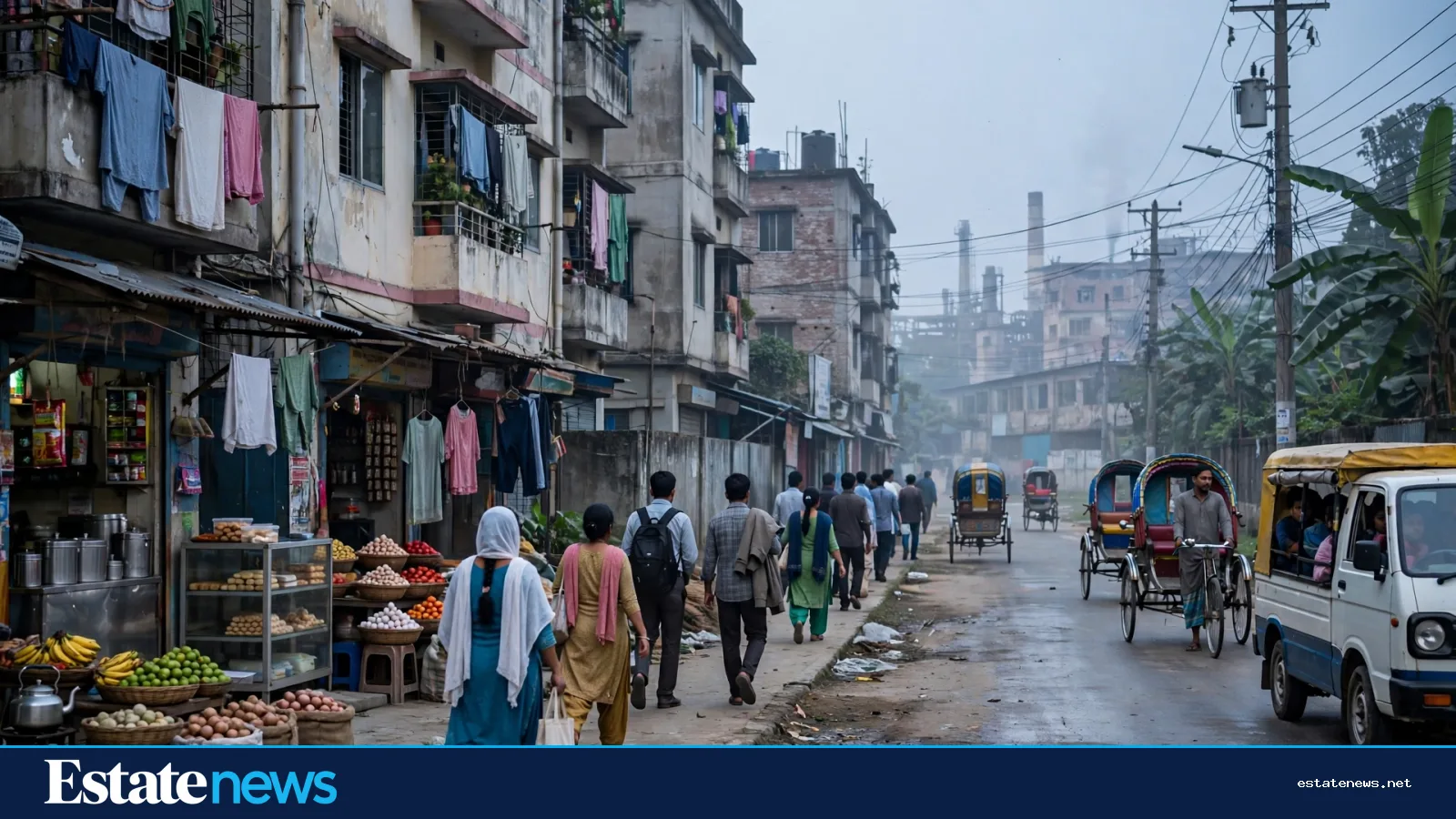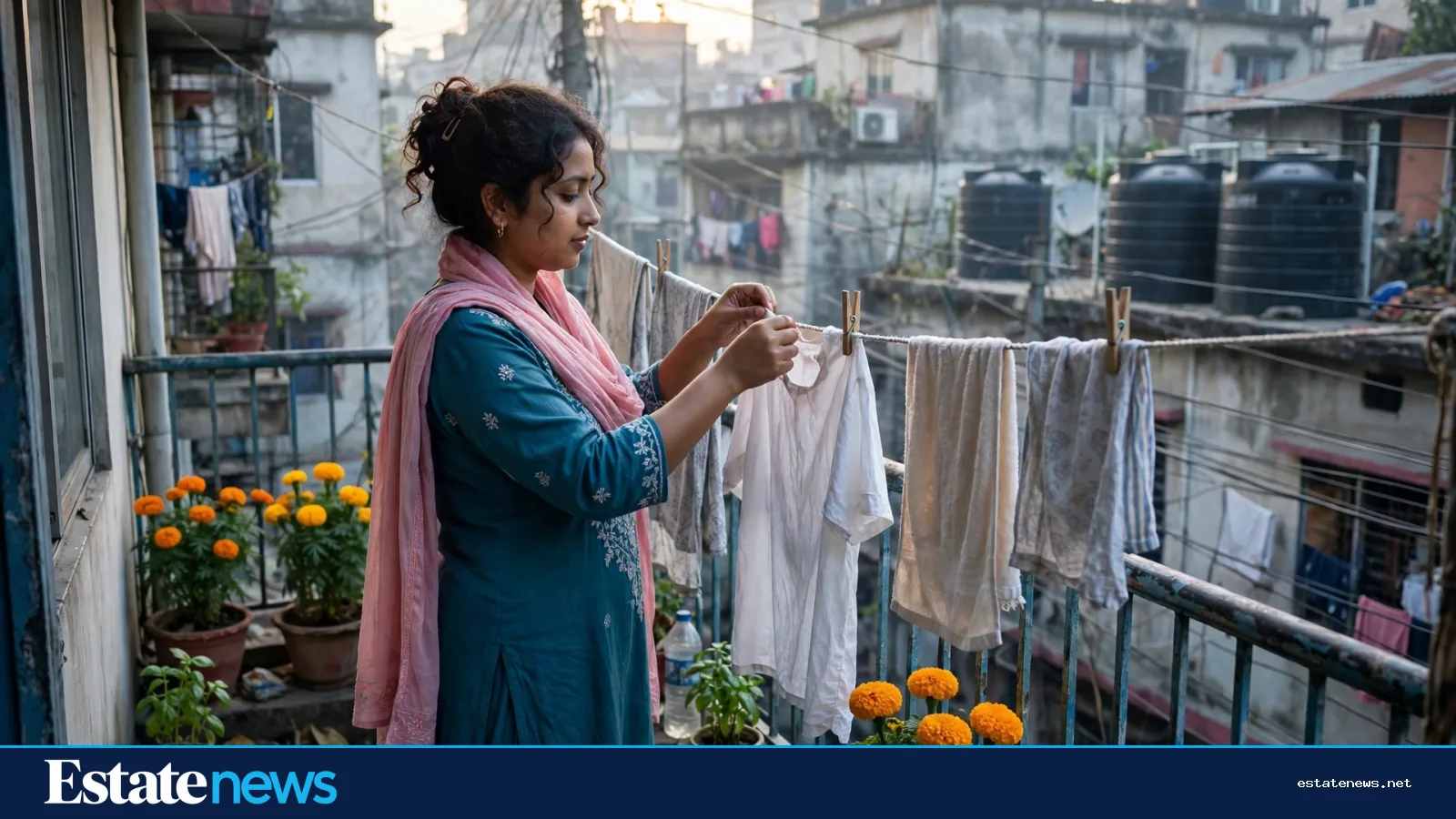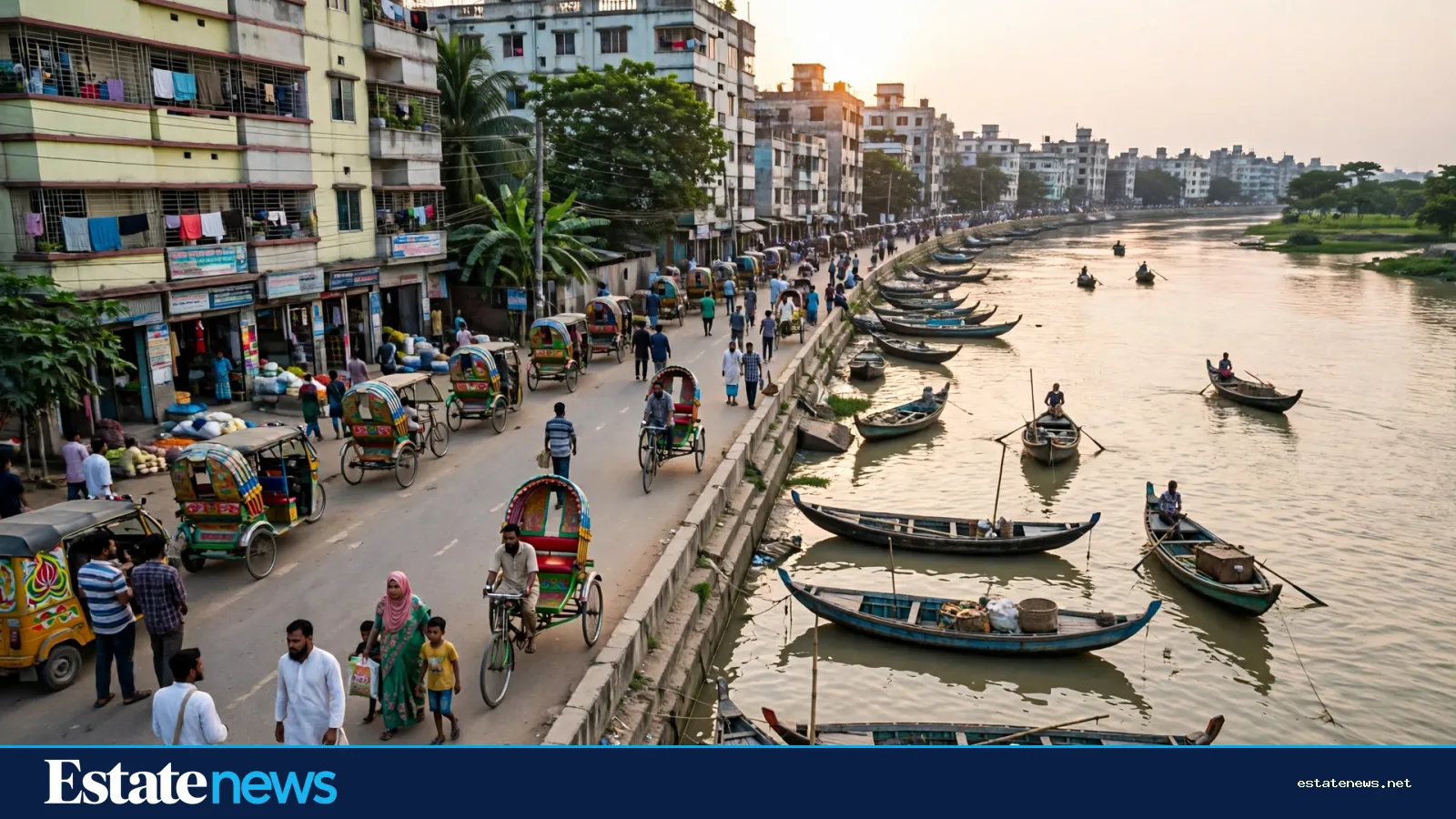
BARISHAL: Evening on the Kirtankhola riverfront brings out the whole city. Families walk the embankment, boats cross in the fading light, and the apartment blocks behind the road fill window by window. It is an ordinary scene, and it explains something about housing here that a price chart would miss: in Barishal, where a flat sits in relation to the river, the school, the hospital and the launch terminal matters as much as how many rooms it has.
Barishal has long been a city of houses rather than flats. Family land, a tin-roofed or brick house built in stages, a courtyard shared with relatives: that pattern still describes much of the city and its surrounding upazilas. The shift toward apartment living, visible for years in Dhaka and Chattogram, has arrived here more slowly, and in a different shape. Buyers are often local families, teachers, bank staff, health workers, small business owners, and parents buying for children studying at the university or the medical college. They are buying a place to live in the city they already belong to, not a second home and not a speculative asset.
The bridge changed the map, not the market overnight

The Padma Bridge, linking 21 southern districts to the capital, is the single largest change to Barishal's position in a generation. The Daily Star's October 2025 analysis noted a housing boom along the Dhaka-Mawa-Bhanga expressway, with plots and gated neighbourhoods drawing buyers from Barishal and Khulna who wanted homes within reach of Dhaka. That boom sits on the Dhaka side of the bridge. Inside Barishal city, the effect is subtler and slower: easier travel to Dhaka for work, study and medical care, and a stronger reason for families with roots in the south to keep a base in the divisional city rather than moving away entirely.
Road travel still sets the rhythm of a Barishal family's week. A flat near the bus stands at Nathullabad or Rupatoli suits a household that travels often. A flat near the medical college hospital suits a family with elderly parents. A flat near the university suits a household with students. None of these choices show up in a citywide average, and no published citywide apartment price index for Barishal was available for this article, so buyers here still rely on local listings, broker visits and word of mouth rather than a single benchmark figure.
What families check before they buy


Talk to buyers in the city and the checklist sounds practical rather than grand. Water supply through the dry months, and whether the building has its own reserve. Drainage around the plot during heavy rain, a real question in a river city. A lift that works, and a service charge the residents can actually sustain. A generator for the hours when the grid falters. Parking that exists in fact, not only on a brochure. And the state of the approach road: a flat that looks fine in daylight can sit at the end of a lane that floods or turns to mud in the monsoon.
Services are the other half of the decision. Barishal's schools, colleges, hospitals and markets cluster in the older parts of the city, and newer apartment blocks on the edges trade a lower asking figure for a longer trip to each of them. For a family with school-age children, that trade rarely pays. For a retired couple, a quieter edge location with a lift and a river breeze may suit better. The right flat in Barishal depends on which stage of life the household is in, more than on which project has the newest brochure.
Kuakata, on the coast of the division, shows a different strand of the same story. The Business Standard reported in 2022 that about Tk 2,500 crore had been invested by 30 companies in housing projects around Kuakata over the previous ten years, drawn by the beach and the visitor economy. That is tourism-linked building, not city housing, and it should not be confused with Barishal city's own market. But it shows the same underlying force: when access improves, building follows, and the question becomes whether the building serves the people who already live there.
A market to watch, not to rush
Barishal's housing market rewards patience. Stock is thinner than in Dhaka, so a family may wait months for the right flat in the right neighbourhood. Resale depends heavily on the building's upkeep and the reputation of its residents' association, since a poorly maintained block loses value faster in a small market where everyone hears about it. And the river, which gives the city its character, also sets its limits: low-lying plots and weak drainage deserve a monsoon-season visit before any decision, not a dry-season viewing alone.
For now, the shift is quiet rather than dramatic. More flats, more families choosing them, more buildings rising a few storeys above the older houses around them. Barishal is not trying to become Dhaka. Its housing story is about a river city keeping its families close, giving them a flat near the school and the hospital and the water, and letting the capital stay a bridge journey away rather than a permanent move.