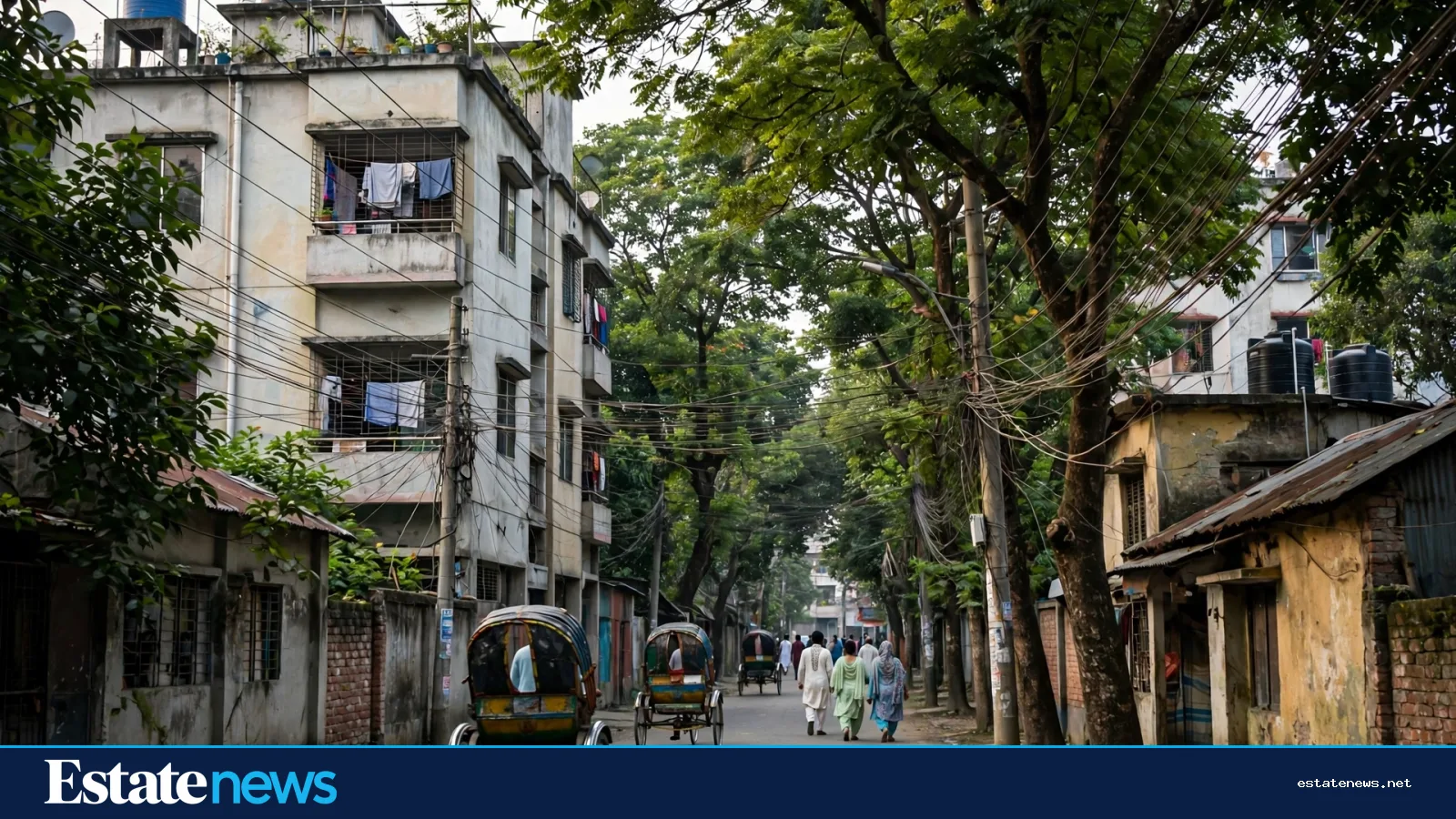
Walk into Lalmatia from the Dhanmondi side on a weekday afternoon and the noise drops a notch. The streets run in a grid, the trees are older than many of the buildings, and rickshaws move at a pace that lets you notice front gardens, laundry lines and the small shops tucked into ground floors. It is not a fashionable address in the way Gulshan or Banani are fashionable. It is a lived-in one, and that is the point.
Lalmatia grew as a planned residential area, laid out with numbered blocks and roads wide enough for the family houses first built here. The plan still shows. Streets meet at right angles, blocks are walkable, and schools, mosques and markets sit within easy reach of most homes. For families, that layout has always been the main selling point: daily life can happen close to home, without a car trip for every errand.
The houses that made the name

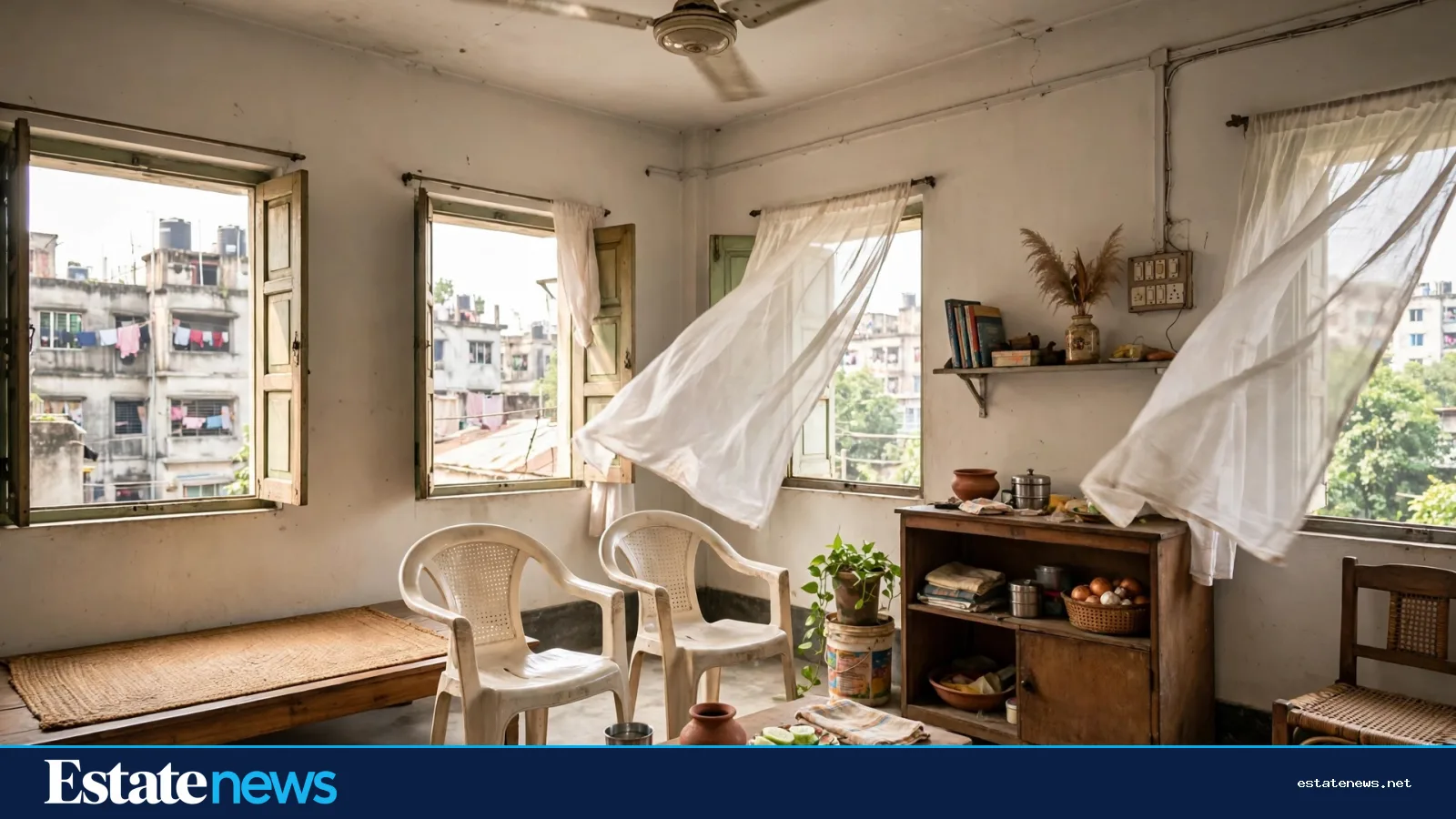
The older Lalmatia house is easy to picture: a two- or three-storey family home behind a boundary wall, a small garden or paved courtyard, rooms sized for joint families and guests. Many still stand, though some now share their plots with newer construction. Their survival matters because they set the area's scale. A street of family houses feels different from a street of towers, even when both hold the same number of people.
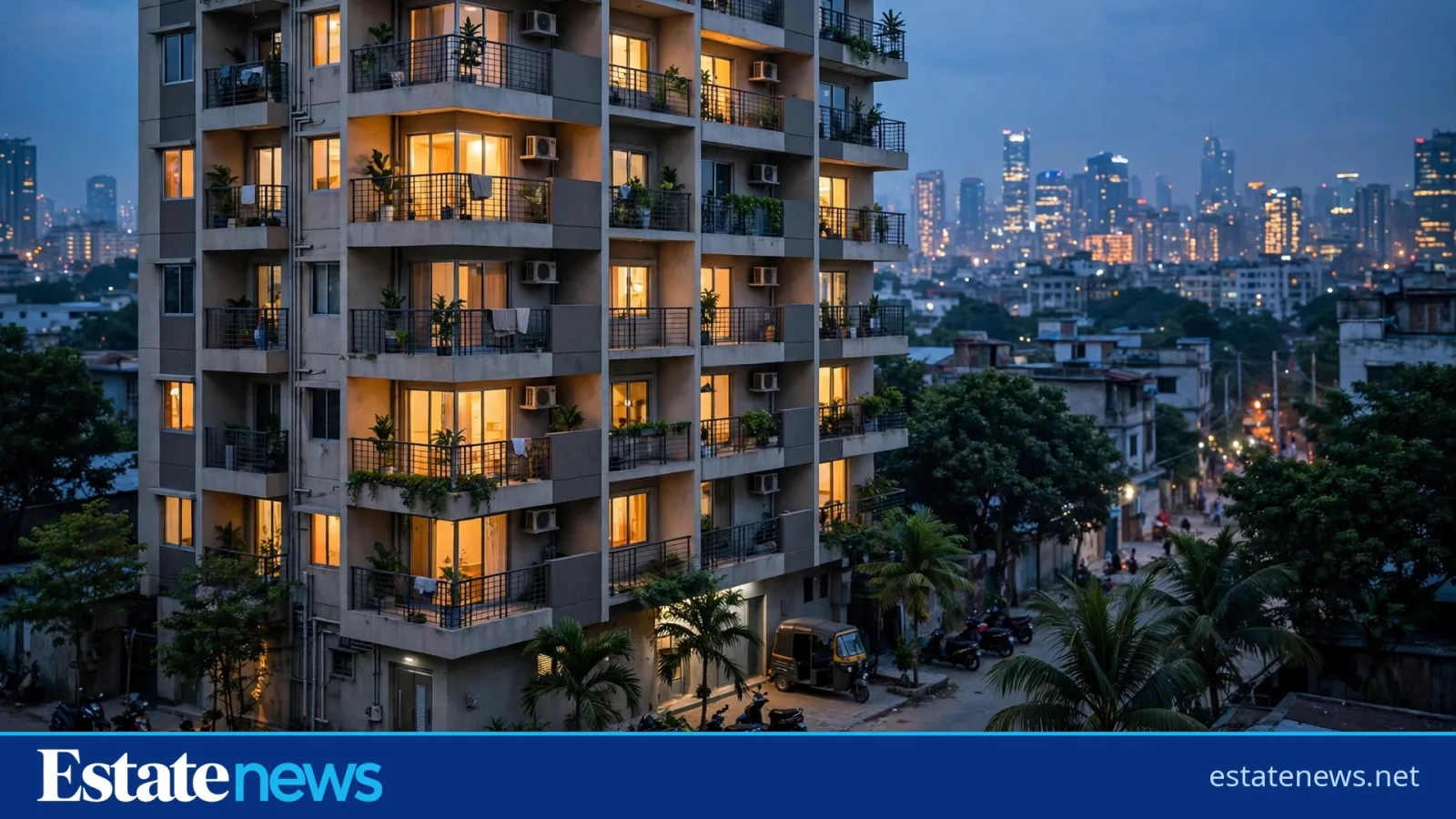
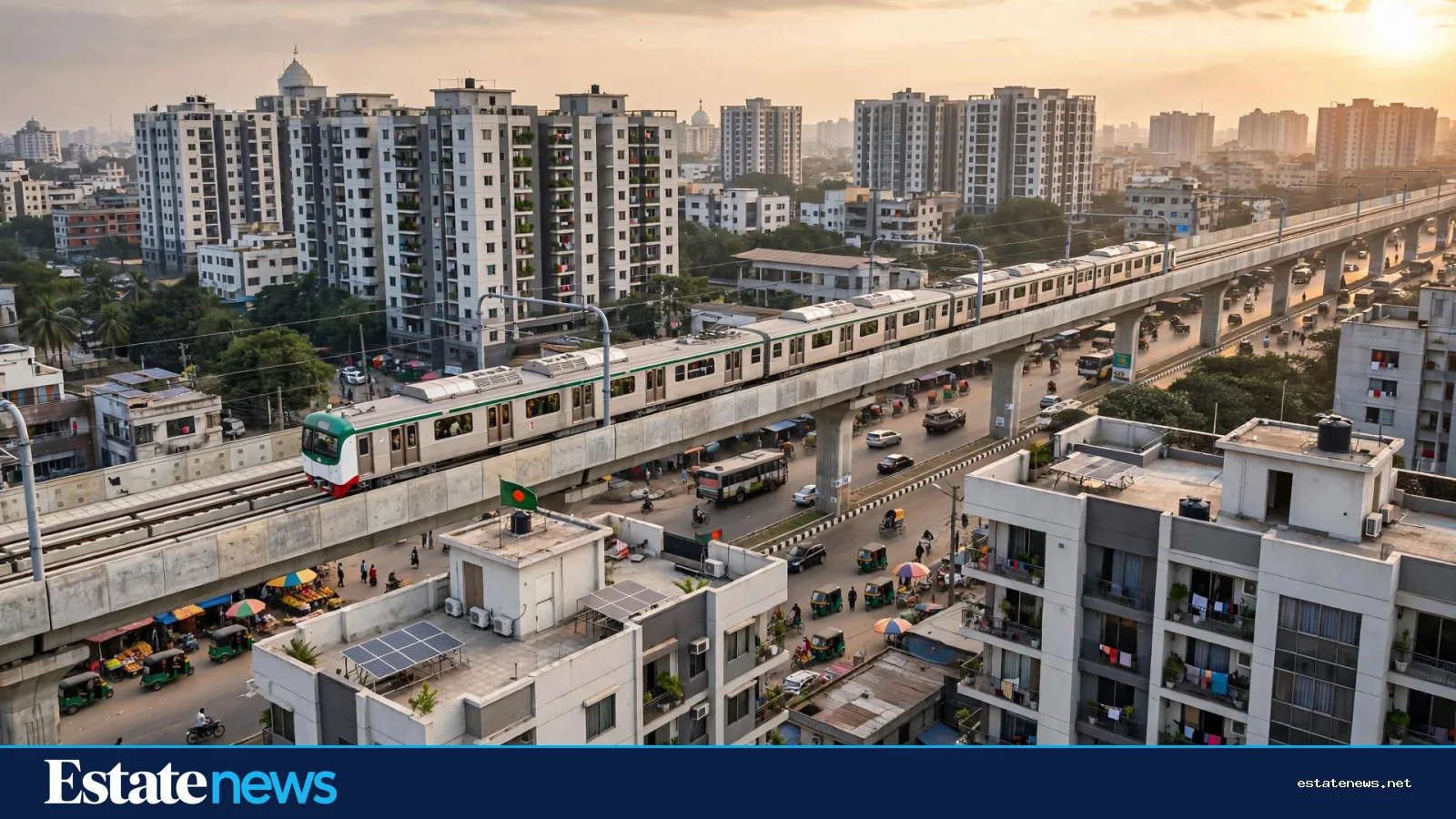
Around them, the change is visible. Mid-rise apartment blocks have filled empty plots and replaced some older houses, floor by floor. The new buildings bring lifts, parking basements and modern fittings, and they bring more households onto streets designed for fewer. Residents talk about this trade-off in practical terms: more neighbours, more cars, more pressure on water and waste collection, against newer homes that younger families can actually buy into.
Schools, markets and the daily round
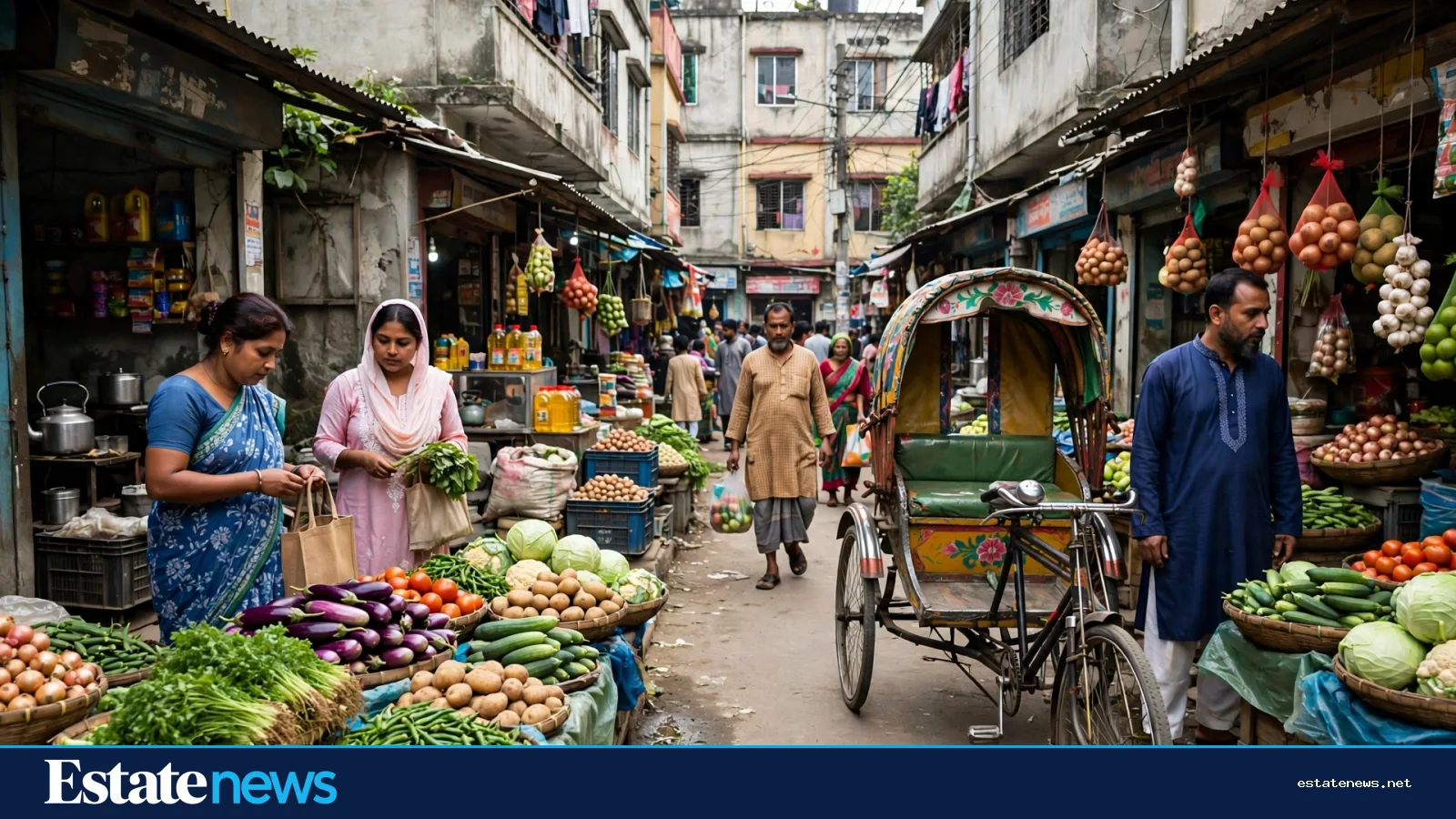
What keeps families in Lalmatia is rarely one building. It is the round of daily life. Schools in and around the area draw children from nearby blocks, and the morning school run is part of the street's rhythm. Small markets sell vegetables, fish and household goods within walking distance, and the lanes around them fill in the late afternoon with shoppers and rickshaws.
That walkability is a housing asset in its own right. In a city where a simple errand can take an hour in traffic, a neighbourhood where groceries, a pharmacy and a mosque are a short walk away saves time every day. New apartment buyers often cite the same things older residents do: the grid, the trees, the sense that the area is settled rather than still being invented.
The blocks themselves help. Because Lalmatia's roads were laid out on a plan, most homes sit within a short walk of a main road where rickshaws and buses pass, while inner lanes stay quiet enough for children to play near their gates. That split, busy edges and calm interiors, is hard to retrofit into an unplanned area, and it explains why families who grew up here often look for their next home in the same blocks rather than across the city. A flat in a new block still buys into that older layout, provided the building respects it with proper parking and setbacks.
Rooftops, balconies and shared spaces


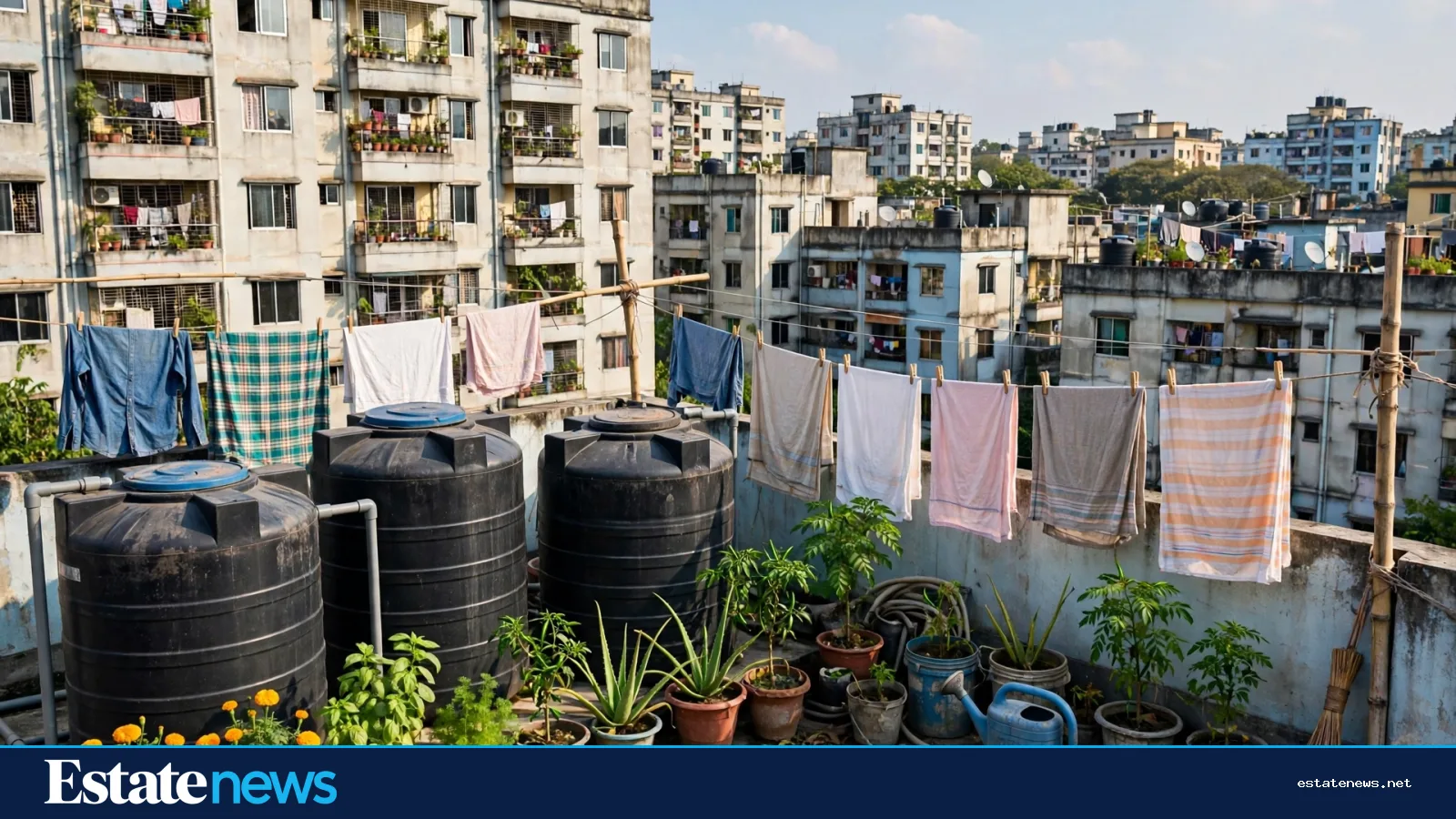
Much of Lalmatia's social life happens in spaces that do not appear in a sales brochure. Rooftops hold water tanks, clothes lines, potted plants and, in the evening, neighbours talking across low parapets. Balconies serve as drying yards, small gardens and places to watch the street below. Stairwells and entrance courtyards become meeting points for children after school and for older residents taking an evening walk around the block.
Newer apartment buildings handle these shared spaces differently. A rooftop may be reserved for services only, or shared under building rules that limit its use. Balconies may be smaller, designed for looks rather than daily work. Buyers used to the older pattern should ask how these spaces actually work in a new building: who can use the roof, where laundry dries, where children play, and where visitors park. The answers shape daily comfort as surely as the size of the living room, and they are easy to miss on a first visit when attention goes to tiles and fittings.
Growing taller, carefully
The question Lalmatia now faces is one many planned Dhaka neighbourhoods share: how to add homes without breaking the layout that made the area work. Taller buildings on the main roads make sense, since those roads carry more traffic and services. The same height on a narrow inner lane strains parking, sunlight and drainage, and changes the street for everyone else.
Rules and enforcement will decide much of this, but so will buyer choices. A buyer who checks parking provision, water supply arrangements, waste handling and the building's setback from the street is doing more than protecting one flat. They are voting for the version of Lalmatia that keeps its grid liveable. Developers who build with those checks in mind tend to sell to families who stay, which is itself a form of value.
What the area still offers
Lalmatia's appeal has never been glamour. It has been steadiness: a planned grid, family-sized homes, schools and markets close by, and streets where children and older residents are part of daily life. The newer blocks add choice for buyers who want a lift, a parking space and modern fittings without leaving the west side of the city.
The area's next chapter will be written plot by plot, as older houses give way or get renovated and new blocks fill the remaining gaps. If the grid, the trees and the walkable daily round survive that growth, Lalmatia will have managed something Dhaka finds hard: changing without losing its character. For families weighing a move, that balance, more than any single building, is what is actually on offer here.
A note for buyers looking in Lalmatia
Visit at different times before deciding. A morning visit shows the school run and traffic. An evening visit shows parking pressure and street lighting. Ask about water supply timing, lift backup during power cuts, and how waste is collected from the building. Walk to the nearest market and school yourself rather than taking a distance on trust. Lalmatia rewards that kind of unhurried look, because its strengths are the quiet, everyday kind, visible only when you slow down to street pace.