The Real Estate and Housing Association of Bangladesh can resume its full range of activities, after the High Court stayed a Commerce Ministry directive that had restricted it to routine work. The order was passed on Sunday, 1 November, by a High Court division bench, according to the Daily Observer and New Age, which reported the development on 1 and 2 November. The stay runs for three months.
The case began with a writ petition filed by REHAB senior vice-president Abdur Razzaq, who challenged the legality of the ministry's directive of 17 October. That directive, issued by the ministry's Trade Organisations-2 section, had barred REHAB from holding activities beyond routine operations, including board meetings, annual general meetings, fairs and other programmes. The court suspended the directive after hearing both sides, according to a certificate issued by lawyer Kamrul Bin Azad on Sunday. The formal order was to be communicated to the parties through due procedure.
What had been stopped

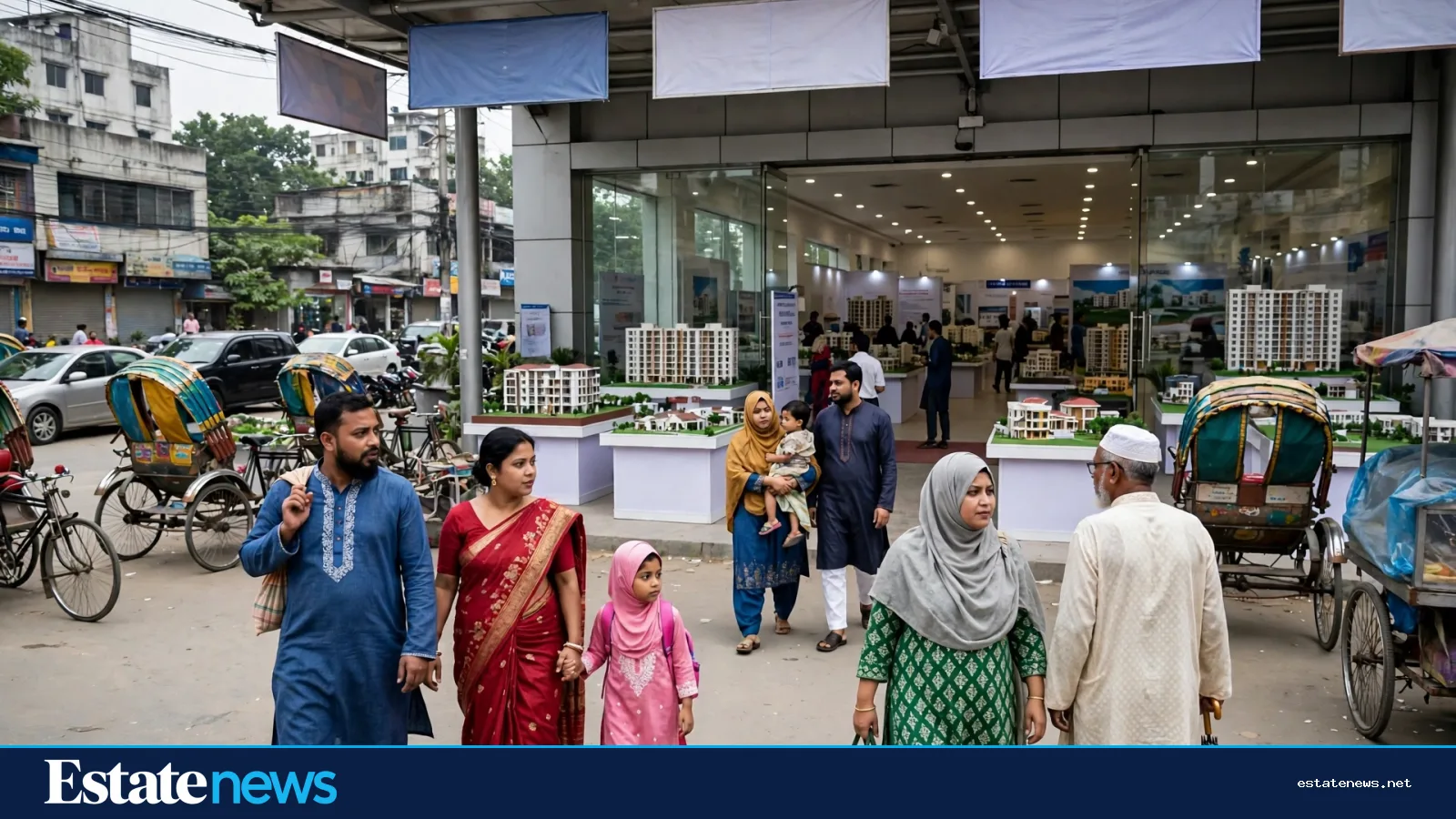
The restriction had a direct effect on the housing sector. REHAB is the industry body for developers and realtors, and its fairs are where buyers meet builders, compare flats and talk to banks about loans. A fair that cannot be held is not a small matter for a developer with flats to sell, or for a buyer who wants to see several projects in one hall. The ministry's letter also blocked board meetings and the annual general meeting, which meant the association could not take formal decisions in the usual way.
The background to the dispute goes back further. On 26 July, REHAB vice-president Mohammad Akter Biswas filed a complaint with the director general of the Trade Organisation Wing, along with nine other board members, raising 12 points, according to New Age. Following the hearing, the association's annual general meeting was suspended for 30 days. On 16 August, REHAB president Dr Afzal wrote to the ministry seeking clarification on the scope of the directive. The ministry replied that routine functioning faced no restriction. REHAB shared that clarification through a press release, which also carried a written statement from Dr Afzal saying the clarification put to rest confusion about regular activities.
Why it matters now


The stay order means the ministry's restrictions will remain suspended during this period, allowing REHAB to conduct its organisational activities, including meetings and other programmes, without the limitations imposed by the directive. For buyers, the practical effect is simple. The association can hold the fairs and meetings that bring developers, banks and building material suppliers into one place. For developers, it means the industry body can speak for them again in full, at a time when several policy questions are open.
One of those questions is tax. REHAB has opposed a proposal in the 2026-27 fiscal year for a 15 per cent capital gains tax on non-cash benefits, including flats that landowners receive from developers, according to a report on 1 November. The association argues that the measure could discourage landowners from entering joint development agreements, and that added costs could eventually be reflected in flat prices. The report also noted that Prime Minister Tarique Rahman had recently called for safe, affordable and quality housing for all, and for planned and sustainable urbanisation.
What to watch next
The stay lasts three months, so the dispute is paused rather than settled. The court will hear the writ petition again, and the ministry's position will be tested in full. In the meantime, REHAB's members will watch for the association's next moves: whether it calls its annual general meeting, whether it announces a fair, and how it presses its case on the tax proposal. Buyers should watch the same calendar. A housing fair is often the first place where a new project is shown, a new loan offer is announced, or a discount is offered on the spot.
No new fair date had been announced. For now, the fact that matters is the one the court has settled for the next three months: the association is free to act as an association again.