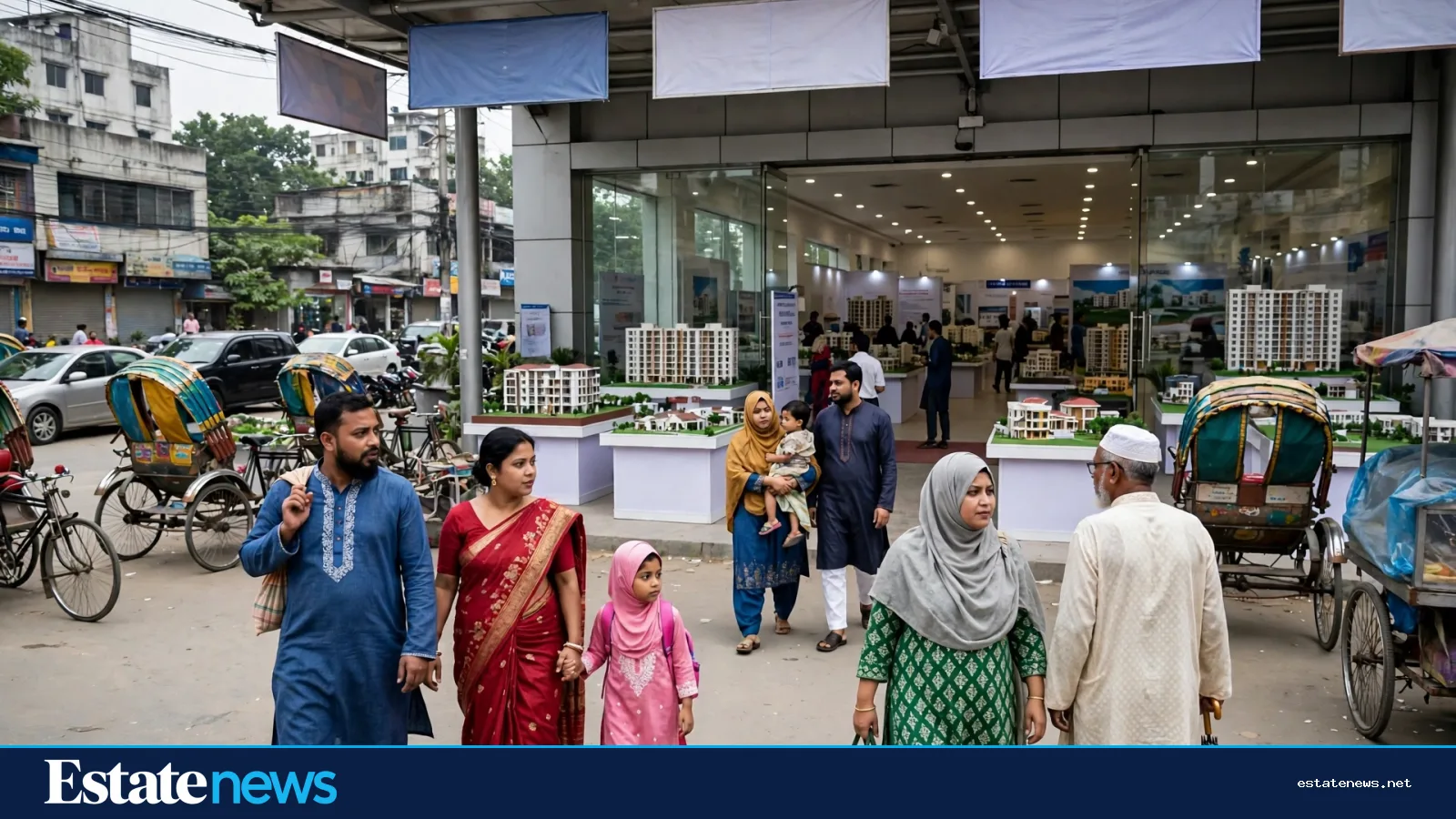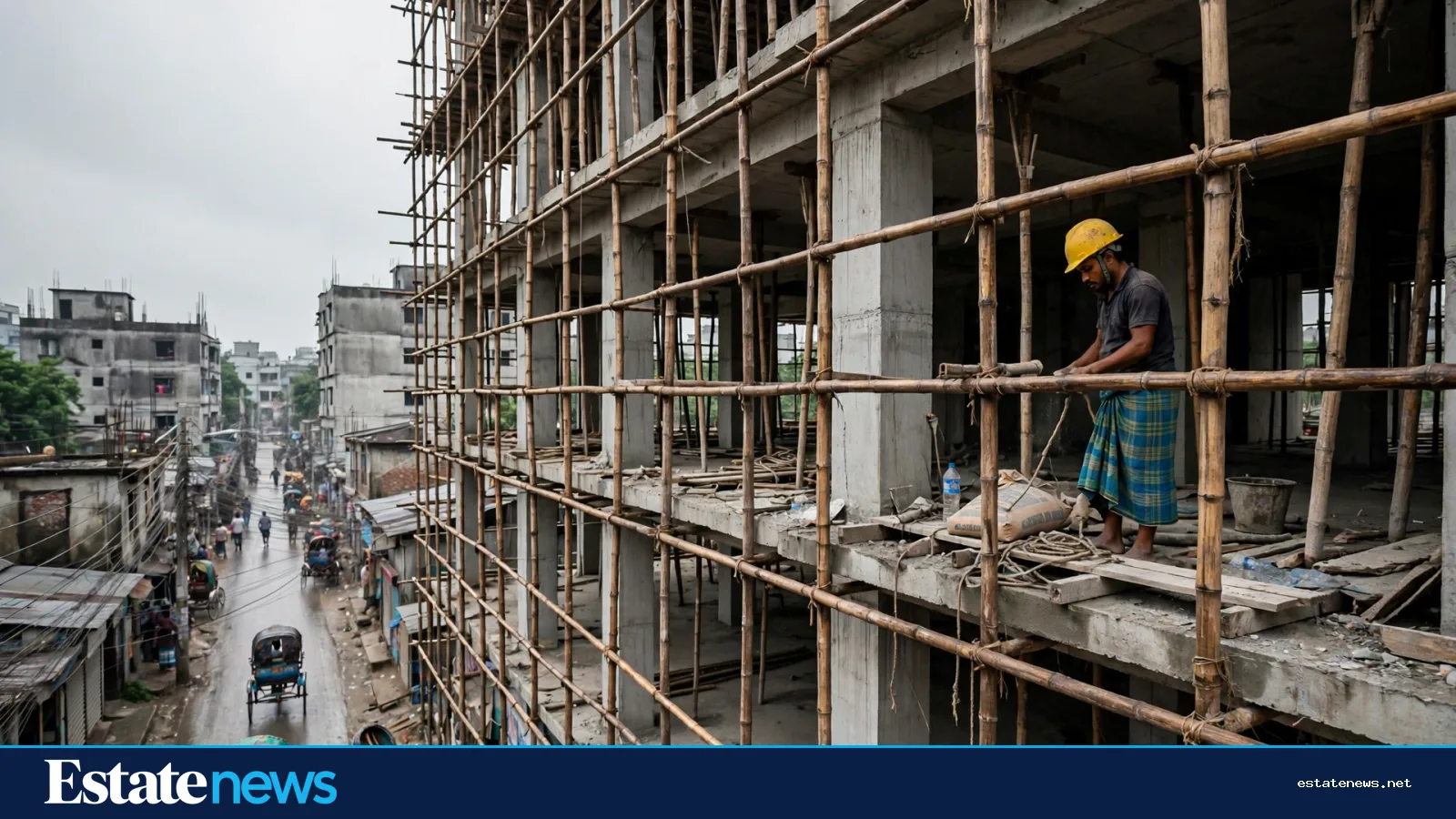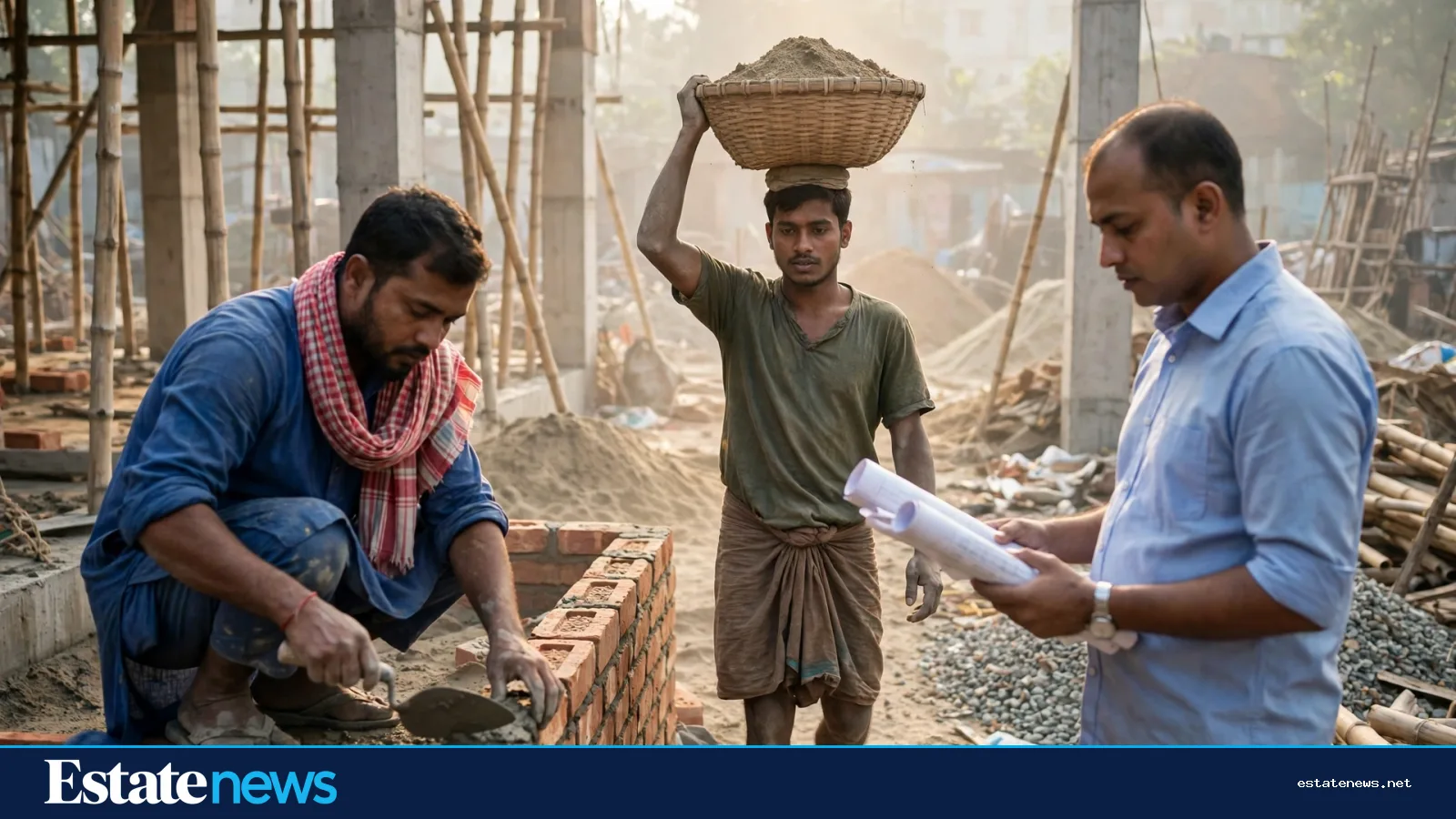
Every morning, before the sun is high, men gather on the footpath beside the Fakirapool water tank in Dhaka. Some carry trowels. Some carry paint brushes. Some carry nothing but the hope of a day's work. Prothom Alo reported in April 2026 that 300 to 400 people come to this spot each day to sell their labour: masons, carpenters, sanitary workers, painters, helpers and general labourers. The market has stood there since independence. What has changed is how often work comes.
A day labourer at Fakirapool told Prothom Alo that he earns Tk800 a day, and that the later he finds work, especially after 10 in the morning, the lower the wage becomes. His monthly expenses run to Tk16,000 to Tk18,000. Another worker, Suman, said his work had fallen over the past two years. He now gets work for at most 15 days a month, and his monthly income rarely passes Tk10,000 to Tk12,000. Liton Mia, a tile mason from Jamalpur who has worked in the Fakirapool area for 17 years, said his daily wage is Tk1,200. His monthly expenses in Dhaka run to Tk8,000 to Tk10,000. A meal at a roadside restaurant costs at least Tk100, he said. Even a simple meal of lentils and vegetables costs around Tk70.
Fewer days, thinner pay

The pattern in those accounts is the same. Work has slowed. Most of the men Prothom Alo spoke to said they were out of work three to four days a week. Some go without work for more than a week at a stretch. Contracting work had almost stopped after the fall of the government, Liton said, and work for tile, paint and sanitary workers depends on contractors. He hoped things would improve after the election, but contracting work had yet to resume when he spoke in April.
The figures from the roadside match the wider picture. The Bangladesh Building Construction Workers Federation said in August 2026 that about 80 lakh construction workers work on building sites across the country. Its president, Md Abdul Matin, told a press conference at the National Press Club that most of them are denied appointment letters, safety equipment and regular wages. The federation presented a 12-point charter of demands, including formal appointment letters and identity cards under the Labour Act, a living wage, safety helmets, belts, boots and gloves, and compensation for workers killed or injured on duty. It also called for a welfare fund and a nationwide database of construction workers.
The skill question


At the same time, builders say they cannot find enough skilled hands. A study by the Bangladesh Institute of Development Studies, reported by the Financial Express, put the overall skill gap in the construction sector at 200,000 workers. The study is old, and the number should be read as a dated estimate, not a current count. But the direction it points to is still heard on sites today. A good mason, a tile worker who can lay a floor without lippage, a painter who can finish a wall cleanly, these are the workers contractors ask for by name. Helpers are easier to find. Skilled finishers are not.
Part of the problem is how skills are learned. Most masons learn on the job, from an older mason, over years. There is no certificate at the end, and no clear ladder from helper to mason to foreman. Training institutes exist, but they reach only a small share of the workforce. The rest learn by watching, and by making mistakes on someone else's wall.
What would change the picture
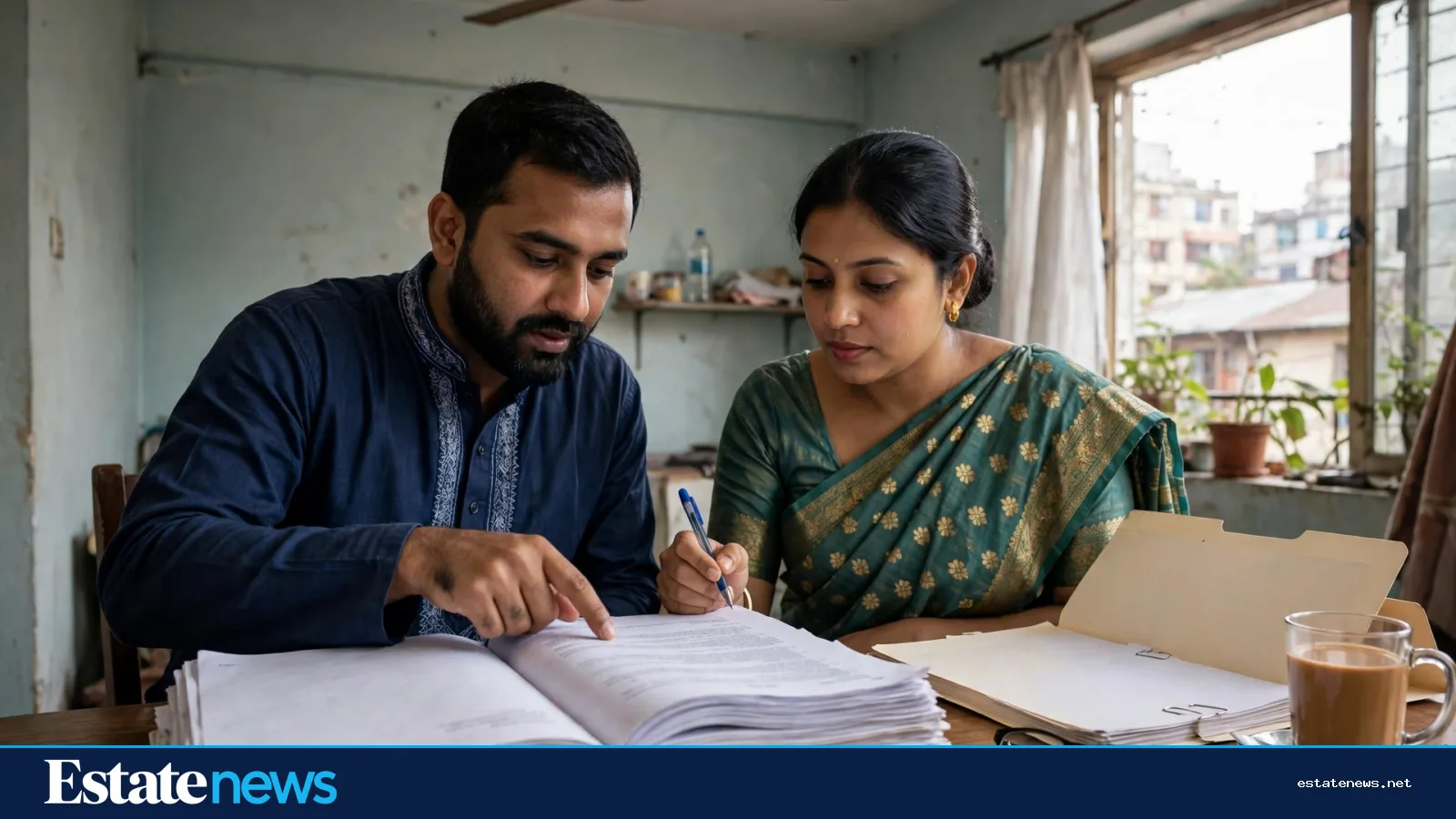
The federation's demands point to the first step: paper. An appointment letter turns a day worker into an employee with a record. It makes wages harder to withhold and injuries harder to ignore. A database would do the same at a larger scale. It would let the government know how many construction workers there are, where they work, and what they are paid. Without that, policy is guesswork.
The second step is training that pays. A mason who can lay tile, do plaster and read a drawing earns more than a mason who can only lay brick. Short courses near the sites where workers live would reach the people who need them, and a skilled crew finishes faster and wastes less material.
For now, the men at Fakirapool will be back tomorrow morning, standing by the water tank, waiting for a contractor's van to stop. Some will get work. Some will not. The buildings going up around Dhaka depend on them, and the quality of those buildings depends on how they are treated.