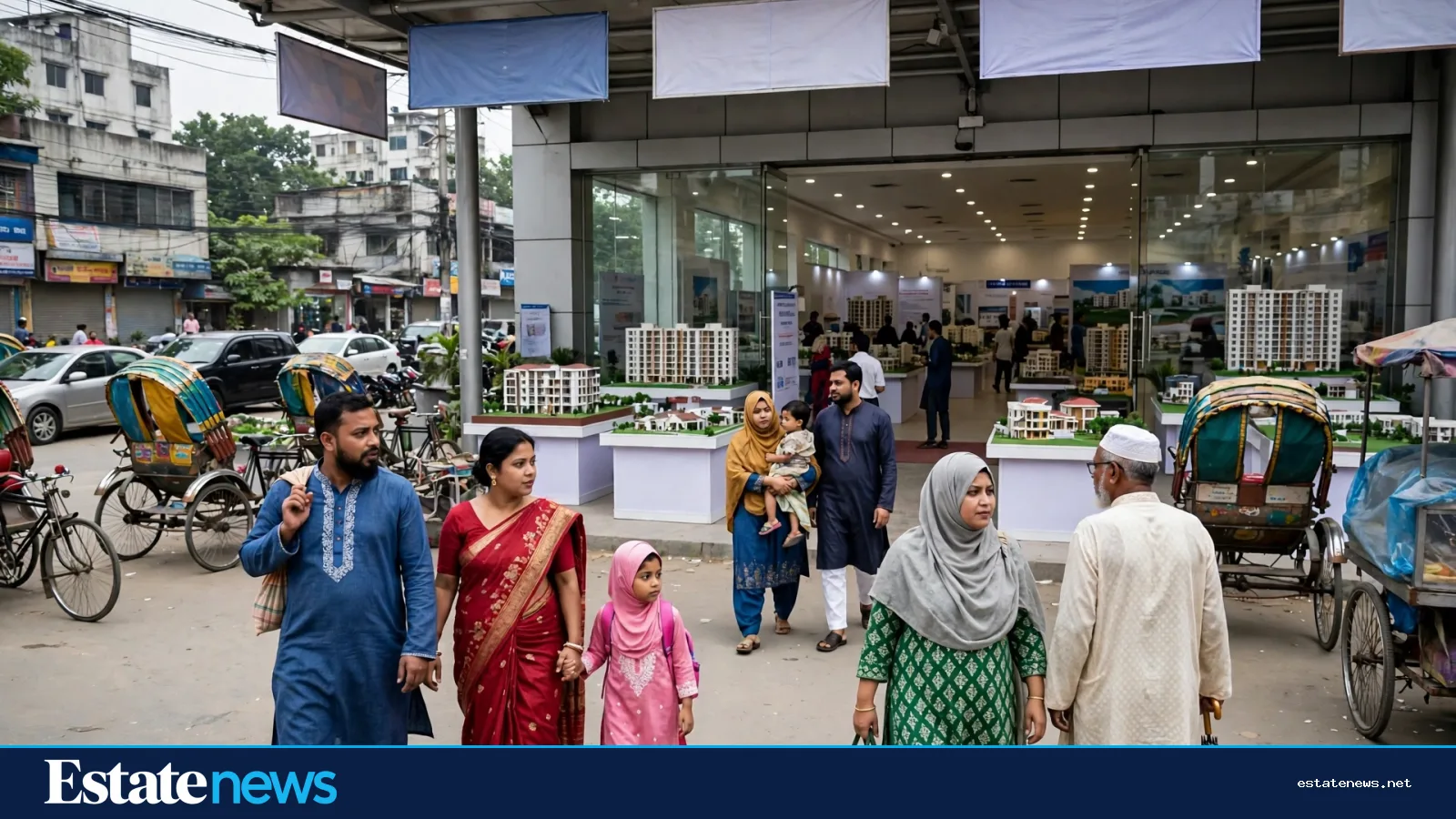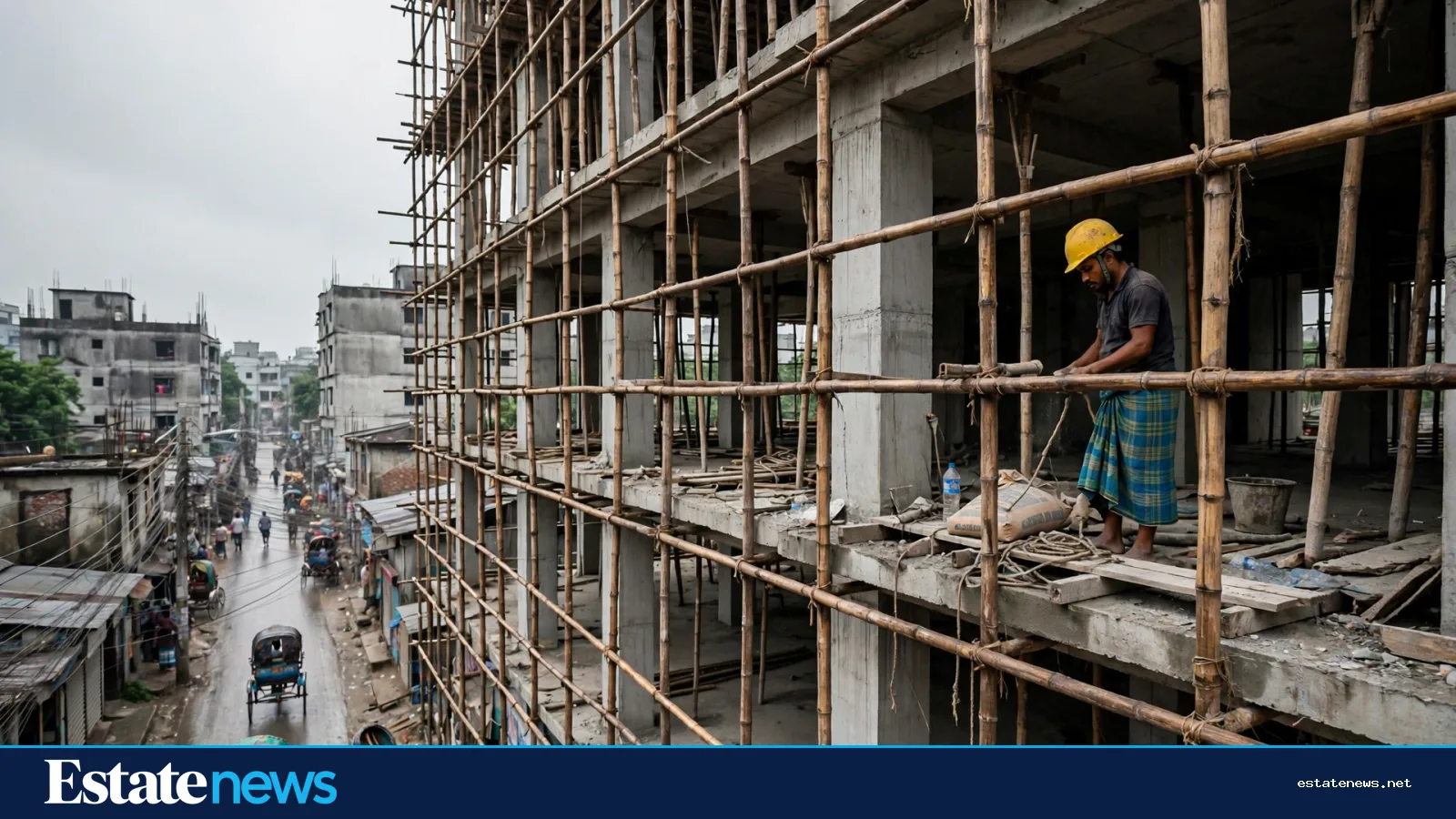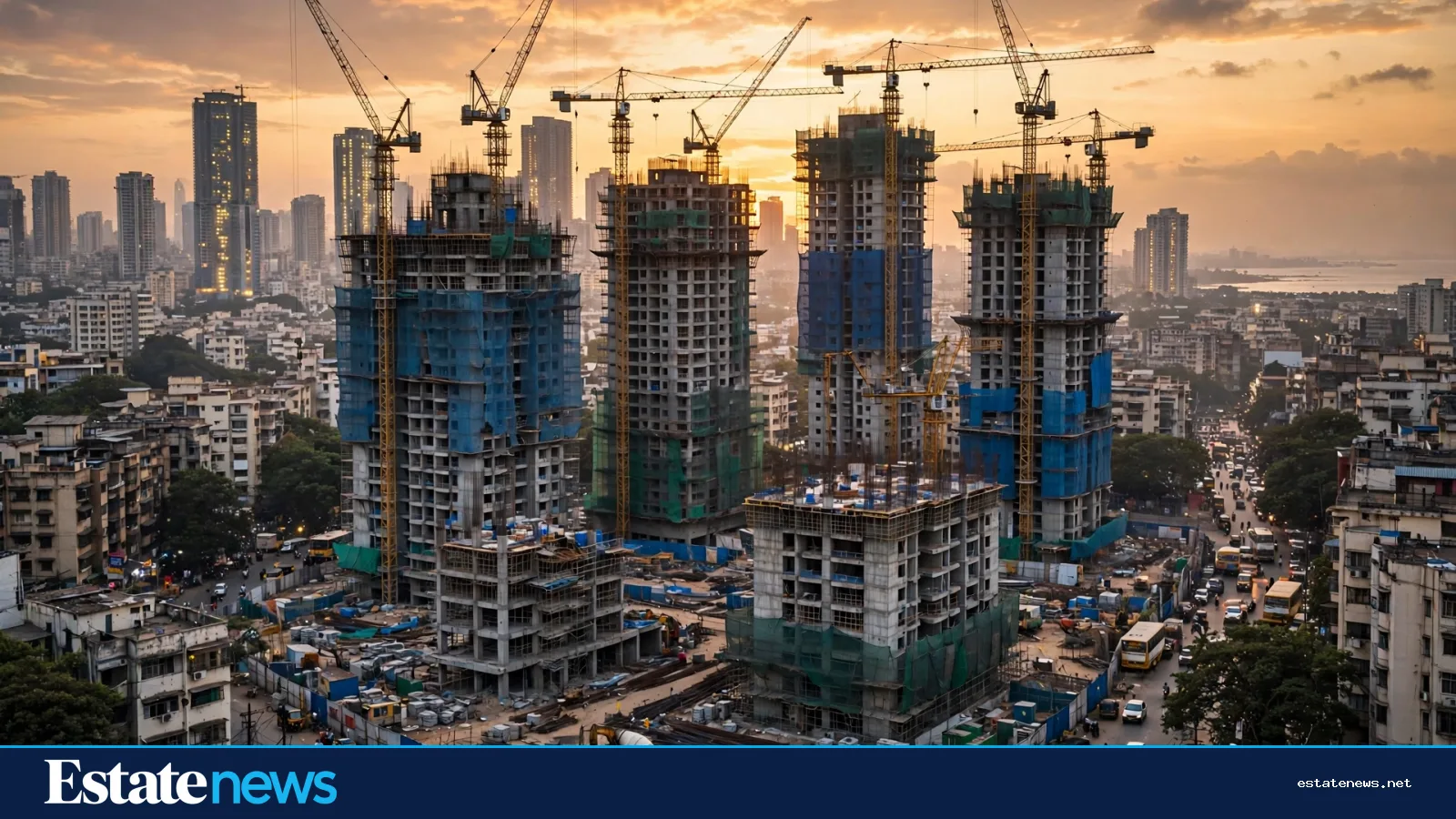
India sells more homes in a quarter than Bangladesh sells in a year, so its housing numbers are worth reading even for a reader who will never buy there. The latest quarter tells a story with two faces. Demand is back, and supply is back faster.
ANAROCK Research counted about 1,00,200 homes sold across India's top seven cities in July to September 2026, up 3 percent from a year earlier and up 10 percent from the previous quarter. The total value of those sales reached about Rs 1.55 lakh crore. New launches rose faster, up 18 percent from a year earlier to about 1,14,300 units. Average prices across the seven cities reached Rs 9,714 per square foot, up 7 percent in a year. The national capital region led the price rise at 12 percent, followed by Bengaluru at 8 percent. Hyderabad sales rose 15 percent in the year, and the Mumbai region remained the biggest market with about 31,750 homes sold.
Knight Frank's count is similar. Across eight major markets, 1,71,471 homes were sold in the first half of 2026, up just 0.7 percent from a year earlier, and sales held steady at 2,58,238 units in the first nine months. Prices rose in every city it tracks, from 3 percent to 17 percent, and homes priced above Rs 1 crore made up 55 percent of nine-month sales. The Reserve Bank of India's house price index rose 3.6 percent in the year to June 2026. The boom, in other words, is a boom in value more than in volume.

The warning sign inside the recovery
The figure that should catch a Dhaka reader's eye is the inventory. Unsold homes across the seven cities rose 12 percent in a year to about 6,30,600 units, according to ANAROCK. Launches are running ahead of sales, and the inventory overhang stands at about 19 months. Hyderabad carries a much heavier load at 28 months. Knight Frank counted 5,25,695 unsold homes across its eight cities at the end of June. The two firms measure differently, so the exact count matters less than the direction. Builders are launching more than buyers are absorbing.
Borrowing has also become dearer. The Reserve Bank of India raised its repo rate to 5.50 percent on 7 October 2026, the first increase since February 2023, as inflation climbed to 5.5 percent. Higher rates bite hardest at the lower end of the market. Homes priced below Rs 50 lakh slid further in the sales mix, while the Rs 2 to 5 crore segment grew 19.4 percent in the first nine months of the year. The market is tilting towards buyers who already have money, and away from first-time buyers who need a loan to stretch.
Four lessons that travel across the border


The first lesson is about data. India has two large research firms publishing quarterly sales, launches, prices and unsold stock city by city, and a central bank house price index to check them against. A buyer in Mumbai can see whether prices are rising in a locality or only in the headlines. Dhaka has nothing comparable in public view. REHAB and the banks publish fragments, and a buyer here still depends on a broker's word. Regular, public numbers discipline both builders and buyers, and their absence leaves room for guesswork.
The second lesson is about launches. When launches run 18 percent ahead of sales, the market stores up trouble for later. Dhaka's own developers have launched heavily in Mirpur, Bashundhara and Purbachal in recent years. The Indian numbers are a reminder to watch the gap between what is launched and what is sold, not only the ribbon cuttings.
The third lesson is about the affordable segment. India's affordable launches revived in the quarter, with the share of launches priced below Rs 40 lakh more than doubling to 14 percent, yet sales at the bottom kept slipping. A developer who wants to sell to first-time buyers needs the price, the loan and the location to line up together. One of the three is not enough.
The fourth lesson is about rates. A single rate rise by the Reserve Bank of India changed the conversation in every Indian housing report within weeks. Bangladesh Bank's rate decisions work the same way on home loans here. A buyer who stretches to the last taka of an EMI at today's rate has no room for the next move.
India's housing market is not a prediction for Dhaka. The two markets differ in size, finance and regulation. But the pattern is familiar: prices up, premium sales strong, affordable buyers squeezed, and unsold stock quietly building behind the headlines. It is a pattern worth watching from this side of the border, before it becomes a problem rather than a headline.
This article is informational only and is not financial advice.