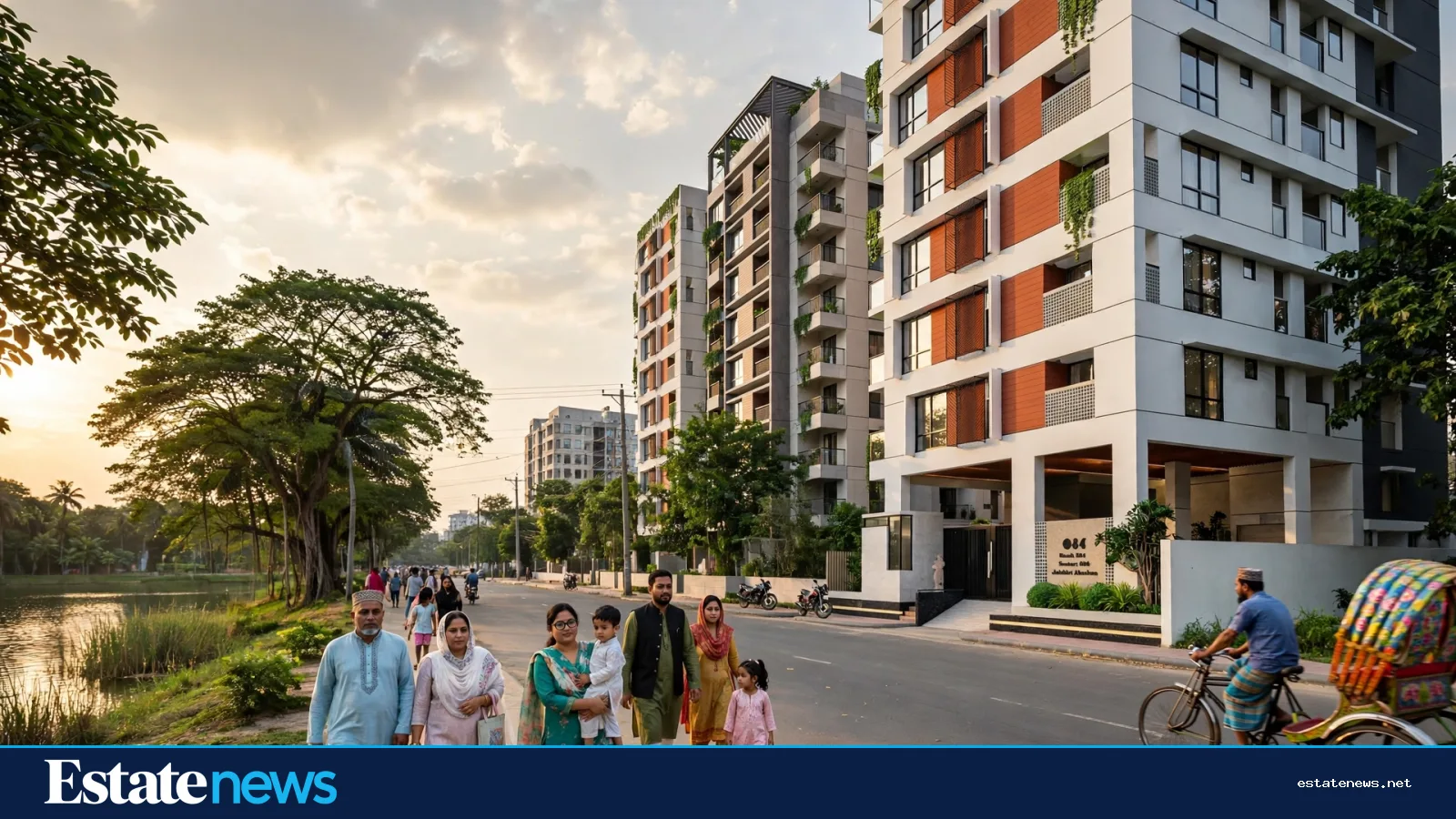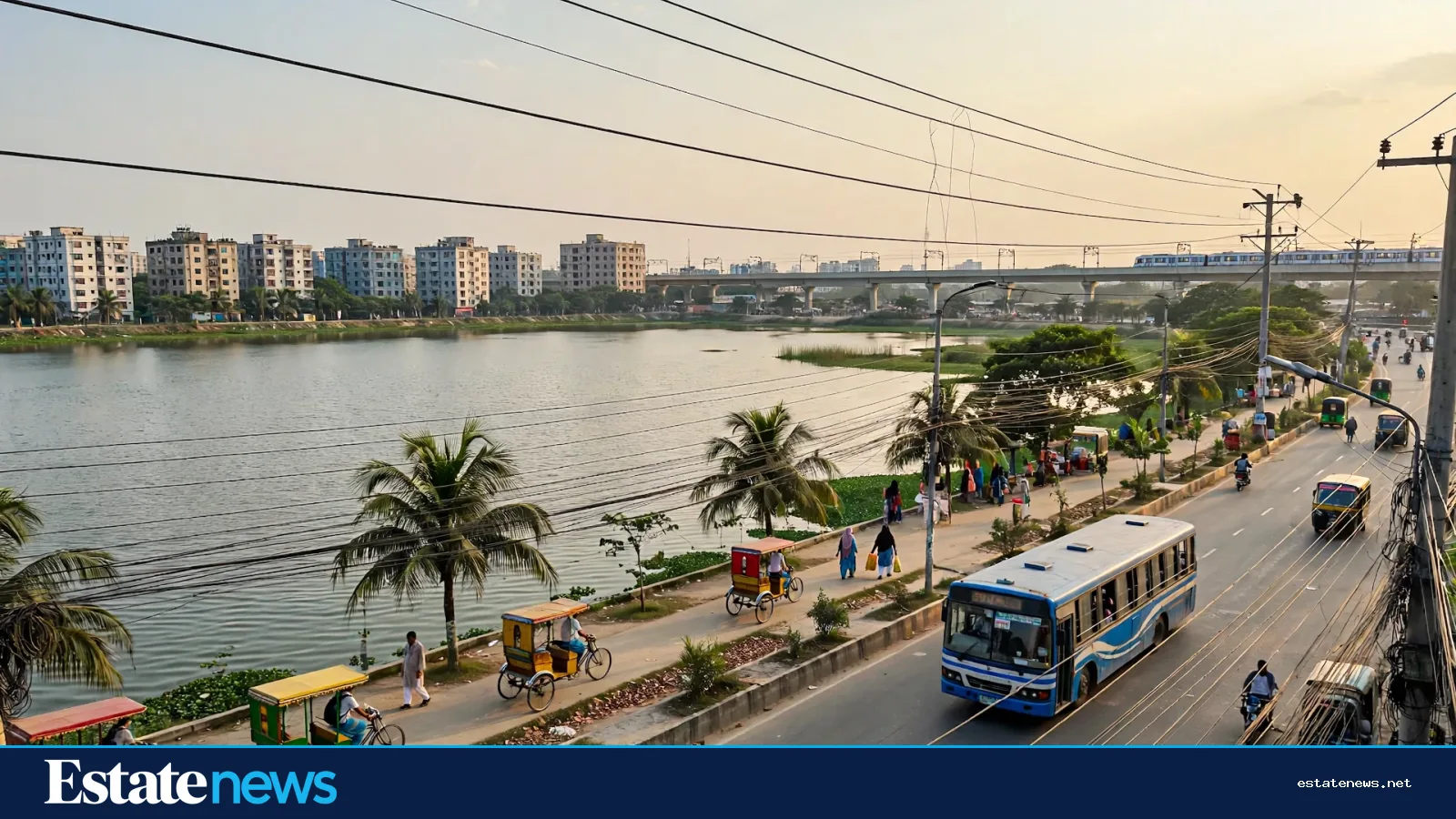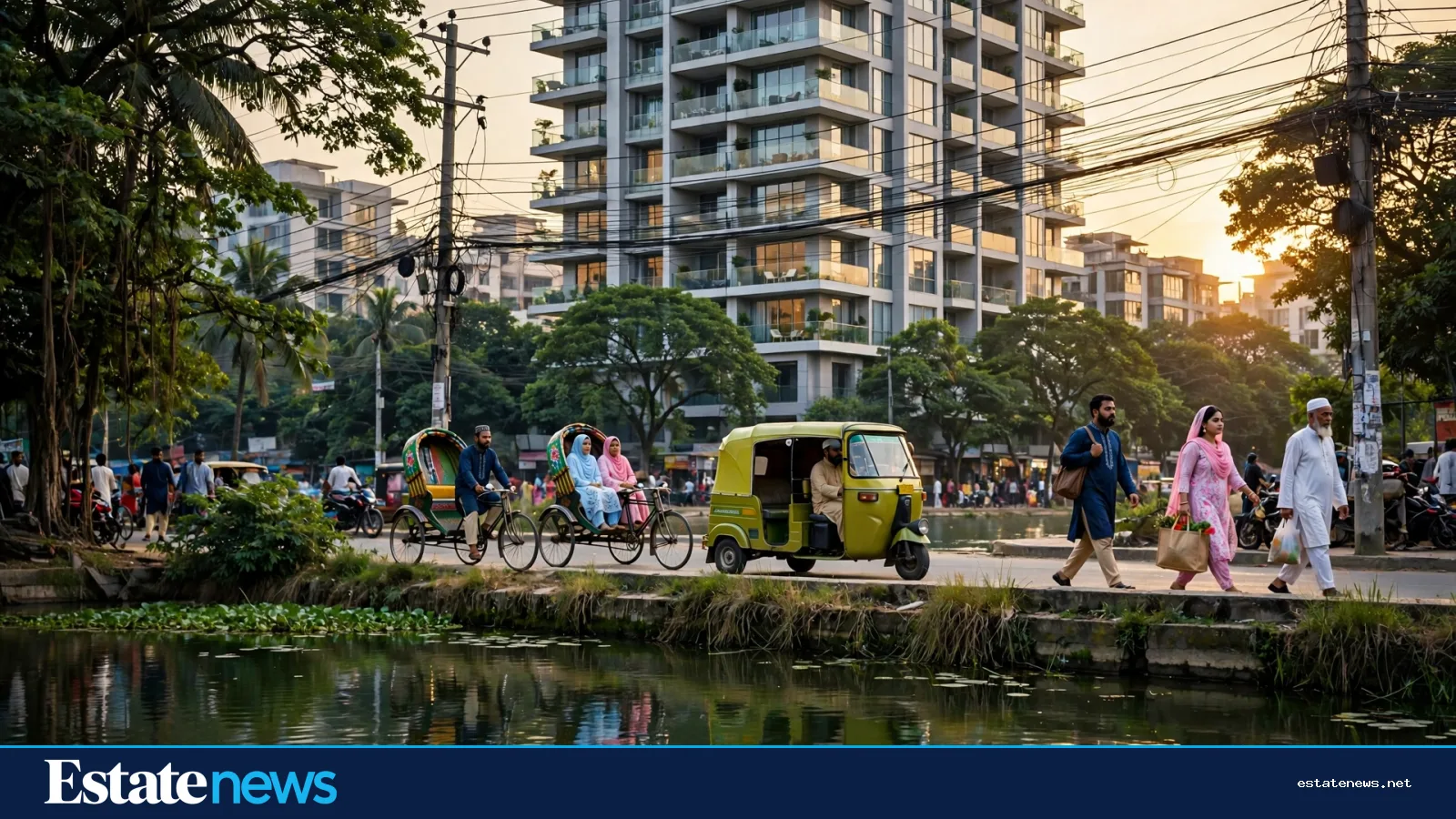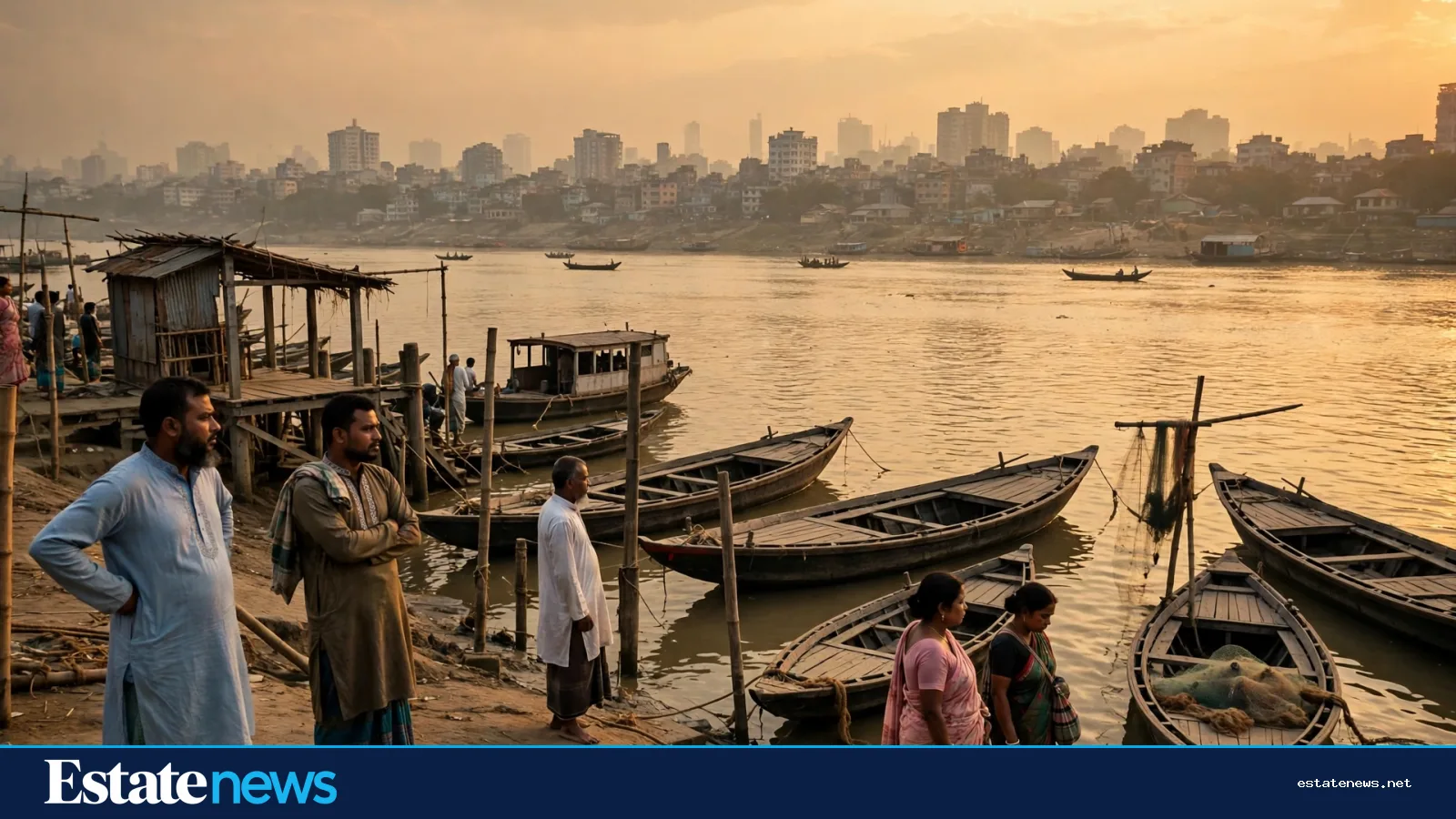
The boats leave before the light does. At the ghats on the Keraniganj side of the Buriganga, wooden boats push off in the grey hour, carrying office workers, schoolchildren and market traders towards Sadarghat and the old city. On the far bank, Dhaka rises in concrete, floor upon floor. On this side, the ground is lower, the lanes are narrower, and the air carries the smell of the river. For most of the city's history, that short crossing was enough to keep Keraniganj a different place: a riverside upazila of boatmen, small factories and farmland, close enough to see the capital and far enough to be priced like the countryside.
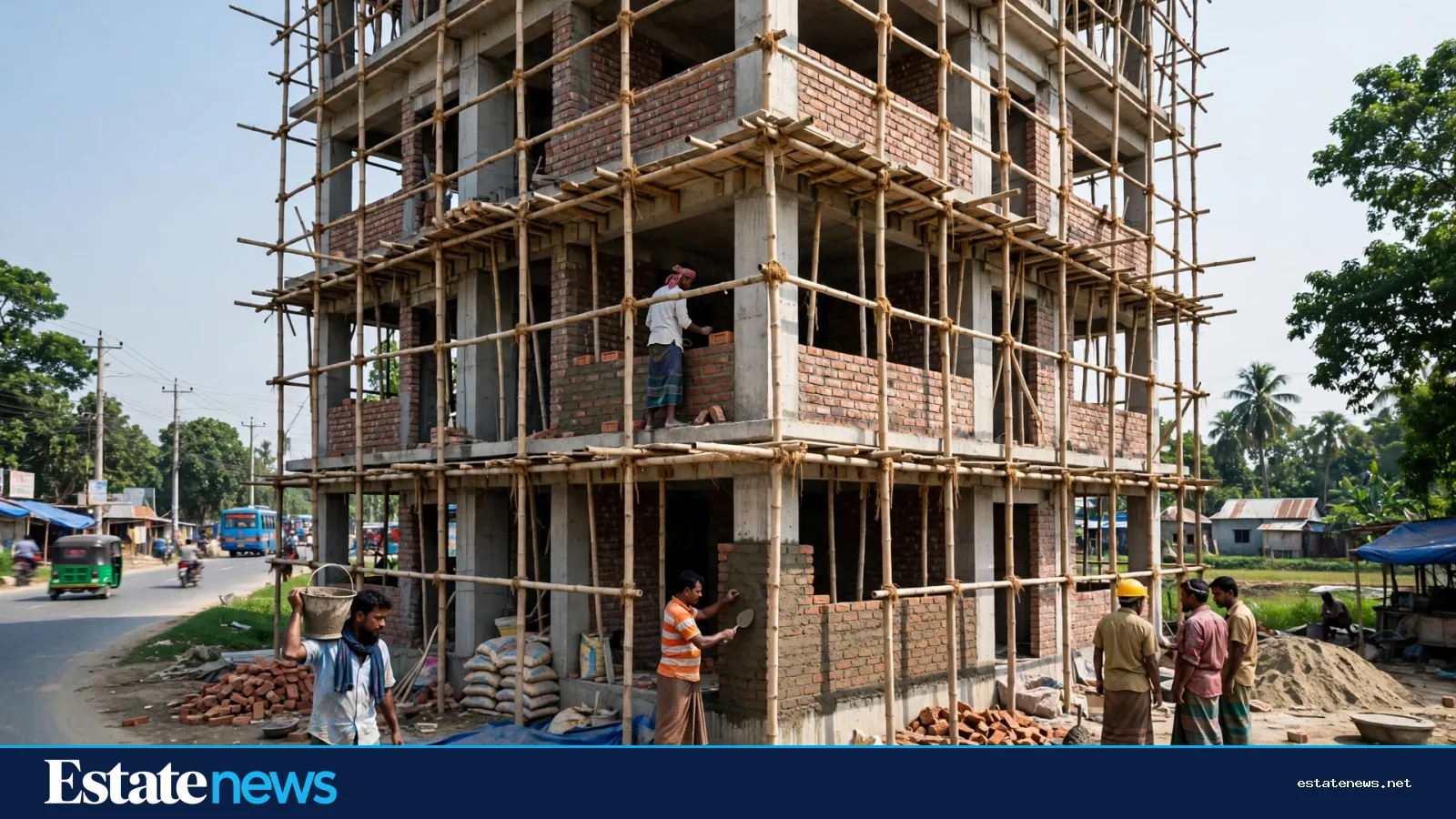
That distance is closing. Not all at once, and not evenly, but the direction is plain to anyone who walks the lanes behind the ghats. New apartment blocks stand half finished beside tin-roofed houses. Signboards advertise plots in housing projects. Families who could not find a flat they could afford in Dhanmondi or Mohammadpur are looking across the water and doing the sums. Keraniganj is becoming what the city's fringe always becomes sooner or later: the place where Dhaka's housing pressure lands next.
The river was the barrier, and the bridges are the argument

A housing market is, before anything else, a transport market. Keraniganj's case rests on three bridges and a road. The first Buriganga bridge at Postogola opened in 1989, giving the Dhaka-Mawa road a crossing that tied the southern districts to the capital. The second bridge at Babubazar followed, easing the load on the first. The third, the Shaheed Buddhijibi Bridge at Basila, opened in December 2009. It is 708 metres long and cost Tk 84.09 crore to build, according to the reports of its inauguration, and it linked Mohammadpur directly with Keraniganj and Nawabganj. Each crossing shortened the journey a little more, and each one made a plot on the far bank a little easier to imagine as a home.
The Dhaka-Mawa expressway finished the change. The road runs wide and fast from the city towards the Padma Bridge, which opened in 2022, and Keraniganj sits beside it rather than beyond it. RAJUK's Jhilmil residential project lies on this side of the river too, and a fourth Buriganga bridge with a flyover from Shantinagar to Jhilmil has been planned as a public-private partnership project since 2014. Plans are not crossings, and the flyover is still a plan. But the pattern is set: every new link pulls Keraniganj further into the city's daily commute.
The state is betting on this bank too
The clearest sign of where the state thinks the city is heading sits in RAJUK's own plans. The authority is planning a satellite town at Basila in Keraniganj, on 1,084 acres of land opposite the Basila bridge. The project was reported at Tk 66.70 billion, with 200 multi-storey buildings to house about 23,000 families and nearly 5,000 residential plots of three and five kathas. It would be RAJUK's fourth township around Dhaka, after Uttara, Jhilmil and Purbachal. The project was still seeking approval from the Planning Commission when it was reported, and no allotment has begun. Still, the scale of it tells its own story. A government that once built townships only inside the city now looks across the river for its next one.


Private developers moved earlier. Bashundhara's Riverview project has sold plots on the Keraniganj bank for years, and listings for its Dokhina blocks show asking prices of Tk 8 lakh to Tk 8.50 lakh per katha. Newer buildings on the same bank, such as the Dreams Palace Garden project on Road 9, list land shares from Tk 18.5 lakh. Those are asking prices from listings, not settled transactions, and they move with the road and the block. But the gap with Dhaka's inner areas is the whole point. A family priced out of a flat in the city can buy land here, build slowly, and still reach the office by bridge and expressway.
The plot buyer and the flat buyer want different Keraniganjs
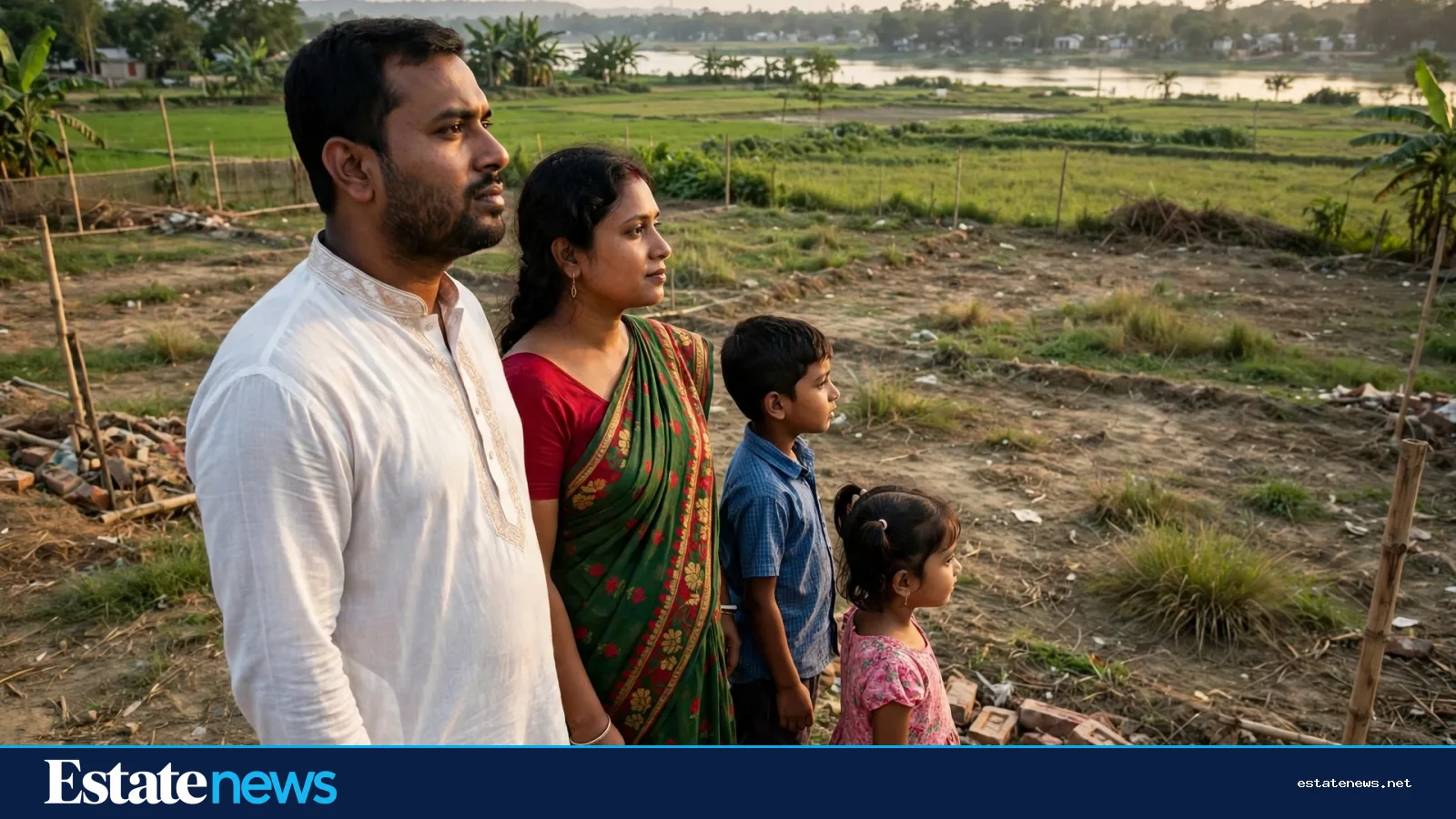
Two kinds of buyers are arriving, and they are not buying the same place. The first buys land. A plot of three or five kathas, a boundary wall, a house built room by room as money allows. This buyer is often a family with roots in the area, or a service holder who has saved for a decade and wants ground under his own feet rather than a share in a building. The second buys a flat, usually in a small building put up by a local developer, with a loan and a handover date. This buyer wants the city without the city's price: a lift, gas, water, and a road that does not flood in the monsoon.
Both buyers face the same questions, and the answers are less settled here than in Uttara or Bashundhara. Waterlogging is one. Much of Keraniganj is low land, and a plot that looks fine in November can stand in water in July. Gas and water connections are another. A building that promises both should be able to show the papers. The third question is the one that matters most, and it is about the land itself: clear title, updated mutation, and RAJUK approval for the project and the building. Large projects on this bank have faced approval questions in the past. The Daily Star reported in 2009 that the Riverview project had not received approval under the private housing project rules and that cases had been filed over wetland and land issues. That was years ago, and the position of individual blocks today must be checked block by block. A buyer who checks the documents at the land office before paying is not being difficult. He is being careful in a market where carefulness is the cheapest insurance available.
What the next ten years will decide
Keraniganj will not become another Dhanmondi. Its lanes are too narrow, its land too low, its services too thin for that. What it can become is something Dhaka needs more: a place where a middle-income family can own a home within an hour of work, with a school and a bazaar nearby and a river at the end of the lane. Whether that happens depends on unglamorous things. Drains that work in the monsoon. A second reliable crossing when the first bridge closes for repair, as Postogola did in 2024. Bus routes that run on time. Building rules that are enforced before the concrete sets rather than after.
The boats will keep leaving before the light. That will not change. What has changed is who is waiting on the far bank when they return in the evening. More of them now step off the boat and walk towards a gate with their own name on it, on land that was fields when their parents crossed the same river. Keraniganj's housing story is still being written, one plot and one building at a time, and the river that once kept it apart is now the reason people can afford to live there.