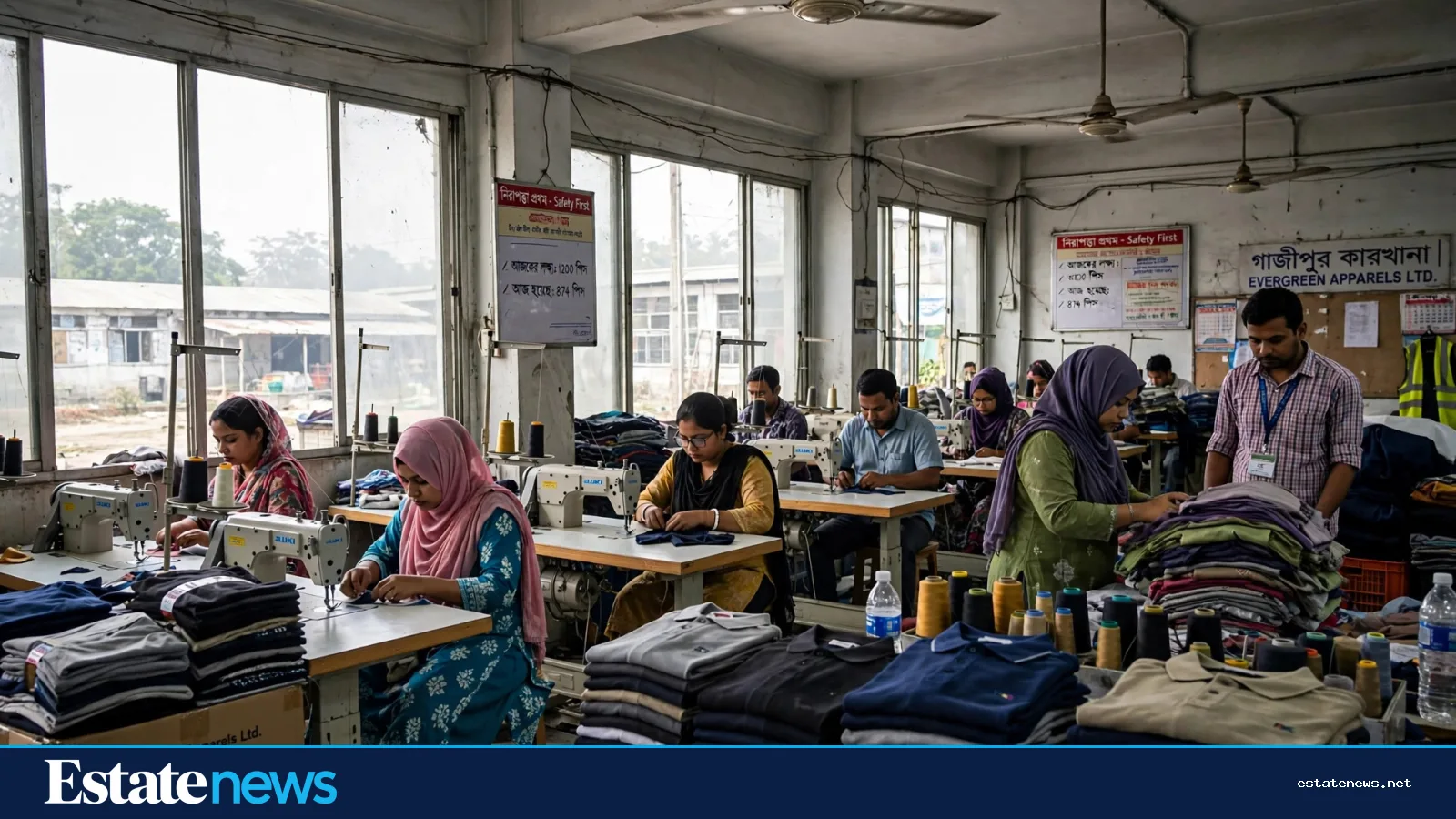
The number on the table is Tk 32,000. That is what the workers' side has proposed to the Minimum Wage Board as the minimum monthly wage for Grade 4 garment workers. Behind the number sits a household budget. Workers' representative Babul Akhter told the board that a worker needs Tk 45,000 to Tk 60,000 a month to keep a family of four fed, housed, treated and schooled. The employers' side was scheduled to submit its own written proposal, and did not. The board, chaired by Syed Azad Subhani, is expected to decide in December.
The gap between the proposal and the family budget is the story. Tk 32,000 is the workers' side's ask, made with the industry's capacity in mind. Tk 45,000 to Tk 60,000 is what the same representative says a family actually needs. The difference is covered today by overtime, by two earners, by shared rooms, and by cutting back on food and healthcare. A wage board decision will not close that gap in one move. It will decide how much of it the monthly pay packet covers, and how much families keep covering themselves.
Where the money lands

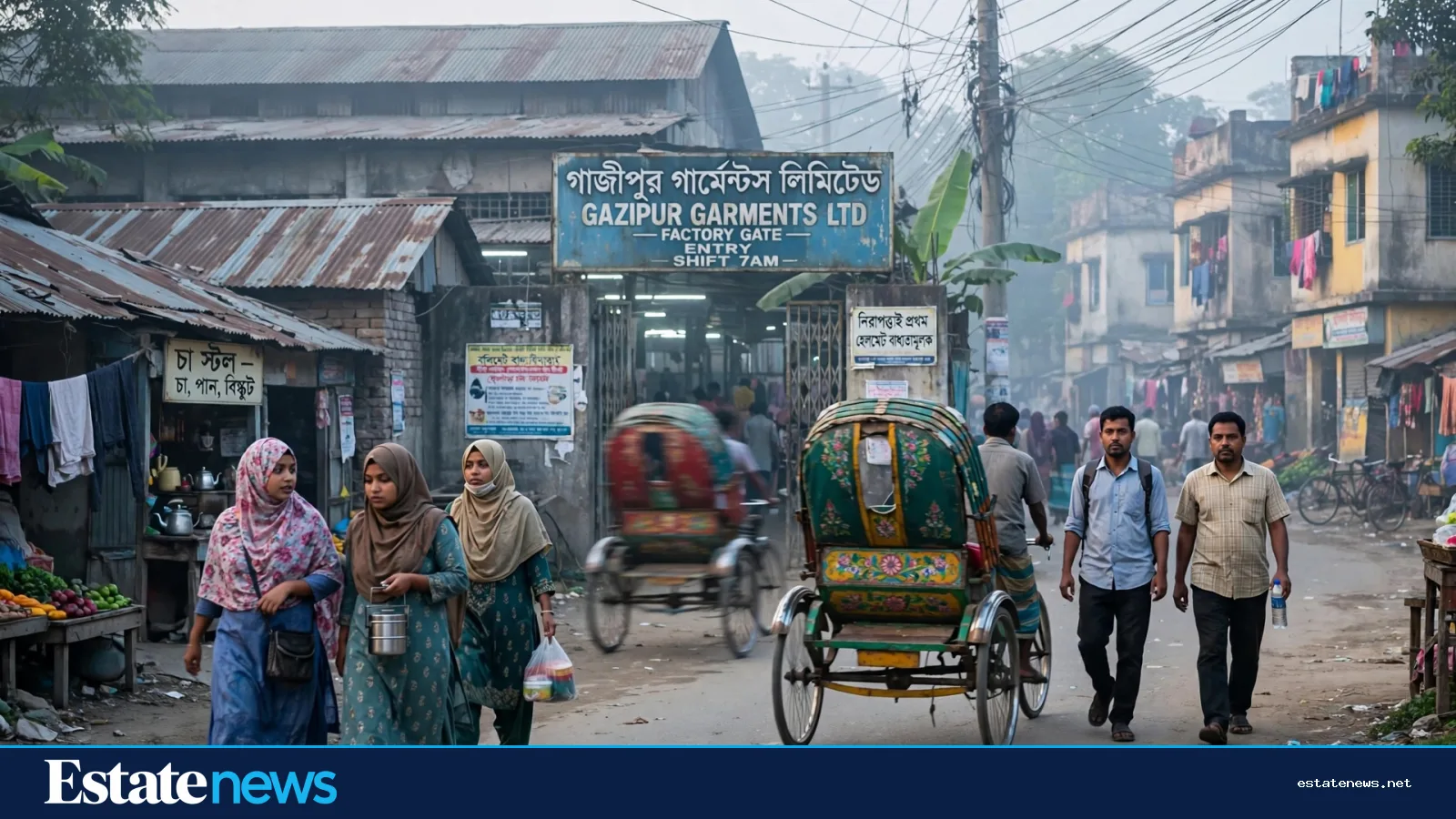
The money lands first in the factory towns. Gazipur's industrial belt, Tongi, Konabari, Kashimpur, Board Bazar, Chandana Chaurasta, Chandra, Safipur and Mouchak, is home to about 20 lakh workers who have moved there from districts across Bangladesh. Most of them live in mess rooms, single rooms or small rented flats near their factories. Ashulia and Narayanganj hold the same pattern on Dhaka's other edges. A wage rise in these towns is not an abstract figure. It is rent money, food money and school-fee money, spent within walking distance of the factory gate.
That is also why a wage rise rarely stays in the worker's pocket for long. Reports from Gazipur this month describe the pattern clearly. A machine operator at Spero Garments received a notice from her mess owner that the rent for her room will rise by Tk 1,000 from the new year, with higher utility costs cited as the reason. A compliance officer at Intramex Garments told reporters his rent has climbed from Tk 14,000 to Tk 18,000 a month in the past two years. Workers share rooms to split the cost, and when the rent rises past what they can pay, some move rooms, some move into shared mess arrangements, and some send family members back to their village homes. The wage question and the rent question move together, and the rent often moves first.
What the industry can carry


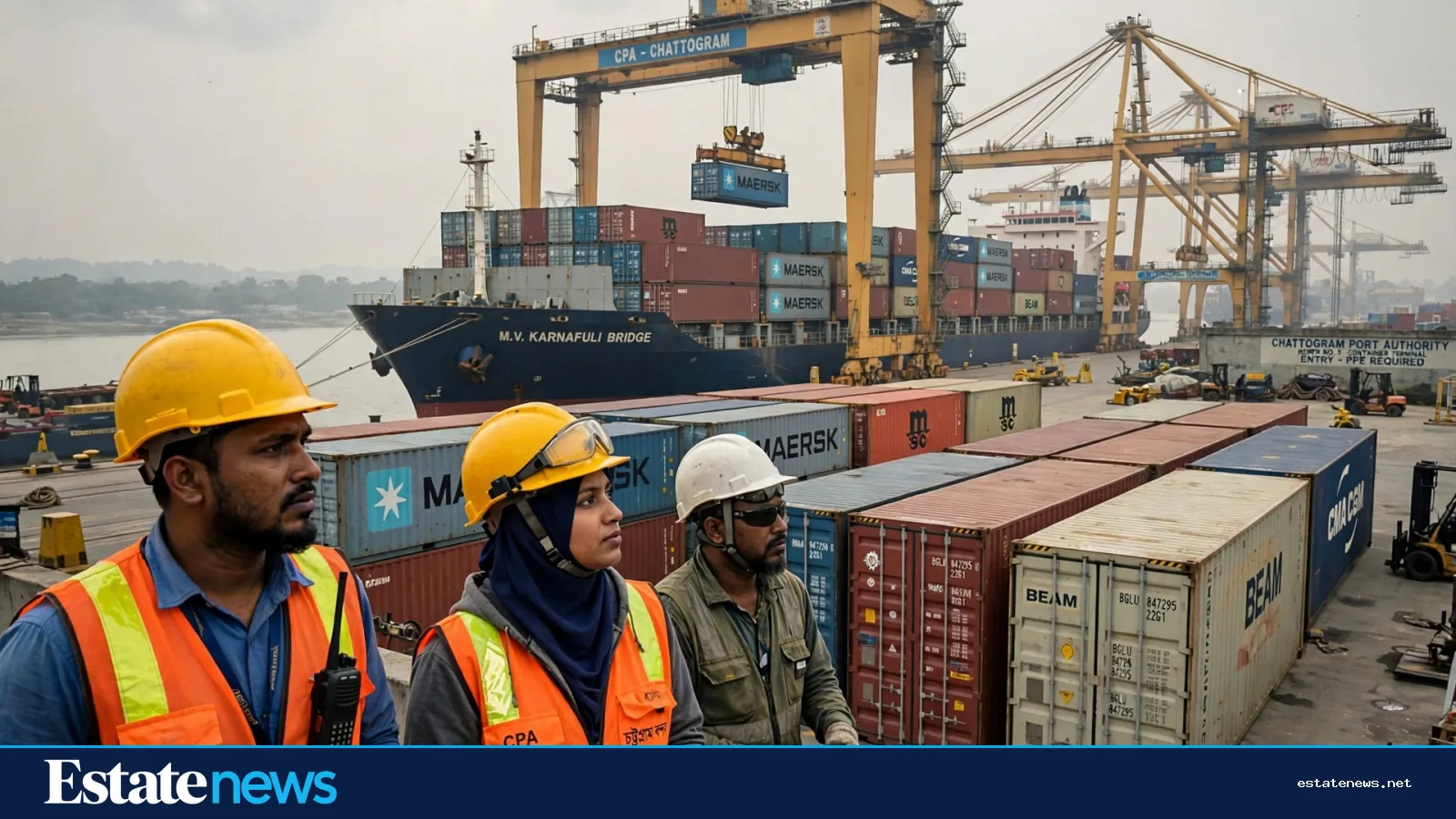
The industry paying the wage is the one carrying the country's exports. October exports reached $3.99 billion, up 4.39 percent on a year earlier, and garments brought in $3.17 billion of that. The sector employs more than four million people and brings in about four-fifths of export earnings. A wage board has to weigh two facts at once: the worker's household budget, and the factory's order book. The Daily Star's opinion pages this week asked the same question, what makes a higher garment wage affordable, and the answer turns on productivity, order prices and the costs factories can pass on.
For housing, the question is simpler. If wages rise and rents rise with them, the gain for a factory family is smaller than the headline suggests. If wages rise and rents hold, families can move from a shared mess room to a room of their own, or from a tin-shed room to a flat with water and a fan that works. That is the difference between a pay rise and a better home. It depends on landlords, on how many rooms exist near the factories, and on whether new housing for workers keeps pace with the jobs.
The decision to watch
December is the month to watch. The board's decision will set the floor for millions of pay packets, and the factory towns will feel it within weeks, in rents, in room-sharing, and in the small flats families start to look for. The employers' proposal, when it comes, will show how far the industry thinks it can go. Until then, the numbers on the table are the workers' ask, Tk 32,000 for Grade 4, and the family need behind it, Tk 45,000 to Tk 60,000 a month. Both numbers deserve to be read together. One is what is being asked for. The other is what a family of four actually costs.
For readers in Gazipur, Ashulia and Narayanganj, the practical point is timing. A family planning a move, or a landlord planning a rent rise, is working with a decision that has not been made yet. The October export figures show the industry's income is still growing. The Narayanganj guide shows how workers in one river-port city are already buying homes of their own. The wage decision will shape how many more families can follow.