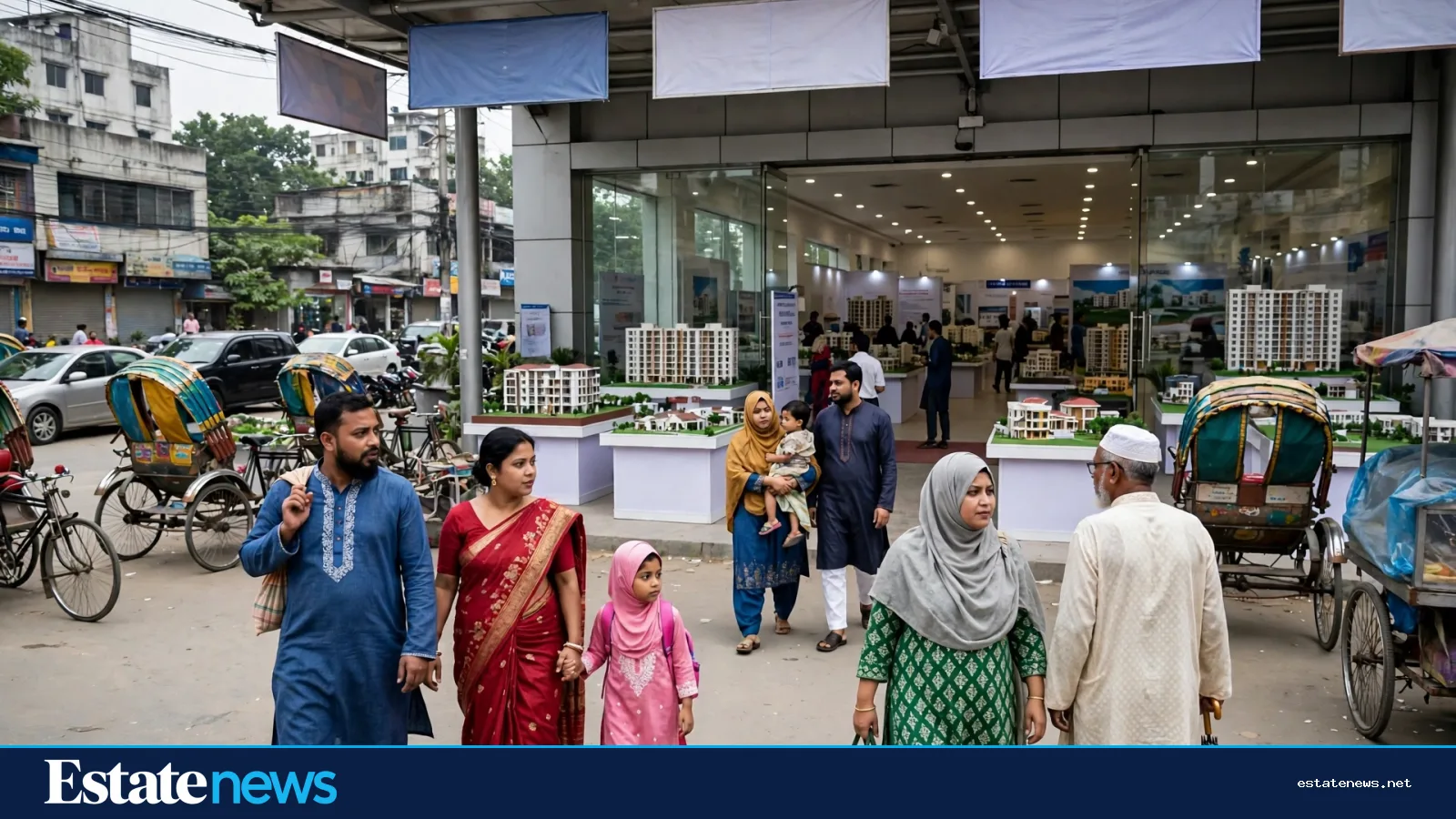
REHAB's new leadership has put affordable housing at the top of its agenda, with a plan for small flats priced around Tk 40-60 lakh in Savar, Gazipur and Keraniganj. President Ali Afzal and senior vice-president Abdur Razzaque formally took office on Wednesday 4 November 2026, after their election on 18 April, and the affordable-housing pledge was among their first public commitments, according to reports on 6 November.
The price range is the heart of the promise. A flat at Tk 40-60 lakh is within reach of a far wider group of buyers than the flats now selling inside Dhaka, where land prices push even a modest apartment well beyond that band. REHAB says flats inside Dhaka at that price are not feasible under current conditions. The land costs too much, and the maths does not work. Outside the city, in the towns where land is cheaper and new roads are opening up, the association says it can be done.
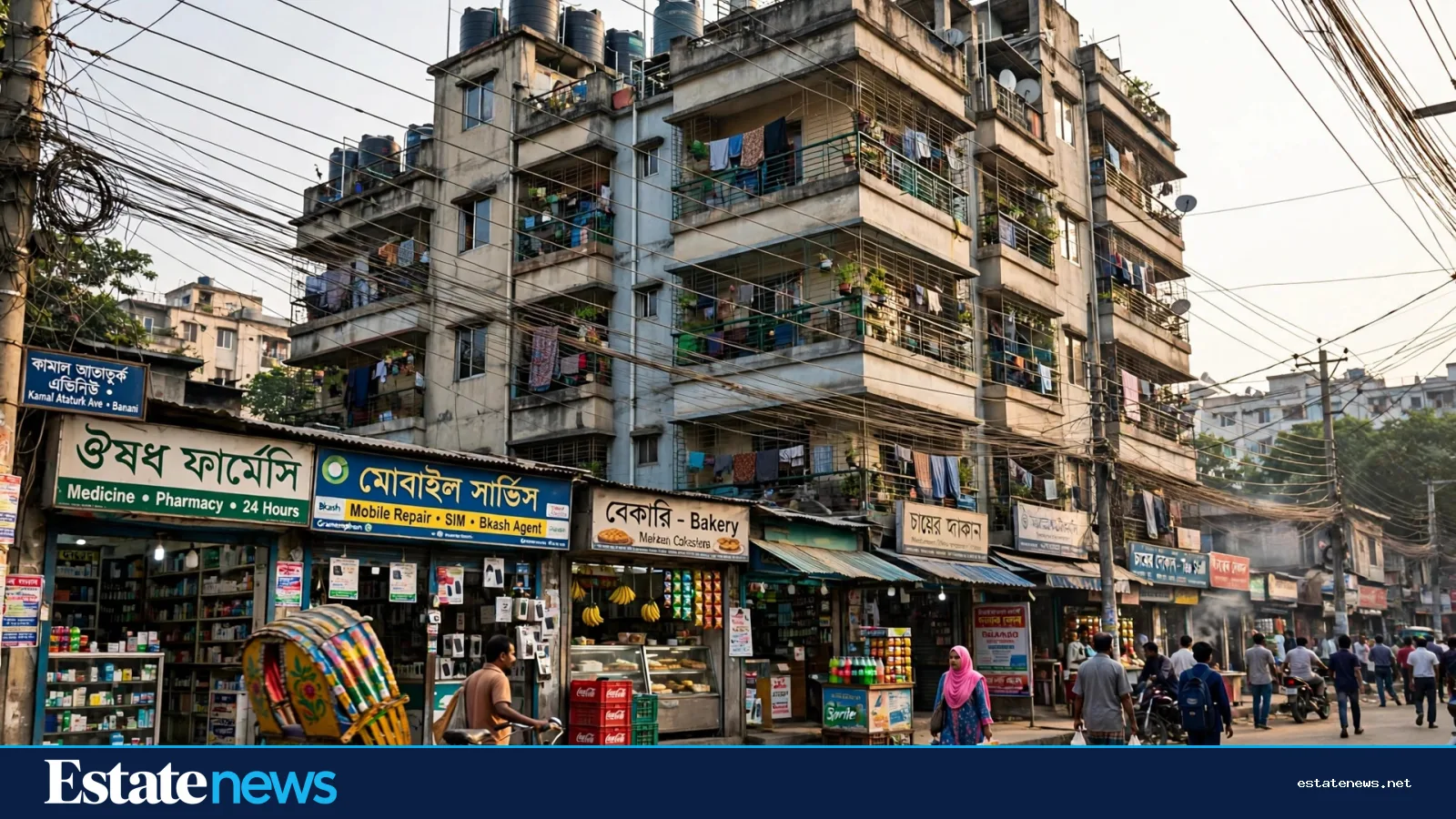
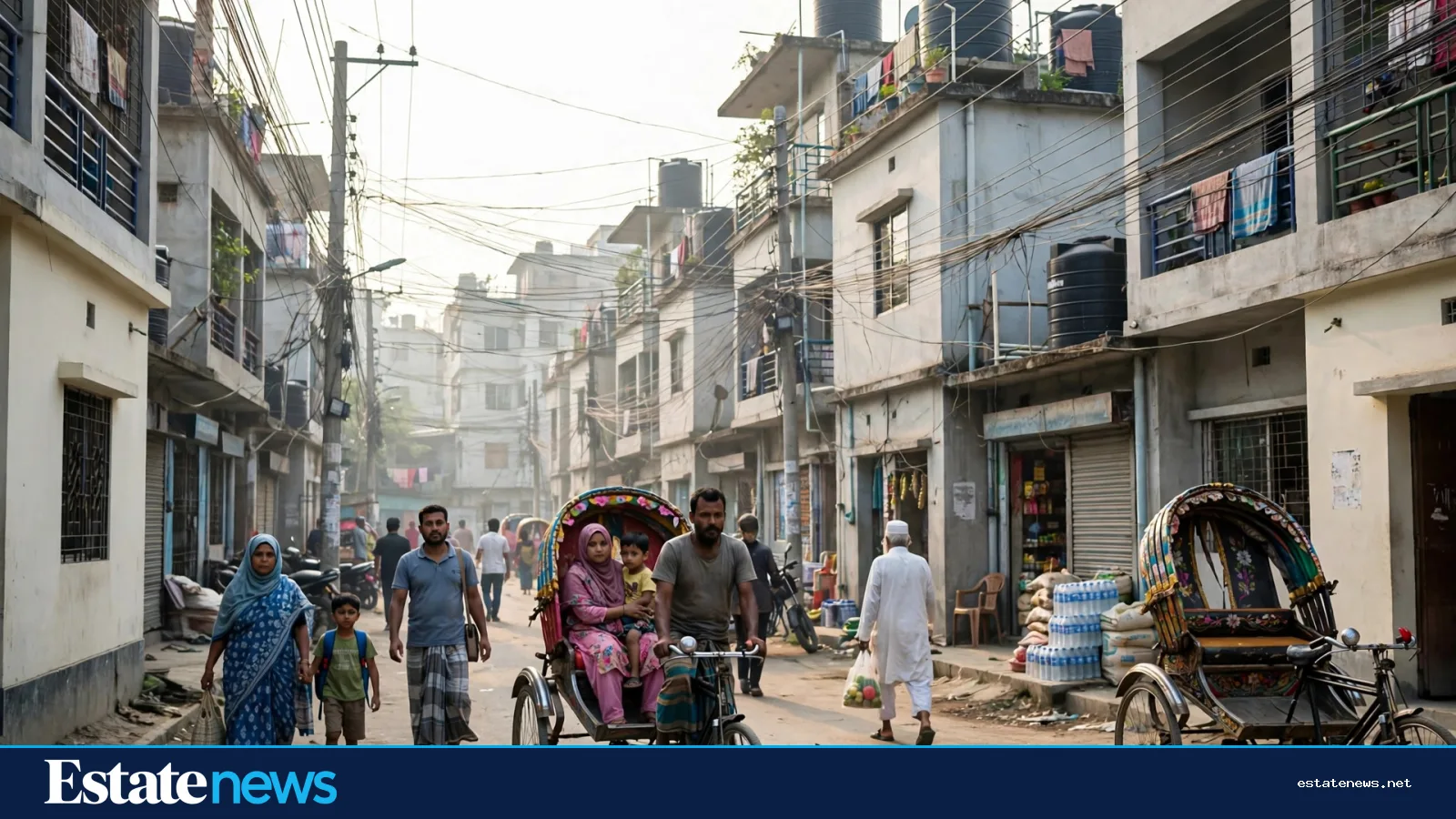
Savar, Gazipur and Keraniganj are not random choices. Each sits on Dhaka's edge, close enough for a daily commute and far enough for land prices to fall. Savar has the Dhaka-Aricha highway and a growing industrial belt. Gazipur has factories, workers and a fast-growing housing market of its own. Keraniganj, across the Buriganga, has long been Dhaka's overflow town, where families priced out of the capital already look. A small flat in any of the three is a different proposition from a small flat in Mirpur or Uttara: cheaper, larger in some cases, and tied to a commute that buyers have to weigh honestly.

A meeting with RAJUK
The pledge did not stop at a press statement. On Thursday 5 November, a REHAB delegation led by Ali Afzal met RAJUK chairman Engineer Riazul Islam, according to the Daily Asian Age. The delegation pressed for amendments to the Detailed Area Plan, the DAP, along with more high-rise and planned construction, separate zones for agriculture, housing, industry and afforestation, and credit facilities outside Dhaka.
The DAP matters because it decides what can be built where. Developers say the current plan holds back planned, taller building in the places where Dhaka needs it, while farmland and housing sprawl into each other without clear lines. Separate zones, they argue, would protect farmland and let housing grow in the places set aside for it. RAJUK's chairman accepted the proposal for a dedicated extended session to discuss the matter, the report said.
That is a hearing, not a decision. DAP reform has been argued over for years, and a single meeting does not change a plan. What it does show is the new REHAB leadership's method: take the affordable-housing case to the regulator in the same week as taking office, and frame it as a planning question, not only a price question.
What a Tk 40-60 lakh flat means for a buyer


For a family earning a steady salary, the difference between a Tk 50 lakh flat and a Tk 90 lakh flat is not a detail. It is the difference between a loan they can carry and one they cannot. A smaller loan means a smaller monthly instalment, a smaller down payment to save, and less of the family's income tied up for the next twenty years.
The catch is the commute. A flat in Gazipur is cheap until the daily trip to Dhaka is counted in hours, in bus fares and in tired evenings. A flat in Keraniganj is cheap until the bridge traffic is counted. Buyers should visit at the hour they would actually travel, not on a quiet Sunday morning, and they should ask about gas, water and the road in the monsoon before they ask about the tiles.
The pledge also raises a question about timing. REHAB has set out the price and the places. It has not yet set out a list of projects, with names, locations and launch dates, that buyers can visit. Until those projects appear, the promise is a direction of travel, not a catalogue. That is normal for a new leadership's first week. It is also the reason buyers should watch for the project announcements that follow, and judge the pledge by them.
The wider picture
Affordable housing has been the missing middle of Bangladesh's property market for years. At the top, developers build for buyers who can pay. At the bottom, families build their own homes plot by plot. In between, the salaried family that wants a small, finished flat, with a clear title and a lift that works, has had little to choose from inside Dhaka. The REHAB plan, if it holds, aims squarely at that gap.
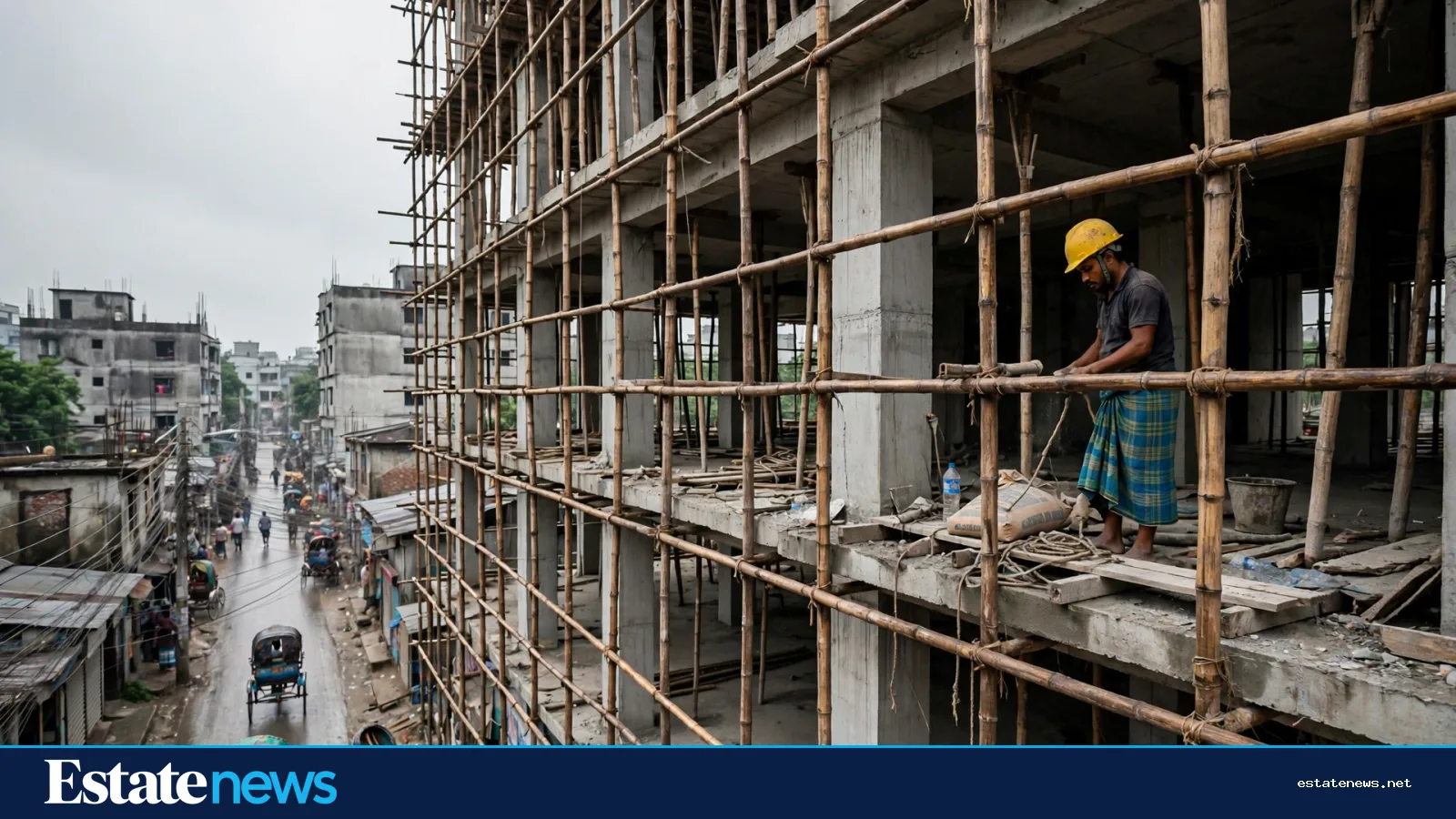
The association's other stated aim, protecting farmland, sits beside the housing pledge for a reason. Every new housing project outside Dhaka takes land, and the line between a planned town and a sprawl of plots is drawn by the DAP and by the credit that follows it. Credit facilities outside Dhaka, one of the points raised with RAJUK, would let buyers borrow for those flats on terms closer to what Dhaka buyers get. Without that, a cheap flat can still be hard to buy.
For now, the new leadership has said what it intends to do. The test will be the projects: their names, their prices when they are announced, and whether the families they are aimed at can actually buy them. Estate News will follow those announcements as they come.