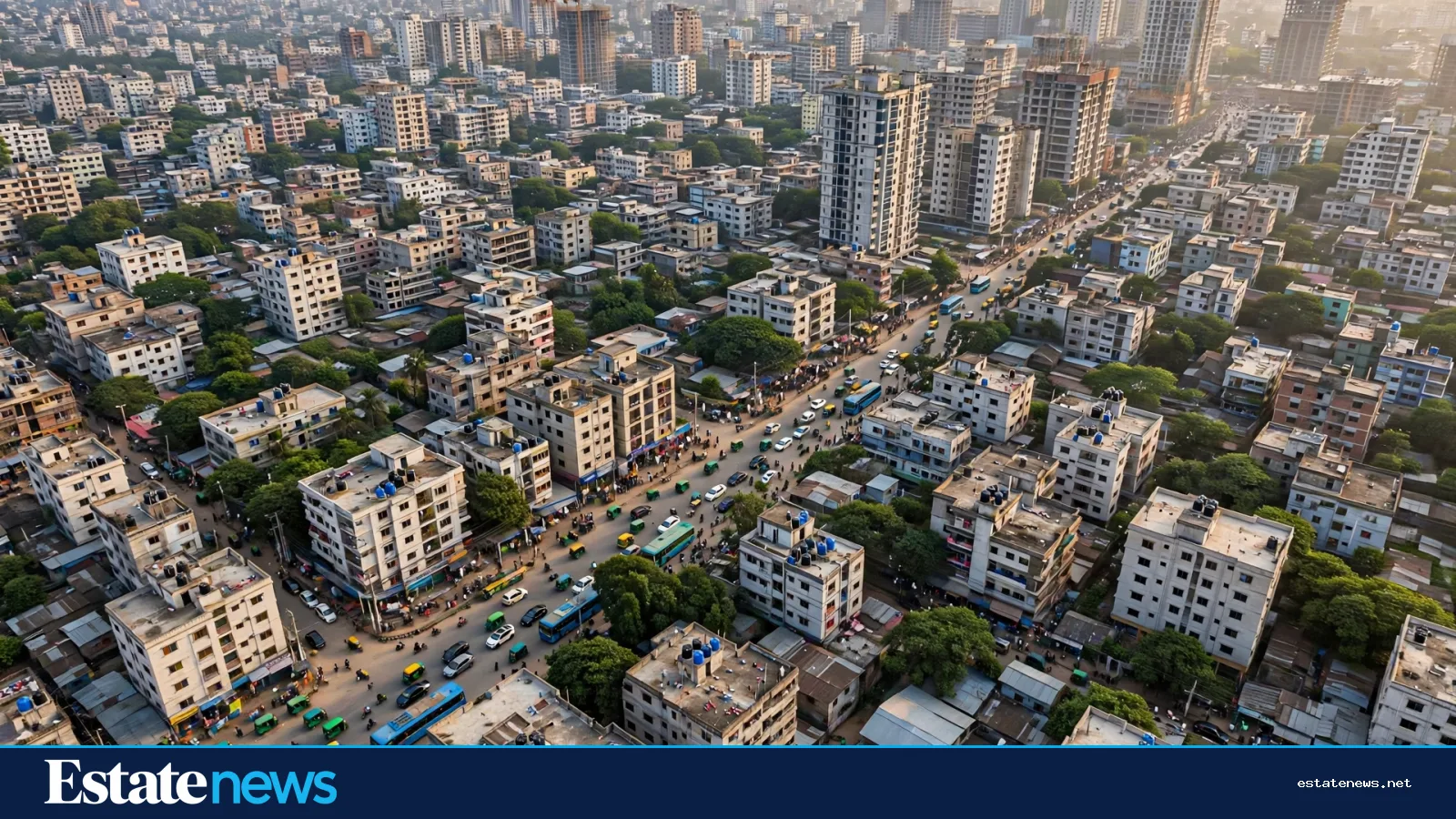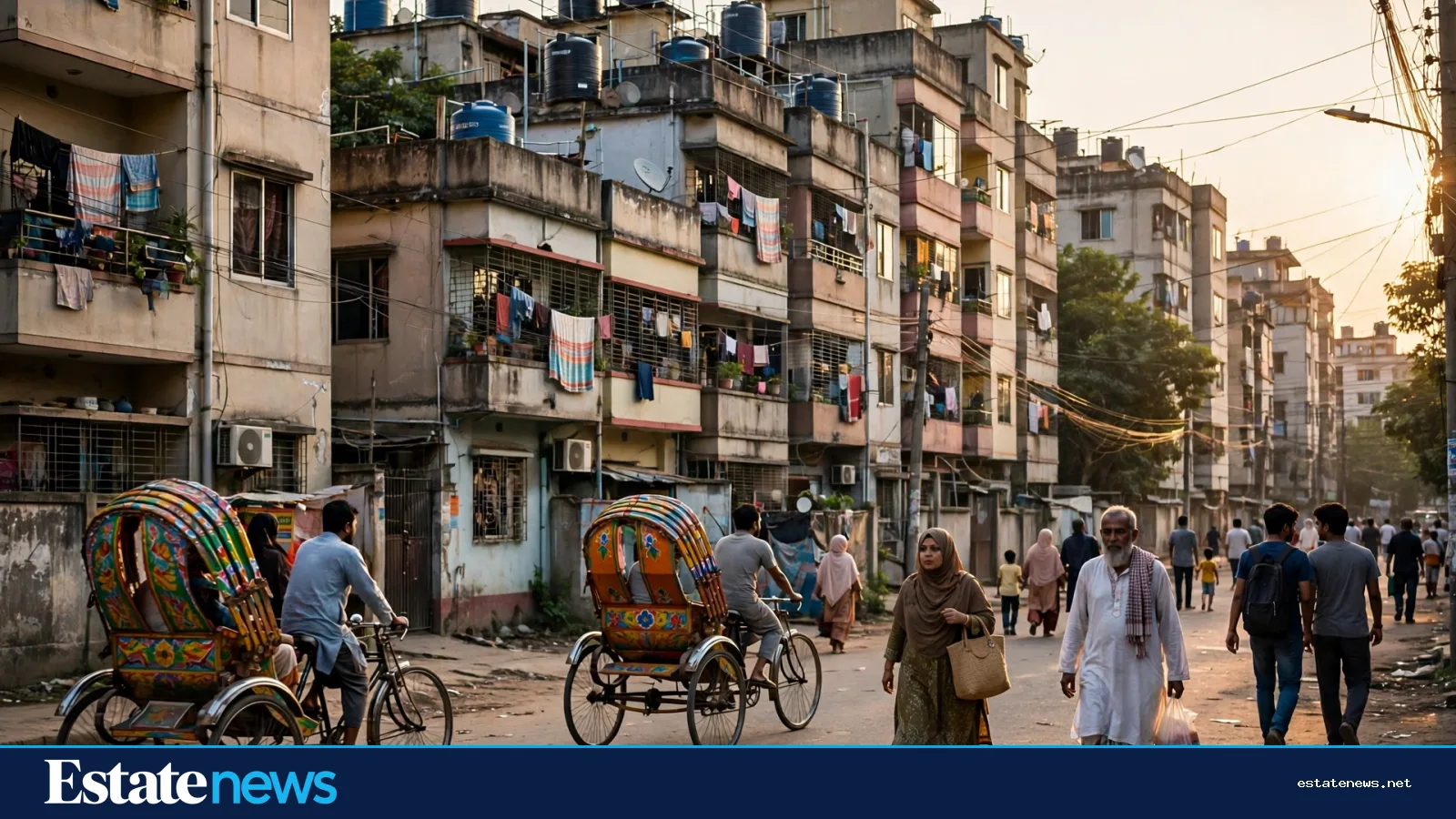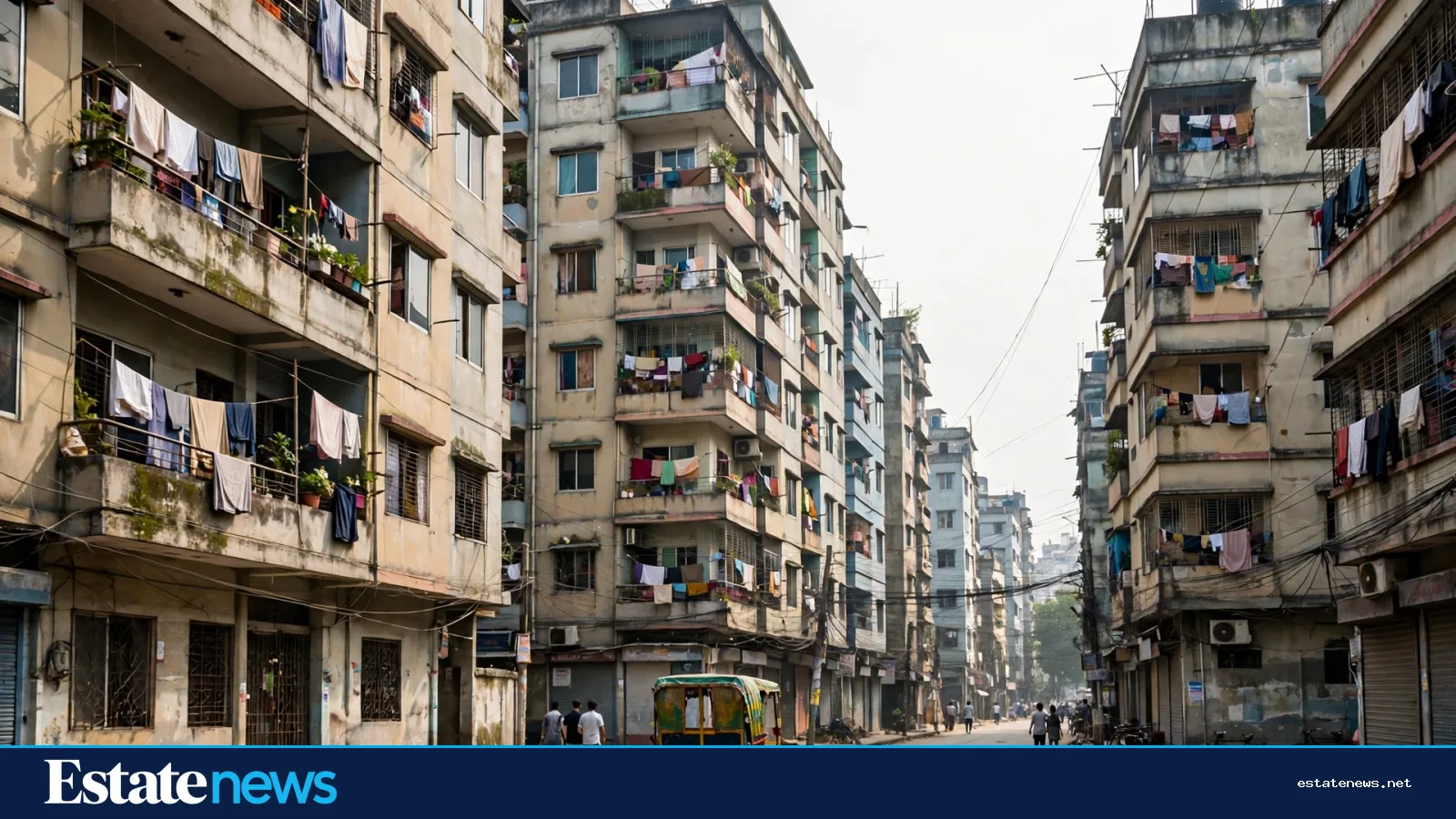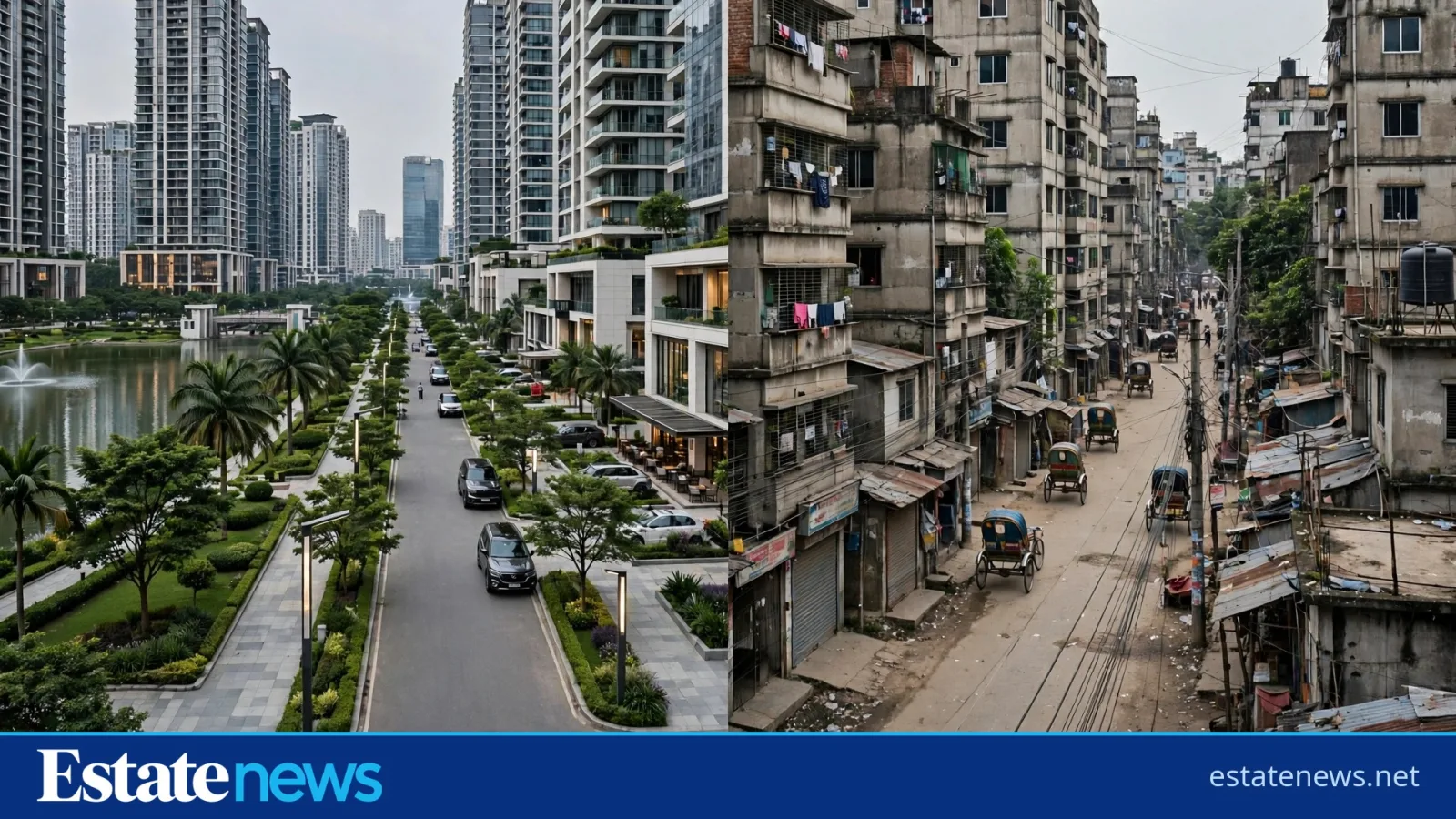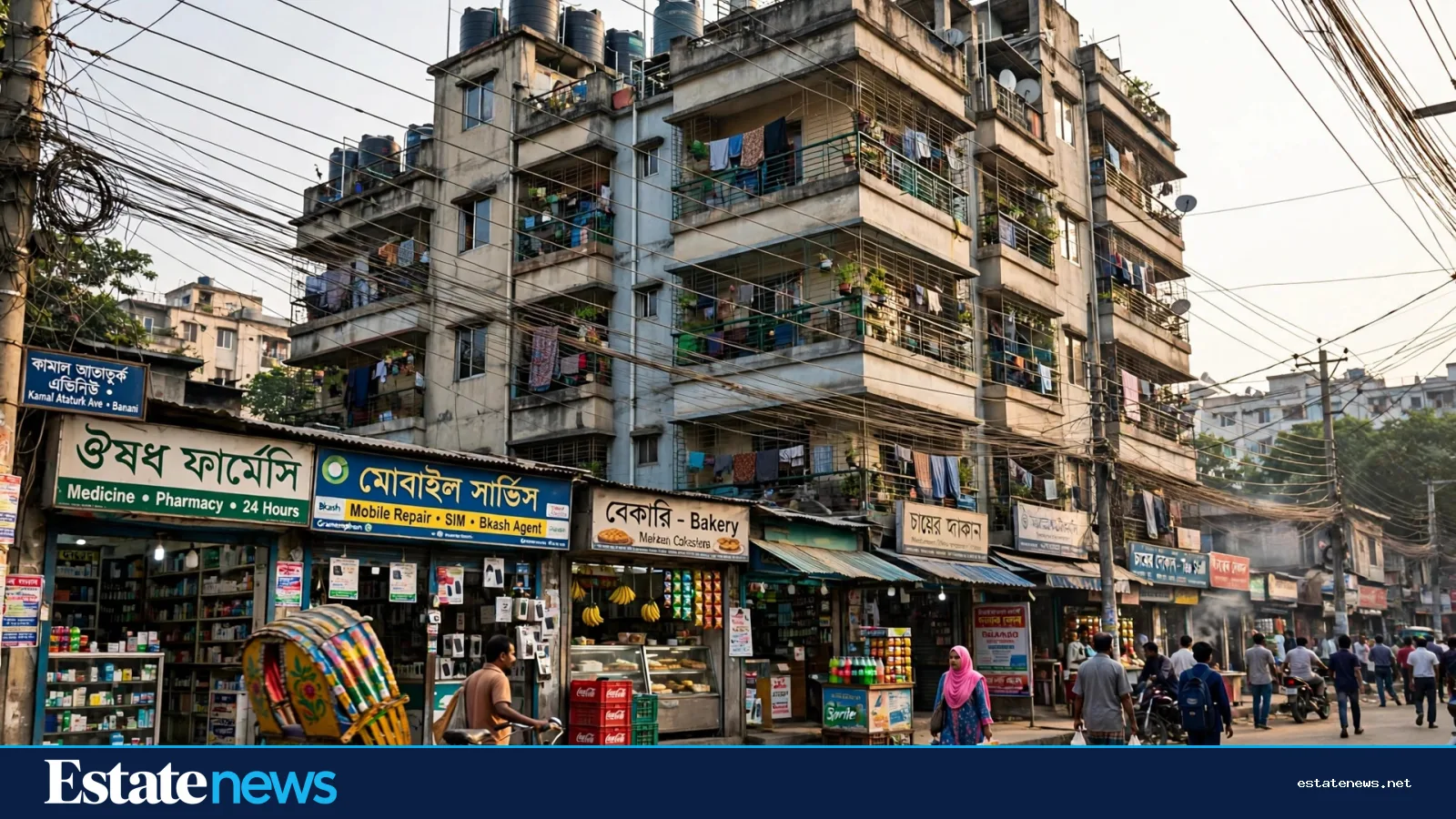
Banani's Road 11 changes slowly. The same apartment blocks stand for years, their gates opening onto the same pavements, while new towers rise a few plots away. Walk the road on a weekday morning and the pattern of this part of Dhaka is easy to read: older houses giving way to mid-rise apartments, shops at street level, families who have lived in the area for a decade or more. It is here, in this settled corner of the city, that ABC Real Estates put down its roots.
The company keeps a low profile. It does not run the kind of loud campaigns that fill hoardings across the city, and its name travels mostly by word of mouth among buyers, brokers and residents of the areas where it builds. That quiet approach has a long history in Dhaka's property market, where a developer's reputation often rests on what previous buyers say at family gatherings and in building meetings rather than on advertising.
ABC Real Estates works across five of Dhaka's best-known residential areas: Banani, Uttara, Dhanmondi, Gulshan and Baridhara. It also builds in Chattogram. The spread matters. Each of these areas has its own buyer, its own price band and its own daily rhythm, and a developer that works in all of them has to learn five different markets at once. Banani buyers want quiet lanes close to Gulshan's offices and schools. Uttara buyers want wider roads and newer blocks. Dhanmondi buyers want the old neighbourhood feel, the lake, the schools and the hospitals within walking distance.

A Banani address, and an Uttara one
Two projects put the company's shape in clear view. ABC House stands in Banani, in the area where the company began. ABC Heritage stands in Uttara, in the northern part of the city where so much of Dhaka's new apartment demand now sits. The two addresses, taken together, describe a builder that started in the established centre and followed its buyers north as the city grew.
The company's own website, abcreal.com.bd, lists its work across Dhaka and Chattogram. ABC Real Estates appears in the REHAB member directory, the register of the Real Estate and Housing Association of Bangladesh. For buyers, that listing is one of the first checks worth making about any developer, alongside the deed, the RAJUK approval and the handover record of earlier projects.
Dhaka's apartment market rewards patience in a particular way. A developer that finishes one building, hands it over, and then starts the next in the same area builds a record that neighbours can see. They can walk past the finished building. They can ask the residents how the lift runs, how the water pressure holds up in summer, whether the gas line was connected on time. In a market where trust is scarce, a finished building in your own neighbourhood is the strongest reference a developer can carry.
What the Uttara move says about Dhaka


Uttara has become the test of that idea. The area's sectors filled up over two decades, first with houses, then with apartment blocks, and now with the third and fourth phases of building. Families who bought in Uttara in the early years now look for larger flats in the same area, or for a second flat for a married child. Developers that arrived early in Uttara, and stayed, know these buyers by name and by history.
ABC Heritage sits inside that story. Uttara's buyers tend to ask practical questions first: how far is the flat from the main road, which school is nearest, how long does the commute to Motijheel or Gulshan take on a working morning. A developer answering those questions has to know the area street by street, not from a brochure but from years of working there.
The same logic applies in Dhanmondi and Gulshan, where land is scarce and plots change hands rarely. Building there means working with old plots, old neighbours and tight sites. It also means buyers who have lived in the area for years and who compare a new project against the building next door, flat by flat.
A market that rewards staying power
Bangladesh's housing market has seen many developers arrive with a single project and disappear. The ones that last tend to share a pattern: they build in a small number of areas, they finish what they start, and they keep building in the same places. ABC Real Estates fits that pattern. Its footprint is narrow and deep rather than wide and thin.
That narrowness carries its own questions. A developer concentrated in a few areas rises and falls with those areas. When Banani's market slows, or when Uttara's new supply outpaces demand, a builder with most of its work in those places feels it directly. Buyers weighing a flat in any of the company's projects should ask the same questions they would ask of any developer: what has been handed over, what is under construction now, and what the building's own residents say about living there.
For now, the company's record is written in concrete across five Dhaka neighbourhoods and in Chattogram. The buildings stand, the addresses are real, and the buyers who live in them are the ones who will decide, over the next few years, whether the quiet approach keeps working.