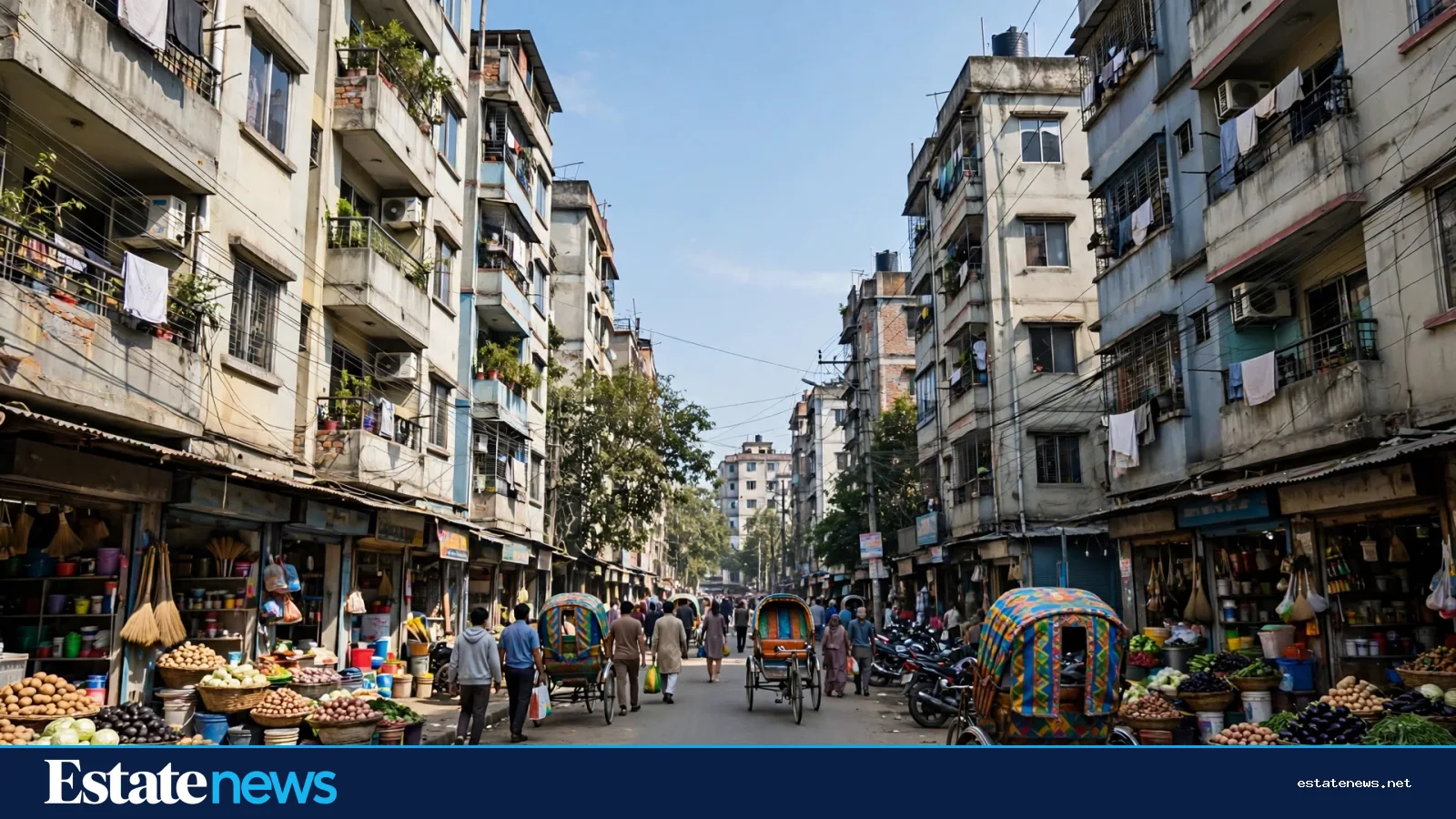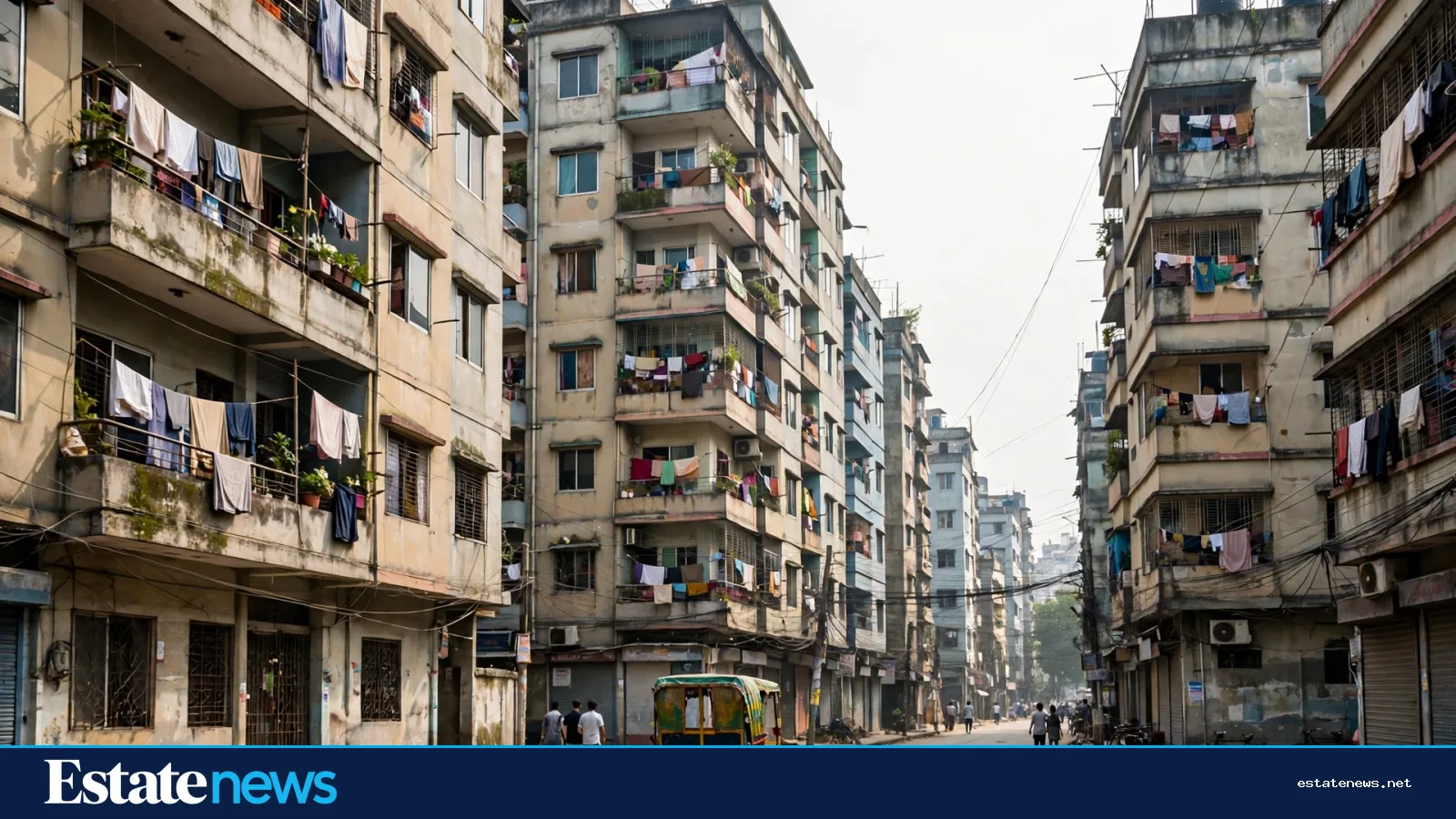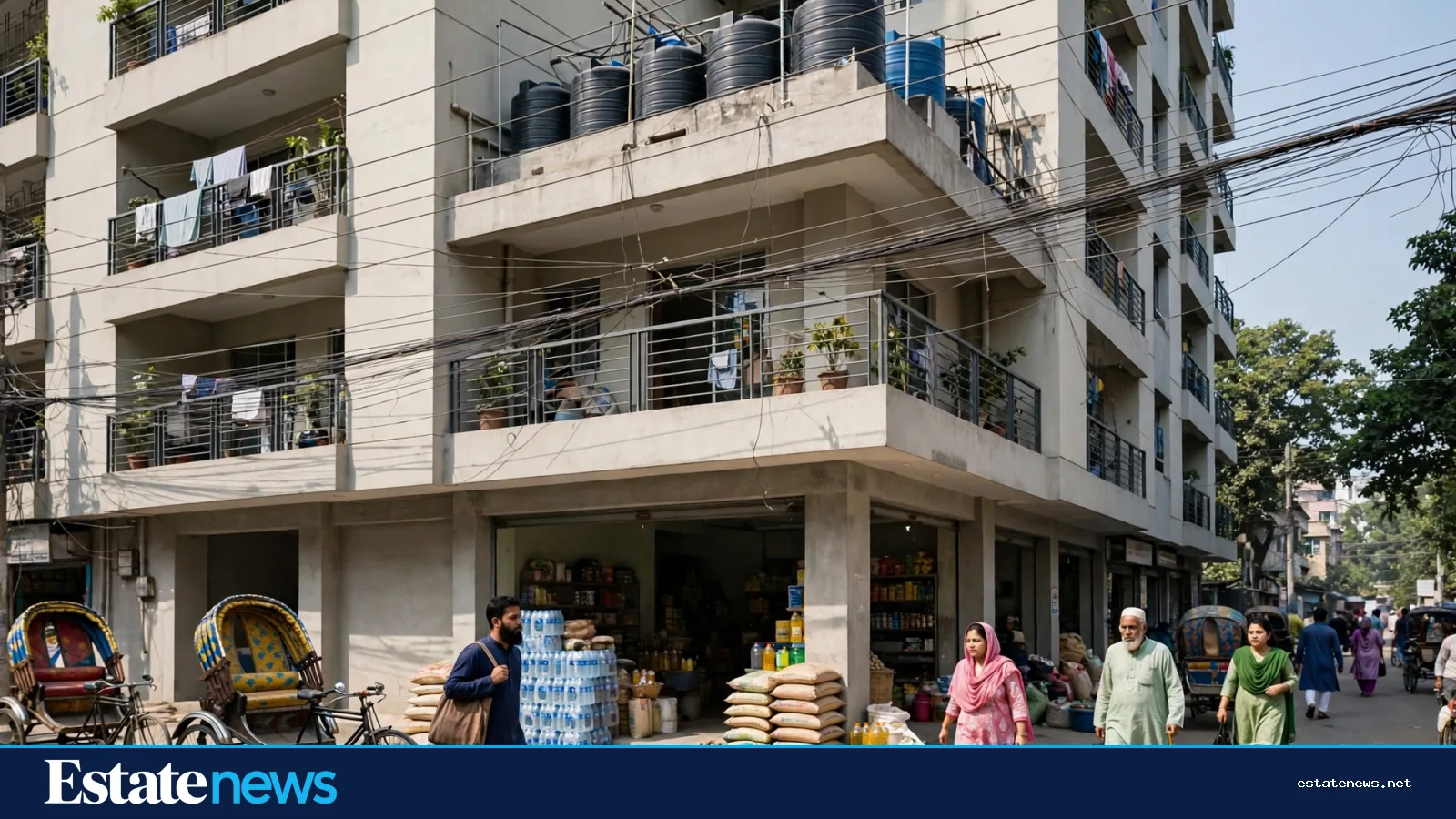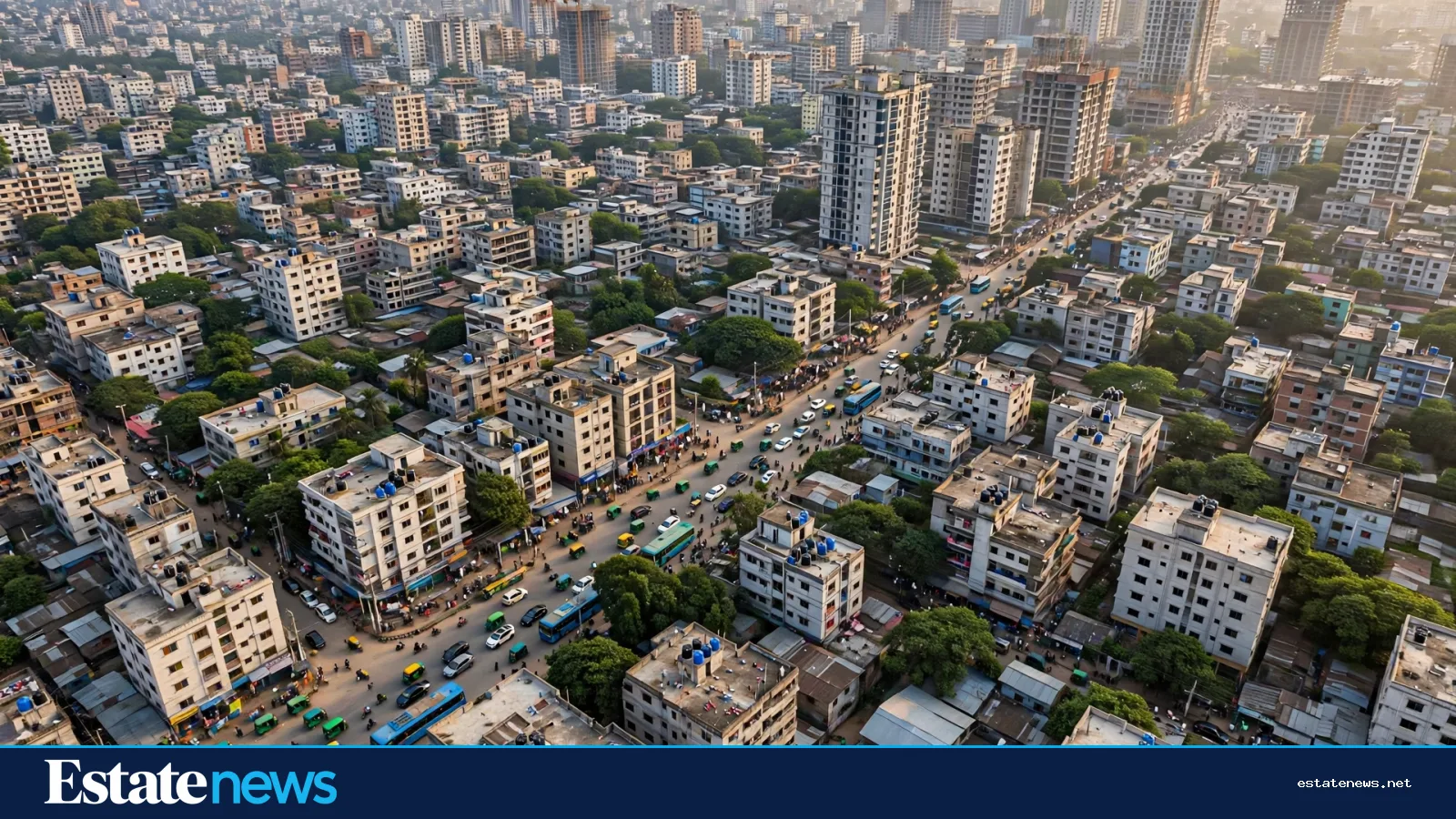
Ask a Dhaka seller what a flat is worth and the answer starts high. Ask a buyer and the answer starts low. The asking price sits between them, and it is the only number a buyer can actually see before a negotiation begins. Estate News tracks asking prices for that reason: not to declare what homes are worth, but to show what sellers are asking, area by area, so buyers can compare like with like.
The November snapshot comes from medians of listings in each area. A median is the middle listing, not an average pulled up by a few very expensive homes. It is a fairer guide to what a typical listing asks. The figures below are asking prices. They are not transaction prices, and they should be read that way throughout.
Gulshan and Dhanmondi sit at the top of the tracker, both at Tk 20,000 per square foot in asking medians. Banani follows at Tk 13,888 per square foot. Uttara stands at Tk 12,500. Bashundhara Residential Area records Tk 9,865. Mirpur, at Tk 8,700 per square foot, is the most affordable of the six.

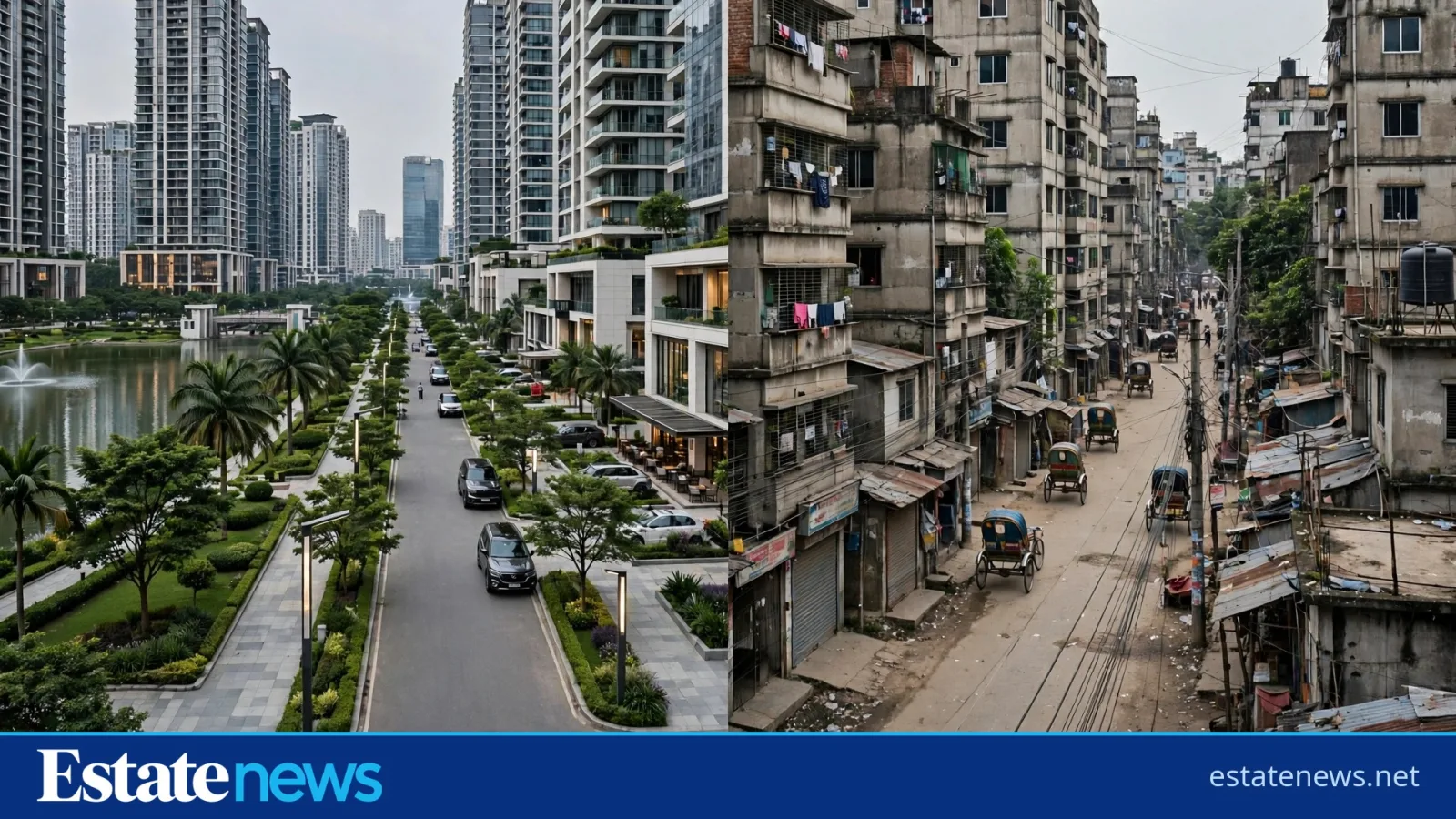
Read the spread before the single numbers. A 1,200 square foot flat at the Gulshan median asks Tk 2.4 crore. The same size at the Mirpur median asks about Tk 1.04 crore. That is more than double, for the same floor area, and the difference buys location, building age, road width, security, and the neighbours a buyer is paying to live beside. It does not buy twice the flat.
The medians sit inside the ranges that published developer guides quote for the same areas. One 2026 guide puts Gulshan at Tk 15,000 to Tk 45,000 per square foot and Banani at Tk 13,000 to Tk 40,000, while Mirpur and Uttara sit in a Tk 5,000 to Tk 18,000 band. The tracker medians fall inside those bands, which is what a careful buyer wants to see: the middle of the market, not its edges.
How to use an asking price
Start with the area, then the building. A median covers whole neighbourhoods, and a single road can change the price. A flat on a wide road in Uttara asks more than one down a narrow lane in the same sector. A new building with a lift and gas asks more than an older one without them. The asking price is the opening of a conversation, and in Dhaka that conversation usually moves.


Check the size that the price is quoted on. Some listings quote carpet area, some quote super built-up area, and the difference can be a tenth of the flat. Ask for the deed area and the common area split before comparing two flats. A cheaper per-square-foot figure on a larger quoted area can cost more in total.
Then count the costs that sit outside the asking price. Registration, stamp duty, local government tax and VAT on a new flat can add a large share to the bill, and a buyer who budgets only the asking price will be short at the sub-registry. Estate News has a worked guide to those costs in today's edition.
What the map does not say
This snapshot is a fresh reading, not a claim of a measured rise or fall against October. Listing medians move when the mix of listings moves. A month with more luxury listings in Gulshan lifts the median without a single flat changing hands at a higher price. A month with more small flats in Mirpur pulls it down the same way. Treat the map as a guide to where the market sits, not as a verdict on where it is heading.
The useful question for a buyer is narrower. Pick one area, pick one size, and watch the listings in that slice for a few weeks. If the same flats stay listed at the same asking prices, sellers are holding firm. If listings disappear quickly, buyers are meeting the ask. If prices are cut and flats still sit, the asking price was a wish. No citywide average can answer that question. Only the street a buyer wants to live on can.
Method: figures are asking-price medians from listings in each area, collected for the November snapshot published on Estate News on 1 November 2026, with asking prices kept separate from transaction prices throughout. Ranges quoted for comparison come from published 2026 developer price guides.