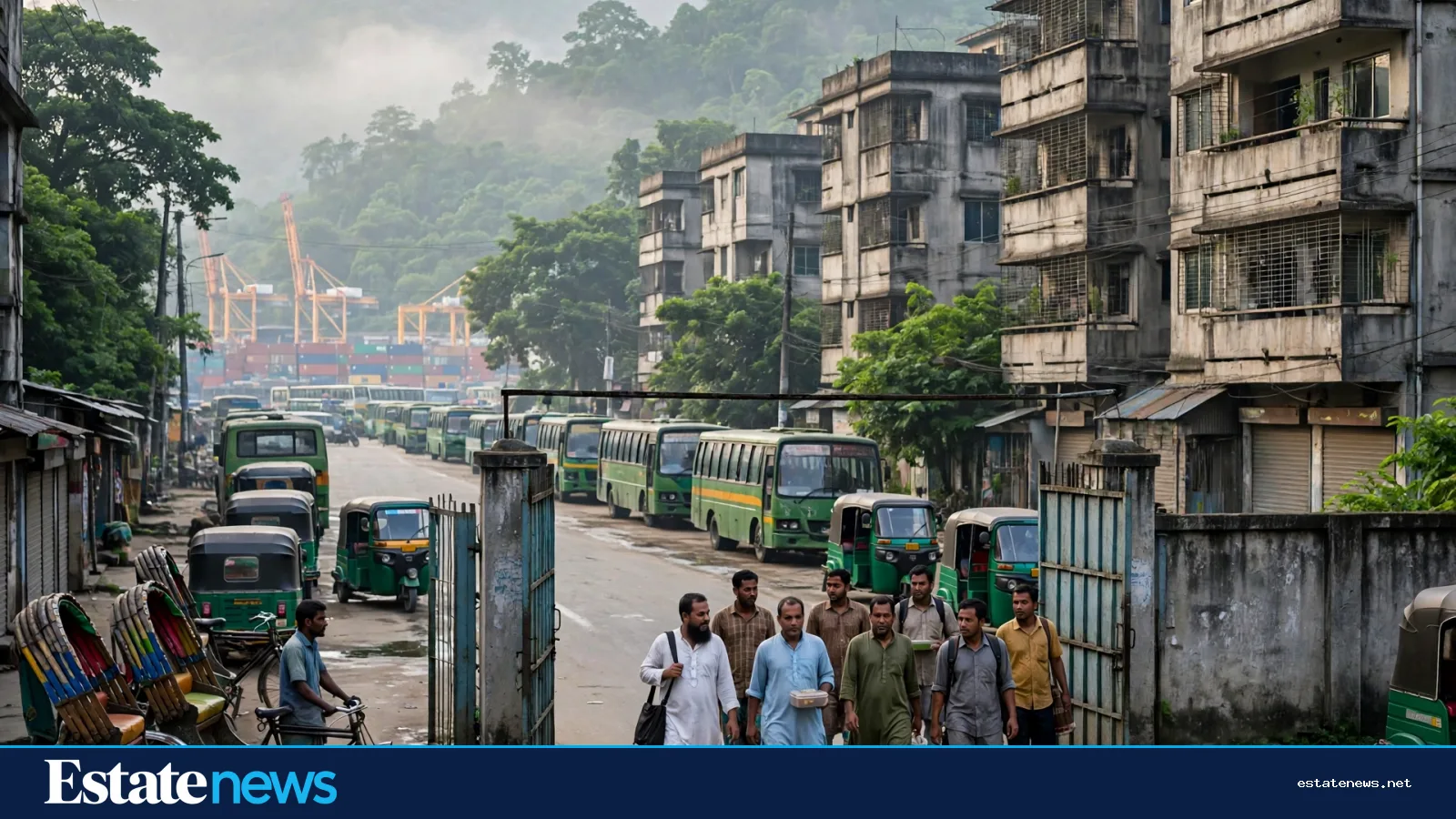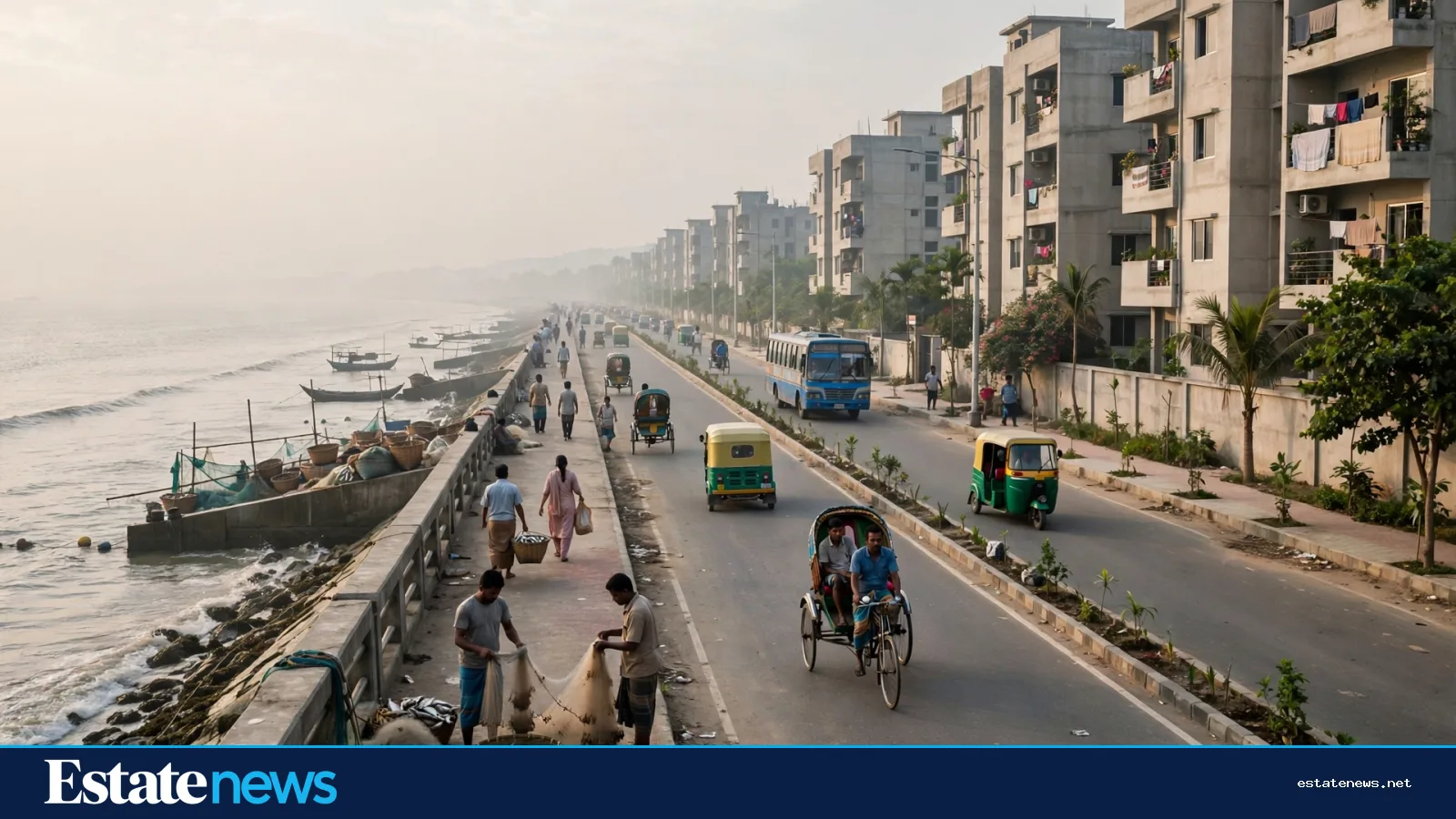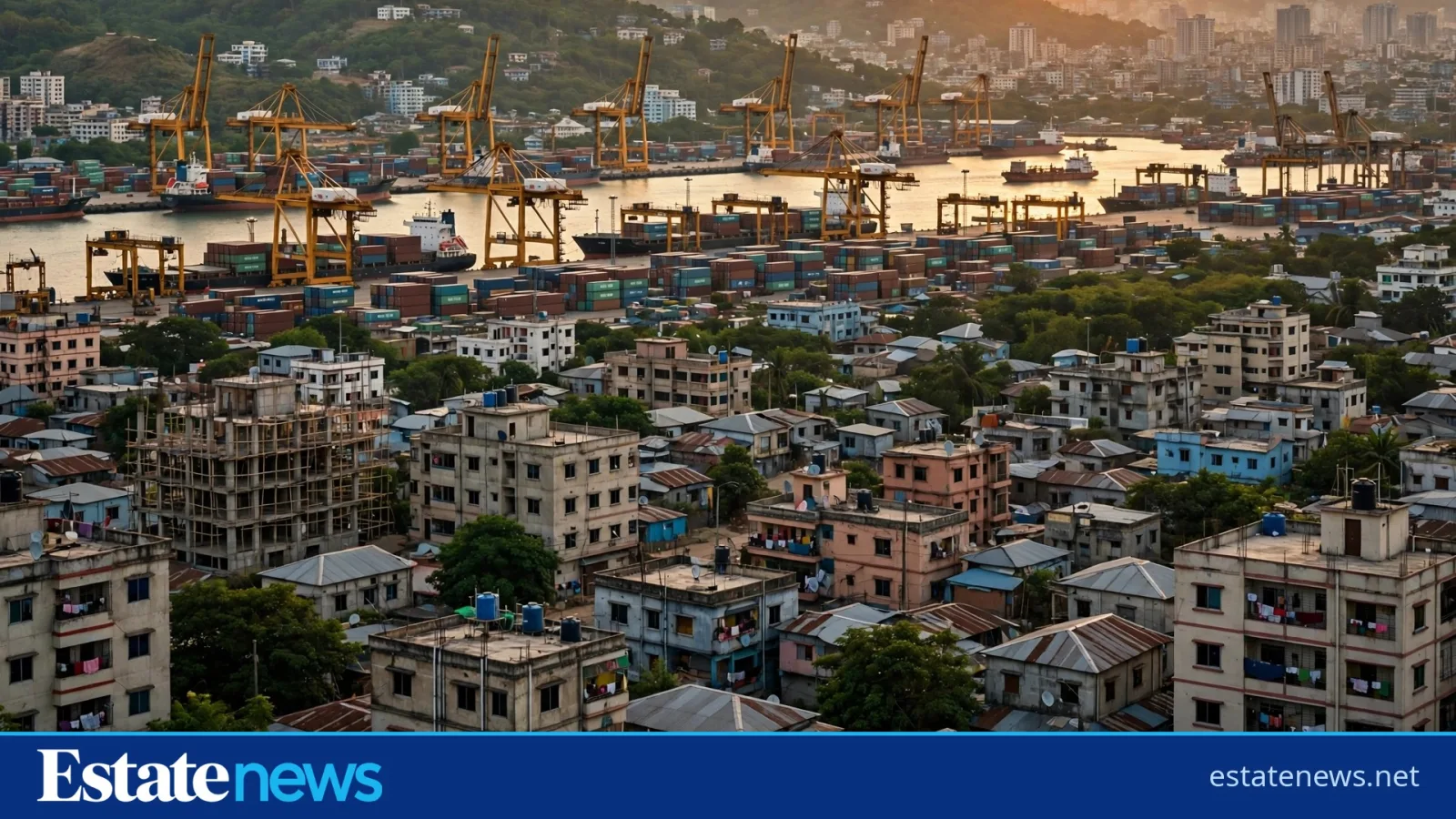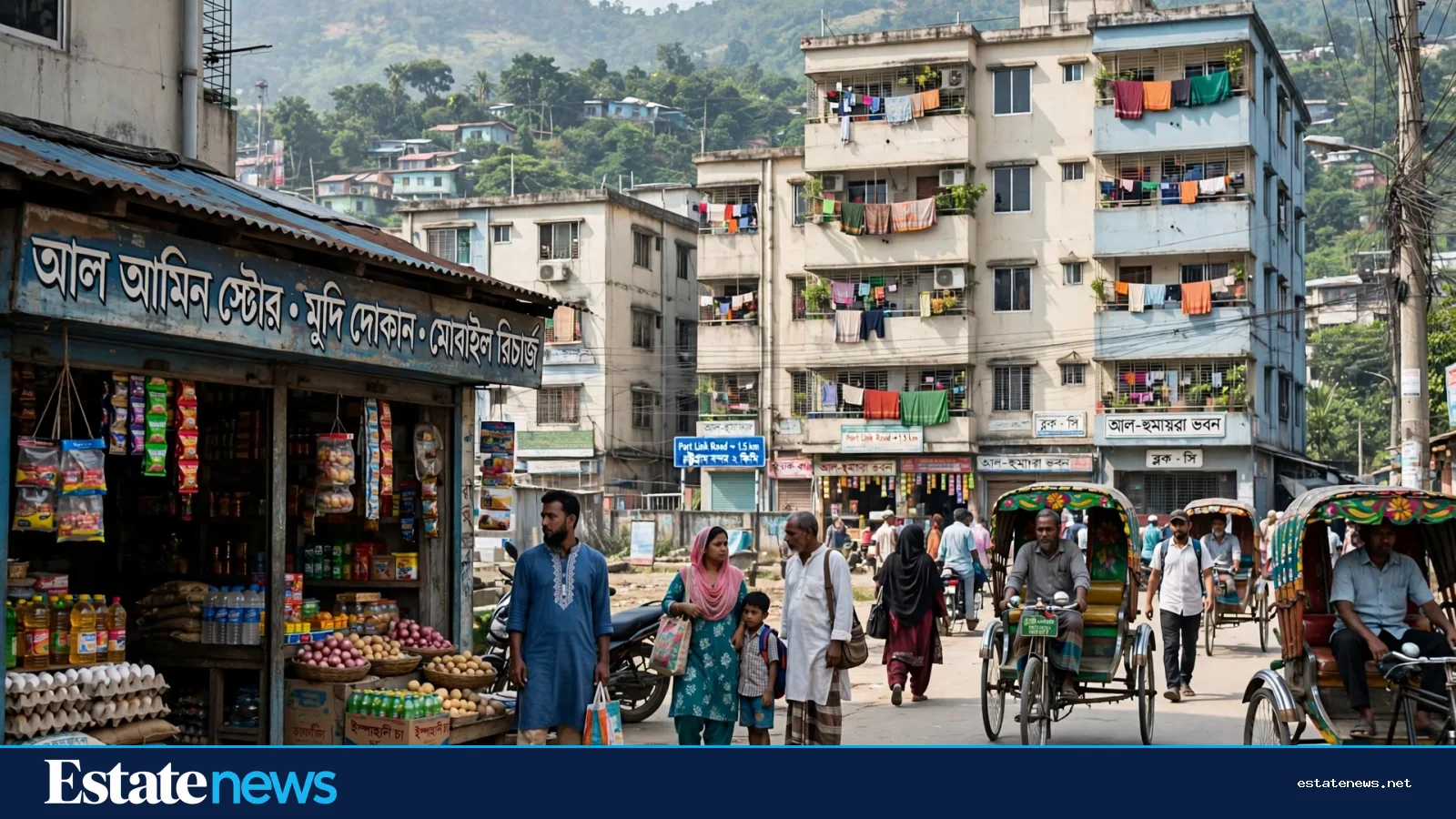
Ask a rickshaw puller in Chattogram where new tenants are heading, and the answer will usually follow a road toward work. Toward the port, toward an export processing zone, toward a factory gate with a shift pattern. Housing in Bangladesh's second city has always been tied to its port, and that tie has only grown tighter as industry has spread north toward Mirsarai and south along the Patenga corridor.
The pattern works in layers. Single workers and young couples rent close to the job, often sharing flats or taking small units in older buildings. Once a job feels secure, the search widens: a slightly larger flat, a building with water and a lift that actually works, a lane where children can walk to school. Families with more than one earner in port-linked work look further still, toward Khulshi and Panchlaish, where the housing stock is older and more settled, or toward newer blocks near Arefin Nagar, where plots and mid-rise buildings have grown up around the city's expansion.
Zones that shape the map

Chattogram Export Processing Zone and Karnaphuli Export Processing Zone have anchored this demand for years. Workers need to live within a commute they can afford, in time as much as in money. A flat that looks cheap on paper loses its appeal if the daily journey eats two hours and a large share of wages in transport. That simple arithmetic explains why housing clusters form around zone gates, bus routes and the roads that link them to the city centre.
Mirsarai adds a longer arc to the same story. As factories and logistics operations have grown along the Dhaka-Chattogram corridor, workers have followed, and housing demand has followed them in stages: first mess accommodation and rented rooms, then family flats, then the shops, schools and clinics that make an area feel settled. The process is uneven and it is still unfolding. Some stretches have housing and services in step. Others have jobs first and homes catching up.
What families actually weigh


Families rarely buy or rent on a jobs headline alone. They check water supply, because a flat with a weak line becomes a daily negotiation. They check how the building handles the monsoon, whether the lane floods, and whether the lift keeps running when the power dips. They ask about the landlord, the service charge, and the neighbours. A port-linked job may bring a family to Chattogram, but these practical checks decide which building they stay in.
The Patenga corridor shows the trade-off clearly. Living near the sea and near port work appeals to many, yet the corridor's housing varies widely, from older settlement housing to newer apartment blocks. Buyers and tenants who visit at different times of day, talk to existing residents, and check papers before paying tend to fare better than those who decide on a single sunny visit.
A city still finding its balance
Chattogram's challenge is not a shortage of interest. It is matching homes to jobs in the right places, at sizes families can actually use. Smaller flats near zones serve single workers well. Family-sized flats near schools and hospitals serve a different need, and they are the ones in shorter supply in several established areas. Developers who read that gap, rather than building the same unit everywhere, are the ones whose buildings fill and stay filled.
For now, the port-linked housing story remains a story of movement: workers arriving, families following, neighbourhoods adjusting. Khulshi keeps its settled character, Panchlaish keeps its pull for established families, Arefin Nagar keeps growing outward, and the Patenga corridor keeps testing how close to the water and the work people want to live. The city will keep answering that question one building, one lane and one family at a time.