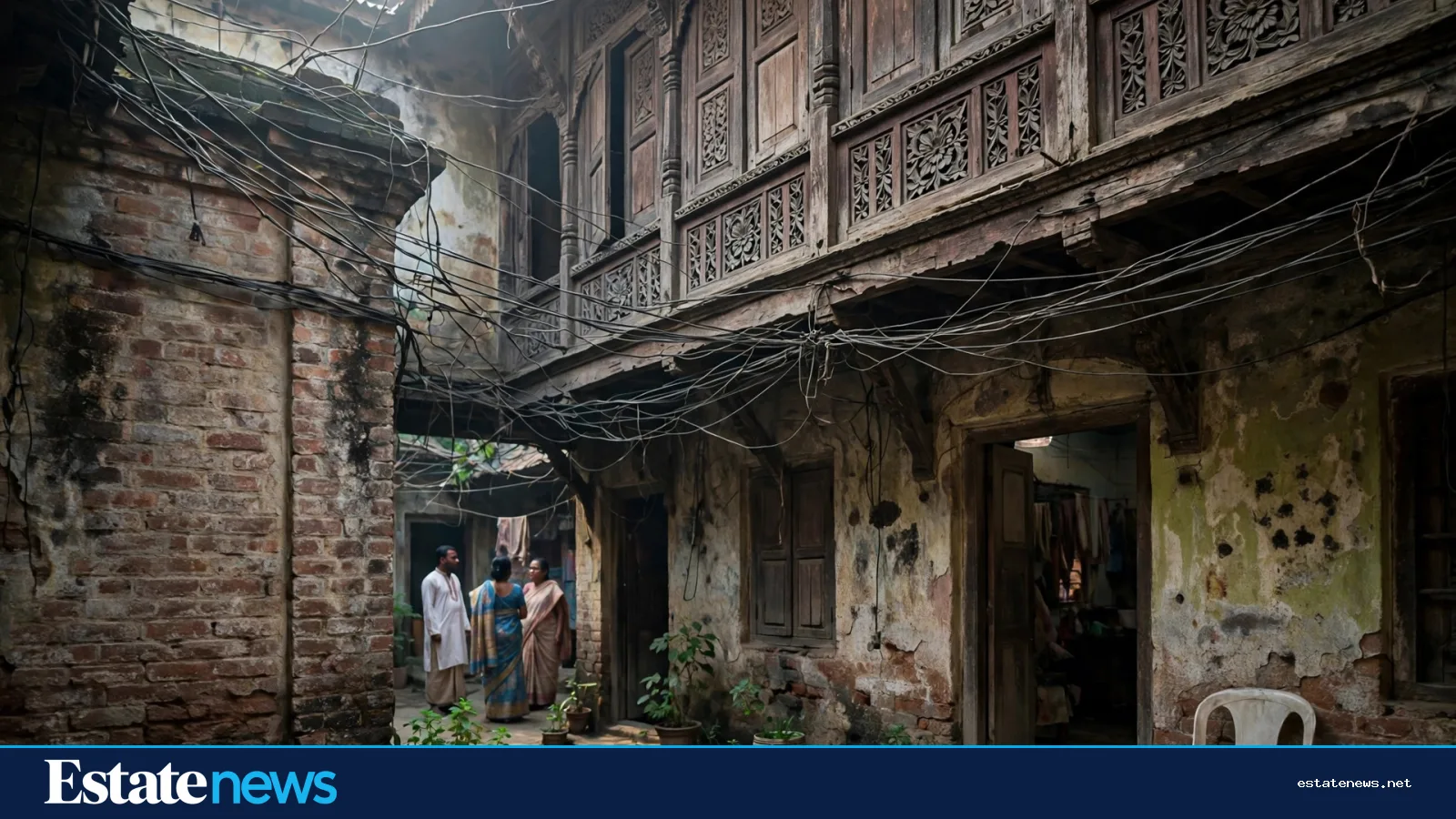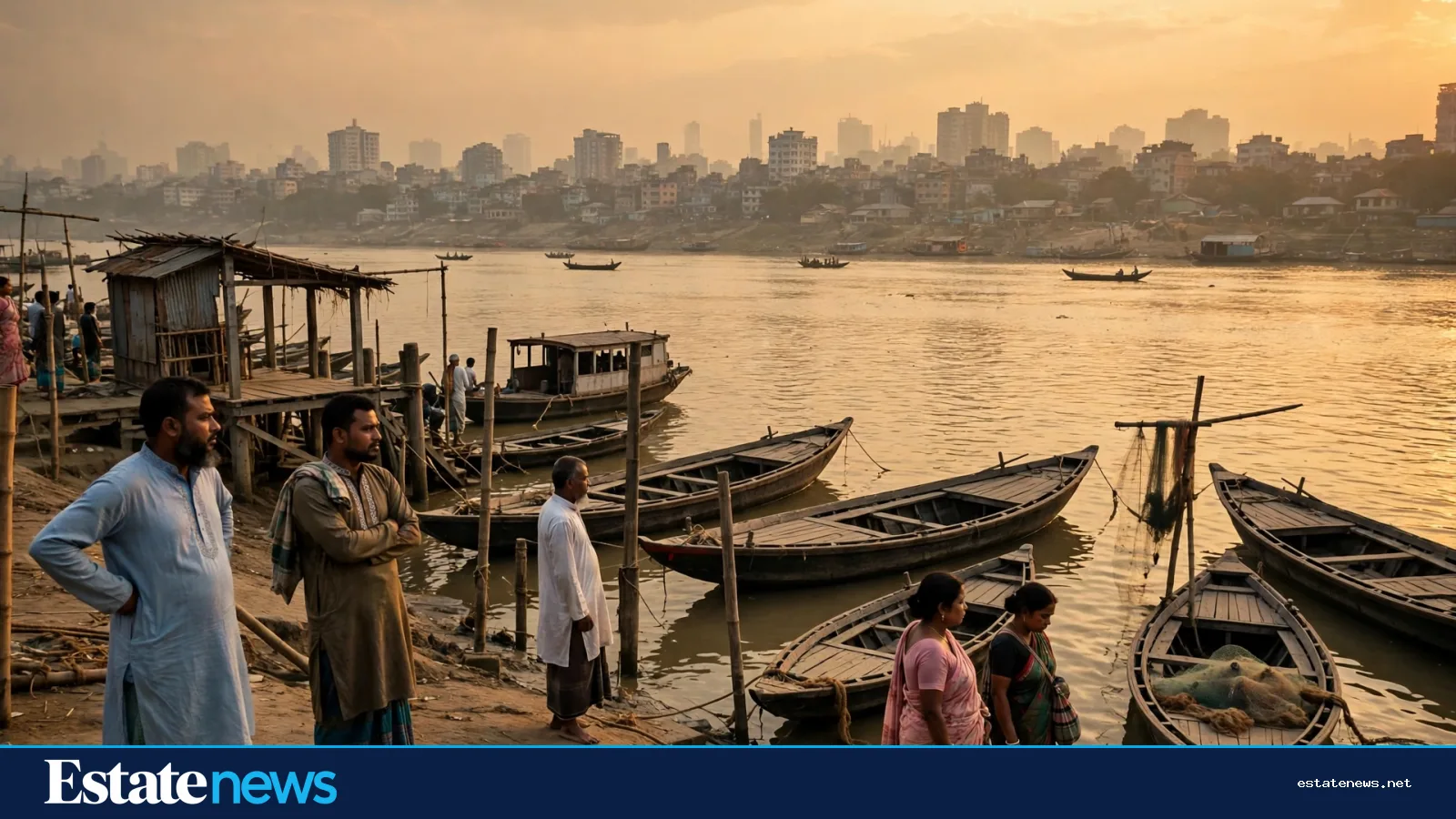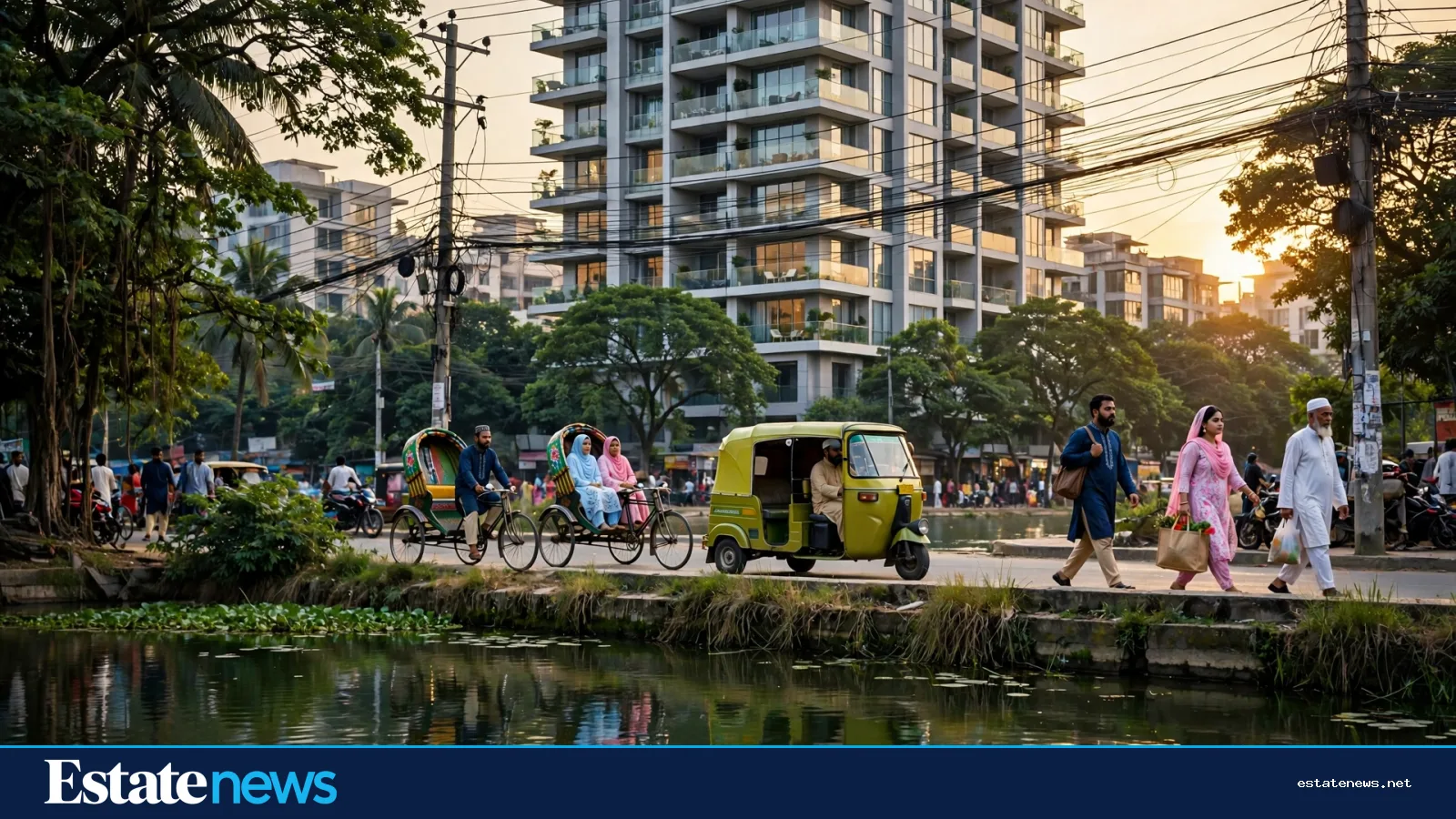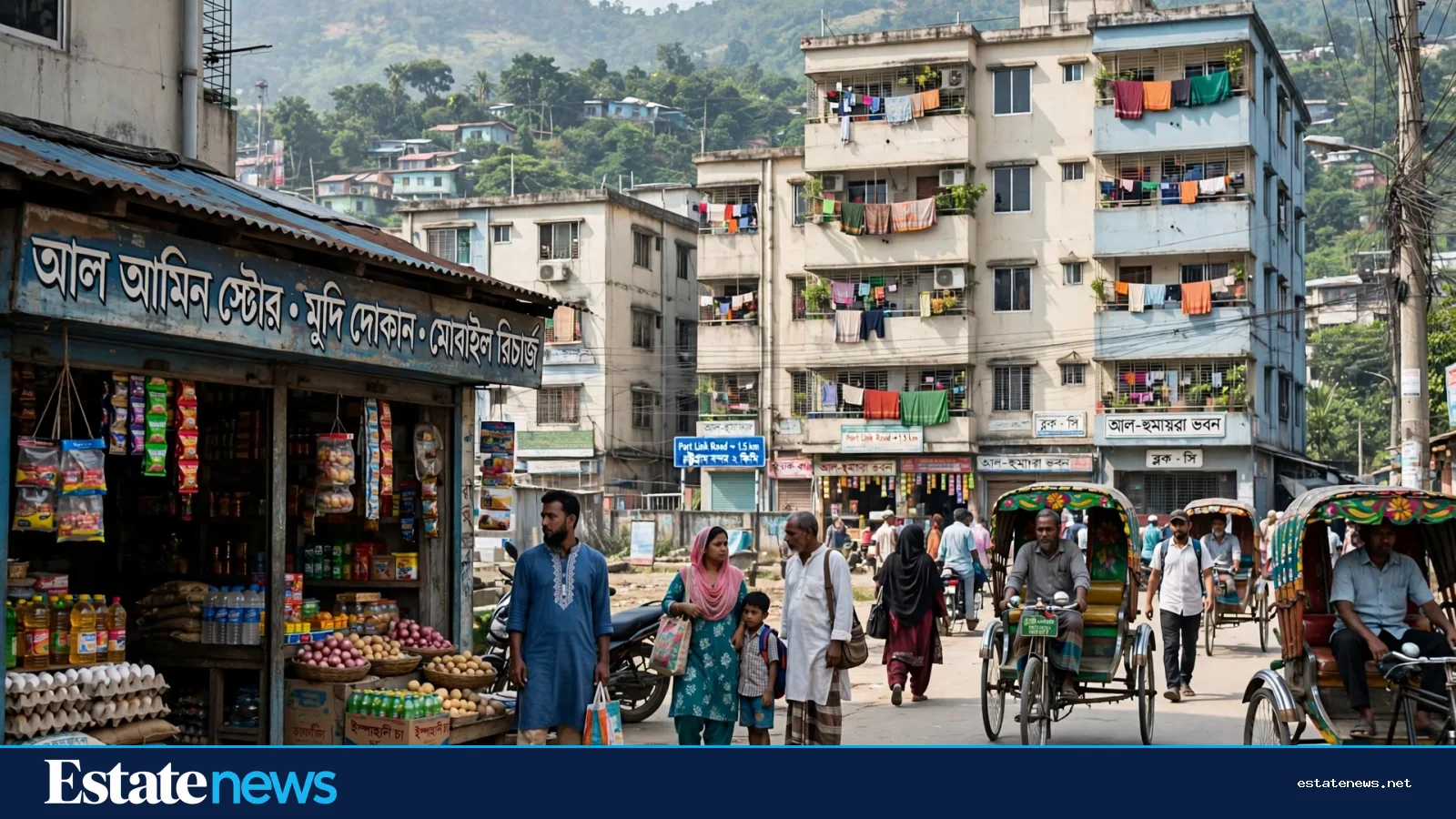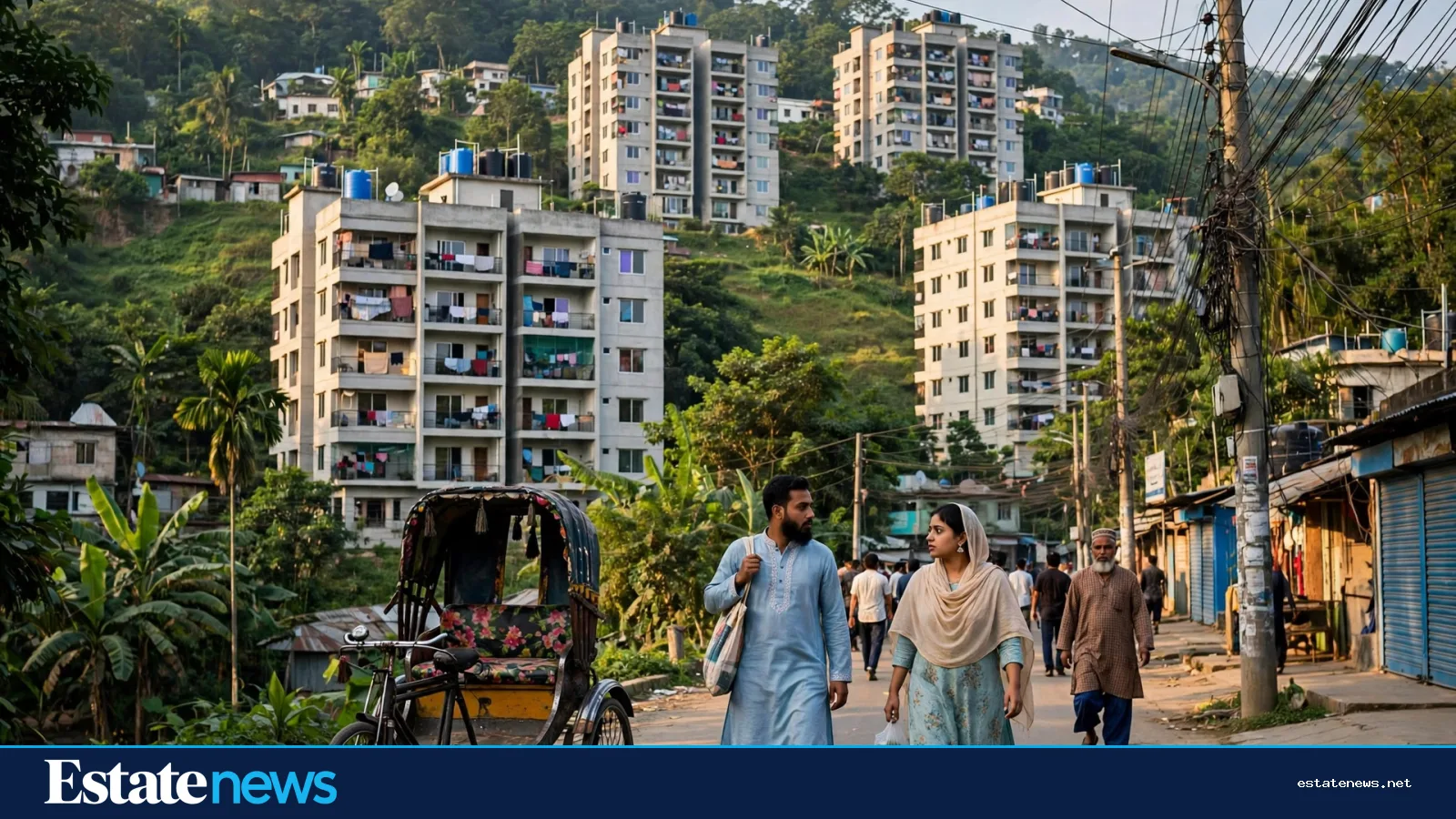
The road climbs out of Khulshi in a slow curve, past tea stalls and tin-roofed shops, and then the buildings change. Concrete towers rise between the trees, their balconies strung with washing, their roofs crowded with black water tanks. A rickshaw pulls to one side to let a car pass. A family walks home with shopping bags. This is the Chattogram that Sanmar Properties has helped build, one project at a time, in the neighbourhoods where the port city's middle class now looks for a flat.
Sanmar is a Chattogram name. Its projects sit in Khulshi, Arefin Nagar and East Nasirabad, three areas that tell you a lot about how the city has grown. Khulshi holds the hills and the older, greener streets. Arefin Nagar sits further out, where larger plots allowed bigger plans. East Nasirabad is close to the city's working heart, where families want to stay near schools, offices and relatives. A developer that builds in all three is not chasing one kind of buyer. It is following the city as it spreads.
The company's website, mysanmar.com, lists Sanmar Green Park in Arefin Nagar and Grande by Sanmar in Khulshi Hills among its projects. The names matter. Green Park speaks to the condominium idea, shared space and a managed building rather than a single house on a single plot. Grande by Sanmar speaks to Khulshi itself, a place where buyers expect height, light and a view across the hills. Neither name is an accident. Each one is aimed at the street it stands on.

A city that ran out of flat ground
Chattogram never had Dhaka's flat sprawl to play with. Hills cut through it. The port pulls trade one way, the hills push housing the other. For years that meant small plots, low houses and long commutes for anyone who wanted more room. Towers changed the maths. A single plot in Khulshi could hold dozens of families instead of one, and a family that once looked to a house on the edge of town could look up instead.
That shift is visible from any high window in the city. The older Chattogram of tin roofs and single-storey homes is still there, in the lanes below. Above it, a newer layer has settled: apartment blocks with lifts, guards at the gate and a generator room for the hours when the power goes. Buyers in Chattogram ask the same questions buyers ask in Dhaka, about water, gas, lift maintenance and the service charge. They ask them in a city where the ground itself makes every answer a little harder.
What the builder sells, and what the buyer checks
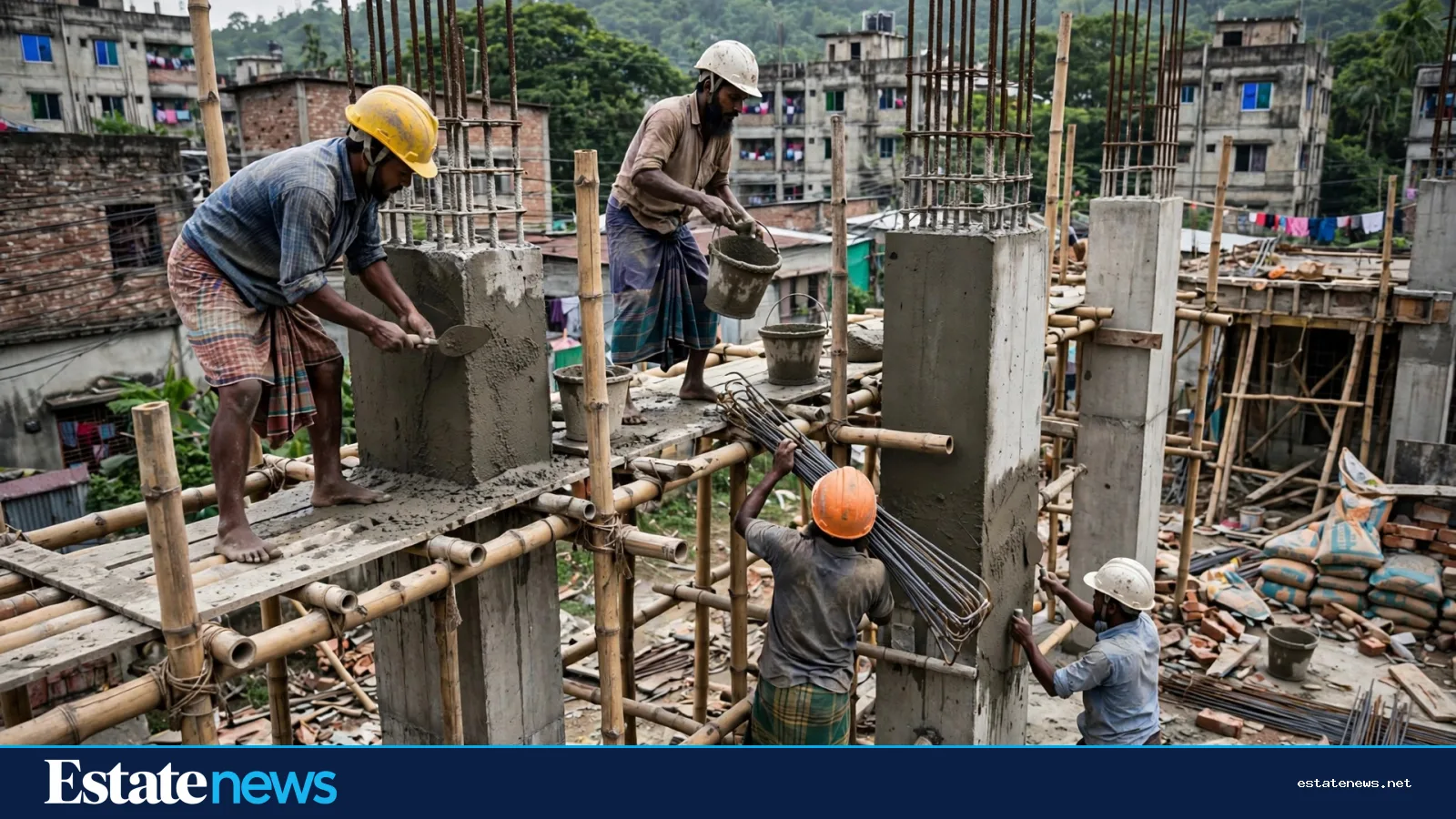
A flat in Chattogram is bought the way a flat is bought anywhere in Bangladesh: slowly, with family meetings, site visits and a long look at the paperwork. The deed matters. The approval matters. The question of who owns the land, and on what terms, matters more than the colour of the tiles. Sanmar's buyers, like buyers across the country, are expected to check those papers themselves, and to ask for the approval documents before they sign anything.
The building itself tells its own story on a visit. A buyer walks the stairs when the lift is busy. She runs a tap. She looks at the corridor light, the stairwell, the way the roof has been finished. In a hill city, she also looks at the slope behind the building and the drain in front of it. Monsoon rain in Chattogram does not wait for a sales brochure. It finds the weak point in a building within a season, and the families who live there know it.
Developers in the port city also work with a different buyer in mind than the Dhaka developer does. Many Chattogram buyers have family abroad, in the Gulf or in the United Kingdom, and the money for a flat often comes from remittance. October 2026 brought $2.87 billion in remittance into Bangladesh, according to the figures reported in the 6 November market wrap, and a share of that money has always found its way into flats and land in Chattogram. A builder that understands that buyer, the brother in Dubai who pays and the parents in Khulshi who will live there, understands its market.


The hill, the tower and the neighbourhood
Grande by Sanmar stands in Khulshi Hills, and the location is the point. Khulshi has long been one of Chattogram's most sought-after addresses, a place where the air feels cooler and the streets feel quieter than the port roads below. Building there means building on a slope, and that takes a different kind of care with foundations, drainage and retaining walls. It also means the view from a high floor is part of what is being sold, along with the flat itself.
Sanmar Green Park, in Arefin Nagar, works from the opposite direction. Arefin Nagar is a newer address, further from the old city centre, and its appeal is space: room for a larger project, room for shared facilities, room for families who want a managed building without paying a Khulshi price. The two projects show a builder reading two different Chattogram markets at once, and building for each in its own place.
Why Chattogram matters beyond Chattogram
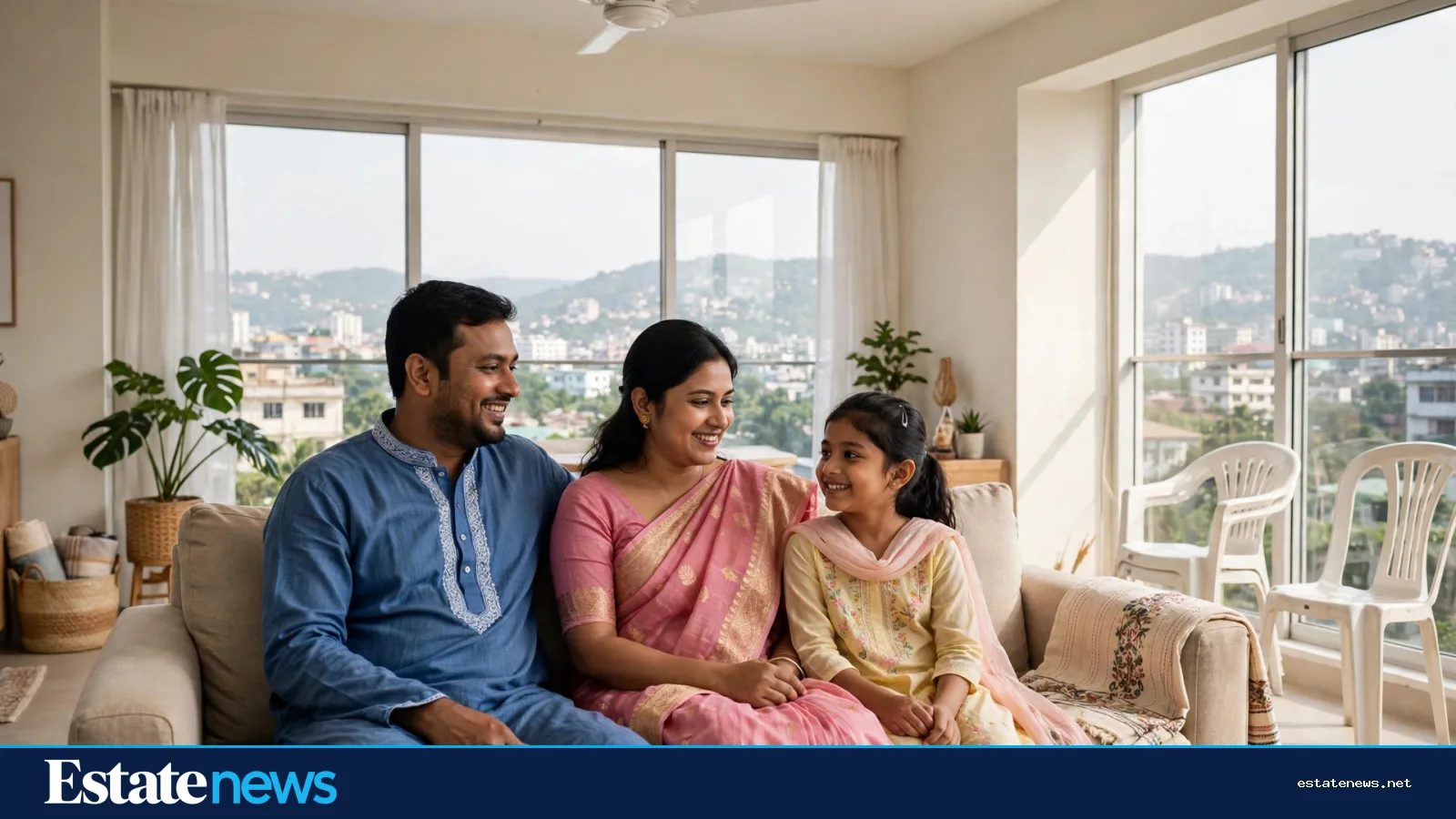
Dhaka takes most of the attention in Bangladesh housing talk. That is a mistake. Chattogram is the country's port, its second city and the home of a large share of its trade. When its housing market works well, its businesses work better, because the managers, engineers and traders who keep the port running need somewhere decent to live. When it works badly, with unclear titles or slow handovers, the cost falls on the same people.
REHAB, the housing developers' association, has just changed leadership, with president Ali Afzal and senior vice-president Abdur Razzaque formally taking office on Wednesday 4 November 2026. Their agenda, as reported on 6 November, is affordable housing and protecting farmland, with small flats priced around Tk 40-60 lakh planned for Savar, Gazipur and Keraniganj. Chattogram is not in that first list. The port city's challenge is different: not cheap land on the fringe, but good building on difficult ground, at prices its own middle class can reach.
Sanmar's place in that picture is local and specific. It is not a Dhaka developer with a Chattogram branch. It is a Chattogram builder, working streets its own staff know by name. That closeness shows in the choice of areas, and in the way its projects sit inside neighbourhoods rather than above them. A tower in Khulshi still shares a road with the tea stall at the bottom of the hill. A family moving into Green Park still shops in the same bazaar as the families who have lived in Arefin Nagar for years.
What comes next for the port city's flats
The next test for Chattogram's builders is not height. It is upkeep. A tower that looks good on handover day has to look good five years later, when the lift needs parts, the generator needs fuel and the water pump needs a new motor. The service charge, the building committee and the residents' willingness to pay on time decide that, more than any launch event does. Buyers who ask about those things before they book are the ones who sleep well after they move in.
Chattogram will keep building upwards. The hills will not flatten, the port will not move, and the families who work in the city will keep looking for a home near it. Sanmar Properties has made its name by building where that demand is, on the slopes of Khulshi and the open plots of Arefin Nagar. The towers are already part of the skyline. The question now is whether the buildings behind them, the committees, the maintenance and the daily life inside, hold up as well as the concrete. That is the part no photograph can show, and it is the part buyers will judge in the years to come.