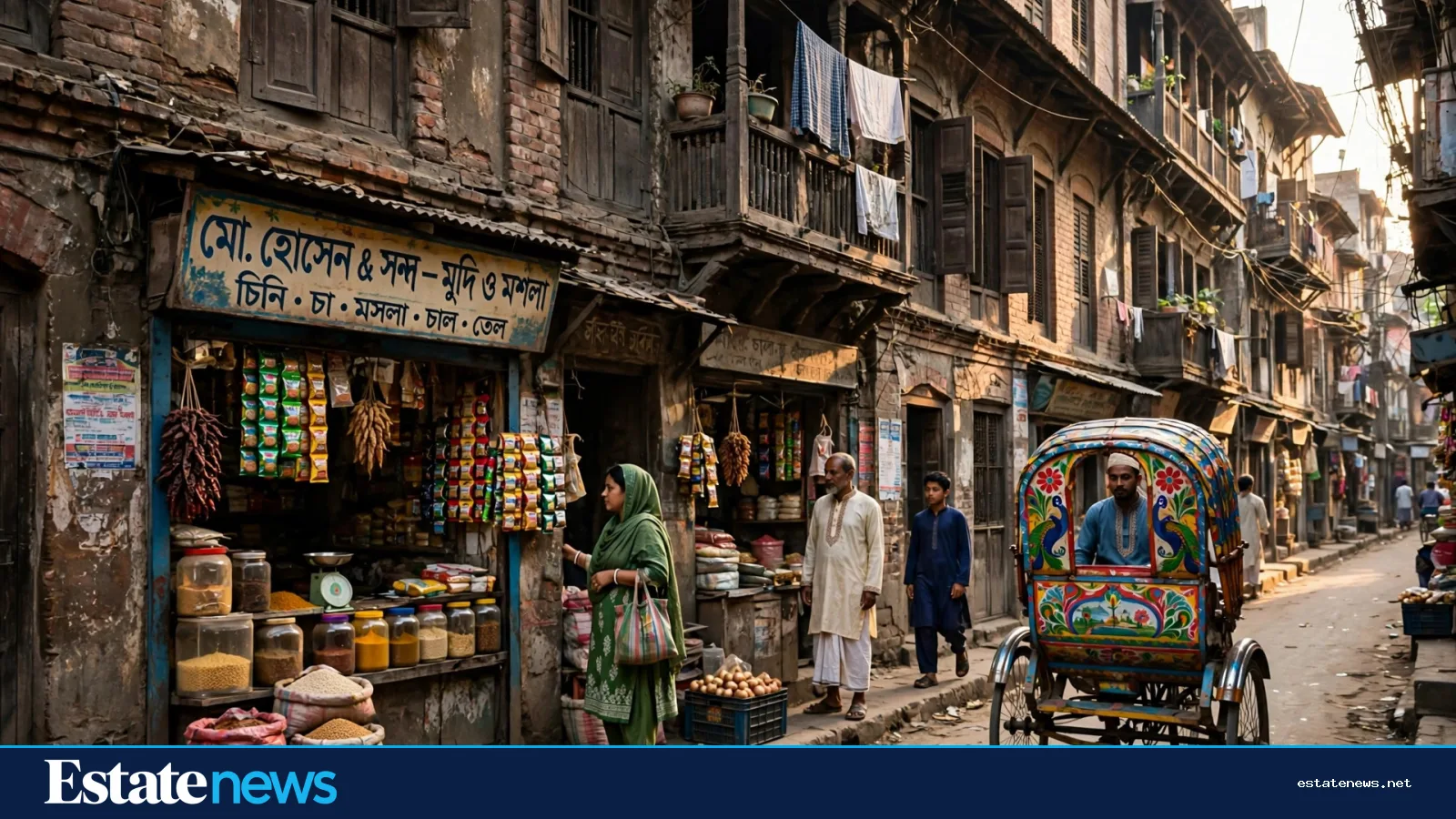
The lane is barely wide enough for a rickshaw. On both sides, brick walls rise two and three storeys high, their plaster worn down to the brick in patches, their wooden shutters painted and repainted so many times the layers have gone soft at the edges. A boy carries a tray of tea from a corner shop. Above him, a balcony held up by carved wooden brackets leans a little over the street, the way it has leaned for as long as anyone in the lane can remember.
This is Shankhari Bazar, one of the oldest quarters of Dhaka, and the house behind that balcony is a haveli. Not a palace. A family house, built around a courtyard, built to hold several generations under one roof and to keep the street at a polite distance. Dhaka has hundreds of houses like it, or it did. The ones that remain are now the exception, and the families inside them are holding on to something the rest of the city has mostly let go.
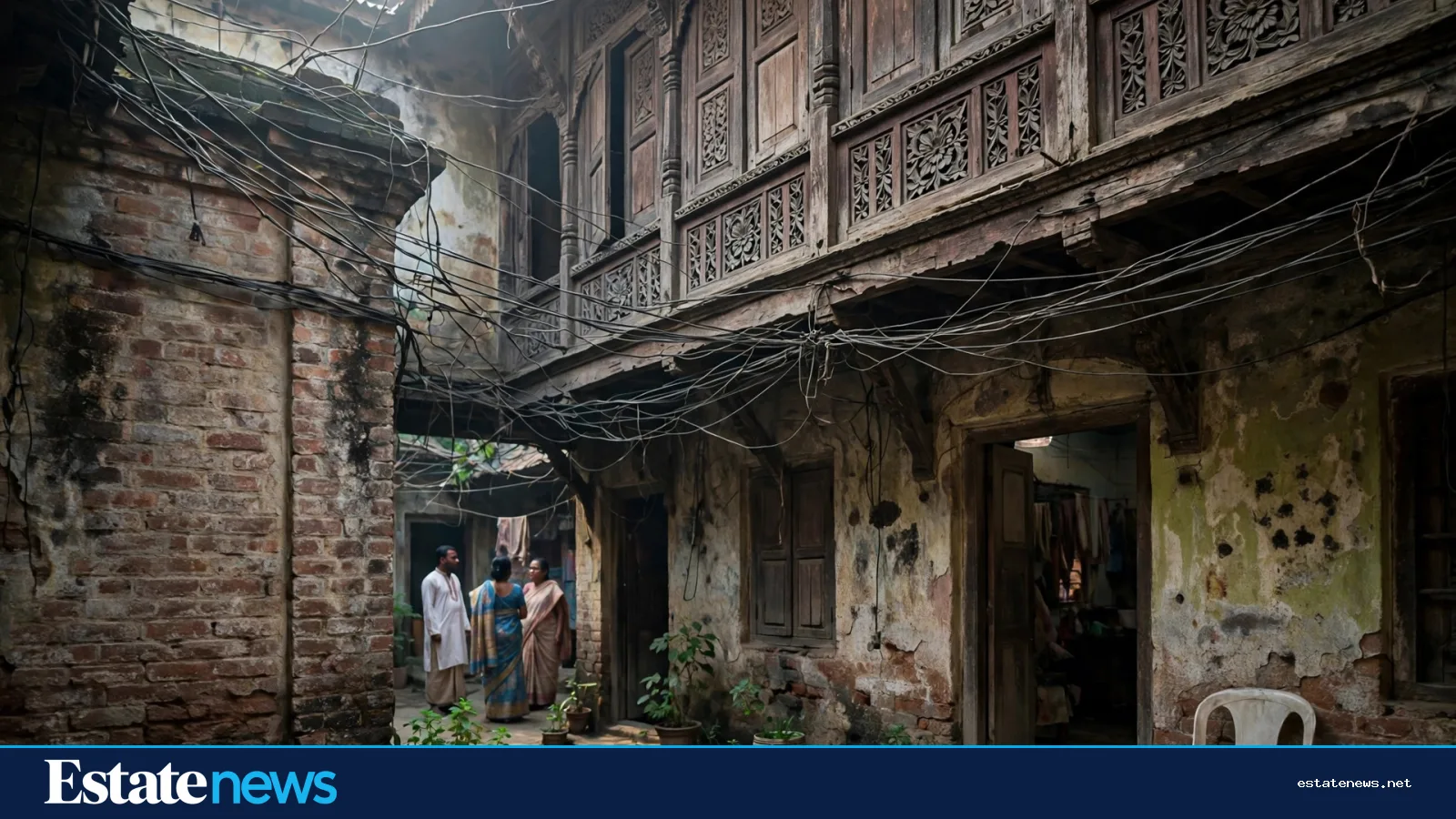
Old Dhaka grew up around the Buriganga, and its houses grew the same way, close together, tall and narrow, turned inward. A haveli here is not a single grand building. It is a way of arranging a house: a courtyard in the middle, rooms opening onto it, a veranda where the family gathers in the evening, a stair that climbs to the roof where clothes dry and children play. The front is plain, often just a door and a small window. The life of the house happens inside, out of sight of the street.

A house built around a courtyard
The courtyard does the work. In the morning it catches the sun and the breeze. At midday it gives shade. In the evening it becomes the sitting room, the dining room and the playground, all at once. Women shell peas there. Old men sit on a charpoy and talk about the price of rice. Children do homework on a plastic chair pulled into the light.
That arrangement made sense in a hot, crowded city, and it still does. A modern flat in Dhaka puts the living room at the front and the bedrooms behind it, and the corridor between them eats the light. The old house puts the open space at the centre and lets every room borrow from it. Builders in the new parts of the city are rediscovering the idea now, under different names, with light wells and atriums. The families of Old Dhaka never stopped living with it.
The walls tell their own story. Lime plaster, brick laid in old patterns, wooden beams that have carried three generations of roofs. Repairs come in small pieces, a beam here, a patch of plaster there, done by mistris who learned the work from their fathers. Nobody in these houses talks about heritage in the formal sense. They talk about the roof leaking in the monsoon and the cost of timber, which is the same conversation, only closer to the ground.
Who lives here now
The families are smaller than they were. A house that once held thirty people might hold twelve now. Some rooms stand empty. Some have been let out to tenants, often workers from the workshops that fill the ground floors of the quarter. Shankhari Bazar is still a working neighbourhood. The conch-shell craftsmen who gave the lane its name are fewer than they were, but the workshops remain, goldsmiths and small traders and printers, and the houses above them still belong, in many cases, to the same families who built them.
That continuity is what makes the houses matter. A haveli is not only bricks. It is the knowledge of who built it, who added the second floor and when, which room belonged to which uncle. When a family sells, that knowledge goes with them, and the buyer usually sees only the plot. In a city where land prices make every old plot look like a development site, that is the quiet pressure on every surviving house.
The younger generation feels it most. Many have moved to flats in Mirpur or Uttara, where the water runs on schedule and the lift works. They come back for Eid, for weddings, for a parent's birthday, and they sit in the courtyard and say the house should be kept. Keeping it, though, means money, time and a decision about who lives there. The houses that survive tend to be the ones where one branch of the family stayed, and stayed stubbornly.


What the old walls teach new builders
There is a practical lesson in these houses that Dhaka's new construction could use. The thick walls keep rooms cooler in the hot months. The courtyard pulls air through the house. The roof, flat and usable, is a second courtyard in the sky, a place for drying, for sleeping on hot nights, for a few pots of tulsi and chilli. None of this needed a machine. It needed a plan that respected the climate, and builders who knew the city.
New flats solve the same problems with air conditioners and exhaust fans, and the electricity bill follows. That is not an argument against new building. Dhaka needs new flats, and it needs them badly. It is an argument for remembering that the old houses solved real problems with simple means, and that a city which forgets its own solutions pays for them twice.
Architects who work on conservation in Dhaka say the same thing in different words. The value of a haveli is not only its age. It is the record it holds of how people in this city lived with heat, with crowds, with extended families, with very little land. Lose the house and the record goes with it, and the next generation of builders starts from nothing.
The slow work of keeping them standing
Conservation in Old Dhaka moves slowly, and it moves house by house. There is no single programme that can save a whole lane at once, because each house has its own owner, its own family dispute, its own leaking roof. The work that succeeds tends to be small and steady: a family that repairs the timber before it rots, a tenant who looks after the courtyard, a neighbourhood that treats the old street as something worth keeping clean.
The city has tools for this, in principle. Old buildings can be listed, and there are rules about what can be demolished in heritage areas. In practice, enforcement is uneven, and a house that nobody lives in is a house that falls down, listed or not. The houses that stand are the ones that are lived in, and lived in with care. That is the unglamorous truth of conservation: a roof repaired in time is worth more than a plaque on the wall.
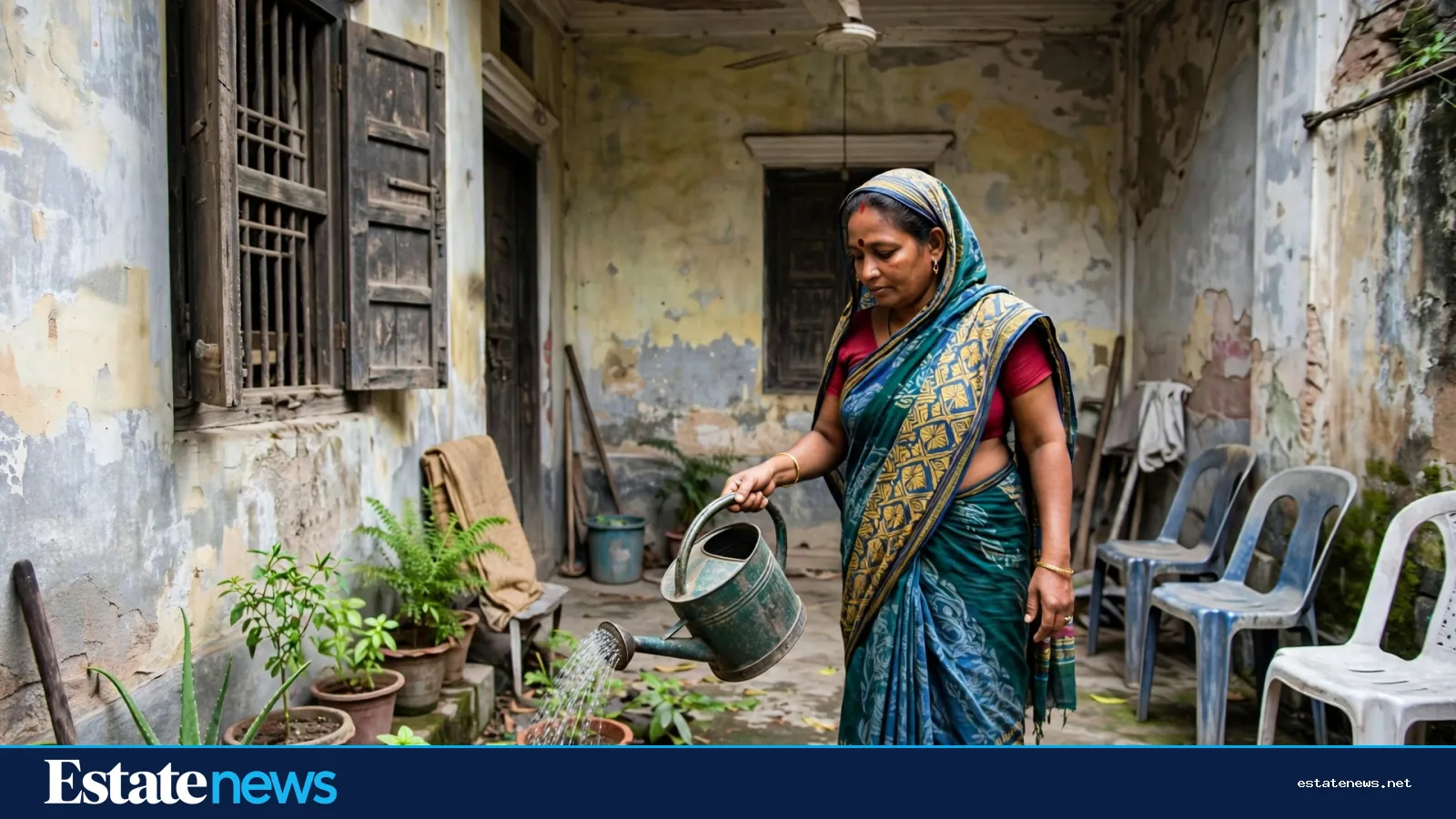
There are signs that the tide is turning, slowly. Young architects photograph the lanes. Students come to sketch the balconies. A few owners have opened their ground floors as shops and used the income to repair the floors above. None of this is a rescue plan, and none of it should be dressed up as one. It is a city noticing, house by house, that what it has is worth keeping.
The lane in Shankhari Bazar will change. It already has, a shop at a time, a floor at a time. The question is whether it changes the way old cities change, by adding a layer to what is there, or the way Dhaka has changed so often in recent years, by clearing the ground and starting again. The families still living in the havelis have made their choice, for now. They stay, they repair, they sit in the courtyard in the evening and watch the lane go by. The city would do well to listen to them, because they are the ones who know what these houses are for.