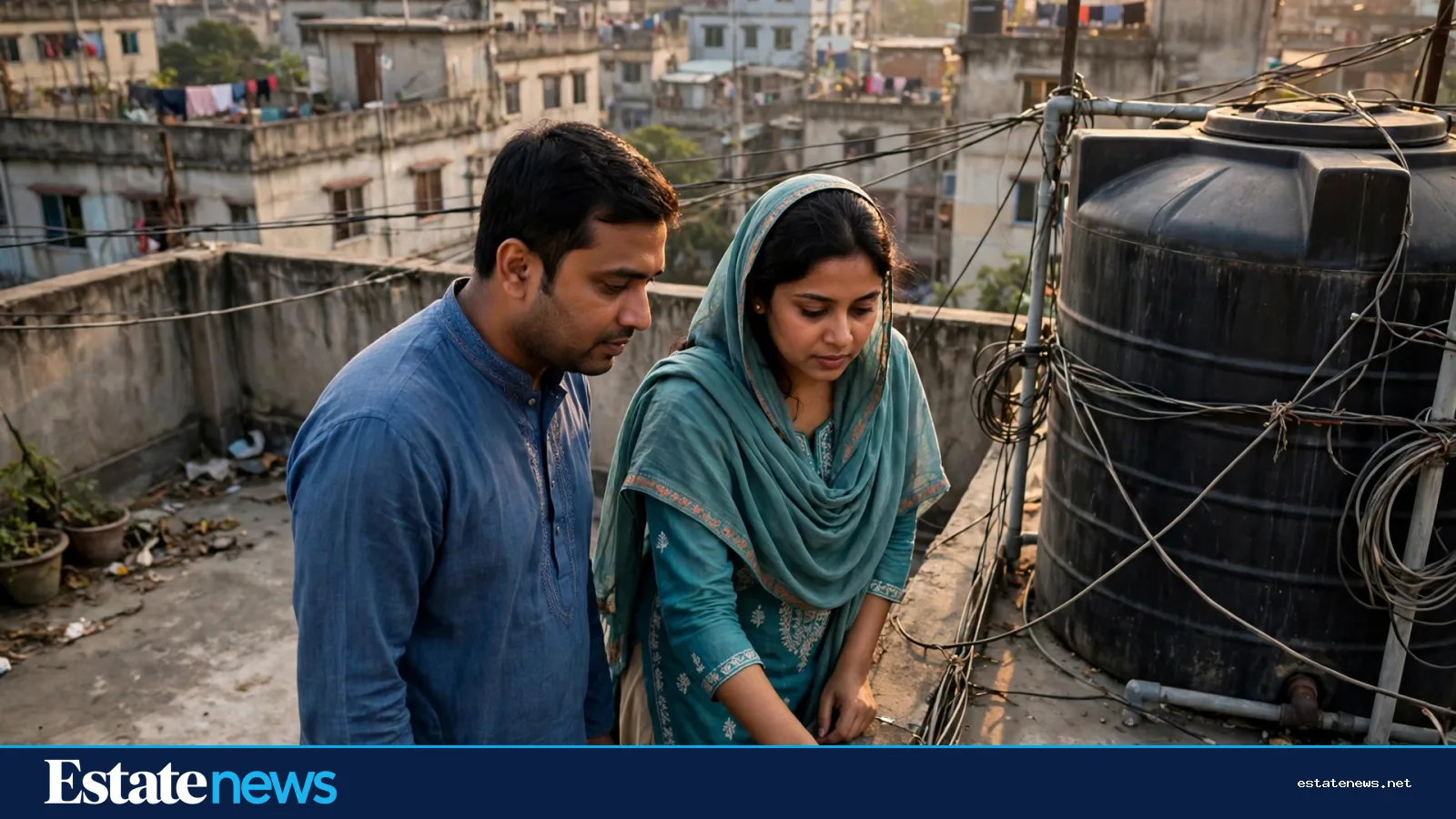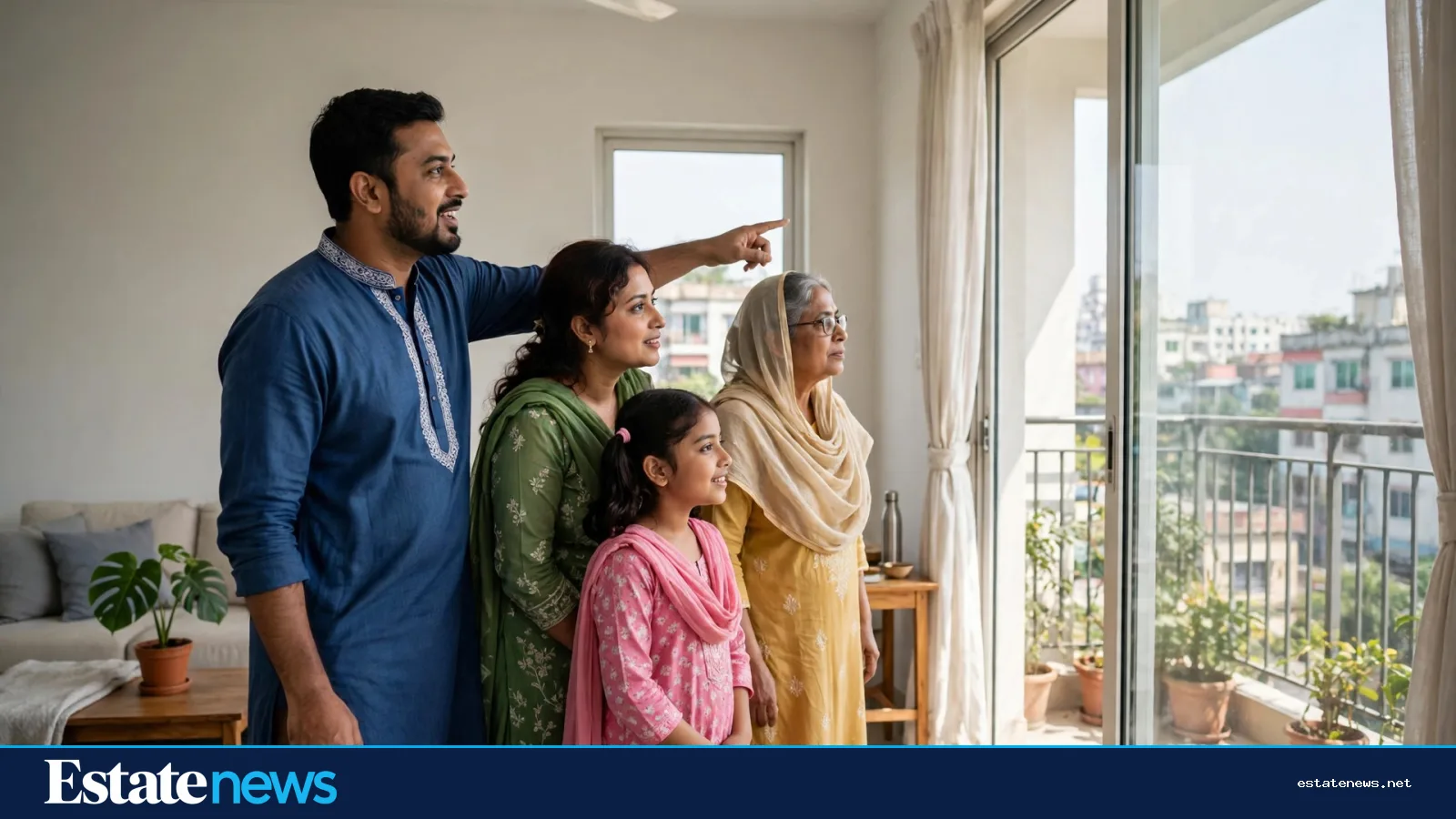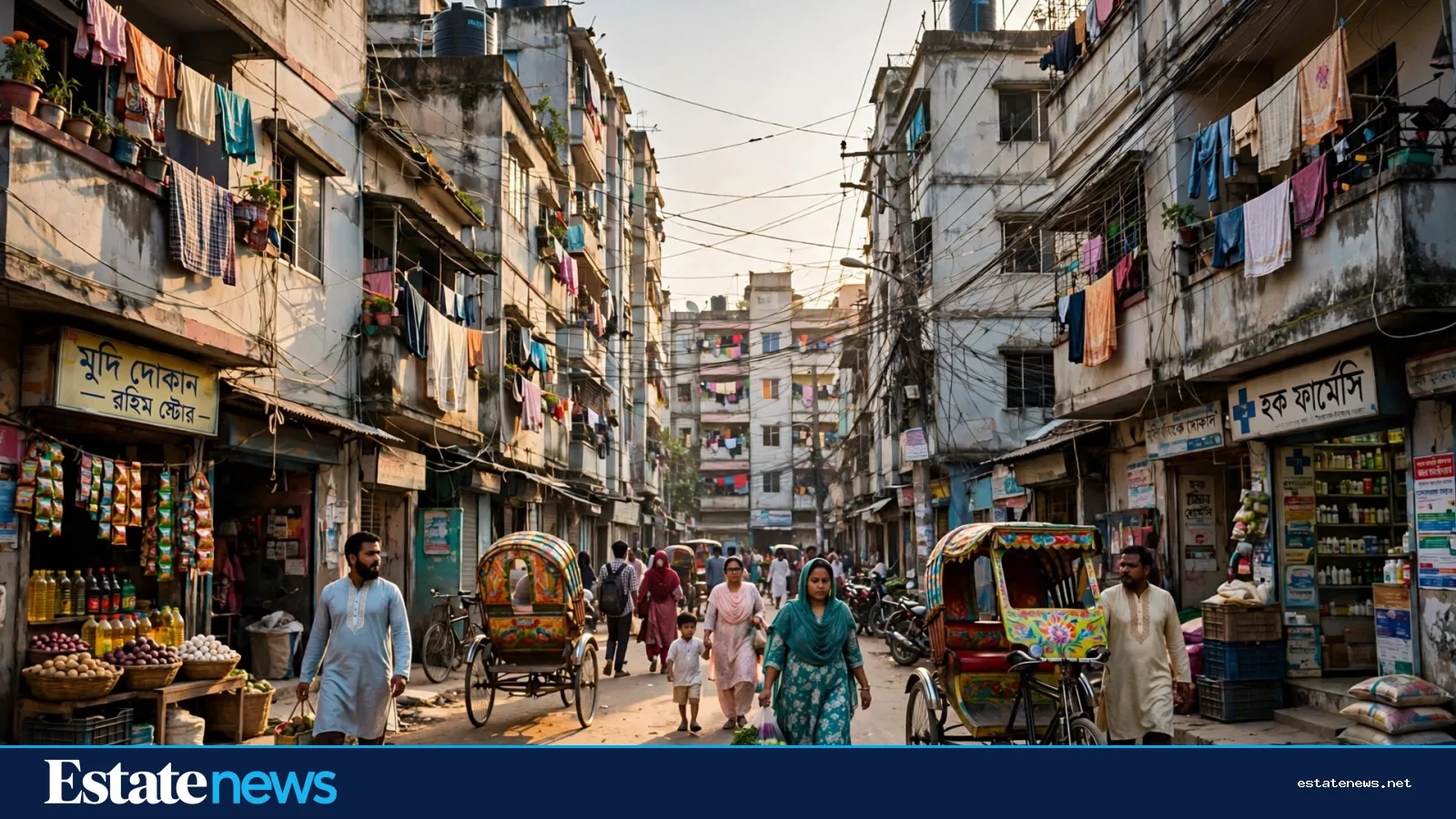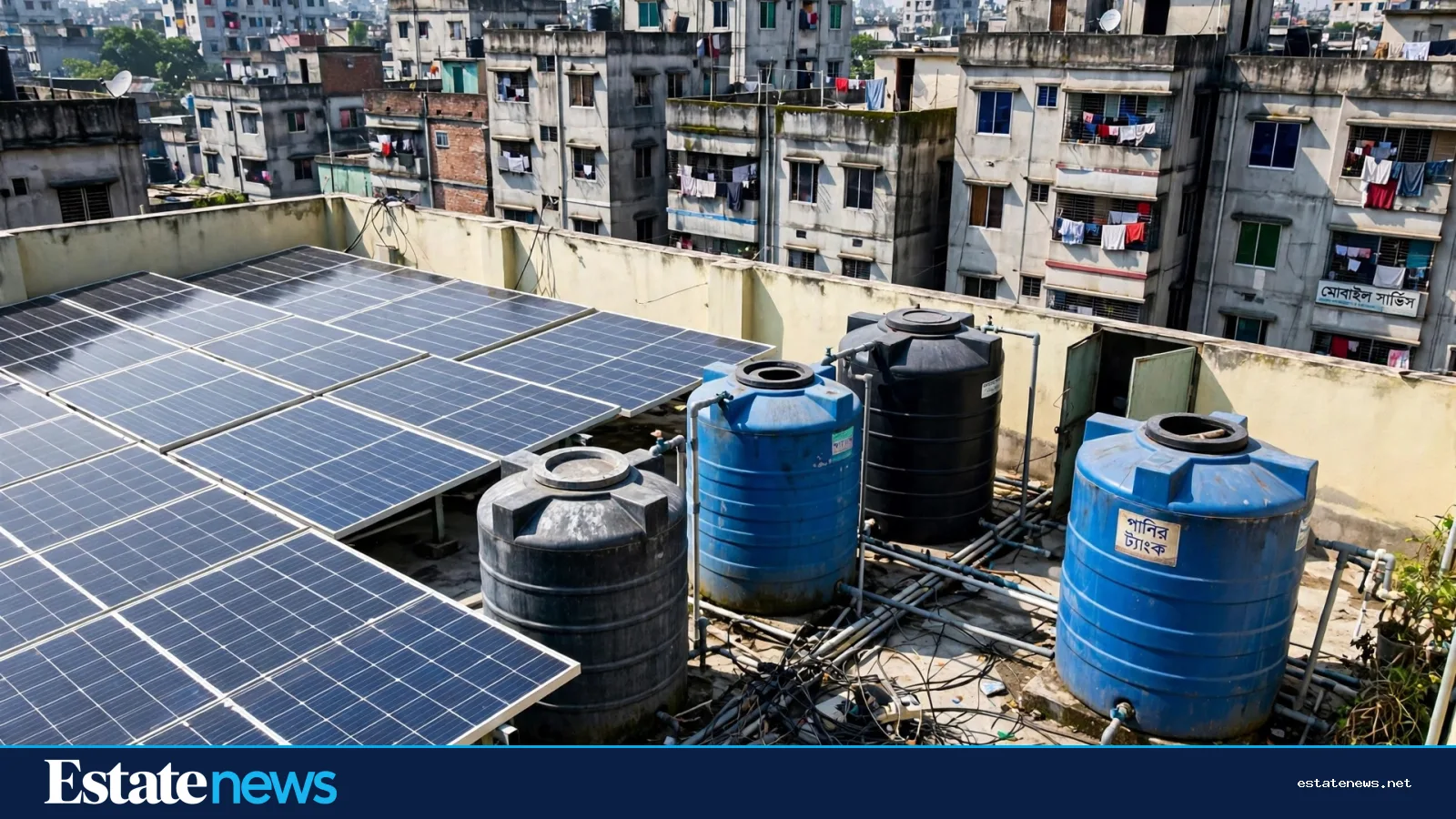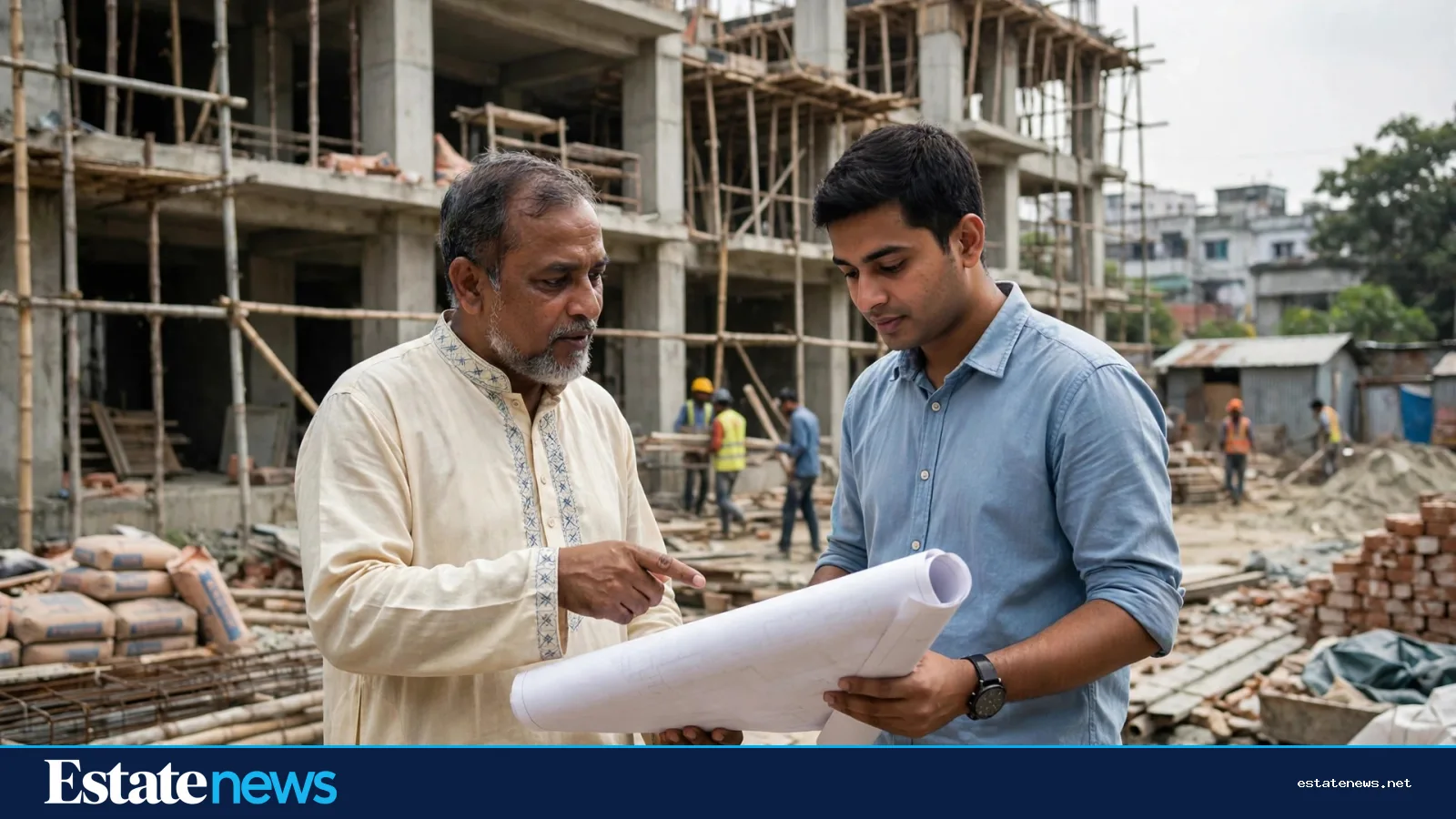
Walk down a lane in Dhanmondi or Uttara and you will pass old single houses standing between apartment blocks. Many of those houses will become flats one day, and most of them will change hands through a joint venture. The landowner gives the plot, the developer pays for the construction, and the finished building is shared between them. No land is sold, and no one pays for the building in cash. That is the deal in one paragraph. Everything else is paper.
The arrangement suits both sides when it works. The landowner keeps a share of the new building without finding construction money. The developer builds without buying land at Dhaka prices. The flats that result house families who could never have bought the plot on their own. When it fails, it usually fails on paper that was vague, unsigned or never registered.
The deal in one paragraph

In a typical joint venture, the landowner and the developer sign a deed of agreement. It records the share each side will receive, often expressed as a ratio of flats, and the share of the ground floor, parking and common areas. The developer takes charge of design, RAJUK approval, construction and sales of its own share. The landowner gives the developer a power of attorney to deal with approvals and registrations on the land. Construction runs for a set period, and at handover each side takes its flats.
That paragraph hides a dozen decisions. Who pays the registration cost of the flats? Who pays for the lift, the generator and the boundary wall? What happens if the developer stops halfway? What happens if the landowner dies before handover? A good agreement answers each one in plain words.
The paper that matters most
The deed of agreement is the heart of the deal, and it should be registered. An unregistered agreement is far weaker when a dispute reaches a court, and a buyer of a flat in the project should ask whether the agreement is registered before paying a booking amount. The agreement should name the land with its dag and khatian numbers, state the share ratio, set the construction period with a clear start and end, and record what each side pays for.
The power of attorney deserves the same care. A developer needs it to seek RAJUK approval and register deeds, but its scope should match the work. A power of attorney that lets the developer sell the landowner's share of flats without limits is a different document from one that covers approvals alone. Landowners should ask a lawyer to read it line by line, and buyers should ask whether the developer holds one and what it covers.


Where the trouble usually starts
Delays are the most common complaint. A project that was meant to finish in three years runs into a fourth and a fifth, and the landowner waits in rented rooms while the developer blames approvals, materials or money. The agreement should carry a timeline and a remedy for delay, even if the remedy is only a written notice and a new date both sides sign. A timeline nobody can enforce is a wish, not a plan.
The second trouble is quality. The landowner's flats and the developer's flats should be built to the same standard, and the agreement should say so. Doors, tiles, fittings and paint vary widely in price, and a vague specification invites the cheapest choice. A schedule of materials attached to the agreement, naming brands and grades, removes most arguments before they start.
The third trouble is money. The developer sells its share of flats to fund construction, and buyers pay in instalments. If those instalments are spent on another project, this one stalls. A joint account for the project's money, with both sides signing withdrawals, is the safeguard landowners ask for most often, and the one developers resist most. Its absence is worth noting, not ignoring.
Five questions before signing
A landowner thinking of a joint venture can learn most of what matters by asking five questions. What has this developer finished before, and can its past landowners be visited? Is the deed of agreement registered, and does a lawyer acting for the landowner, not the developer, approve it? What does the power of attorney allow, and when does it expire? What is the completion date, and what happens if it passes? And who pays for what, down to the lift, the generator and the registration of each flat?
A buyer of a flat in a joint venture project has a shorter list. Is the agreement registered? Does the developer have the power to sell this particular flat? Has RAJUK approved the plan? Those three answers, seen on paper, separate a sound project from a risky one.
Joint ventures built much of modern Dhaka, and they will build much of its next decade. The idea is sound. It is the paper that decides whether the idea holds, and the paper rewards anyone who reads it before signing.