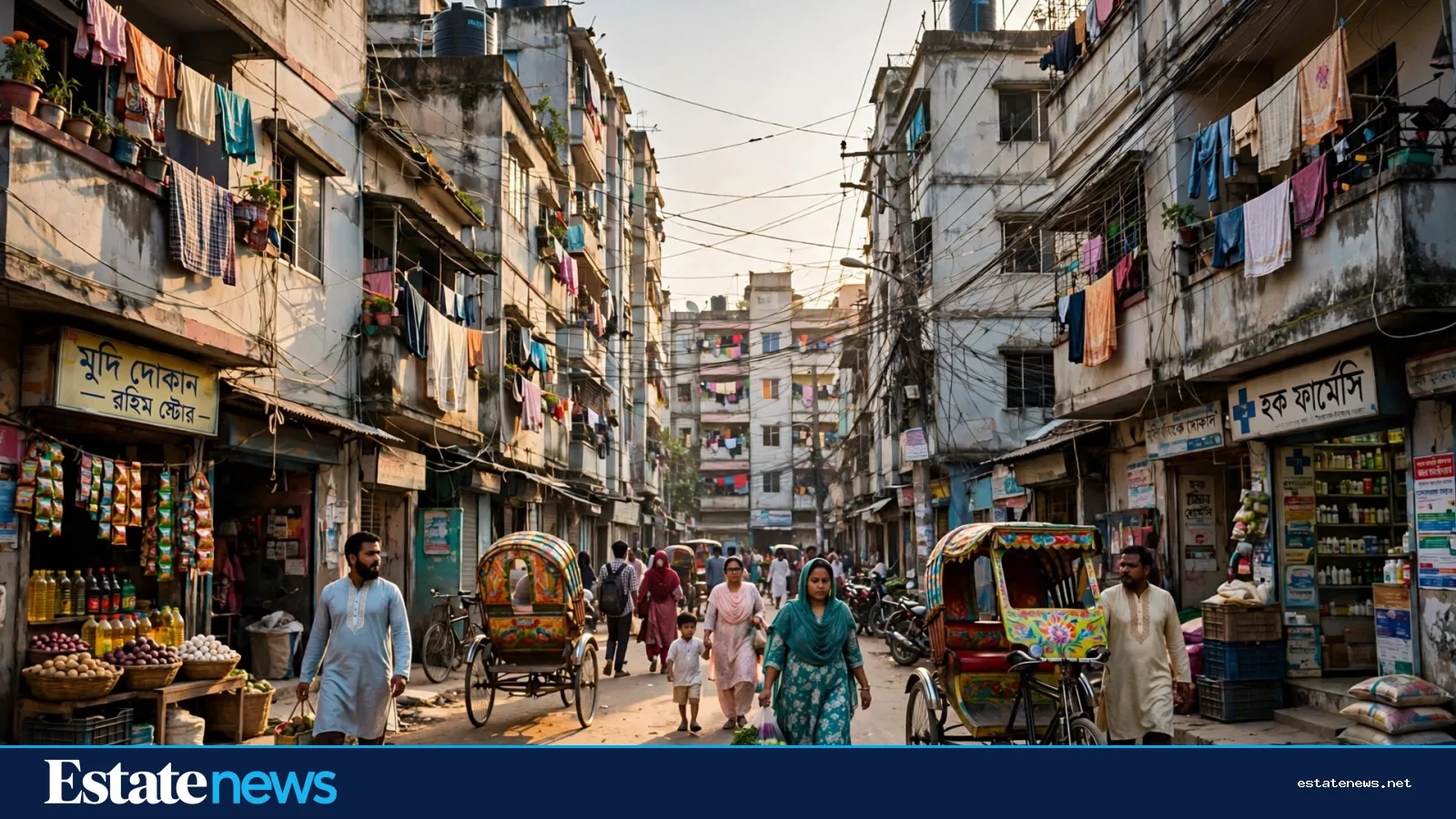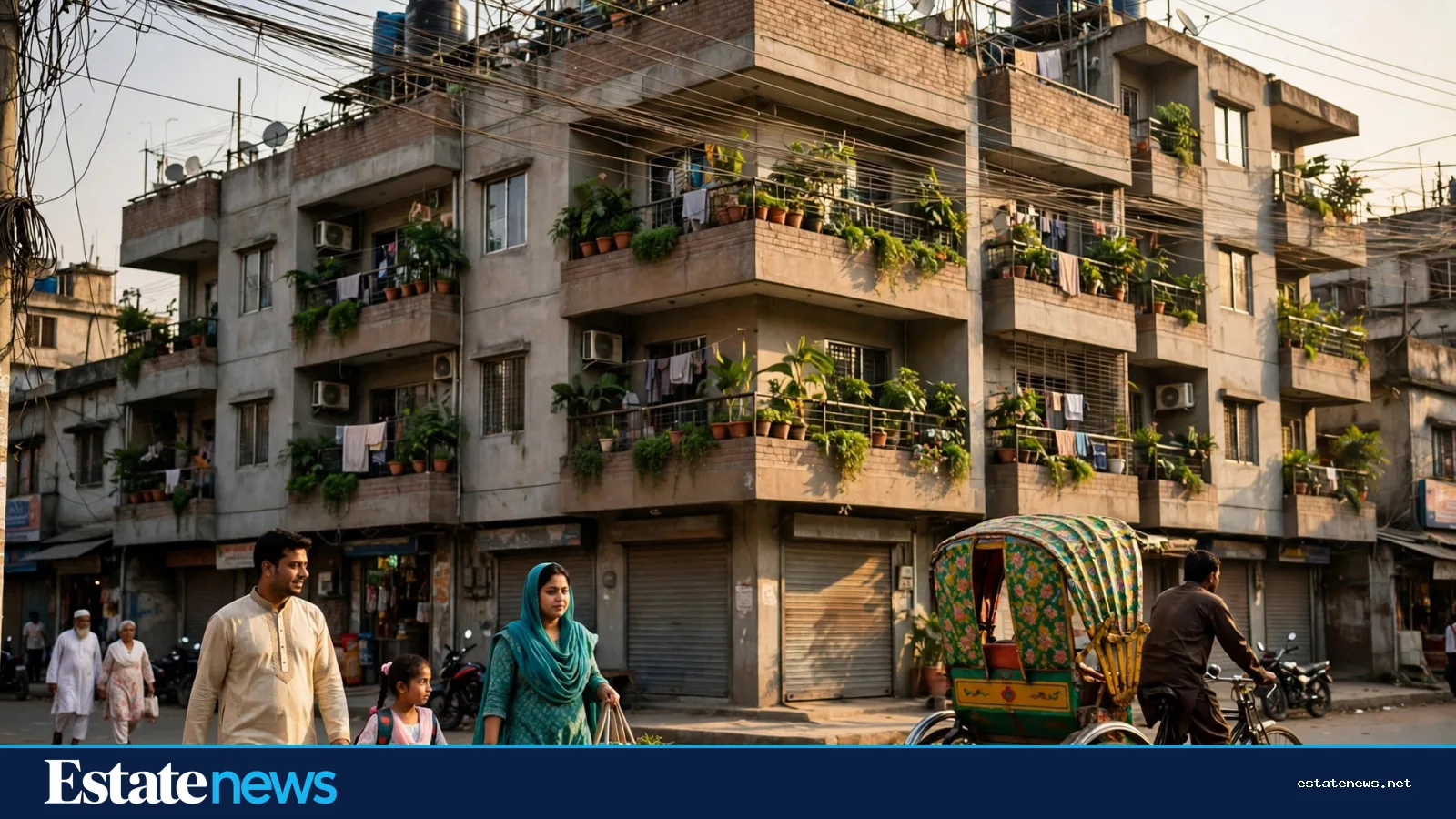
Morning on West Panthapath moves the way Dhaka mornings always have. Rickshaws weave past buses, shop shutters roll up, and office workers hurry toward the towers that line the road. Sheltech Tower stands in the middle of that rush, at 60 Sheikh Russel Square, and inside it a company that began when Dhaka was a far smaller city now plans the next decade of its building.
Thirty-eight years is a long time in a business where companies appear and vanish with a single project. Sheltech (Pvt.) Ltd. marked that anniversary in April 2026 with a month-long fair and a service programme for owners of homes it delivered between 1988 and 2026. The fair, reported by The Daily Star and New Age, put 77 projects on display, with more than 450 residential and commercial units, from Gulshan and Banani to Dhanmondi, Uttara, Bashundhara and Jolshiri Abashon, and in Chattogram from South Khulshi and Panchlaish.
The numbers tell one part of the story. The rest sits in the streets where those buildings stand.

A company that started with the city's first apartment buyers
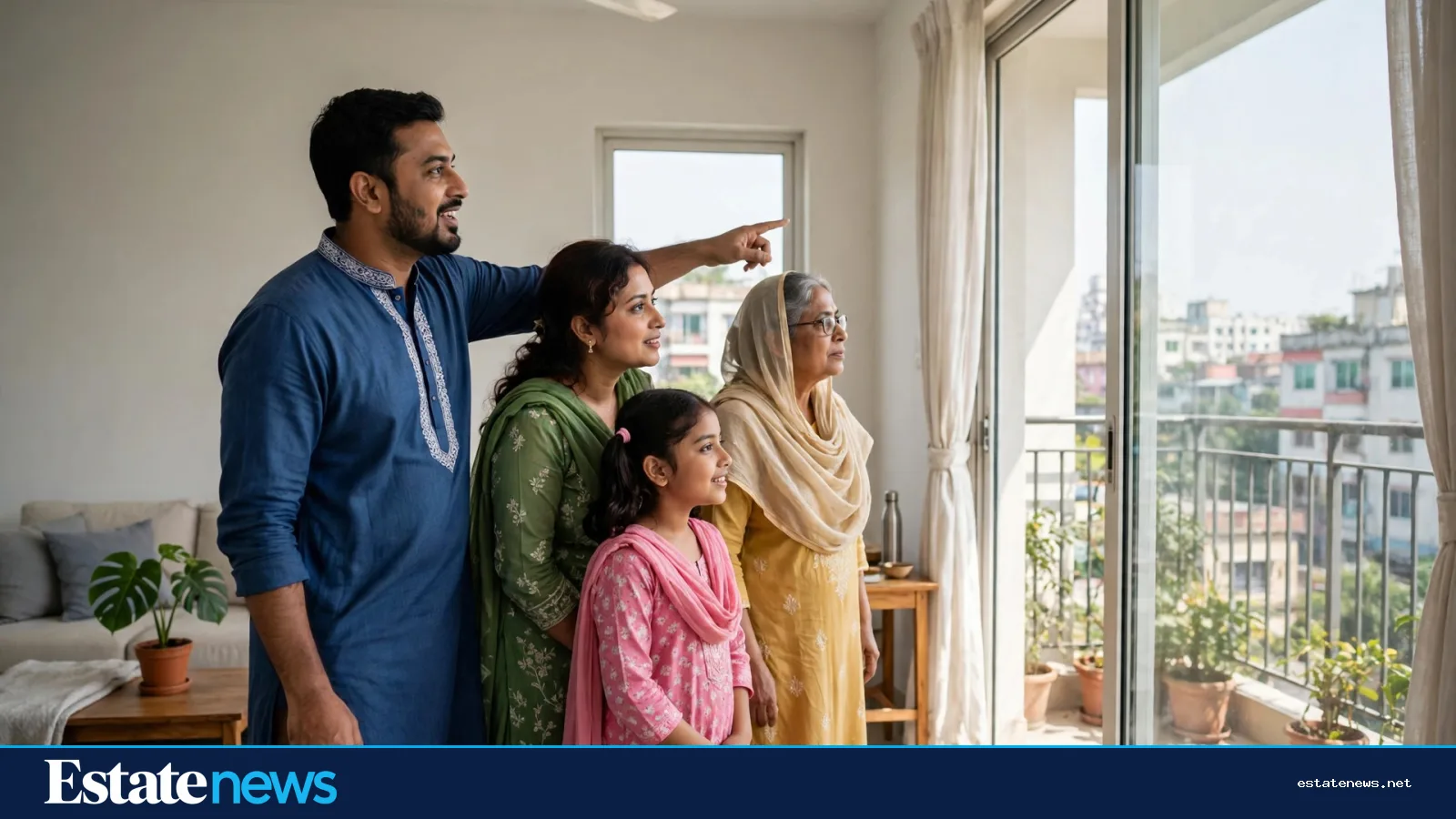
Dhaka in 1988 was only beginning to learn how to live in flats. Families that had always lived in tin-roofed houses or rented rooms in old neighbourhoods were starting to buy apartments, often with savings gathered over years and help from relatives abroad. Developers were few, and trust was the currency that mattered most.
Sheltech was founded in that year, and it grew as the market grew. The company became one of the country's leading developers, and in time the first real estate developer in Bangladesh to receive ISO 9001:2015 certification for quality management, according to company records. Its early buyers were the salaried professionals, bankers, teachers and business owners who formed Dhaka's new middle class. Their children, in many cases, are the buyers walking into Sheltech sales offices today.
What kept the company standing while others faded was not a single project. It was the habit of finishing what it started. By the end of 2024 the company had handed over a total of 4,100 apartments to customers since its inception, The Business Standard reported that December, after eight projects and nearly 300 apartments and commercial units were delivered in 2024 alone. The Daily Star, writing in August 2025, put the figure at more than 4,145 residential and commercial units handed over in Dhaka.
The projects that carry the name
Walk through the company's portfolio and the map of modern Dhaka appears. Gulshan, Banani, Dhanmondi, Baridhara DOHS, Eskaton, Uttara, Bashundhara, Malibagh, Moghbazar, Kakrail, Mirpur Road and Tejgaon all carry Sheltech addresses. In Chattogram the work reaches South Khulshi and Panchlaish, the two residential areas where the port city's professionals have settled for a generation.
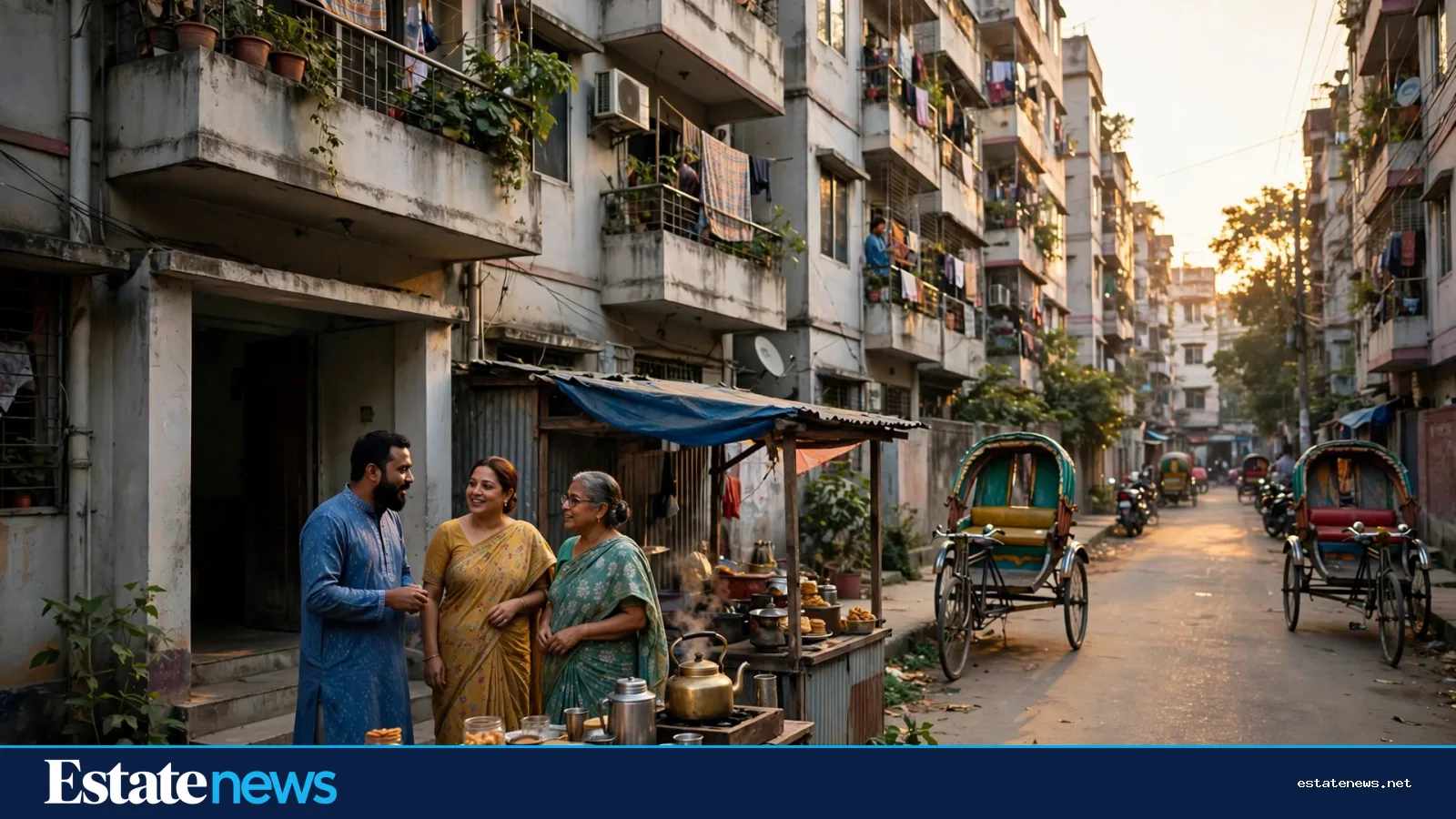
The premium end of that portfolio carries the Sapphire Series name, with projects in Dhanmondi, Gulshan, Banani, Eskaton and Uttara. One of its newer addresses is Sheltech Prottasha, on Road 3 in Dhanmondi, designed by architect Nahas Khalil with rooftop gardens, solar power, rainwater harvesting and full accessibility, according to The Daily Star. It is the kind of building the Dhanmondi of the 1980s could not have imagined, and the Dhanmondi of today expects.
The commercial side runs beside it. Sheltech Enclave Tower in Malibagh, the company's first redevelopment project, is a 20-storey residential and commercial complex handed over in August 2024. Vinchiya Sheltech Tower stands in the Tejgaon industrial area, Sheltech Elegant Tower on Mirpur Road in Kalabagan, and Sheltech Capital Center and Cityscape Heights in Kakrail. These are workplaces as much as addresses, and they show a builder that learned early that a city needs offices as well as homes.


Jolshiri and the planned-city bet
The largest bet in the company's current work sits outside the old city altogether. Jolshiri Abashon is a 2,133-acre planned township near Dhaka, developed in collaboration with the Bangladesh Army, and Sheltech is one of the developers building there. More than 20 of its projects are under construction in sectors 12, 13, 16 and 17 of the township, including Sheltech Astha and Sheltech Obokash Neer, the Financial Express reported during the REHAB Fair 2024.
Jolshiri matters because it answers the question Dhaka has been asking for years: where does the next generation live when the old neighbourhoods are full? The township offers what central Dhaka cannot, which is land planned before the buildings arrive, with roads, open space and services laid out in advance. For a company that spent its first decades fitting buildings into crowded plots, it is a different kind of work, and a longer kind of patience.
Service after the keys change hands
A flat is not finished when the keys are handed over. Lifts break, paint fades, plumbing ages, and the building committee learns, sometimes slowly, how to run a tower. Sheltech's April 2026 anniversary programme spoke directly to that part of ownership. Under its Service Month initiative, maintenance, repair work and technical inspections were offered to owners of apartments and commercial spaces delivered between 1988 and 2026, and the company said it would repeat the programme every year.
It is a small detail in a company's history, and a telling one. Developers in Dhaka are usually judged on launch day. Owners judge them five and ten years later, when the lift still works and the water still runs. A builder that returns to its old buildings is a builder that expects to be judged that way.
What the next decade asks of a builder like this
Sheltech was honoured in 2025 with the SDG Brand Champion Award in the category of Best Sustainable Real Estate Company, The Daily Star reported. The award fits the direction the company's newer projects point in: rooftop gardens, solar power, rainwater harvesting, green open areas. These are no longer extras in Dhaka's premium market. Buyers ask about them, and the city's heat and water pressure give them a practical edge.
The harder questions ahead are the ones facing every Dhaka developer. Land in the centre is scarce and costly. Buyers are careful with loans. REHAB's new leadership has pressed for small flats of around Tk 40 to 60 lakh in Savar, Gazipur and Keraniganj, and has said flats inside Dhaka at that price are not feasible under current conditions. A builder with Sheltech's footprint will feel that pressure from both ends: the demand for homes ordinary families can afford, and the cost of building them where those families want to live.
The company's answer, so far, has been to keep building in both directions at once: premium addresses in the established neighbourhoods, and planned-township homes at Jolshiri where the land allows a different price. Whether that balance holds will decide how the next chapter reads.
For now, the tower on West Panthapath keeps its lights on through the evening rush, and the fair boards come down only to go up again next year. Dhaka's middle class is still growing, still saving, still looking for a door of its own. Sheltech's history suggests it will be there when they arrive, with a building already standing and a set of keys that, this time, come with someone to call afterwards.