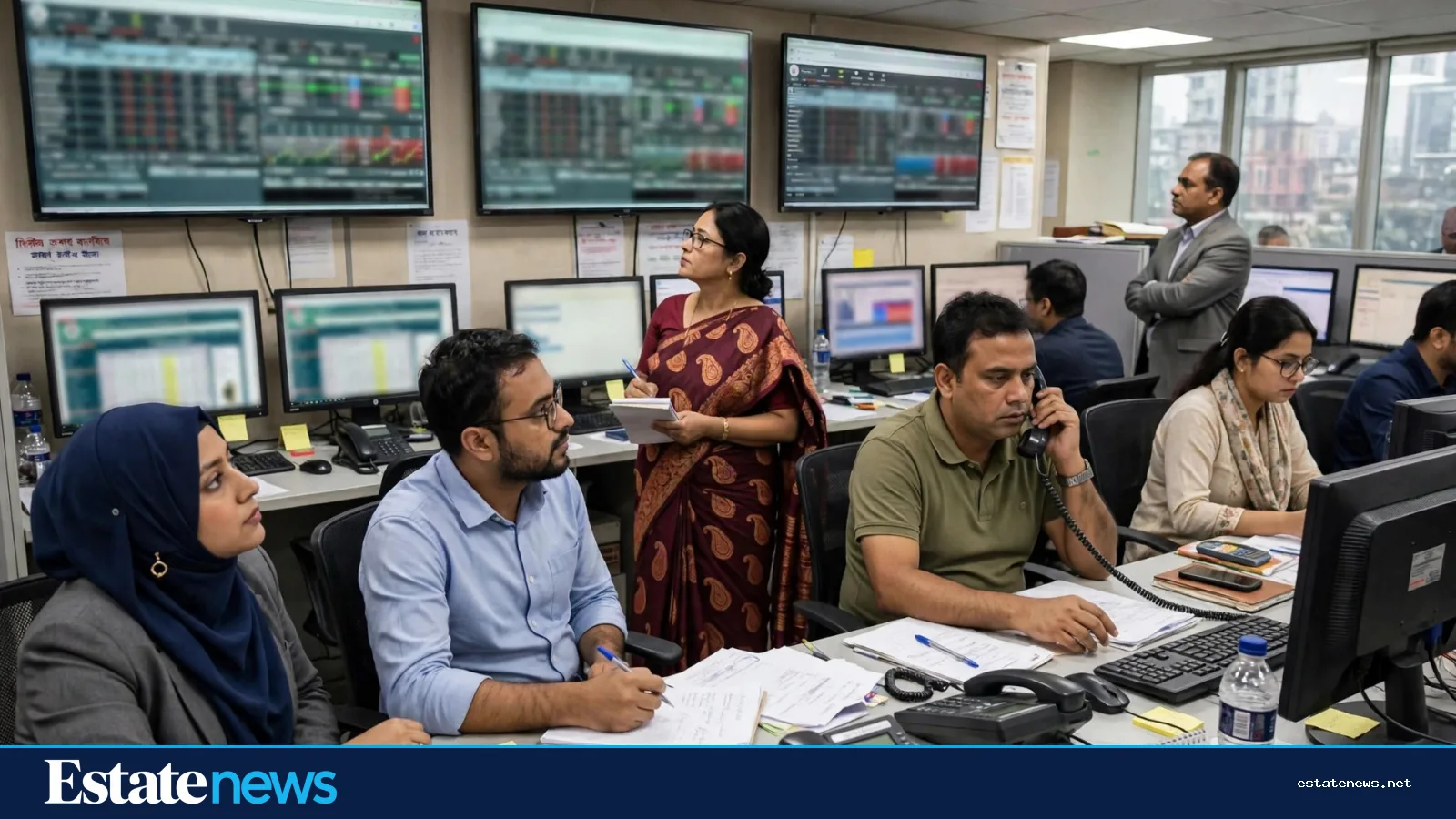
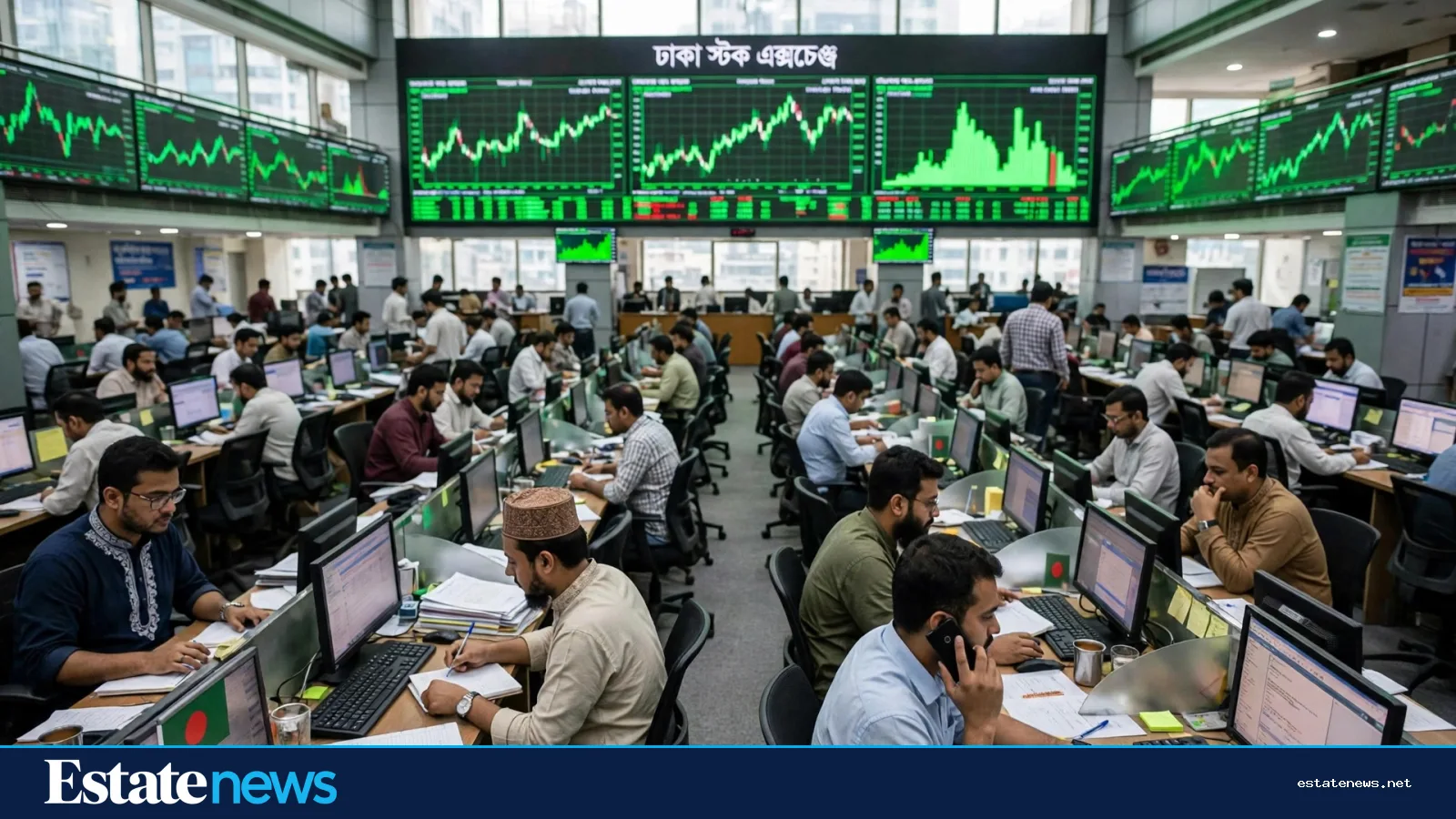
Dhaka's stock market ended the week on a steadier note. The DSEX closed Thursday at 5,413.04, up 71.41 points, or 1.34 percent, from 5,341.63 the day before. Turnover rose to Tk 645.43 crore, up 23.6 percent from Tk 522 crore, and 249 shares advanced against 81 that declined, with 65 unchanged, out of 395 issues traded.
It was the second straight daily gain after a four-session losing streak that had taken the index to a five-month low on 2 November. The two blue-chip measures joined the recovery. The DS30 rose 31.01 points, or 1.52 percent, to 2,068.63, and the DSES gained 10.83 points, or 1.04 percent, to 1,047.71.
A small change with a wide effect

Part of the lift came from the regulator. The Bangladesh Securities and Exchange Commission eased restrictions on selected frozen BO accounts, according to TBS, and the move was read in the market as a step toward getting stuck money moving again. For a market that has spent much of the year short of confidence, a practical step of that kind carries more weight than a speech.
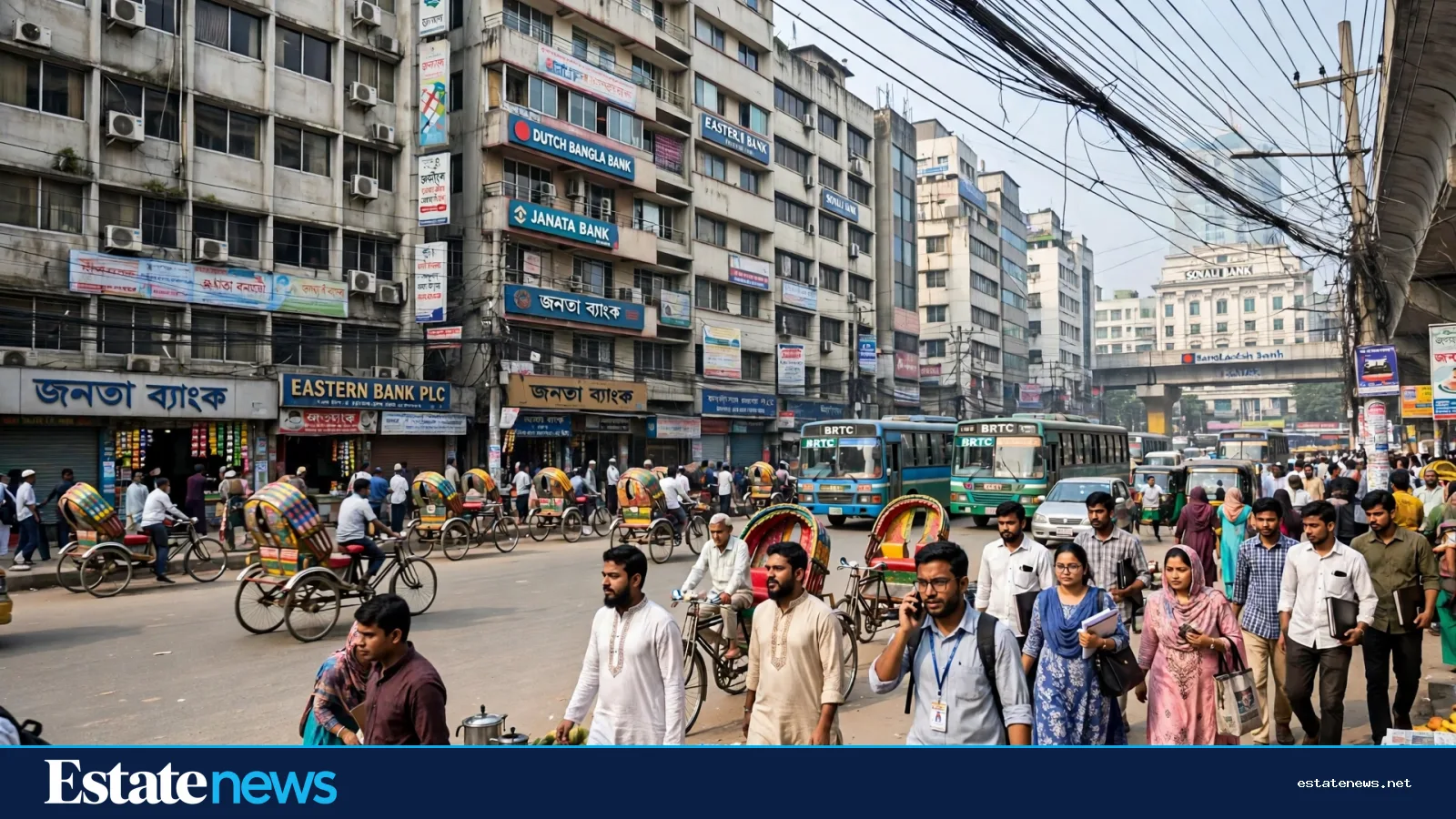
For homebuyers, the market's mood matters in ways that are easy to miss. Listed developers and building-materials companies borrow and raise money in this market. Household savings sit in shares and deposits. When the index falls for days on end, families hold back on big decisions, and a flat is the biggest decision most families ever make. Two days of gains do not change that picture by themselves. They do make the start of the new week easier to face, and that counts in a market where confidence has been in short supply.
Exports near $4 billion


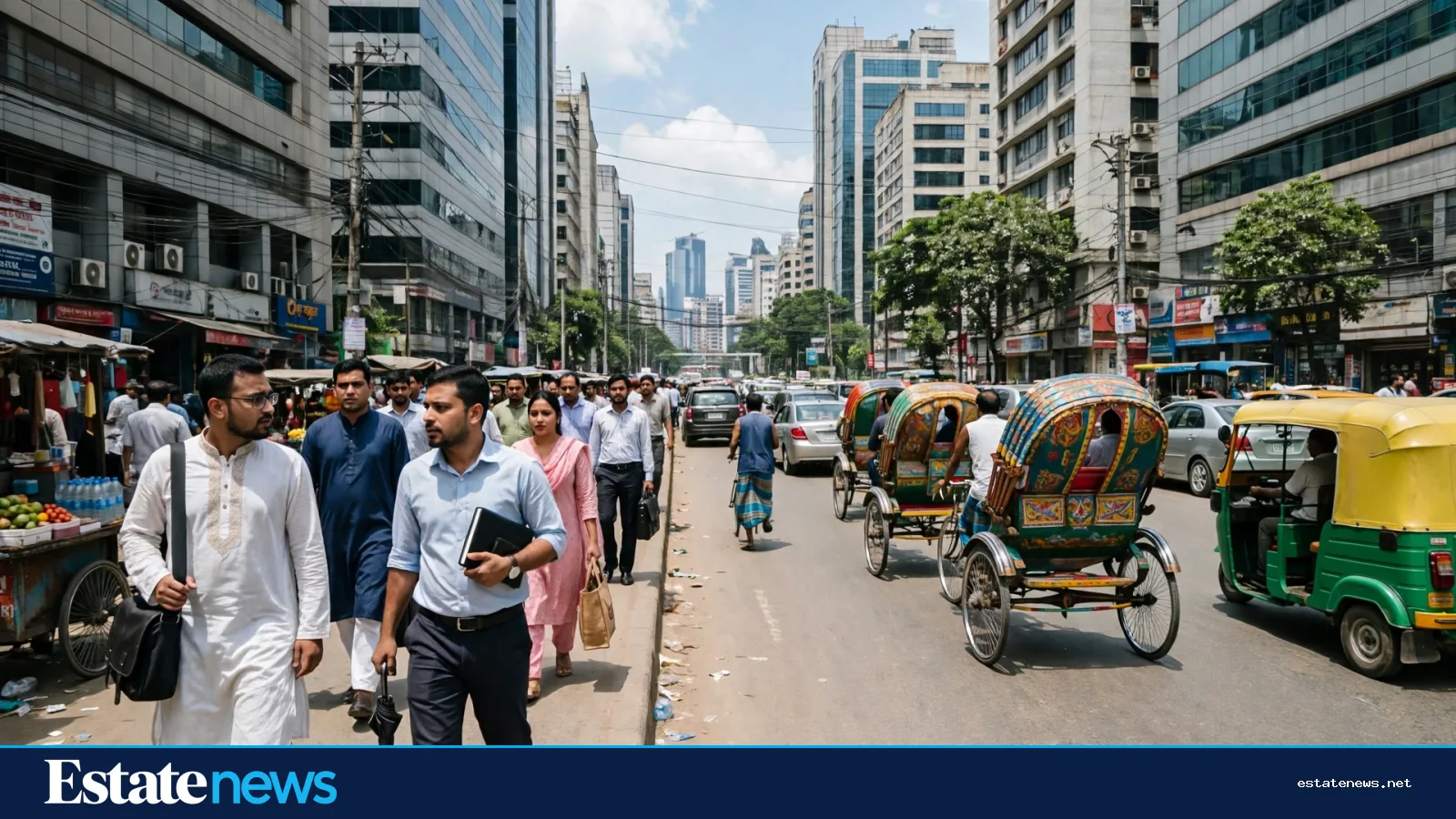
October brought a strong trade number. Exports reached $3.99 billion in the month, and remittance from Bangladeshis working abroad came in at $2.87 billion. Together, the two figures describe the two engines of the household economy: the factories that earn dollars, and the workers abroad who send dollars home. Both matter for housing. Export earnings support jobs in Dhaka, Chattogram and Gazipur, and remittance money is one of the steadiest sources of demand for flats and land in the country.
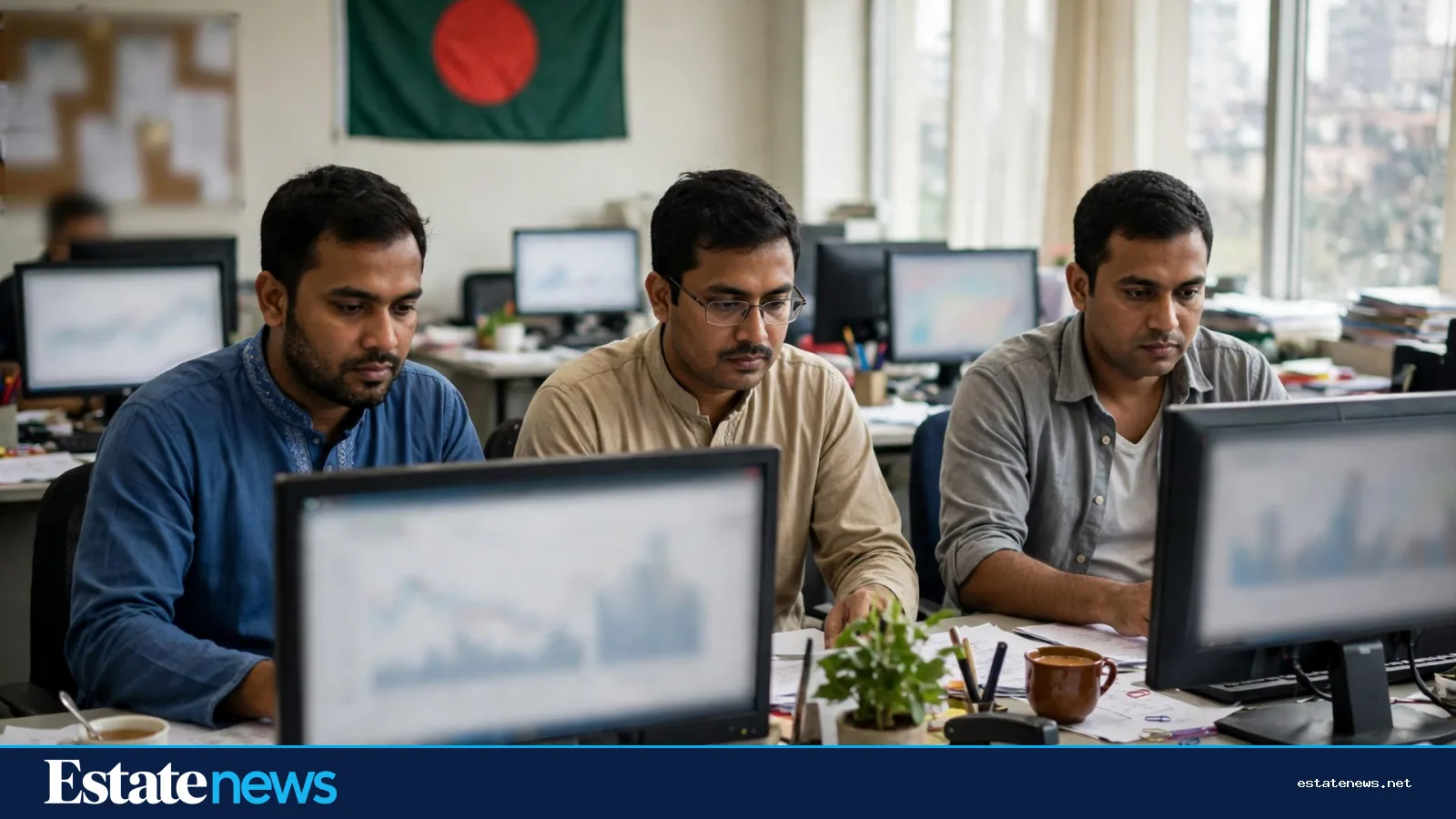
The garment sector, which earns most of those export dollars, is going through a difficult stretch. Wage protests shut 529 factories and affected about 987,200 workers, according to reports, and workers are demanding a monthly minimum of Tk 30,000 against the current Tk 12,500 set in December 2023. A six-member wage board formed on 1 November is working on a new scale, with the first salaries under it expected in January. November and February are the peak order season, accounting for about 40 percent of annual export orders, so the timing of a settlement matters for factories, for workers and for the export numbers that follow.
The picture is not a simple one, and it should not be dressed up as one. A wage rise will add to costs for factory owners, and it will add to incomes for workers. Both effects will show up in the economy, and both will show up in housing demand, in different places and at different speeds. What can be said plainly is that the export engine kept running in October, and the money coming home from abroad stayed strong.
What it means for the week ahead
The new week opens with a few things to watch. The first is whether the stock market can hold its two-day recovery and build on it, or whether the gains fade the way earlier recoveries have. The second is the wage board, and whether its work brings a settlement that lets factories run at full strength through the peak season. The third is the flow of remittance and export money into housing, which usually shows up first in land and flat enquiries in Dhaka and Chattogram, and only later in prices.
None of this makes a flat cheaper or dearer by itself. A market wrap is a snapshot, not a forecast, and this one shows a week that ended better than it began. Stocks up, trade strong, money from abroad steady. For families thinking about a home, that is a fairer starting point than the one they had a week ago. The rest depends on what the new week brings, and on whether the recovery in the market and the settlement in the factories both hold.