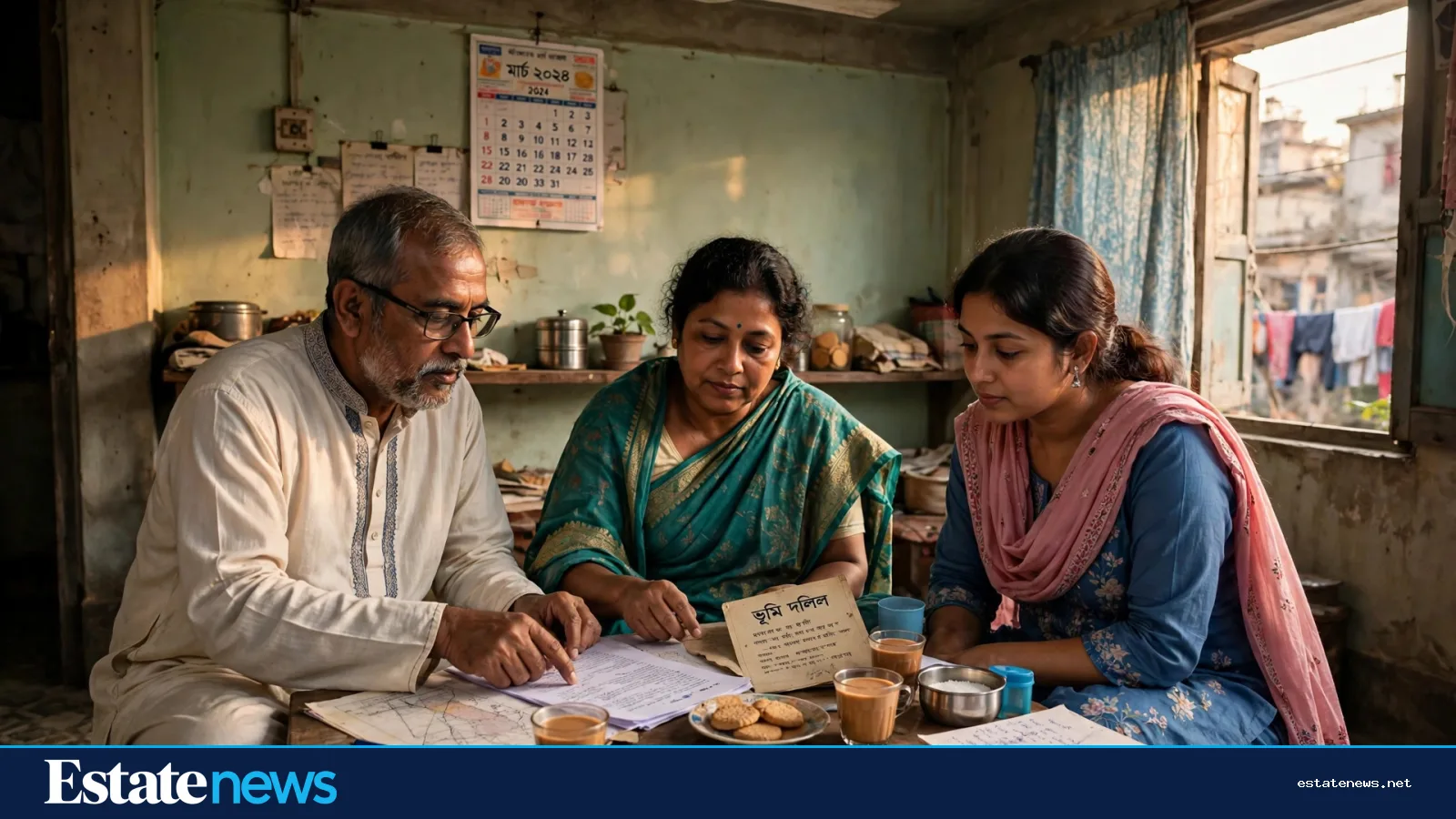
The flat in Dhanmondi belonged to a father who bought it in the 1990s. He died in 2021. The children kept paying the service charge, kept the flat, and kept putting off the papers. In 2025, one of them needed a loan against it, and the bank asked a plain question: whose name is on the record. The answer was a dead man's name, and the loan stopped there.
This is the most ordinary property problem in Bangladesh. The family inherits the house, and forgets to inherit the papers. The house stays in the family. The record does not move. And the record is what a bank, a buyer, or a court will look at.
The first paper is the succession certificate

When a person dies leaving property, the heirs need a succession certificate. It is issued by the court, and it lists who the legal heirs are. For a Muslim family, the shares follow Islamic inheritance law. For Hindu, Christian and other families, the applicable succession law applies. The certificate is the foundation document. Without it, the mutation office, the bank and the registration office all have the same problem: they cannot tell who is entitled to what.
Getting the certificate takes time, and it takes agreement. The application names all the heirs, and each of them must be part of the process. Families that start this while everyone is on speaking terms finish it far faster than families that start after a quarrel. A lawyer who handles succession work can explain the court's requirements, but the family has to bring the documents: the death certificate, the national identity cards of the heirs, and proof of the property itself.
Mutation follows, and it follows for every heir
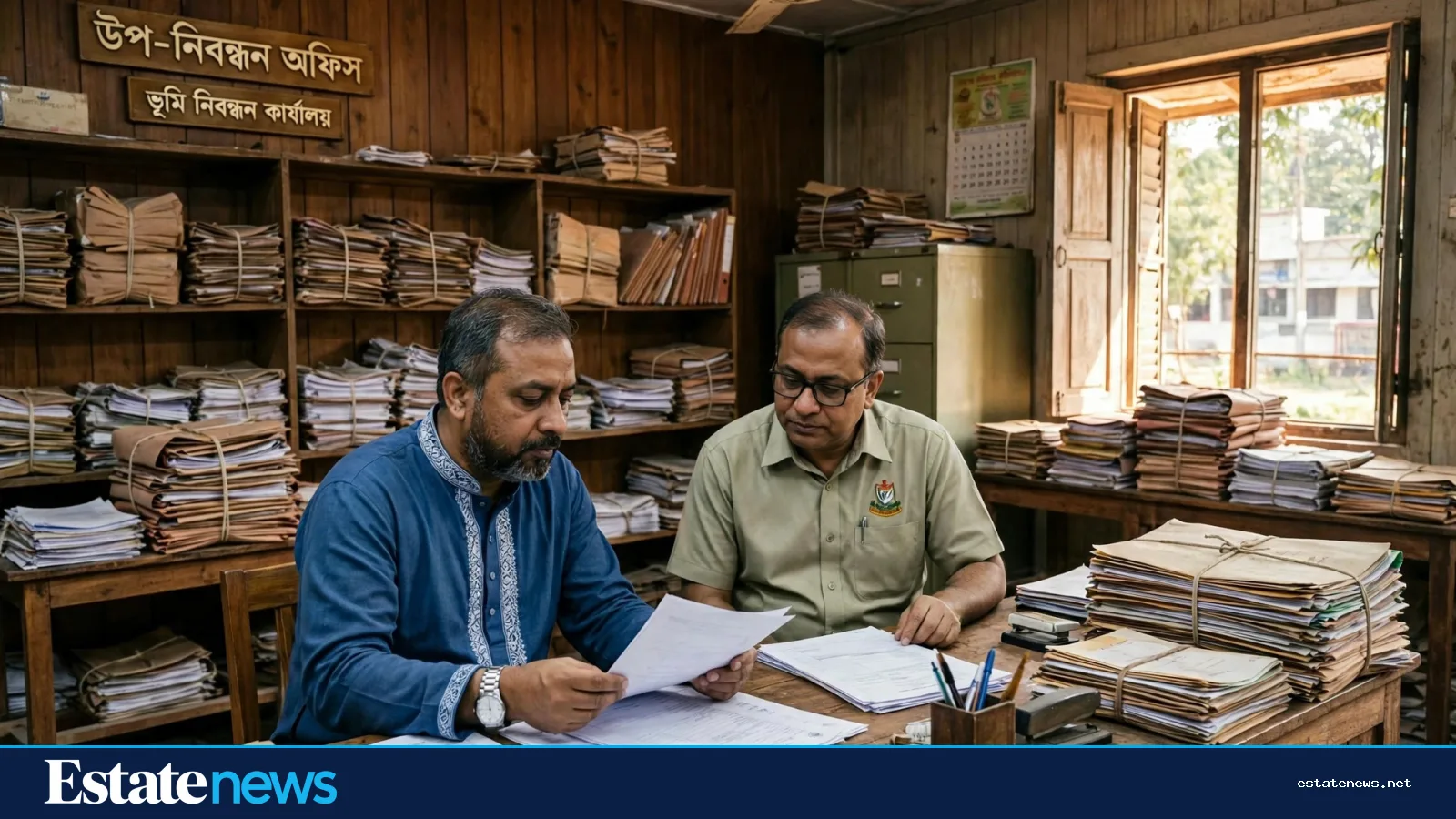
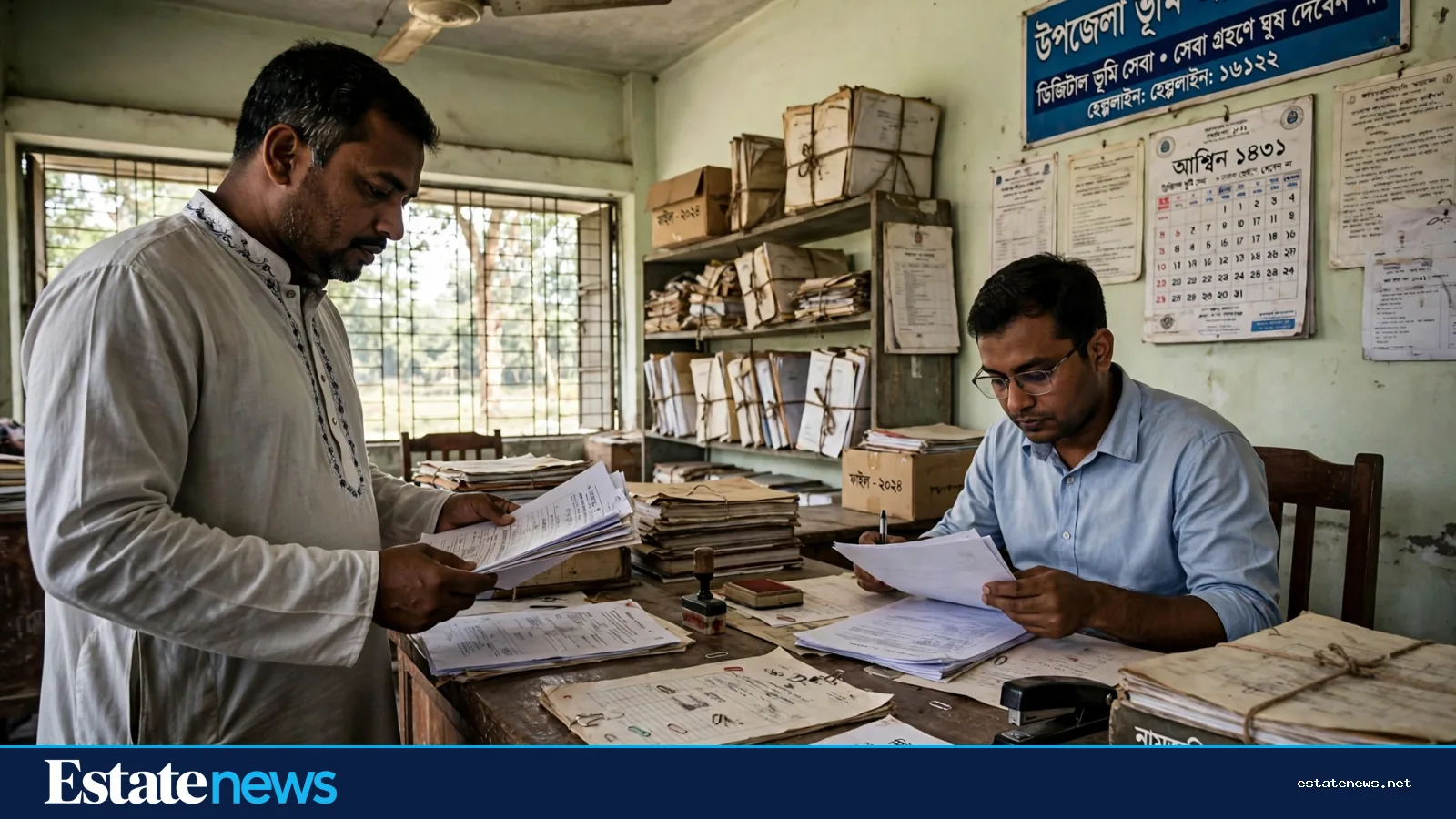
Once the succession certificate is issued, the property must be mutated into the heirs' names. This is the same namejari process used after a purchase, and it works the same way: an application to the land office, the khatian, the deed and the succession certificate attached, a hearing, and a new record in the names of the heirs.
This step is the one most families skip. They reason that the flat is theirs, everyone knows it, and the papers can wait. But an unmutated property cannot be sold cleanly, cannot be mortgaged, and cannot be divided without a fight over who owns what on paper. The mutation fee is small, and the cost of skipping it is measured in years.


Partition is where families come apart
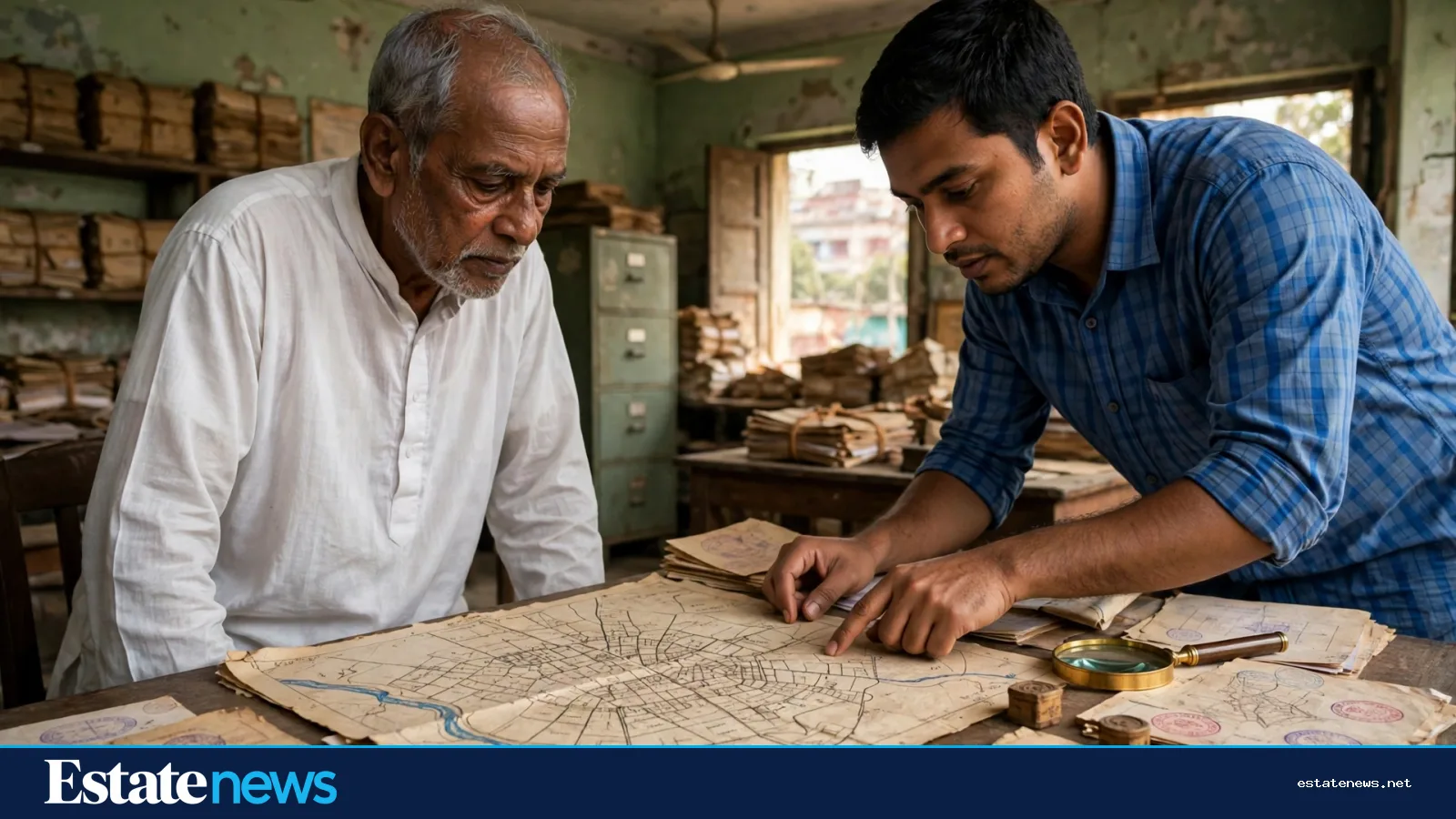
A single flat or a single plot shared by four heirs is not a plan. It is a postponement. Sooner or later someone wants to sell their share, someone else wants to move in, and someone else wants nothing to change. A partition, called bonton, divides the property among the heirs, either by agreement or through the court.
An agreed partition, drawn up as a deed and registered, is the cheapest and kindest way to do it. Each heir gets a defined share, a defined flat or a defined portion of the plot, and the record reflects it. A court partition takes longer and costs more, and it usually follows a breakdown that could have been avoided. The families who partition early, while the parents' wishes are still fresh in everyone's mind, rarely end up in court. The families who wait until the property is worth real money often do.
The papers to keep in one file
A family file for inherited property should hold the death certificate, the succession certificate, the original deed and khatian, the mutation record in the heirs' names, the partition deed if there is one, and the latest khajna receipts. Keep originals together and keep certified copies with a second family member. A property file scattered across three households is almost as bad as no file at all.
There is one more habit worth building. Parents should write down, while they are alive, which property goes to whom and where the papers are kept. It is not a legal document on its own, but it removes the guesswork that turns a family meeting into a dispute. A will, drawn up with a lawyer, does the job properly, and it is the single most useful document a property-owning parent can leave behind.
Inherited property is not complicated. It is slow, and it needs the family to act while they still agree. The certificate, the mutation, the partition: three steps, taken in order, turn a house a family remembers into a house a family can actually use.