The sales office shows you the model flat. The brochure shows you the view. Neither shows you what happens at 7 in the morning, when every tap in the building opens at once and the lift carries a full load down twelve floors.
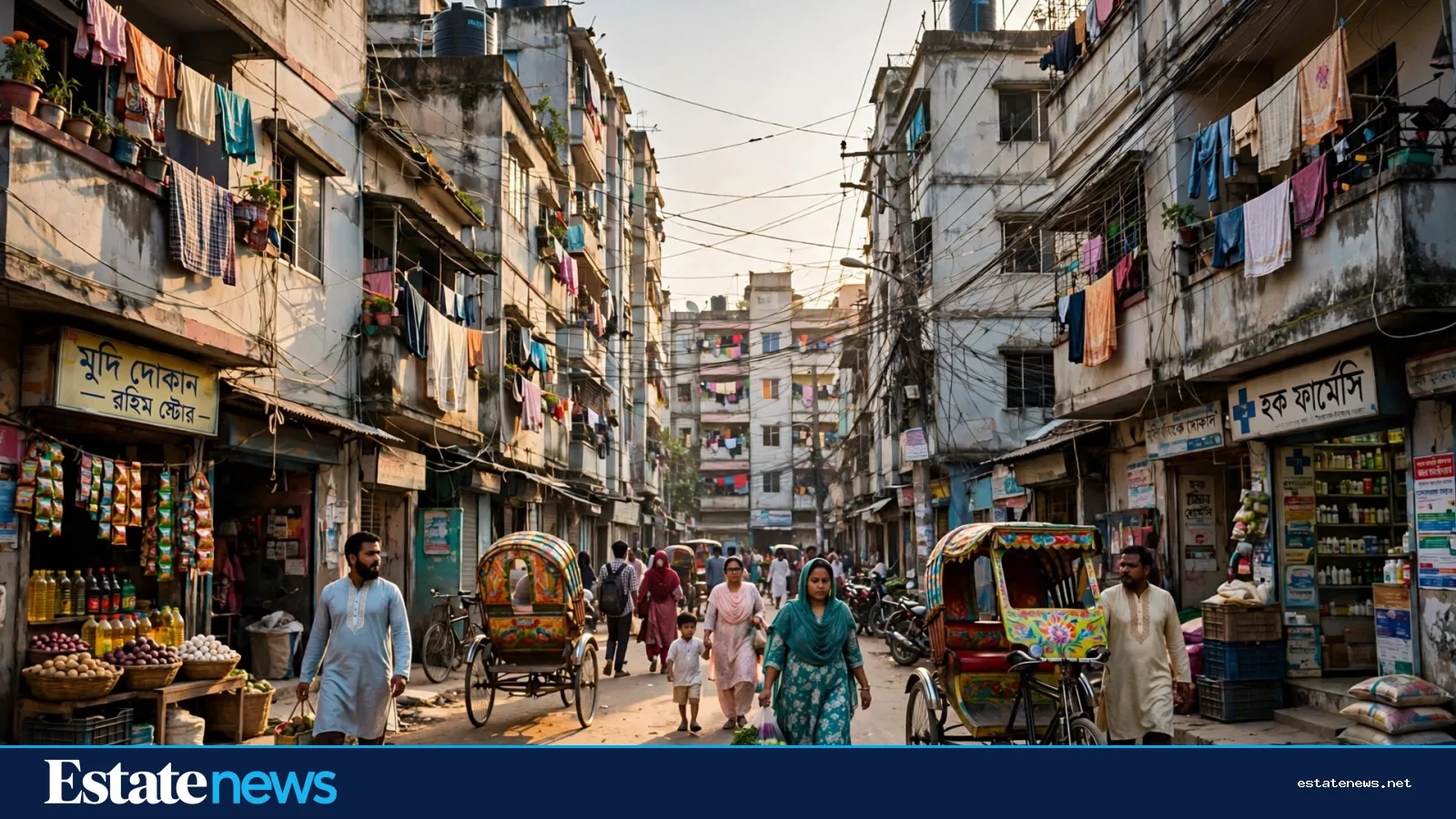
In Dhaka, the most common post-handover complaints are not about paint or tiles. Buyers talk about lifts that stop between floors, gas burners that stay cold for months, and water that reaches the ground floor with force and the top floor as a trickle. All three can be checked before booking. The checks take an afternoon, and they cost nothing.
Ride the lift the way residents will

Do not take one smooth ride with the sales executive. Ask to ride the lift during a busy hour, when residents are going out to work or school. Watch how long it waits at each floor, whether the doors close cleanly, and whether the cabin shakes or makes a grinding sound on the way up.
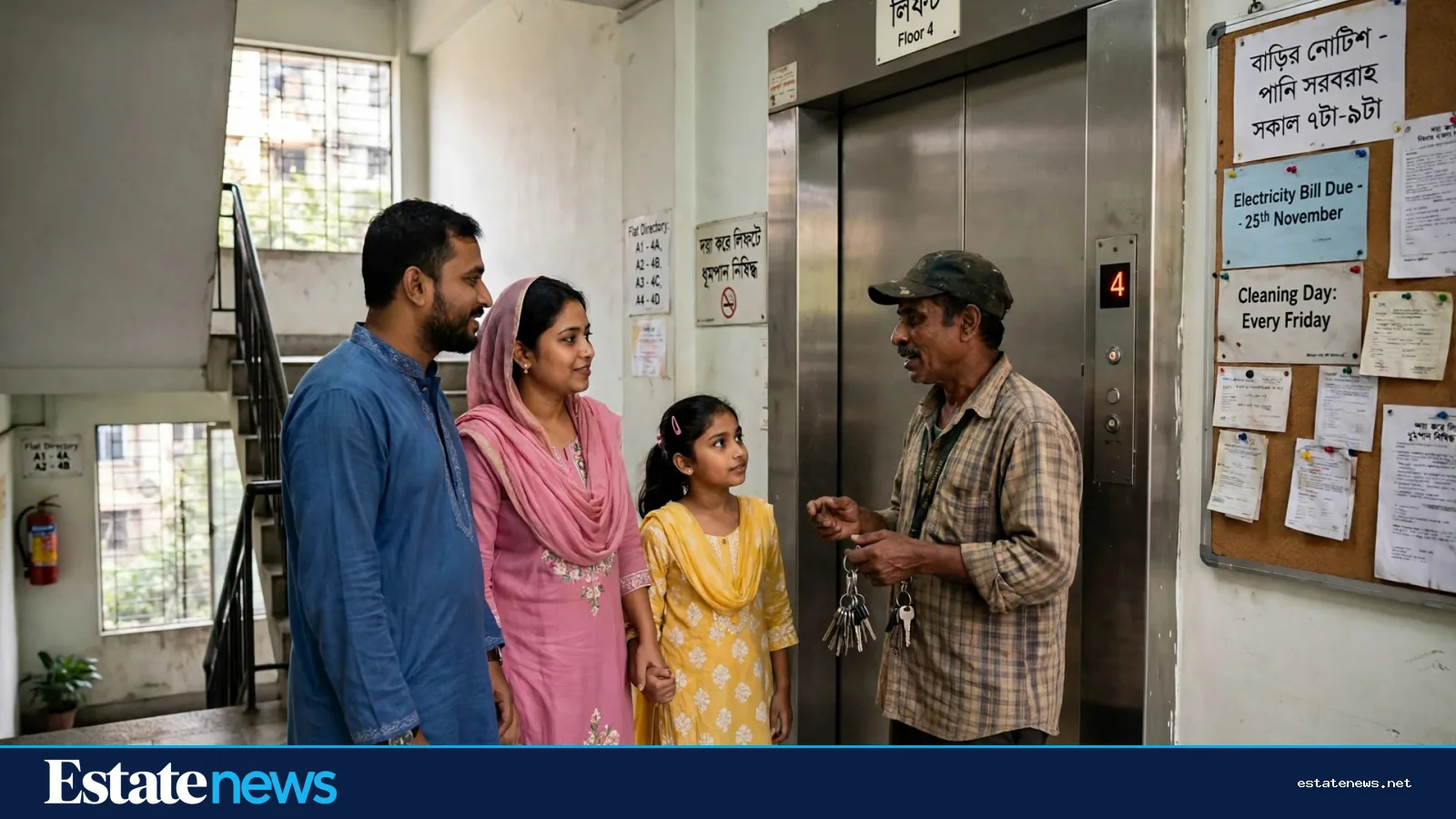
Ask the developer for the lift brand, its capacity and its service contract. A building with one lift for twelve floors and forty flats will keep residents waiting. Two lifts change the maths completely. Ask who services it, how often, and what happens when it breaks down at night. In many Dhaka buildings the caretaker holds the key to the machine room; ask to see the room. A clean, dry machine room with a logbook tells you more than any brochure line.
Ask also whether the lift runs on generator power during load shedding. Dhaka still cuts power, and a lift that stops in a blackout strands the top floors. The generator question is a simple one, and the answer should be simple too.
Ask where the gas comes from, in writing
A gas connection is the single most misunderstood item in a Dhaka flat booking. Many new buildings have no piped gas at all, and buyers only learn this when the kitchen is fitted and the burner will not light. Others have a connection that arrives months after handover, or a line that serves only some floors.
Ask the developer, in writing, whether the flat has a piped gas connection, a cylinder arrangement, or neither. If the answer is piped gas, ask to see the approval or the connection letter. If the building uses LPG cylinders, ask where the cylinders are stored, who refills them, and what the monthly cost looks like for a household that cooks twice a day. A cylinder kitchen is workable, and many Dhaka families run one happily, but it is a different budget and a different routine from piped gas. The point is to know before you book, not after you move in.


Test the water on the top floor, not the ground floor
Water pressure is easy to test and easy to fake. A developer who shows you a tap on the ground floor is showing you the easiest tap in the building. Ask to open a tap on the highest floor, in the flat you would actually buy, at a busy hour.
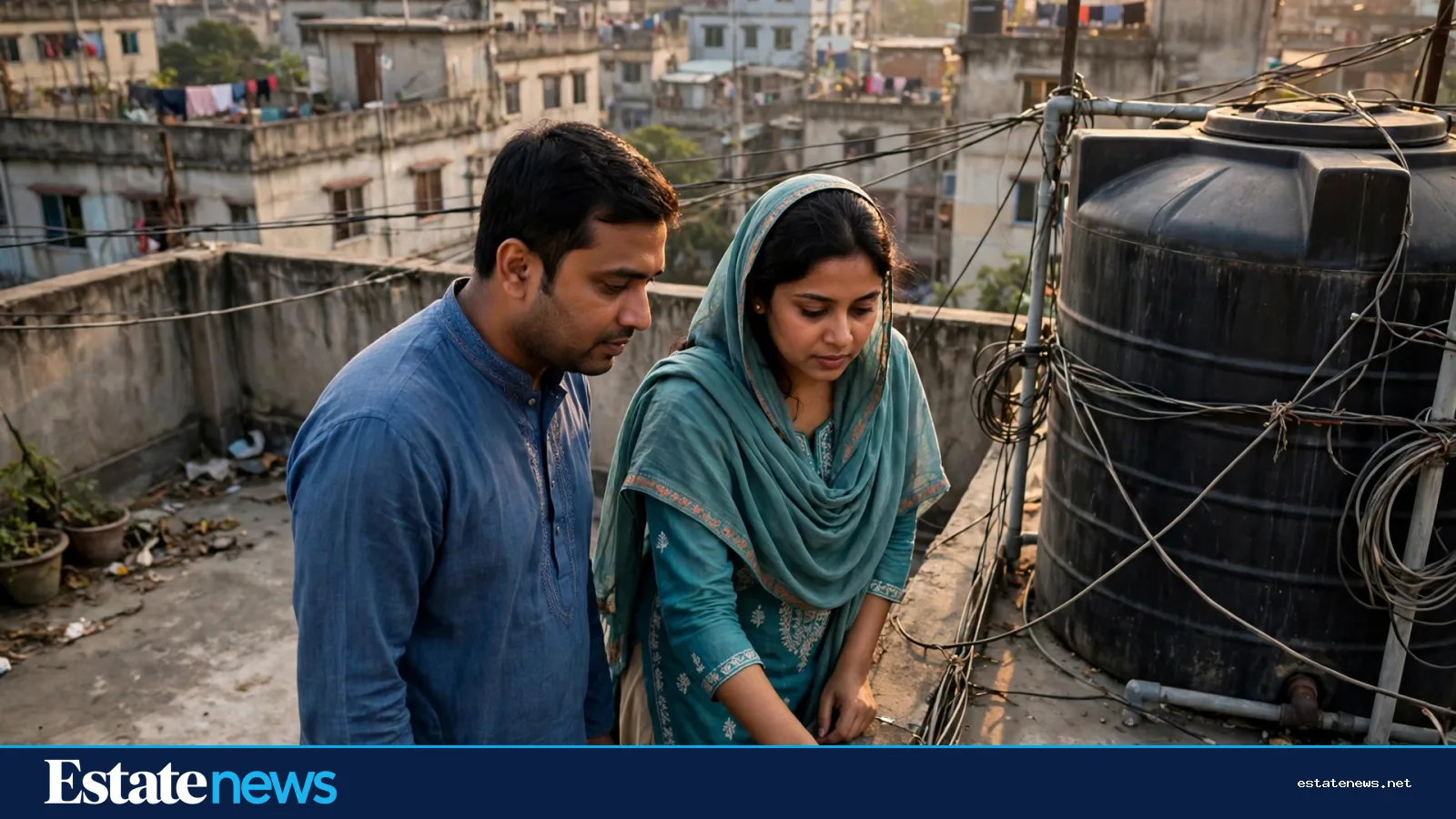
Run the kitchen tap and the bathroom tap together. Watch whether the flow drops when both are open. Ask about the water source: deep tube well, WASA line, or a mix of both. Ask where the underground reservoir sits, how often it is cleaned, and whether the rooftop tank has a cover. An uncovered rooftop tank in Dhaka collects dust, leaves and the odd dead bird. Residents rarely ask about it. They should.
Ask the existing residents, if any have moved in. In a building that is partly occupied, a neighbour on the fifth floor will tell you in thirty seconds what the brochure will not: whether the water runs thin in the evening, whether the pump breaks down, whether the lift was out for a week last month.
The documents that back up the answers
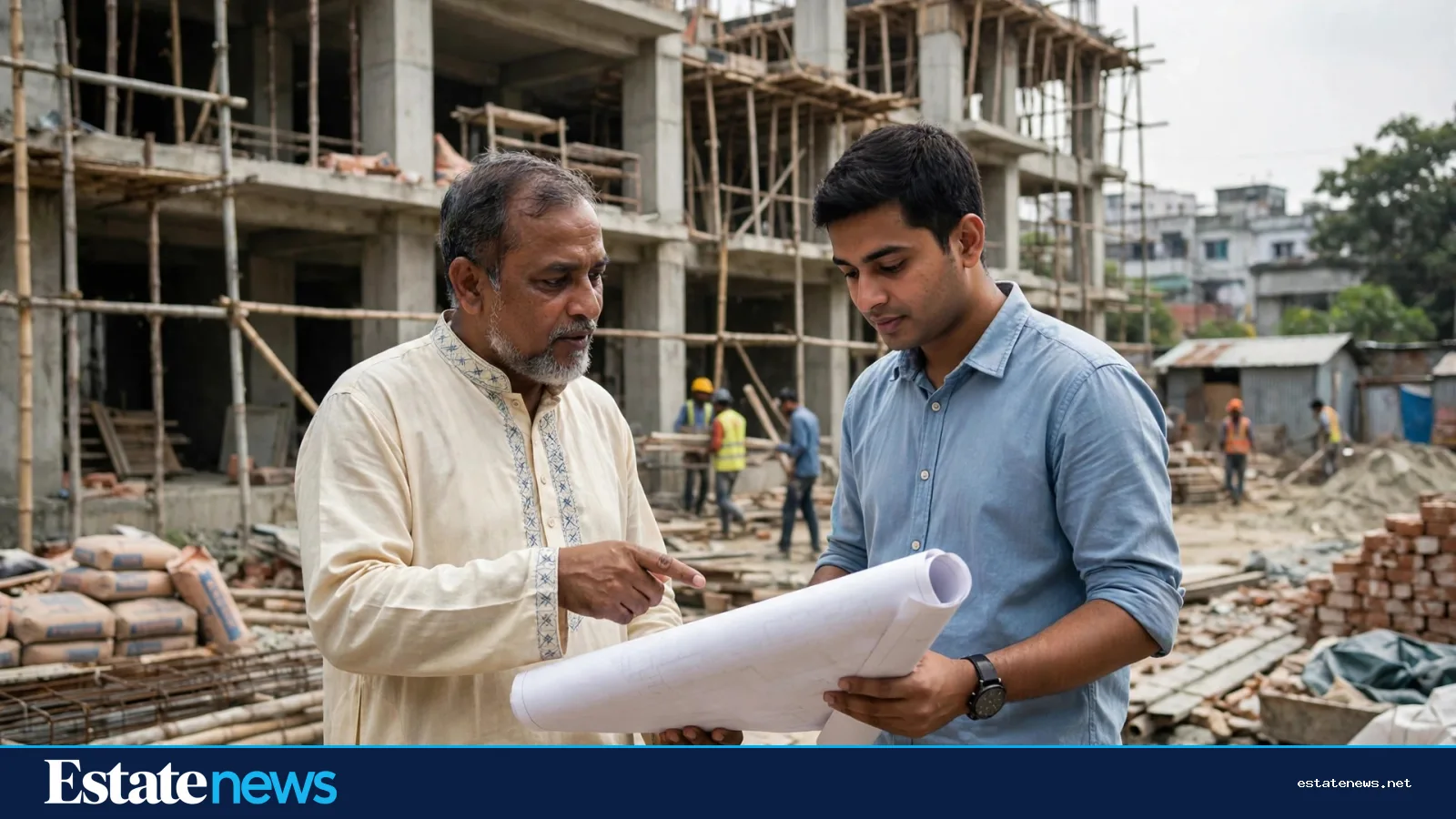
Verbal answers are useful. Paper answers are better. Before booking, ask for the building approval and the occupancy certificate position, the lift installation and service papers, and the gas and water connection letters. A developer with nothing to hide produces these without a fuss. A developer who stalls on all three is giving you an answer of a different kind.
None of this makes a building a bad buy. A single lift in a six-storey building is fine. A cylinder kitchen is fine. Low pressure on the top floor can be fixed with a pump. What turns a small problem into a daily irritation is discovering it after the booking money is paid.
Walk the building like a resident, not a guest. Ride the lift at rush hour. Open the top-floor tap. Ask for the gas letter. The flat you buy is not the model on the third floor. It is the building at 7 in the morning, and that is the building you should test.