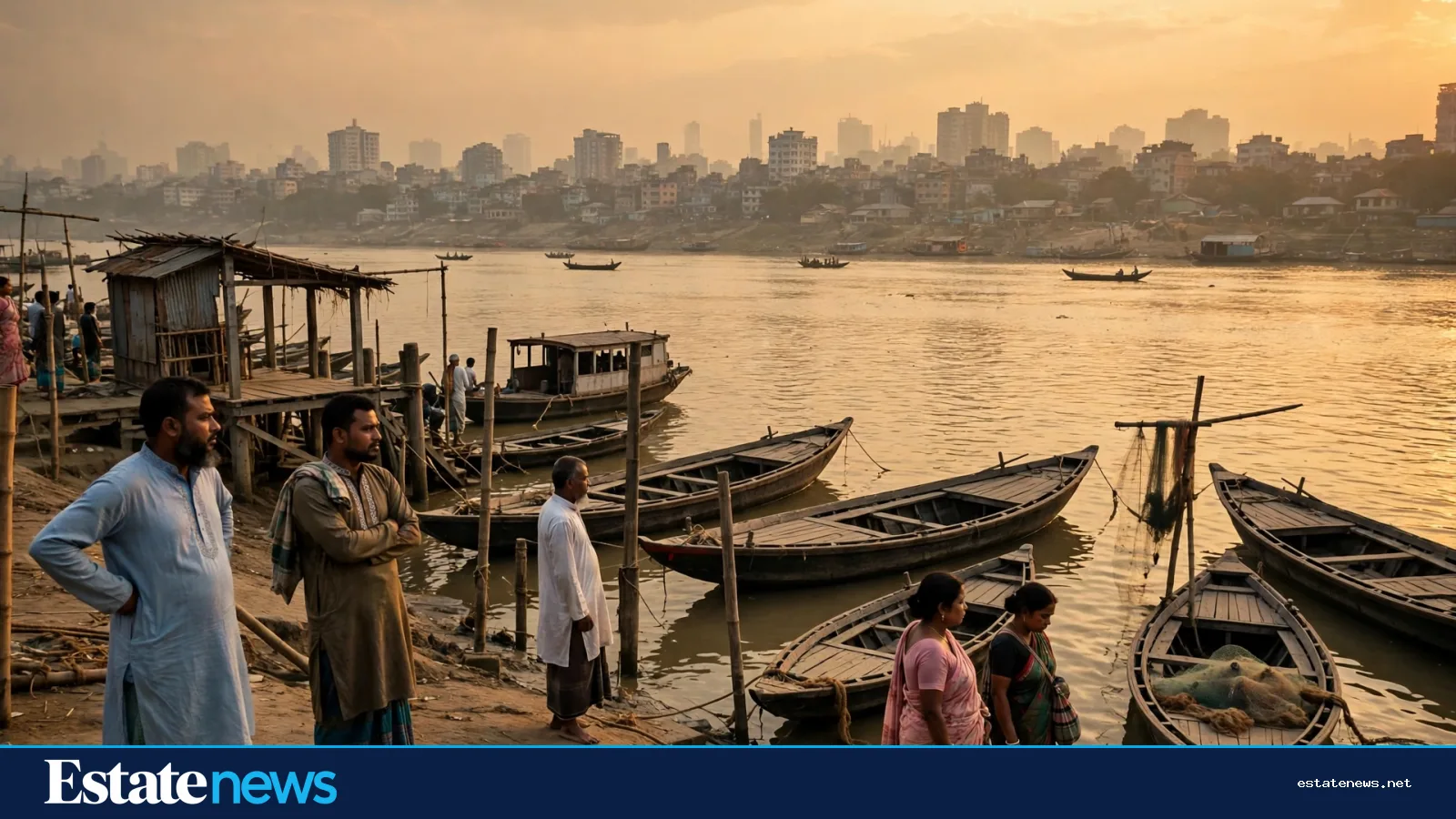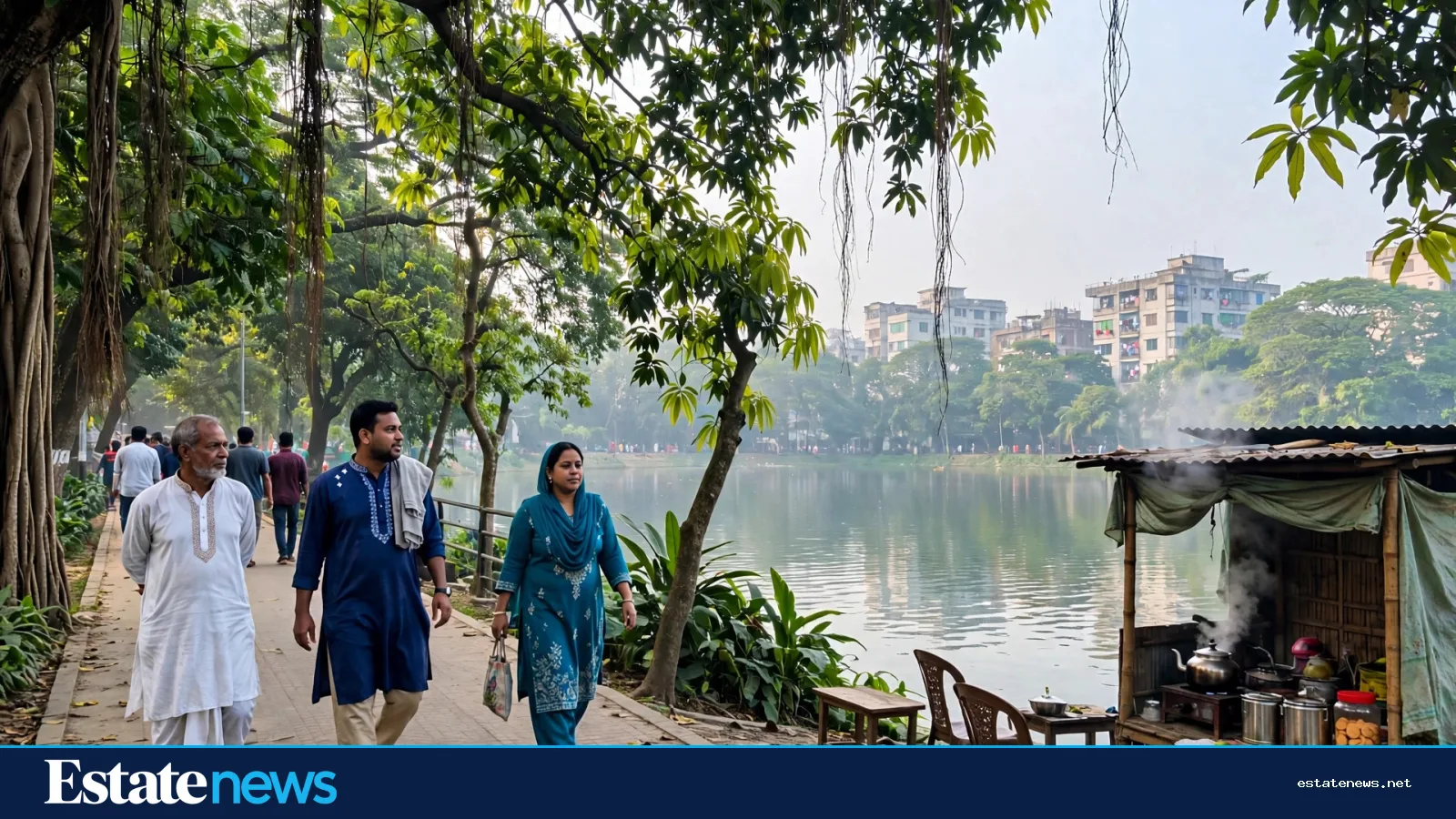
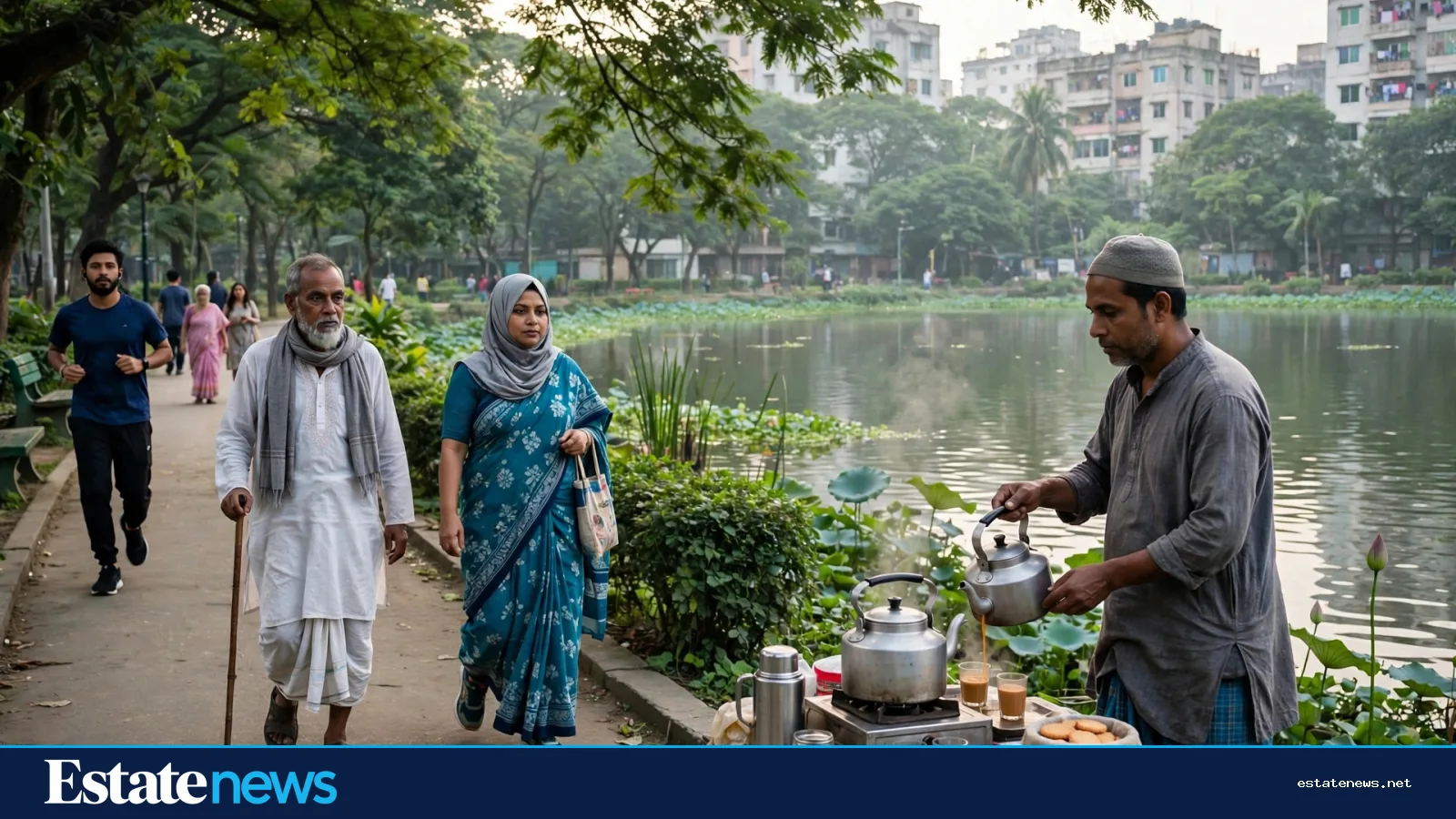
The walkers arrive before the sun is properly up. Around Dhanmondi Lake, in the pale light of a Dhaka morning, they move in loose groups along the water: retired men in panjabis, young mothers pushing prams, students with earphones, a vendor setting out his tea stall near the Rabindra Sarobar end. The lake is the one part of Dhanmondi that still looks the way the planners drew it. Everything else has been rebuilt, subdivided, stacked and sold, several times over.
Dhanmondi began as a drawing-board idea. In 1949 the government of East Pakistan took up a project to build a planned residential area on the western edge of Dhaka, and in 1950 it acquired about 500 acres of agricultural and horticultural land, levelled it and divided it into plots of about one bigha each, according to Banglapedia. The plots were leased for 99 years at Tk 5,000 per bigha and allotted to ministers, government officials, public leaders, professionals and businessmen. The Dhaka Improvement Trust, set up in 1956, laid out the wide grid roads, planted the roadside trees and built the public amenities. A master plan followed in 1959.
The idea was a suburb of detached houses. Each family would build a one or two-storey house on one side of its plot and keep a lawn and garden in front. Within a decade the plots were filled with houses of a similar look, and Dhanmondi became the address every Dhaka family knew. The house on Road 32, home of Sheikh Mujibur Rahman, gave the area a place in the country's history that no other neighbourhood could claim.

The villas give way to apartments
The change came plot by plot, and it came because Dhaka itself changed. After 1972, pressure on city land grew so fast that the rule keeping Dhanmondi strictly residential was relaxed to the point of virtual non-application, Banglapedia records. Shops, offices, clinics, schools and showrooms moved in. Nearly half the plots of the residential area are now used for non-residential purposes, according to the same account.
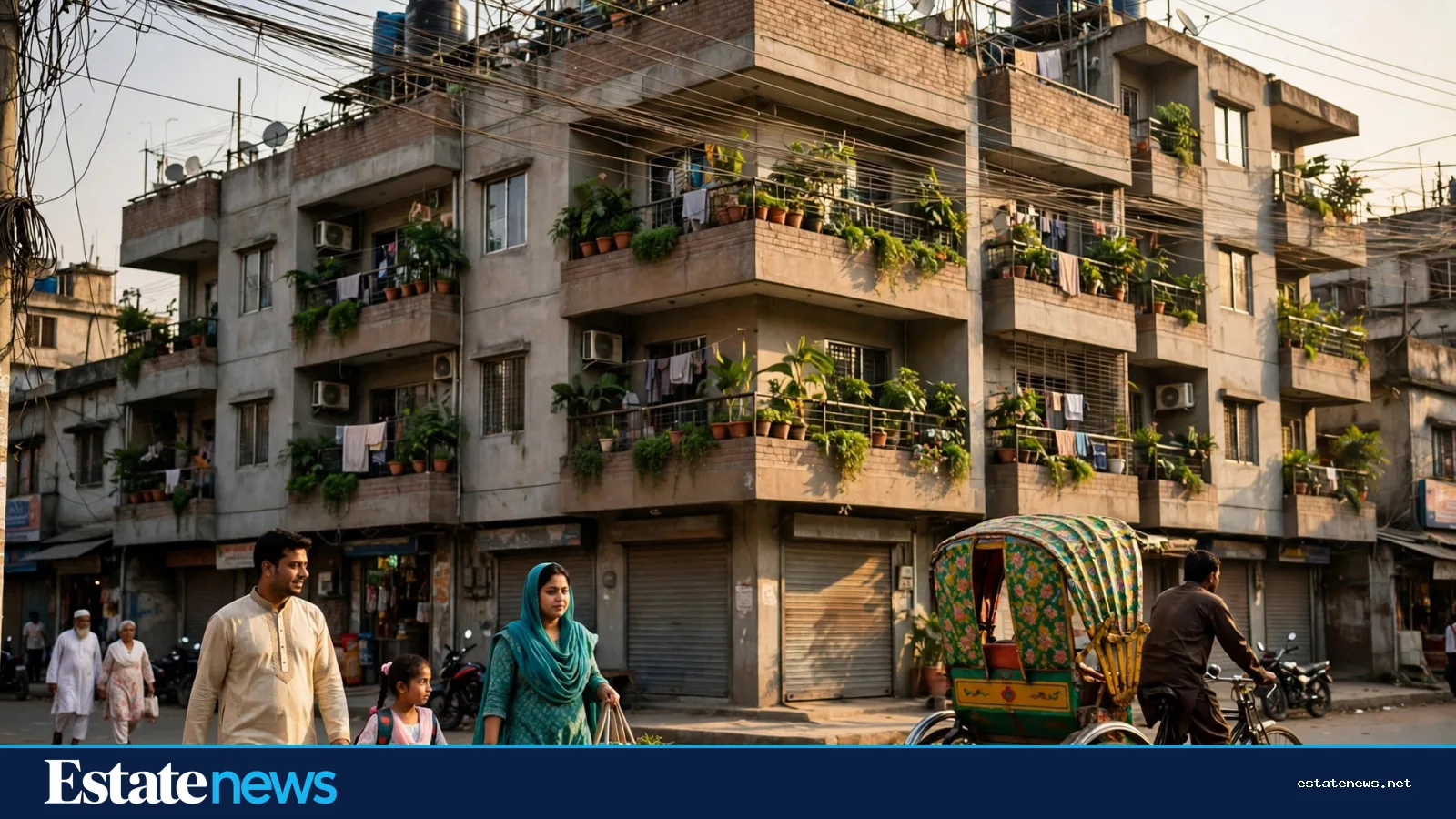
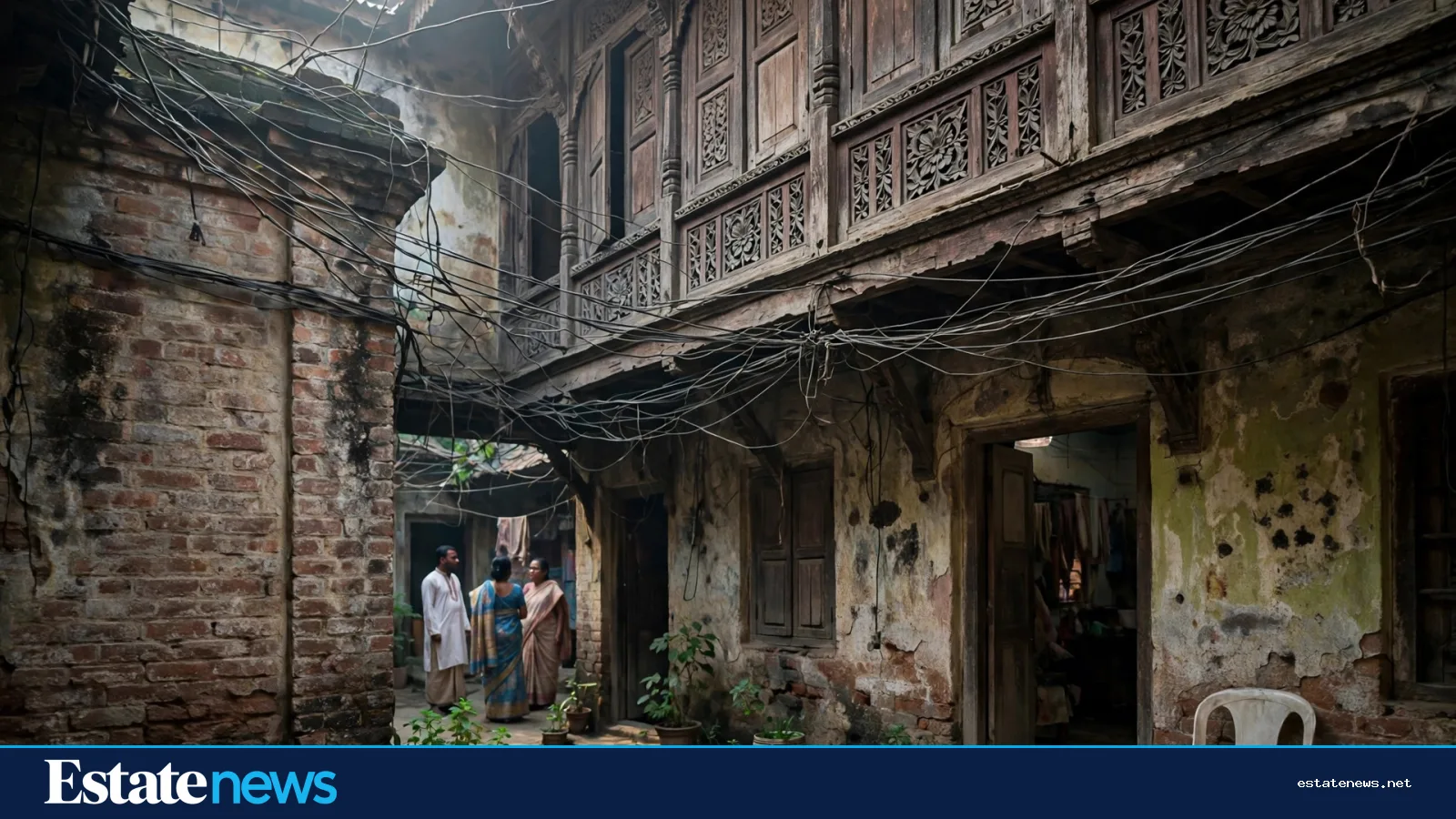
The old villas went first. A two-storey house with a garden could not hold the value of the land it stood on, and the children of the first allottees often found that the sensible choice was to rebuild. Six-storey apartment blocks rose where single houses had stood. Then the blocks grew taller and the plots were split, so that two or three buildings now stand where one villa once did. Anyone who walks the inner roads of Dhanmondi today can still spot the survivors: a low house behind a wall, a mango tree over a gate, a nameplate from another era.
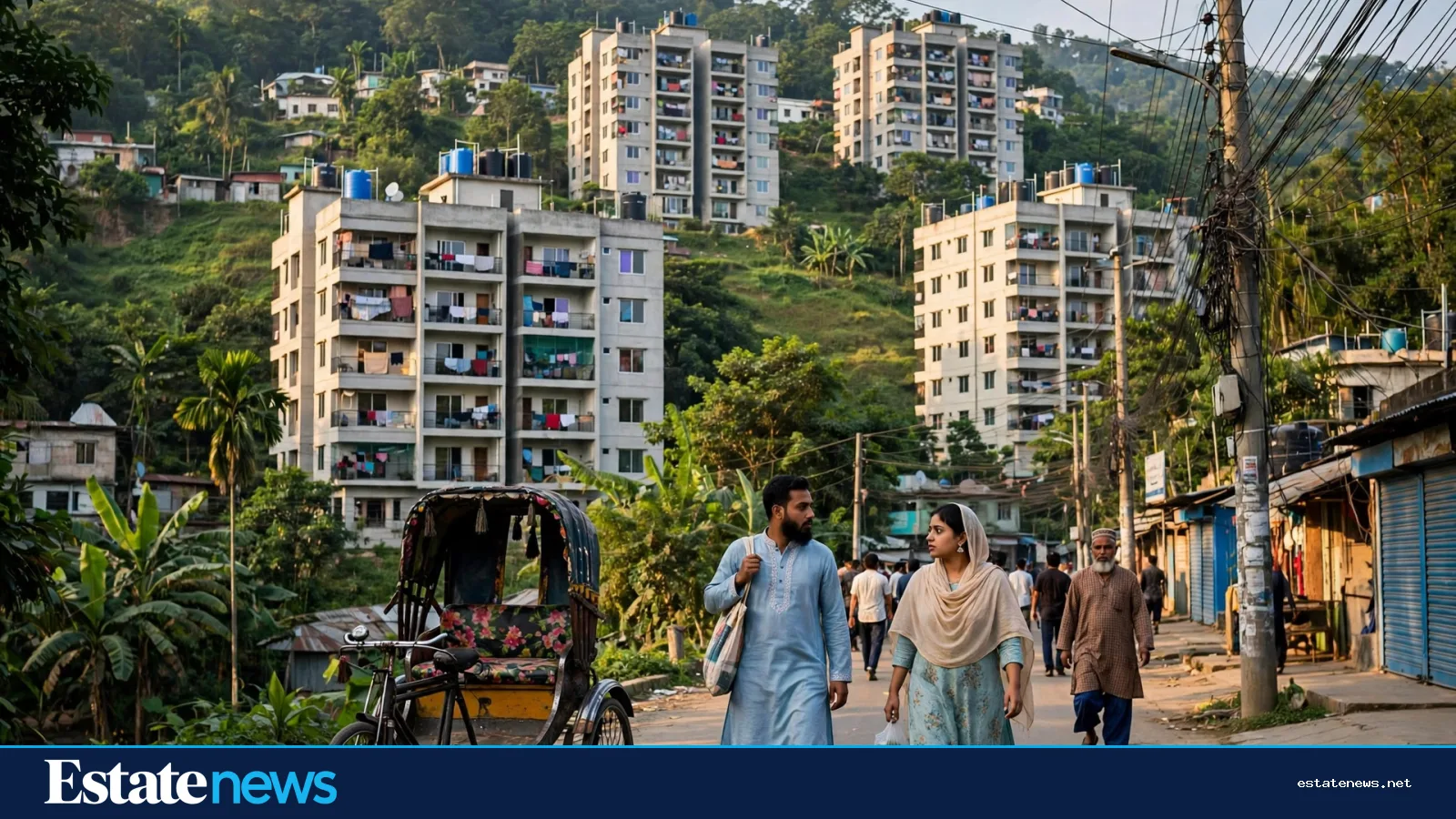
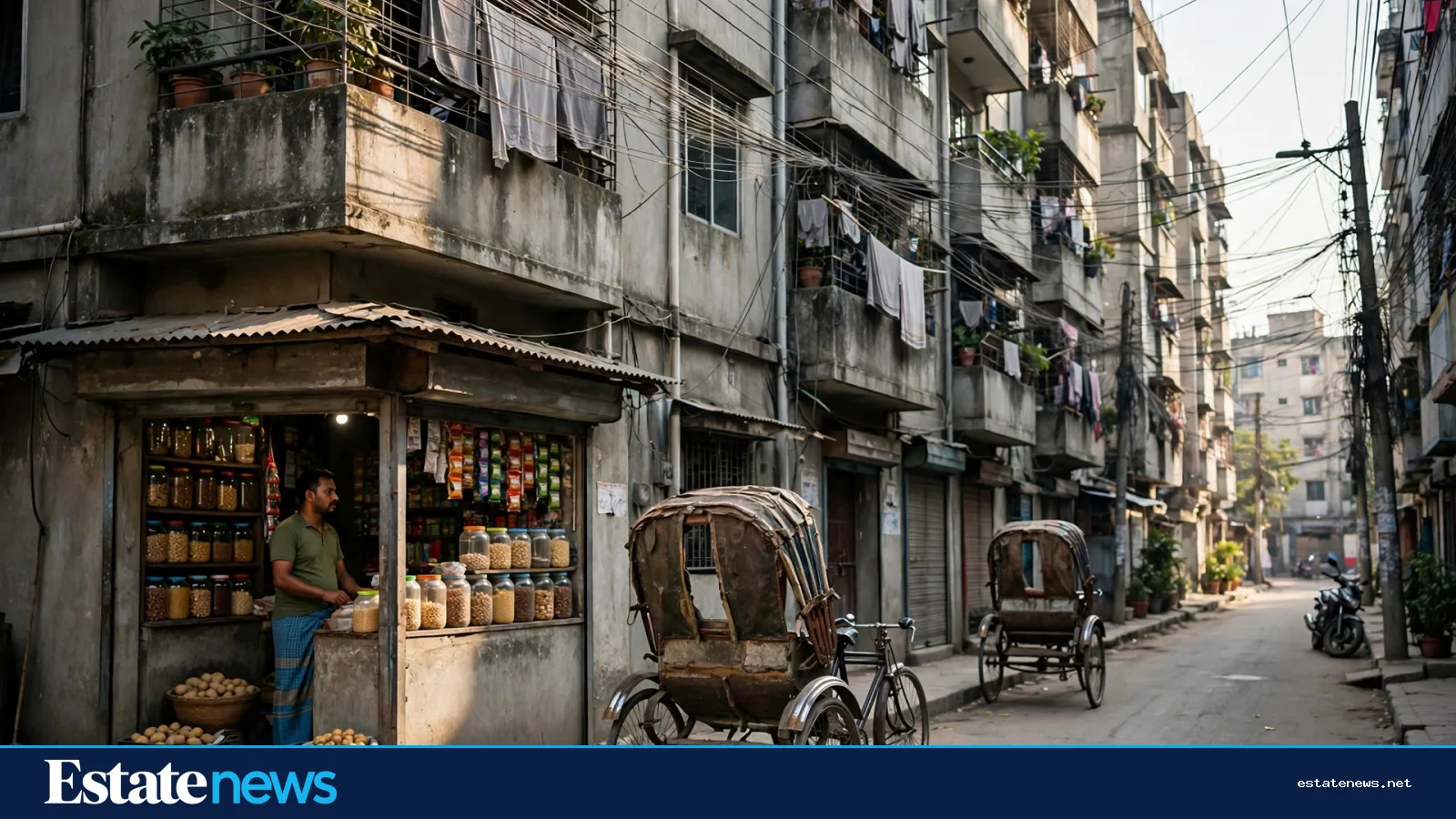
What replaced them was not a slum and not a gated enclave. It was the Dhaka flat as most of the city now knows it: a three-bedroom apartment with a drawing room, a small balcony, a lift that sometimes works, a caretaker at the gate and a service charge argued over at the building meeting. Dhanmondi did not invent the apartment block. It made the apartment block respectable, and then it made it normal.
Who lives in Dhanmondi now


The families who live here now are a different mix from the officials of the 1950s. There are doctors attached to the hospitals nearby, teachers from the schools and colleges, business owners with offices a few roads away, and younger couples who grew up in Dhanmondi and refused to leave it. Students rent rooms and small flats near the coaching centres and universities, and older residents hold on to flats their parents bought when the area was still quiet.
The lake is what holds the mix together. The water in front of the museum house was rescued from encroachment and re-excavated, and vegetated walkways were laid alongside it, Banglapedia notes. On winter evenings the lakeside fills with families, and on festival days the Rabindra Sarobar amphitheatre near Road 8 hosts cultural programmes. For a neighbourhood that lost so much of its green cover to construction, the lake is the one open space nobody has managed to build over.
What the rest of Dhaka copied
Every planned area that followed Dhanmondi borrowed something from it. The wide roads and the grid, the idea of a lake as the centre of a neighbourhood, the mix of houses and corner shops, the habit of naming roads rather than numbering blocks: all of it travelled to Uttara, Bashundhara and beyond. Even the problems travelled. Dhanmondi showed the city what happens when a residential plan meets commercial demand, and the later areas repeated the same slow drift from houses to shops to offices.
The lesson is not that planning failed. Dhanmondi still works as a neighbourhood in a way few Dhaka areas do. Children walk to school, patients reach hospitals in minutes, and a flat here still means a short trip to almost anywhere that matters in the city. The plan bent, and the bending is the story. A suburb built for officials became a mixed city district, and the city learned from it.
The next chapter is a repair job
The work ahead in Dhanmondi is not building more. It is keeping what is there in working order. The lake needs steady care, the footpaths need to stay walkable, and the old drainage and water lines need the kind of attention that does not make headlines. Residents' associations in the area have spent years arguing for exactly that, and the courts have heard their case for protecting the residential character of the area.
For buyers, the message of Dhanmondi is a plain one. A flat here buys a location that has already proved itself across three generations, a lake that still draws the whole city on a winter morning, and a neighbourhood that knows how to absorb change without losing its shape. The plots of 1950 are gone. The idea behind them, a place planned for living rather than for show, is still the reason people pay to be here.