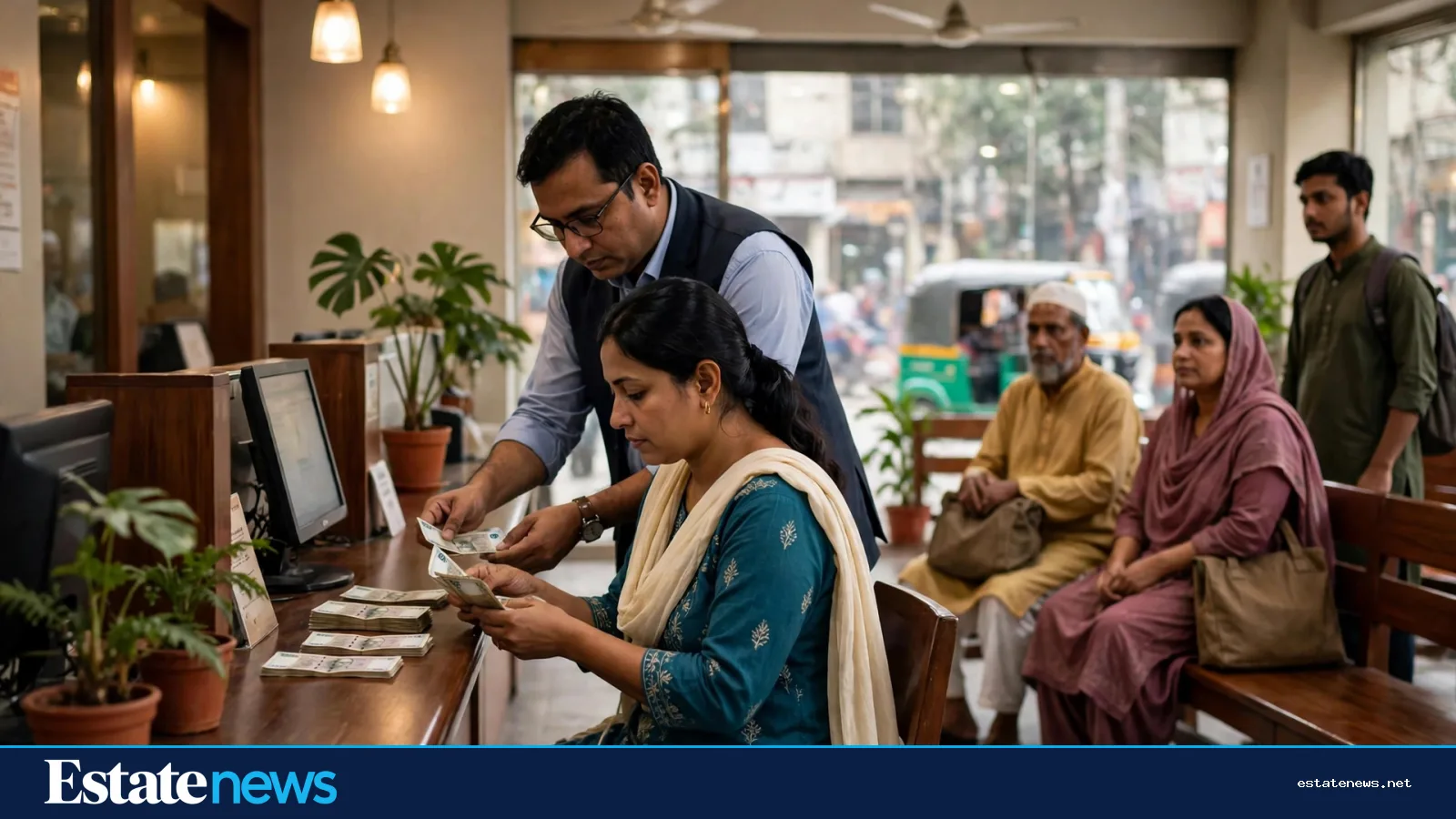
For years, the remittance league table in Bangladesh barely moved. Islami Bank sat at the top, month after month, collecting the largest share of the money that expatriate Bangladeshis send home. The first quarter of this financial year broke that pattern.
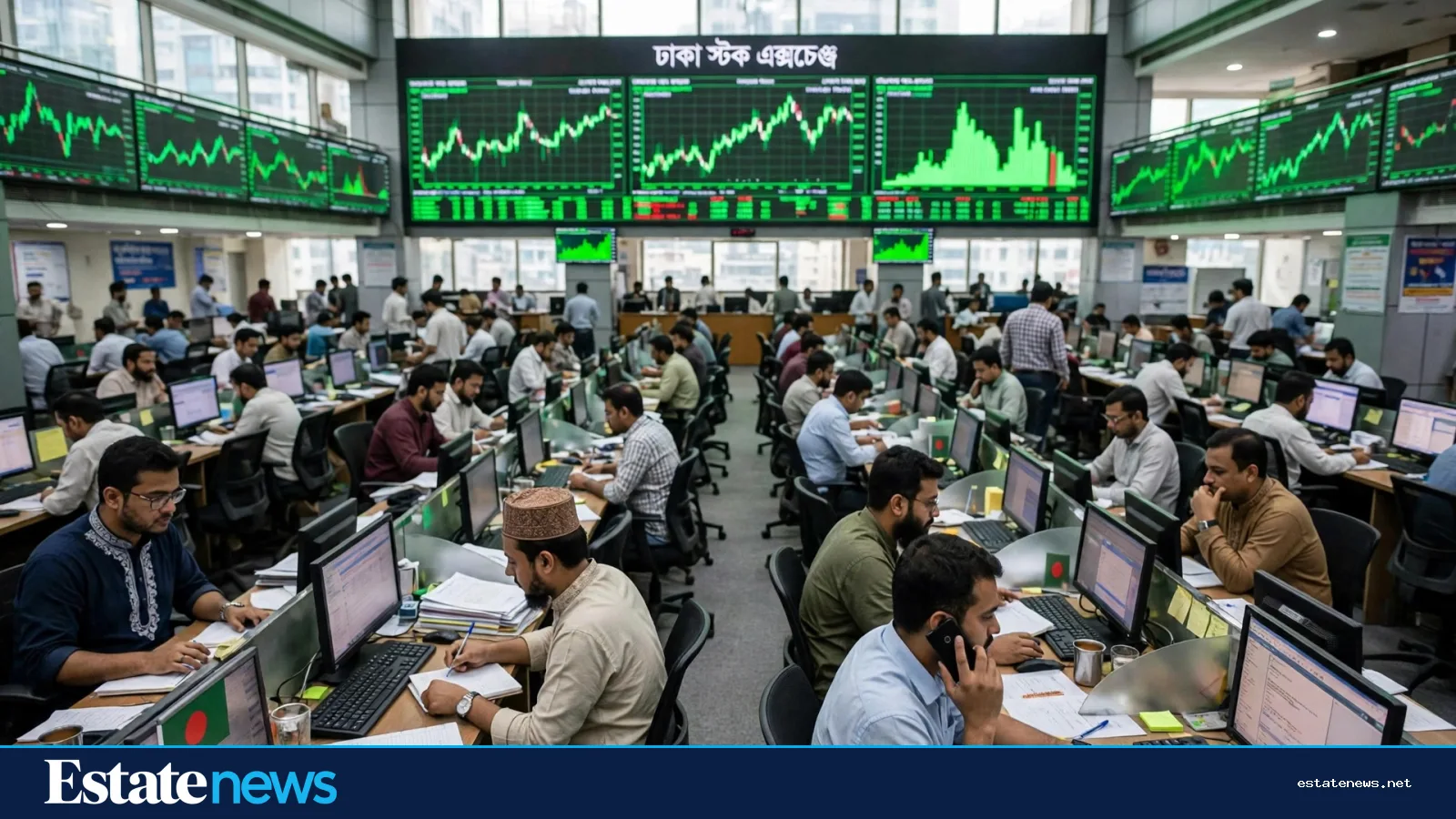
Bangladesh Bank data, reported by tob.news, shows Dutch-Bangla Bank handled $420.6 million in remittance in July to September 2026, up 163.3 per cent from $159.7 million in the same quarter a year earlier. Islami Bank handled $1.44 billion in the same three months, down 19.3 per cent from $1.79 billion a year ago. The top ten banks together handled about $5.98 billion, roughly 70 per cent of the quarter's total.
The quarter itself was strong. Remittance in July to September totalled $8.59 billion, up 13.3 per cent from $7.58 billion a year earlier. October added $2.874 billion, up 12.1 per cent on October 2025. The first four days of November brought $647 million, up 40.33 per cent on the same period last year, with $126 million arriving on 4 November alone. July to October together reached $11.465 billion, up 13 per cent on the year before.

Where the money comes from is shifting too
Saudi Arabia remains the largest source, sending $1.65 billion in the quarter, up 33.7 per cent from $1.23 billion a year earlier. The United Arab Emirates sent $777.4 million, down 12.1 per cent from $884.4 million. Malaysia sent $666.7 million, down 18.4 per cent from $817.2 million.
The pattern is worth reading carefully. Money from Saudi Arabia is growing fast, while two other large sources have slipped. That may reflect where workers are going, how they are paid, or which channels they use. What it does not show, on its own, is a fall in the total. The total is rising, and the foreign exchange reserves stood at $36.38 billion on 4 November, with $31.52 billion on the BPM6 measure.
Why one bank surged
No single announcement explains a 163 per cent rise. Dutch-Bangla Bank has spent years building the widest agent banking and mobile financial service network in the country, and remittance that arrives through a mobile wallet or an agent point in a village reaches families faster than money that waits for a branch visit. When a worker in Riyadh or Doha can send money that lands in a family account within minutes, the bank that makes that easiest wins the next transfer as well.
Islami Bank's fall, by contrast, may say more about channels than about trust. The bank still handled the largest single share of the quarter's remittance, $1.44 billion, and its network of branches and clients remains the deepest in the country. A one-quarter fall does not erase that. But it does show that the market is no longer settled, and that banks now compete on speed, fees and digital reach rather than on branch numbers alone.


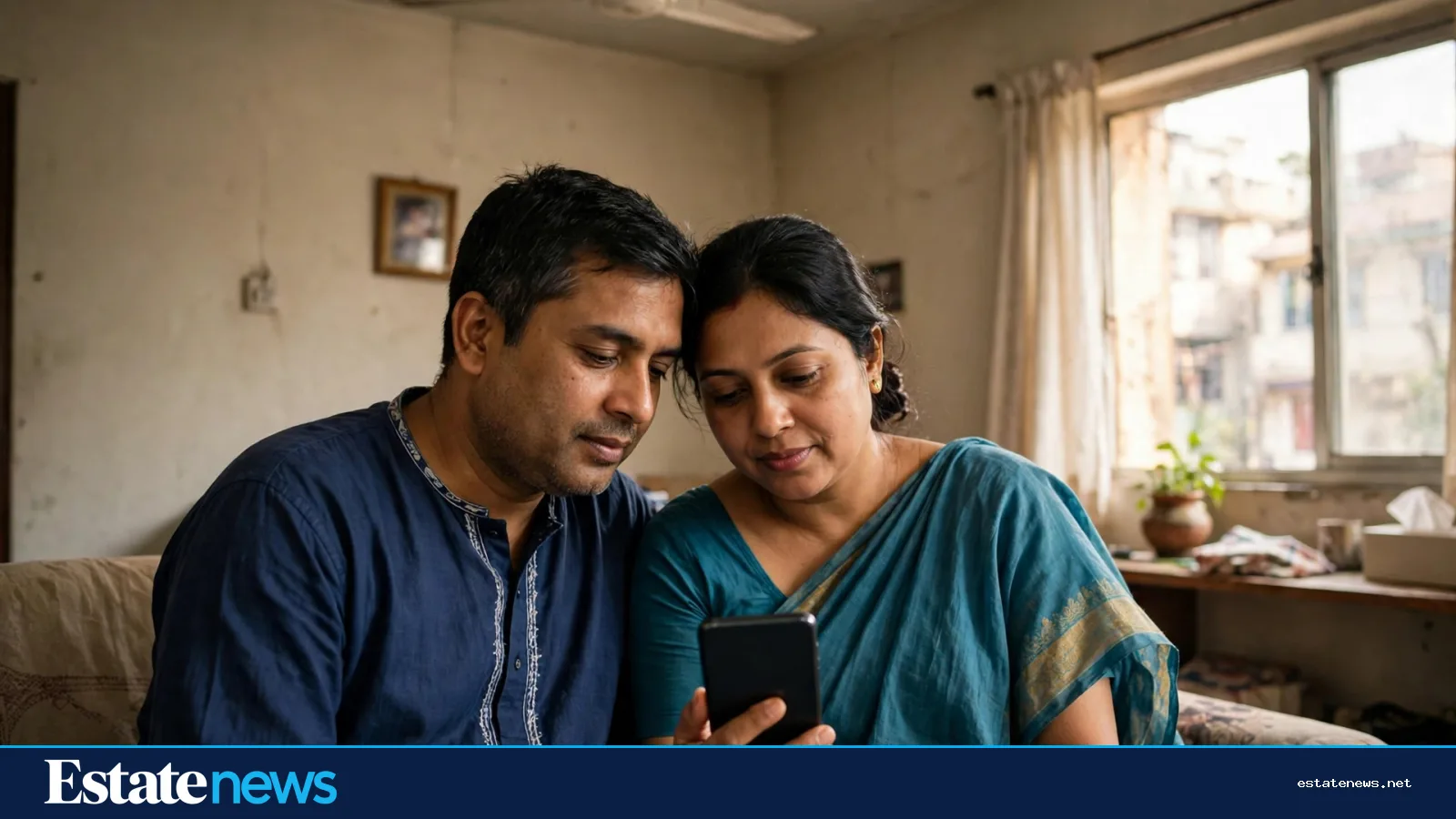
For the families receiving the money, the competition is good news. Lower fees and faster delivery mean more of each transfer reaches the household. For a family saving for a flat, that difference adds up. A remittance of $500 a month, kept steady over a year, is $6,000, and the flat it helps to buy is often the family's largest purchase.
What it means for home-buying money
Remittance and housing are linked in Dhaka in a way that is easy to miss. A large share of the flats booked in Uttara, Bashundhara, Mirpur and Chattogram are bought with money earned abroad, often by a family member who has never seen the flat in person. The buyer sends the money, a relative in Dhaka signs the papers, and the flat becomes the family's anchor at home.
That is why the channel matters. A bank that delivers remittance quickly and cheaply also makes it easier to pay booking money on time, to meet an instalment date, and to keep a loan account in good order. Some banks now link remittance accounts to home-loan applications, so a steady inflow counts as evidence of income. A family that keeps its transfers in one bank, and keeps the record clean, will find the loan conversation easier when the time comes.
The practical advice stays simple. Compare the fee and the exchange rate together, not one without the other, because a low fee with a poor rate can cost more than a higher fee with a fair rate. Keep the transfer record, and keep it in one place. And ask the bank what it offers a remittance customer who wants a home loan, before the flat is chosen rather than after.
A race that is good for senders
The quarter's numbers tell a story of a market in motion. Dutch-Bangla Bank has shown that a digital network can move a bank up the table in a single quarter. Islami Bank has shown that even the largest share can slip, and will need to answer with faster service of its own. The top ten banks still take about 70 per cent of the money, so the contest is among the big names, not the small ones.
For the workers sending the money, the contest is already paying off in faster delivery and keener pricing. November has started even more strongly than October ended. If that pace holds, the remittance that funds so many Dhaka flats will keep flowing, and the banks that carry it will keep competing for the business.