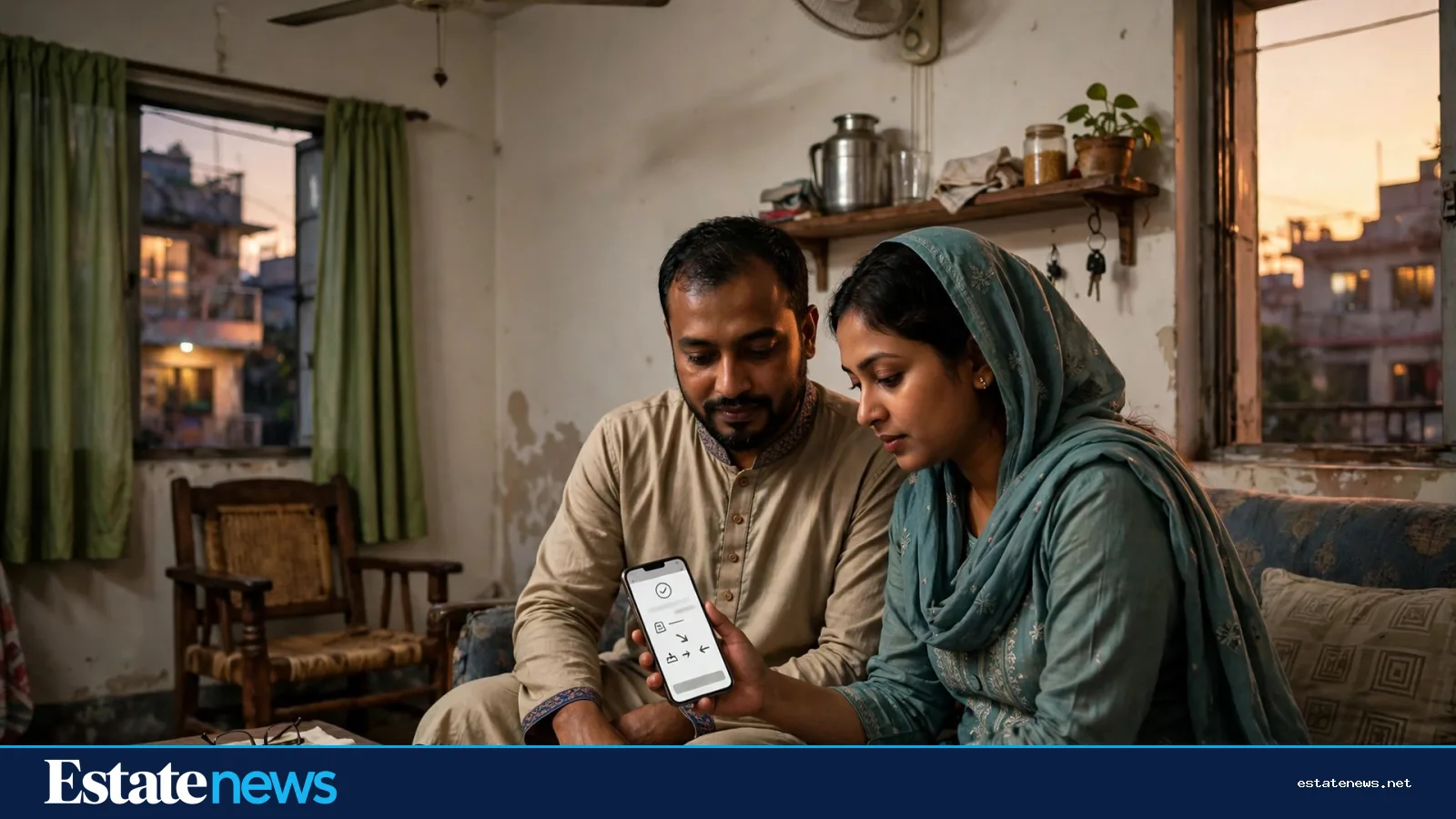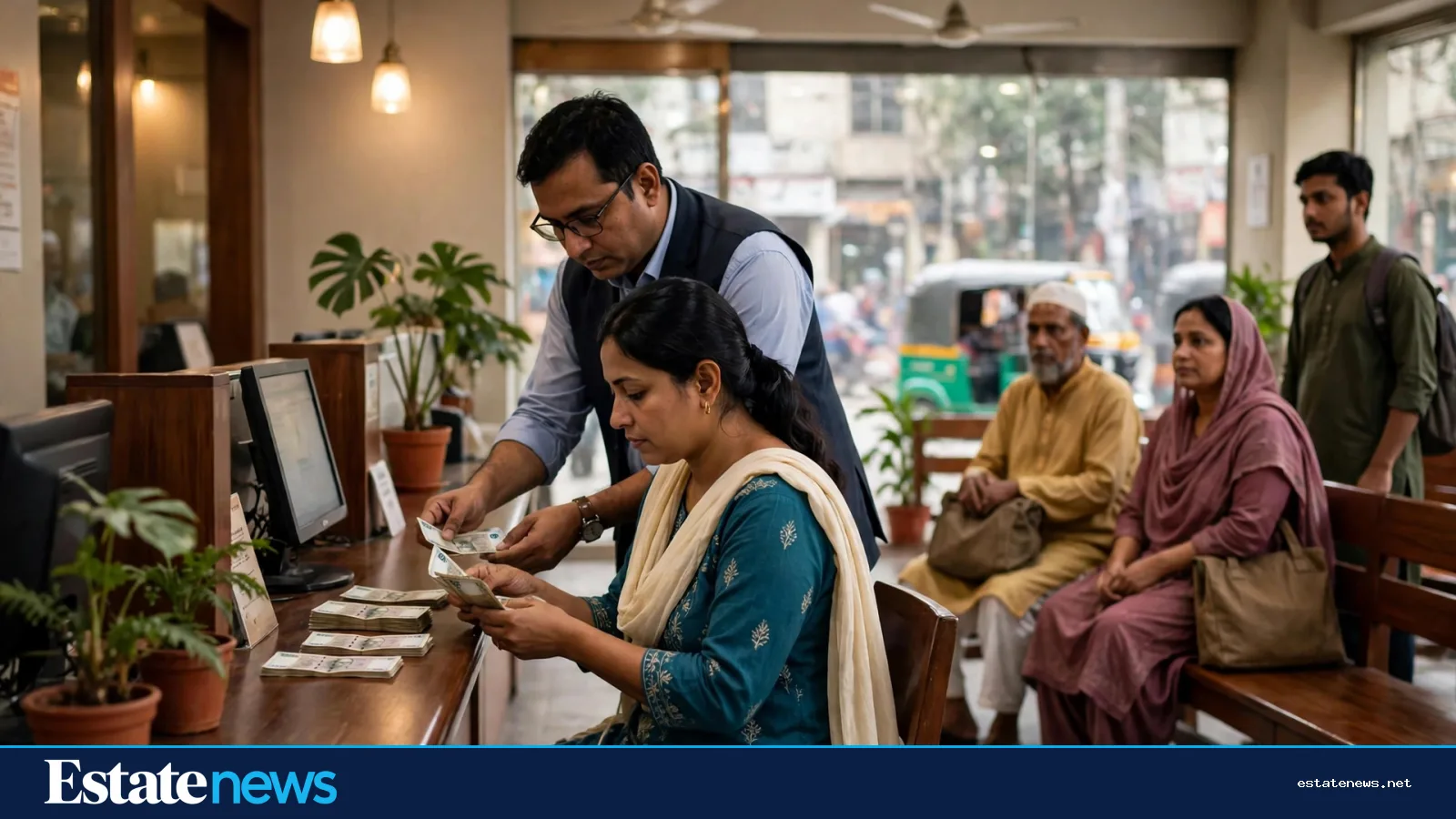

The money arrives in small amounts and adds up to a national figure. A driver in Dubai sends Tk 50,000 home. A nurse in London sends Tk 1 lakh. A construction worker in Singapore sends what he can after rent and food. In October, those transfers together reached $2.87 billion, according to the figures reported in the market wrap of 6 November. Exports in the same month reached $3.99 billion.
For most families, remittance is first about daily life: school fees, medicine, groceries, a parent's treatment. But for a large number of non-resident Bangladeshi families, it is also about property. A flat in Dhaka is the most common long-term goal for money earned abroad, ahead of a business or a savings account. It is a place to return to, a roof for parents, and an asset that can be rented out in the meantime.
Where the money goes

NRB buyers have a clear pattern. Many buy in the areas where their families already live, or where they grew up. Mirpur, Uttara, Bashundhara, Mohammadpur and Jatrabari see steady NRB demand, because the buyer knows the lanes, the schools and the neighbours. Others buy in newer areas like Purbachal and Keraniganj, where plots and flats cost less than in the established centre and the buyer is betting on the area's growth.
The buying process for an NRB family works differently from a local purchase. The buyer is abroad. A brother, a father or a trusted relative visits the site, meets the developer and checks the papers. Money moves through banking channels, and the deed is registered in the buyer's name, often with a power of attorney where the law allows. The distance makes trust more important, not less. A developer with a finished building to show, and earlier buyers who can be asked, has an advantage with NRB families that no brochure can match.
Banks have noticed. Home-loan desks now court NRB customers directly, with accounts and loan products built around foreign income. Developers send their sales teams to expatriate gatherings in the Middle East, Malaysia, Singapore and London. The October remittance figure explains why. A steady flow of $2.87 billion in a single month is a market in itself.
What strong remittance does to prices


Remittance does not set flat prices on its own. Prices move with land costs, building costs, interest rates and supply. But a strong and steady flow of money from abroad supports demand at the margin, and it supports it in a particular way. NRB buyers often pay larger deposits than local buyers, because they have been saving for years with one purchase in mind. They also tend to buy for the long term, holding a flat for a decade rather than trading it in two years.
That holding pattern steadies the market. A flat bought by a family that plans to live in it, or to hand it to a child, is less likely to come back onto the market at the first sign of trouble. Developers know this, and it is one reason they value NRB customers even when the sale takes longer to close.
The risks are real too. Remittance can fall when host economies slow down, when oil prices drop, or when jobs are lost in the Gulf or Southeast Asia. A family that depends on one earner abroad is exposed if that job ends. And a buyer abroad is more exposed to fraud, because the site visit and the paperwork are handled by someone else. The protection for NRB buyers is the same as for local buyers, only more urgent: check the deed, check the RAJUK approval, visit the site in person through a trusted relative, and never pay a large sum against a promise alone.
Exports add a second support
October's export figure of $3.99 billion adds a second layer to the same story. Garment orders drive employment at home, and employment drives the local demand for flats. The garment sector is in a sensitive moment: 529 factories shut after wage protests, about 987,200 workers affected, and a six-member wage board formed on 1 November to settle a new minimum. Workers are asking for Tk 30,000 a month against the current Tk 12,500, set in December 2023. November to February is peak order season, carrying about 40 percent of annual export orders.
Those numbers sit inside the property story because the people who sew the exports are also the people who rent rooms in Gazipur and Narayanganj, and whose families buy flats in the districts. A stable garment sector supports housing demand from the bottom up, in the same way remittance supports it from the top down.
October gave Dhaka's property market two encouraging figures. The money from abroad keeps coming, and the goods going out keep selling. For a buyer weighing a flat, that is the backdrop to the decision, not the decision itself. The flat still has to be checked, the papers still have to be read, and the price still has to fit the family budget. But the money that pays for it is, for now, flowing.