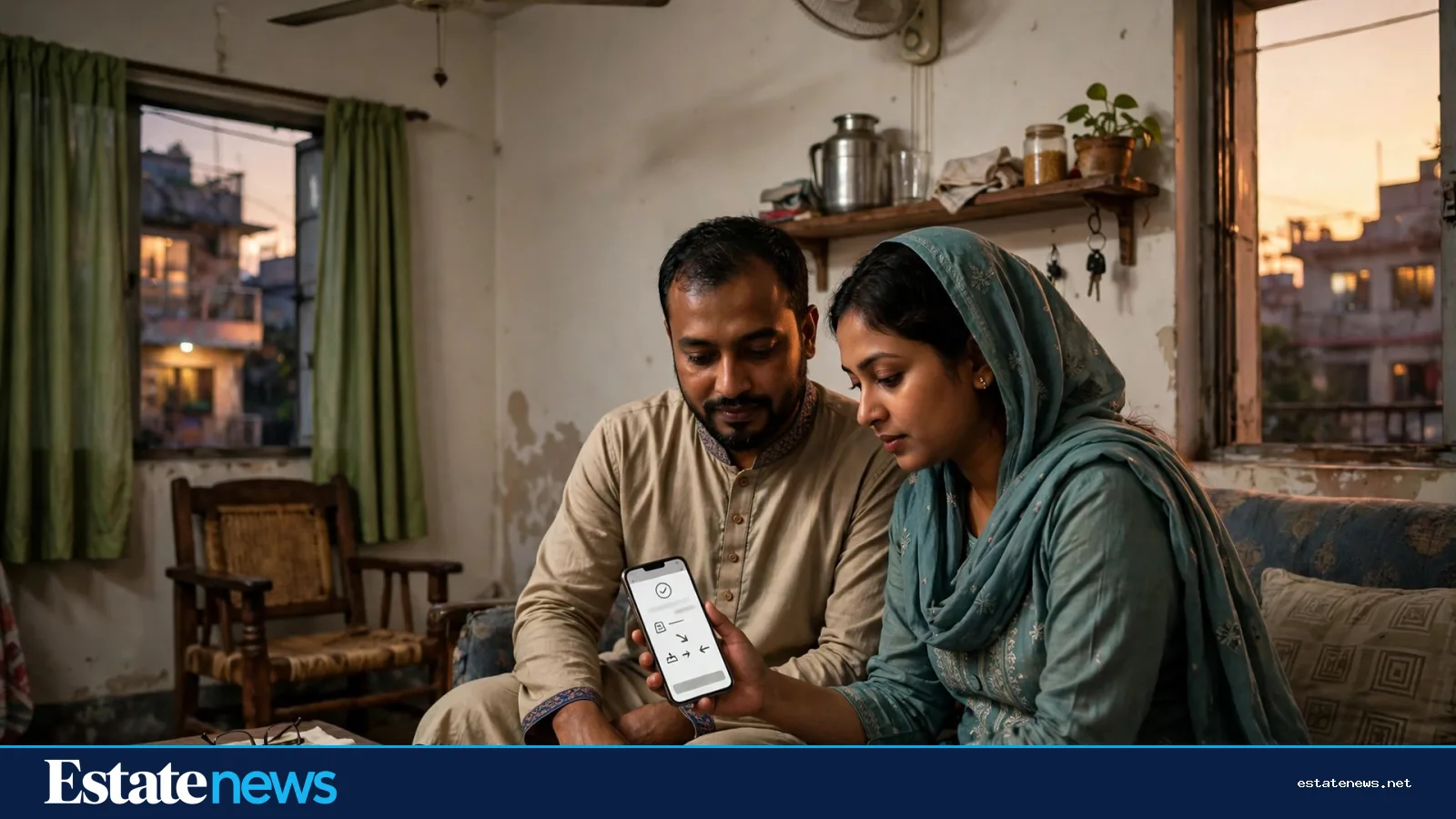
November has begun well for remittance. Bangladeshis working abroad sent home $647 million in the first four days of the month, up 40.33 percent from $461 million in the same four days a year earlier, according to Bangladesh Bank data. On 4 November alone, $126 million arrived in a single day.
The November start builds on a strong run. Remittance reached $2.874 billion in October, up 12.1 percent from $2.564 billion in October 2025. For the first four months of the financial year, July to October, inflows totalled $11.465 billion, up 13 percent from $10.149 billion a year earlier. The first quarter alone, July to September, brought in $8.59 billion.
Where the money comes from

Saudi Arabia remains the largest source of remittance. In the first quarter, $1.65 billion arrived from Saudi Arabia, up 33.7 percent from $1.23 billion a year earlier. The United Arab Emirates sent $777.4 million and Malaysia $666.7 million in the same period, both lower than a year earlier, according to Bangladesh Bank data.
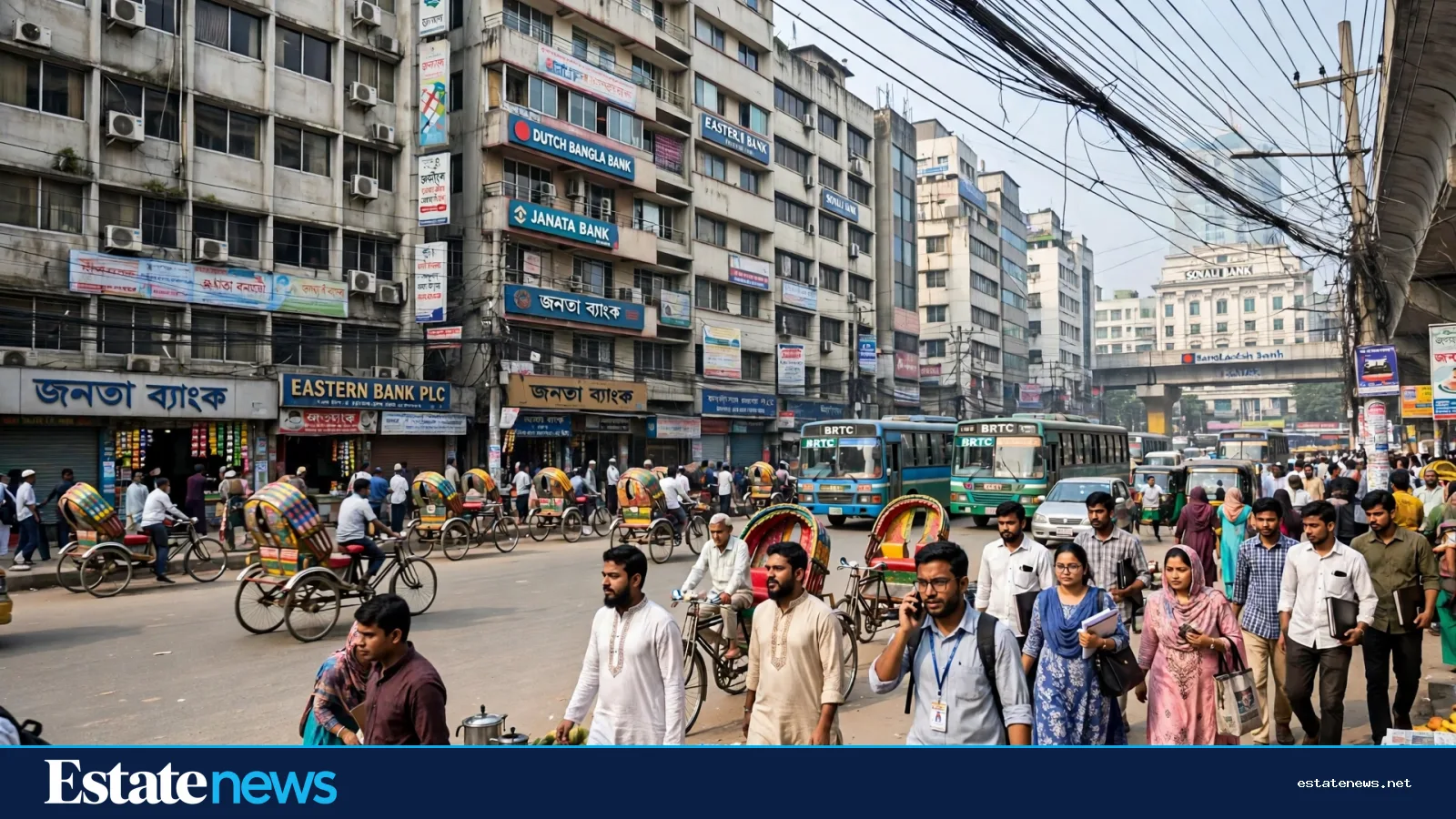
The banks that handle the money are shifting too. Dutch-Bangla Bank received $420.6 million in the first quarter, up 163.3 percent from $159.7 million a year earlier, while Islami Bank received $1.44 billion, down 19.3 percent from $1.79 billion. The top ten banks together handled about $5.98 billion, roughly 70 percent of the quarter's total.
Foreign exchange reserves stood at $36.38 billion on 4 November, with $31.52 billion under the IMF's BPM6 measure. For families planning a flat purchase or a land deal, the steady flow of remittance is the quiet support under the market: it keeps household savings growing and gives buyers abroad the cash to act when a good property appears.
Exports hold their pace


Exports also stayed on course. Bangladesh exported $17.04 billion in the first four months of the financial year, up 6 percent from $16.08 billion a year earlier. Garments carried the load, with $13.71 billion in export earnings, up 6.03 percent. Knitwear rose 7 percent to $7.71 billion and woven garments rose 4.8 percent to $6.00 billion. Garments accounted for about 80.4 percent of all exports.
The months ahead are the busy season for exporters. November to February is the peak order season, when about 40 percent of annual export orders are placed. A strong order book in these months supports factory jobs, and factory jobs support demand for rented rooms and family flats near the industrial belts.
Stocks resume after a two-day gain
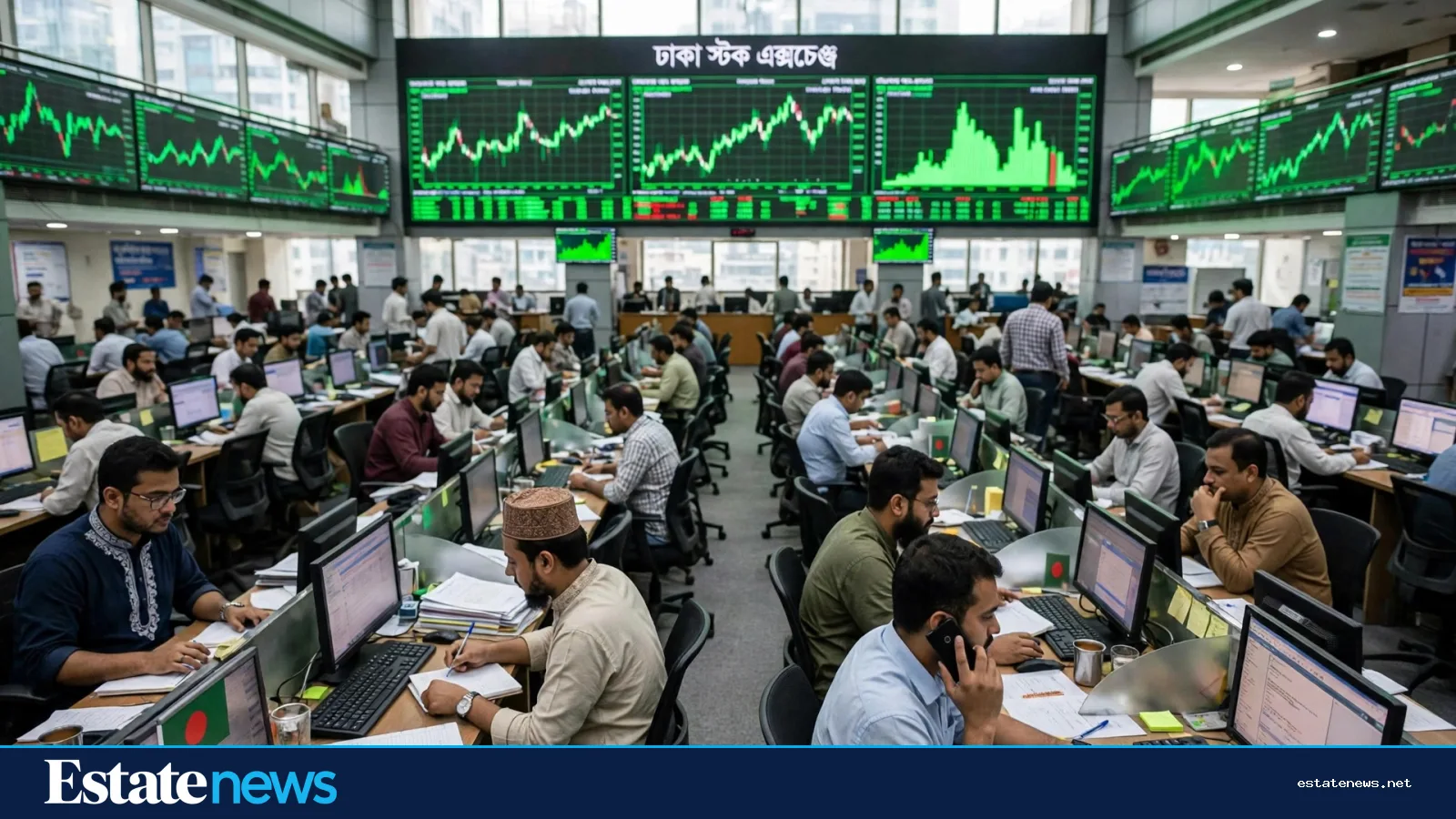
The Dhaka Stock Exchange reopens for trading today after the Friday and Saturday weekend. The market closed on Thursday 5 November with its second straight daily gain, after a four-session losing streak that had taken the index to a five-month low on 2 November.
The DSEX closed at 5,413.04 on Thursday, up 71.41 points, or 1.34 percent, from 5,341.63. Turnover rose 23.6 percent to Tk 645.43 crore from Tk 522 crore. The DS30 index closed at 2,068.63, up 1.52 percent, and the DSES at 1,047.71, up 1.04 percent. Of 395 issues traded, 249 advanced, 81 declined and 65 were unchanged. Banks led the sector gains, and textiles accounted for 21.6 percent of turnover.
The gain followed a decision by the securities regulator to ease restrictions on selected frozen beneficiary owner accounts, which traders read as a step towards normal trading. Today's close will be reported tomorrow. For property watchers, the market's direction matters in a practical way: household wealth and borrowing confidence move with it, and listed developers and banks are among the names traders watch first.
This is general information, not financial advice.