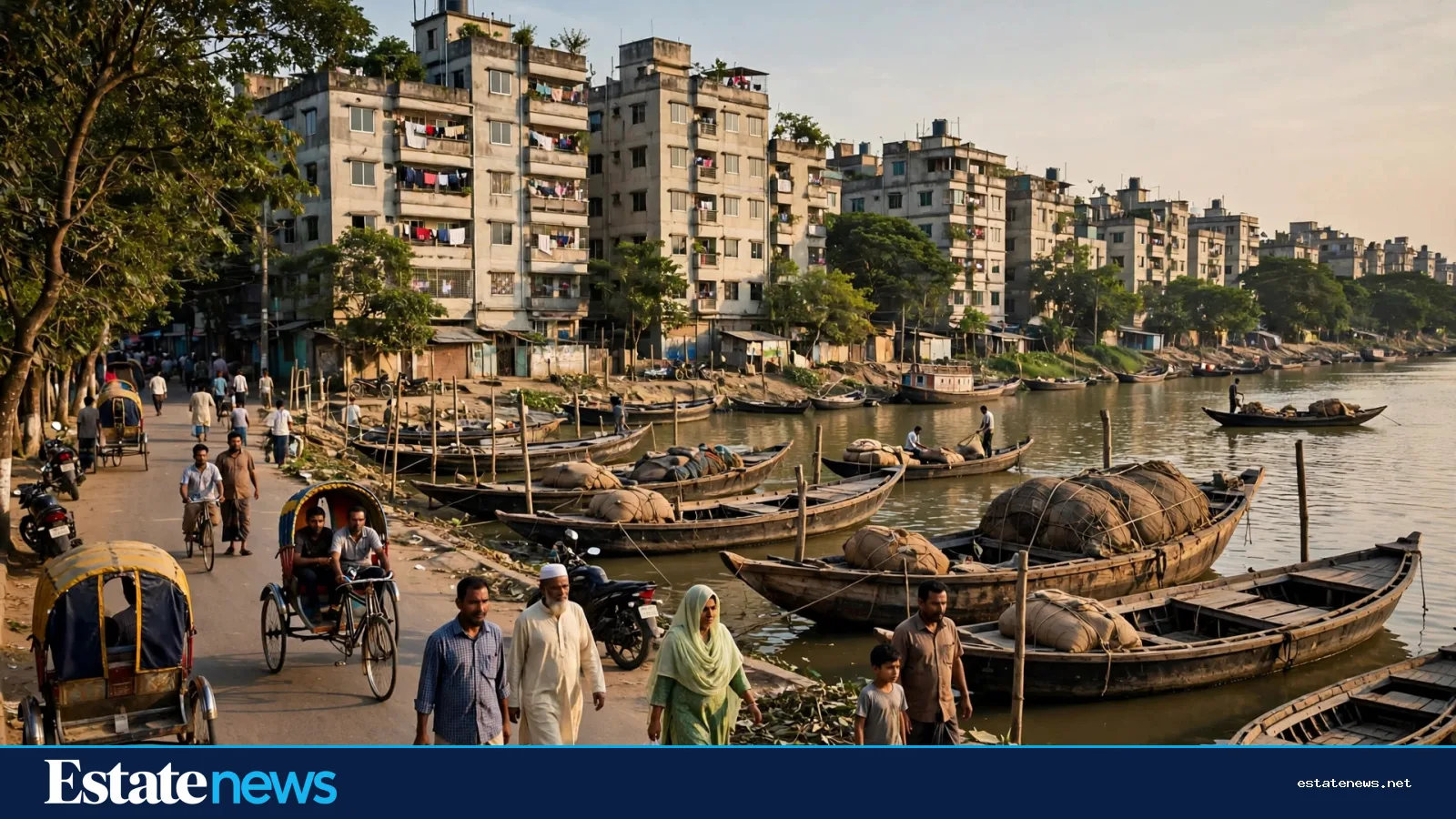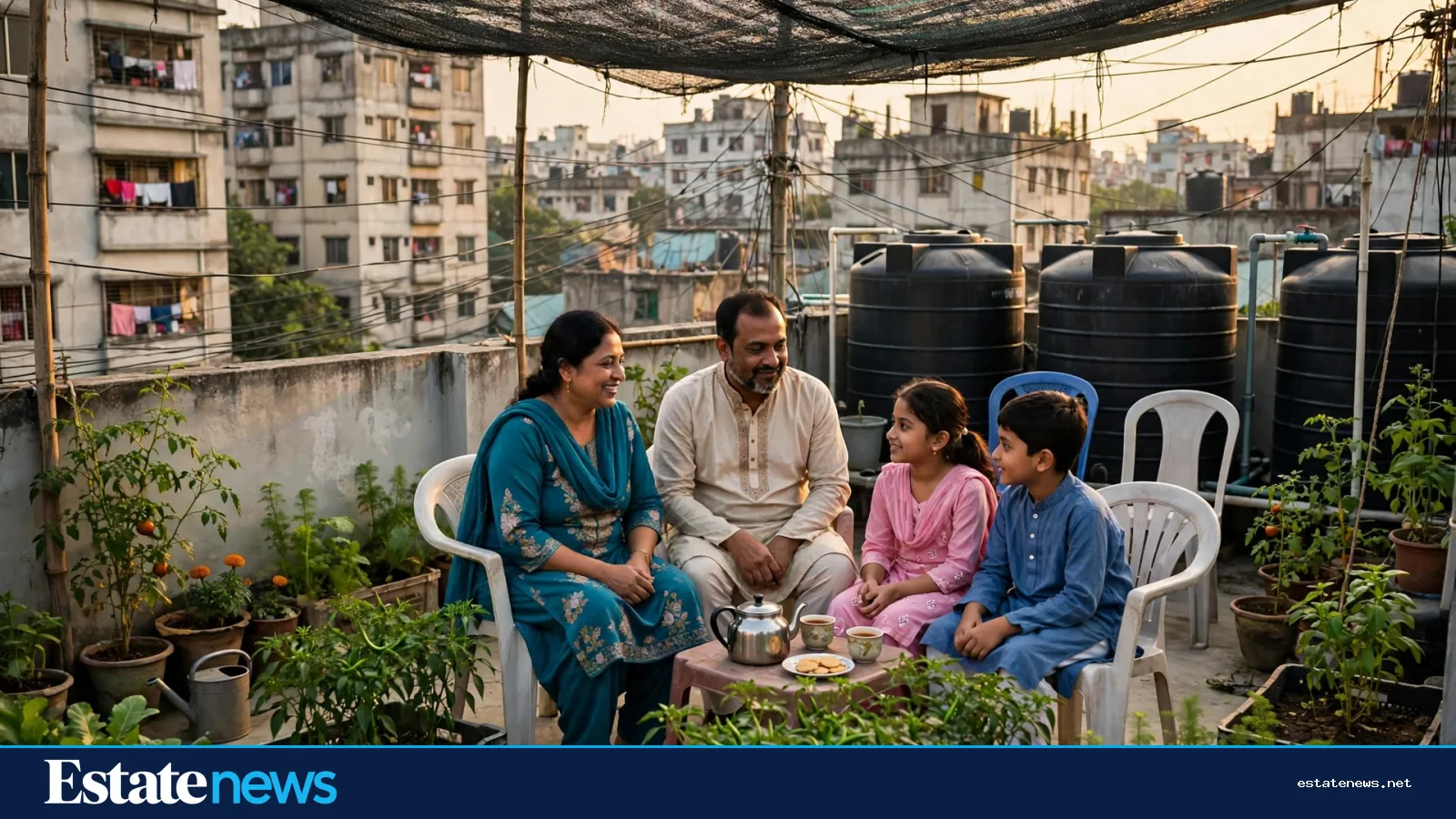
The roof is the most underused room in a Dhaka flat. It sits above the top floor, open to the sky, and for most buildings it does exactly three jobs: it holds the water tanks, it dries the laundry, and it carries the dish antennas. The rest of it is empty concrete, hot in the sun and bare in the rain. That is starting to change, one building at a time.
Walk up the stairs of an older Dhanmondi or Mirpur block on a winter afternoon and the change is easy to see. Someone has put potted plants along the parapet. A bench sits under a shade net. A few plastic chairs face the evening breeze. Nothing fancy, and nothing that needed a contractor. The roof has become the building's shared courtyard, the one open space a flat cannot offer on its own.
Ask the building first

A roof belongs to everyone in the building, and that is the first thing to settle. In most Dhaka buildings the roof is common space, managed by the building committee or the flat owners' association. A family that wants to plant a garden or put out chairs needs the committee's agreement, and the agreement works best when it is written down: who may use the roof, at what hours, who waters the plants, and who pays for repairs.
The practical questions matter more than the decoration. A roof garden adds weight, and soil holds water, so the slab and the waterproofing need to be sound before pots and planters arrive. Drainage has to stay clear, or the first heavy rain will send water into the top-floor flats. Stair access and the gate to the roof need to work, and the parapet needs to be high and solid enough that children are safe. A building that sorts these points first ends up with a roof people actually use. One that skips them ends up with a garden nobody visits and a leak everyone argues about.
What works on a Dhaka roof


The gardens that last are the simple ones. Clay pots and raised beds with vegetables and herbs do better than heavy planters, because they can be moved and the soil can be changed. Guava, lemon and papaya trees grow well in large drums, and flowering plants survive the heat if someone waters them every day. A shade net over a seating corner makes the roof usable in the afternoon, and a few low benches turn it into a place where neighbours sit and talk.
The costs depend on how far a building wants to go. A few pots, some soil and a net cost little, and many buildings start there. A fuller garden, with raised beds, a water connection and proper seating, costs more, and the honest way to handle it is to get written quotes for the materials and the labour, then share the cost among the flats that use the roof. Prices vary too much by material and by building to quote a single figure, so a committee that asks for itemised quotes is doing the job properly.
A roof that brings a building together
The best thing about a shared roof is not the plants. It is the fact that people who live on different floors finally meet. In a Dhaka apartment block, neighbours often know each other's flat numbers and nothing else. A roof garden gives them a reason to talk: who watered the tomatoes, whose turn it is to sweep, what to plant next. Children get a place to play where their parents can see them. Older residents get fresh air without leaving the building.
There are limits, and they are worth stating plainly. A roof is not a private terrace, and it cannot be fenced off for one flat. Cooking, loud music late at night and anything that blocks the stair or the water tanks will cause trouble. The buildings that make it work keep the rules short and the use open, and they review the arrangement once a year.
Dhaka will not solve its shortage of open space on rooftops alone. But the roofs are already there, above every flat in the city, and most of them are doing nothing. A building that turns its roof into a garden and a meeting place has not added a room. It has recovered one.