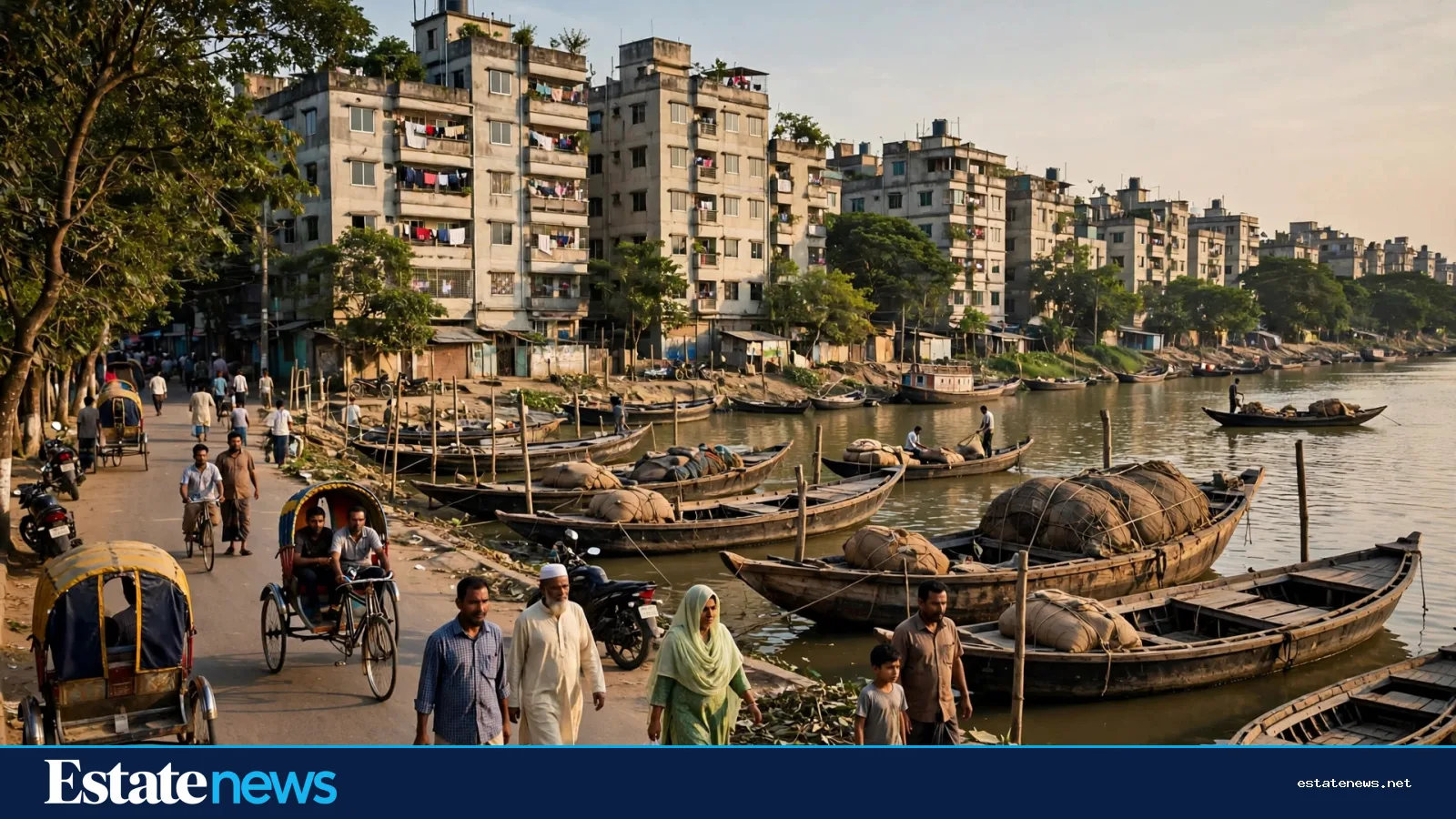
Narayanganj has always lived close to Dhaka, and it has always lived on the river. The old jute and textile city on the Shitalakshya now holds about two million people inside the City Corporation area of 72.43 square kilometres, and its urban growth rate runs at 5.7 percent, against a national average of around 3 percent and 3.4 percent in Dhaka, according to the City Corporation administrator's letter to the Local Government Division. Those numbers explain the traffic on the Dhaka-Narayanganj road each morning, and they explain why flat buyers priced out of the capital keep looking east.
The city is changing in how it is run, and that change matters for anyone buying a home there.
A city the capital keeps leaning on

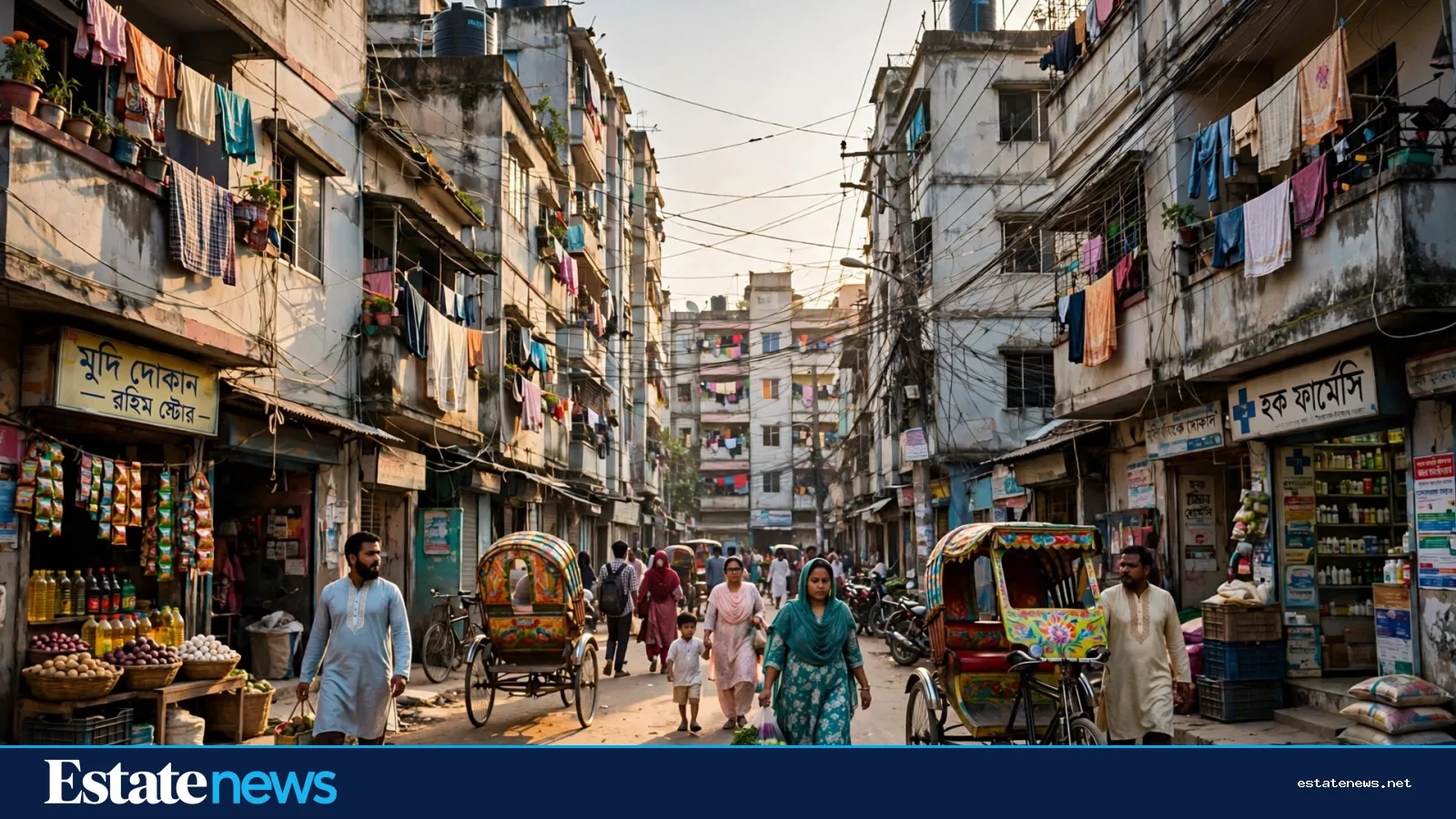
Narayanganj grew as a trading and industrial town. Jute mills and textile factories lined the river, and the workers settled in Chashara, Fatullah, Siddhirganj and the lanes around the old town. The factories are still there, joined now by dyeing units, knitwear plants and small workshops, and the workforce still needs homes within reach of the factory gate.
For Dhaka buyers, Narayanganj offers what the capital no longer does at the same money: a flat within commuting distance of Jatrabari and Motijheel, with the river close by. The commute is the price. The road carries trucks, buses, cars and rickshaws in the same lanes, and the morning journey into Dhaka can stretch long. Buyers who work in Narayanganj itself, or in its factories and offices, get the better end of the bargain.
A new authority with a long list
In January 2026, the Ministry of Housing and Public Works issued a draft ordinance to form the Narayanganj Development Authority, and in September 2026 the authority was formally launched. Housing and Public Works Minister Zakaria Taher said at the inaugural programme that the authority would give residents a well-planned city and smoother civic services, and that urban development would run under a special plan for Narayanganj alongside RAJUK's existing master plan.
The authority's brief is wide. It may frame master plans, buy or lease land, levy land taxes and collect development fees, and it may act against illegal excavation of water bodies, the filling of low-lying land and the blocking of natural water flows. The minister said the Gazipur and Narayanganj authorities were formed to reduce pressure on Dhaka and to bring services closer to residents. The possibility of bringing Fatullah inside the authority's jurisdiction is also being examined.
A new authority does not rebuild a city in a year. Its first test will be whether plan approvals, drainage and road work begin to move faster than they did under a system run from Dhaka.


The flats that took ten years
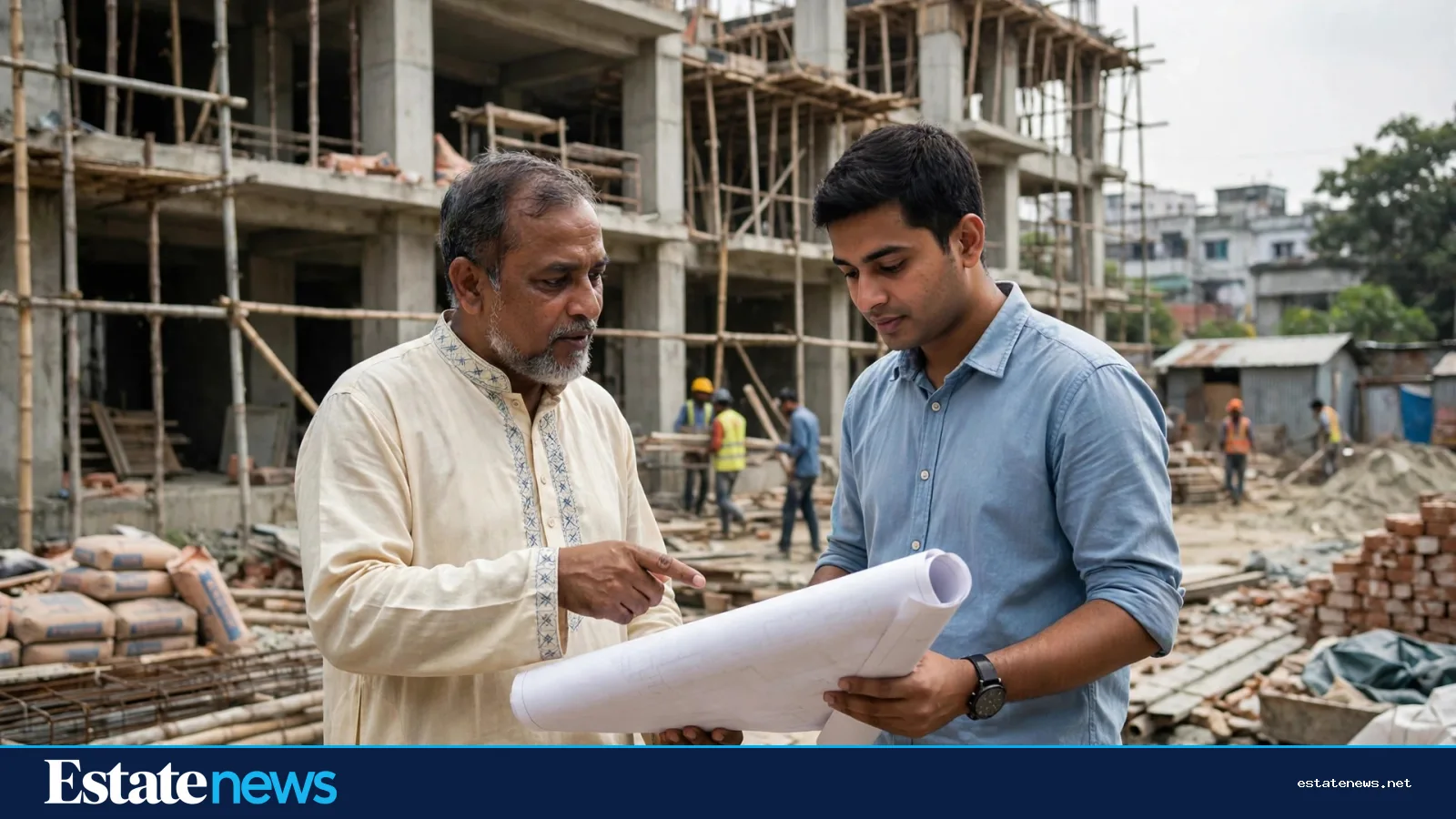
One project shows both the promise and the patience Narayanganj demands. At Aliganj in Narayanganj Sadar, about five kilometres from Jatrabari, the Public Works Department is building 672 flats in eight 15-storey buildings for government officers and employees. The project began in January 2016 with completion set for June 2019, and its deadline has been extended repeatedly, most recently to June 2026. Its cost, fully funded by the government, stands at Tk 404.04 crore under the second revision, up from Tk 398.16 crore at approval, according to reports in The Daily Ittefaq and UNB in March 2026.
The delays came from the slow finish of the towers and their internal works, including sanitation, water supply, gas connections and electrical installations. When the flats are ready, they will house hundreds of public servants closer to their offices. The lesson for buyers is a plain one: in Narayanganj, as in Dhaka, a project's announced date is a starting point, and the builder's record matters more than the brochure.
Greener pipes and roads
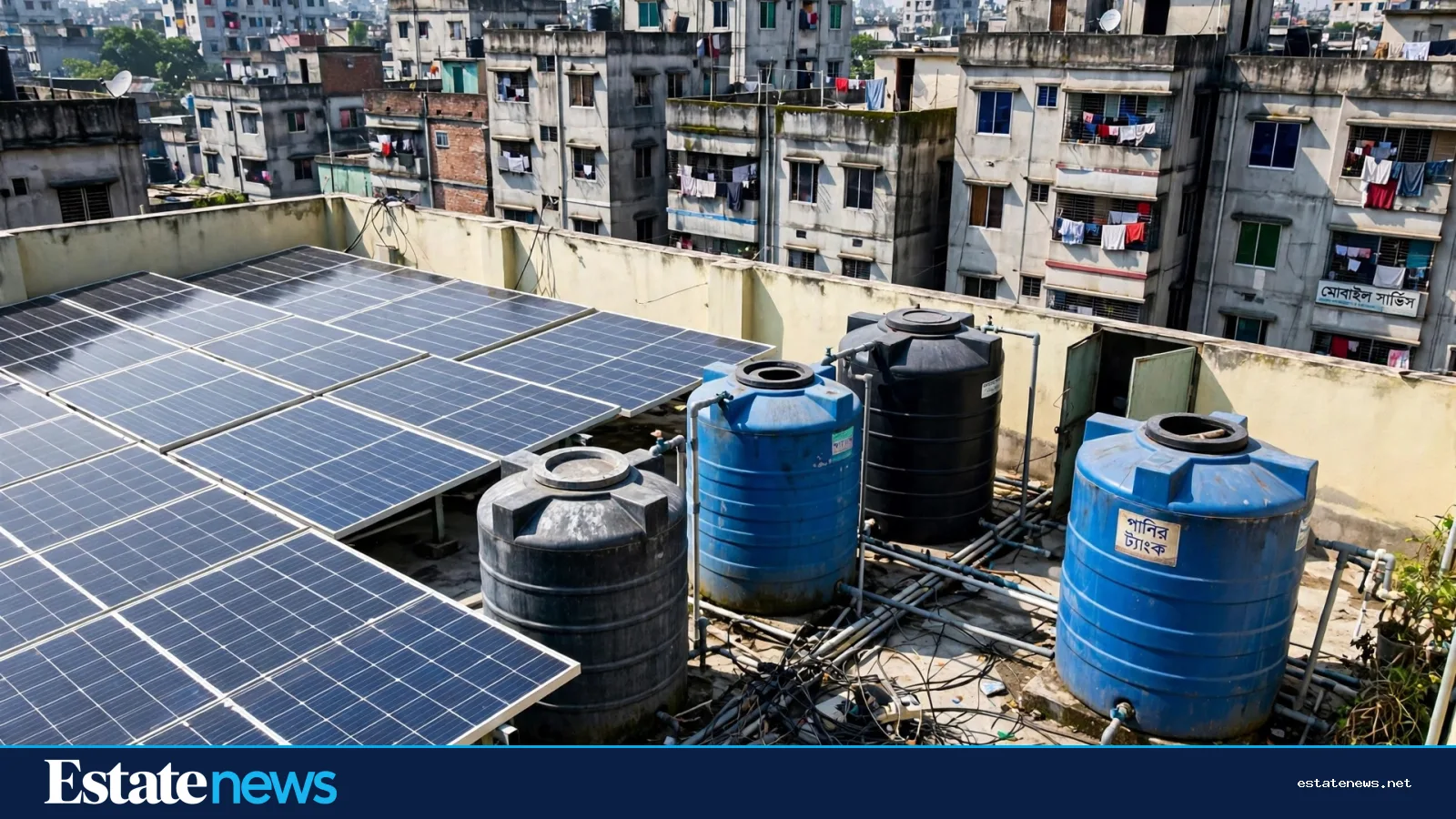
The city is also getting outside help for its pipes and drains. The Asian Development Bank is lending $115.84 million under the Narayanganj Green and Resilient Urban Development Project, a scheme with an estimated cost of $138.93 million. The money will upgrade drainage, rehabilitate canals, improve water supply and build a riverside road, according to the Financial Express. The project plans to renovate about 19.9 kilometres of drains, clean about 170.4 kilometres, build about 10.8 kilometres of new drains and rehabilitate about 14 kilometres of canals.
Drainage is not a small matter in a river city. Monsoon water has nowhere to go when canals are filled and drains are blocked, and the flats on the lower floors feel it first. A city that clears its canals protects every home built beside them.
What buyers should weigh
Narayanganj suits buyers who work in the city or along its industrial belt, and families who want a larger flat than the same money buys in Dhaka. The checks are the same as anywhere: the RAJUK approval, the developer's finished record, the water and gas lines, and the road that will carry the family each morning. Two local questions deserve extra care: whether the plot sits on filled low land, and how the area drains in the monsoon.
The river city is no longer Dhaka's overflow alone. With its own development authority, a green infrastructure programme and new housing rising at Aliganj and in private projects near Purbachal, Narayanganj is becoming a housing market in its own right. The buyers who arrive early will find the prices friendlier than the capital. The ones who check the paper first will find the homes last longer.