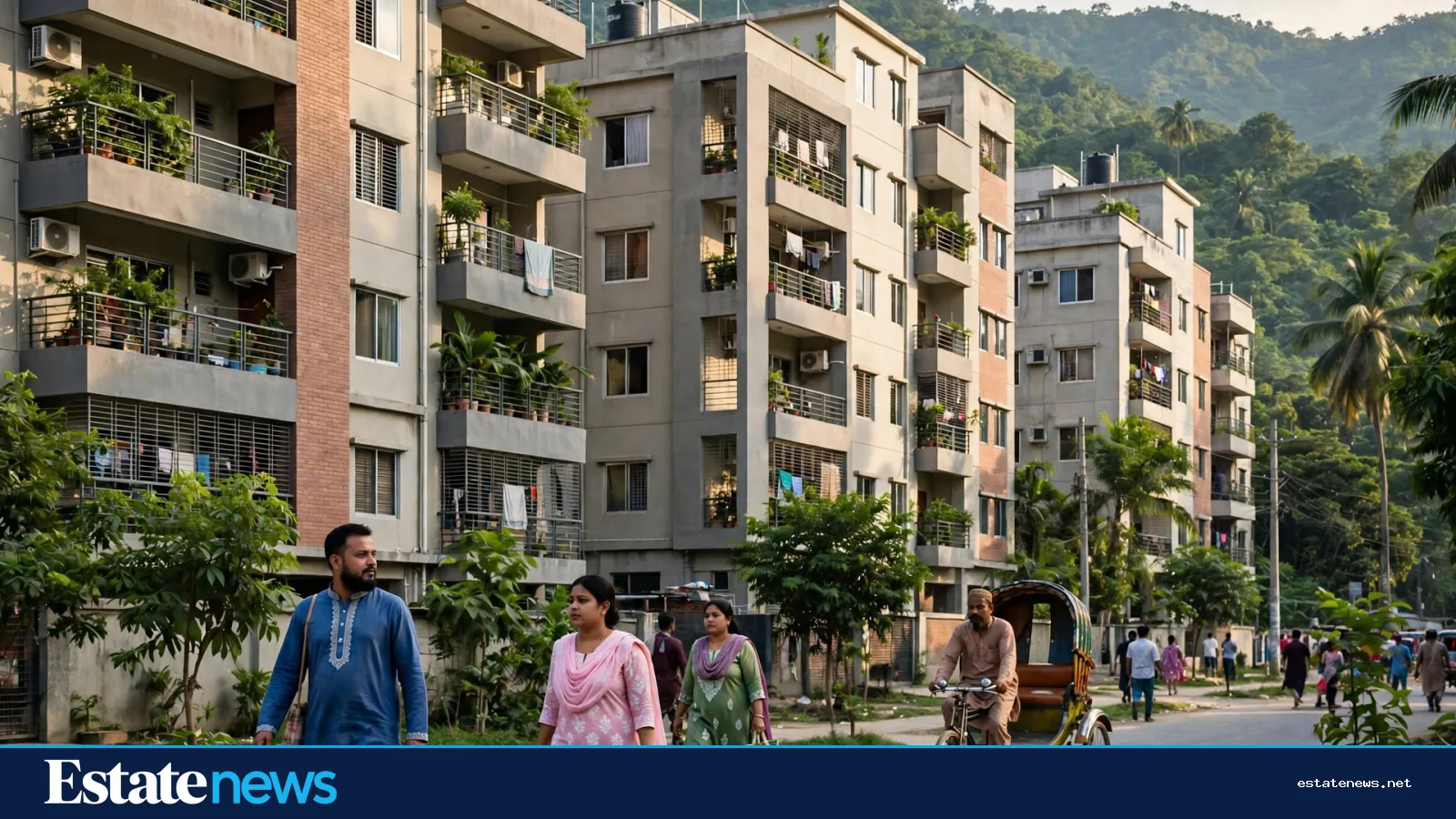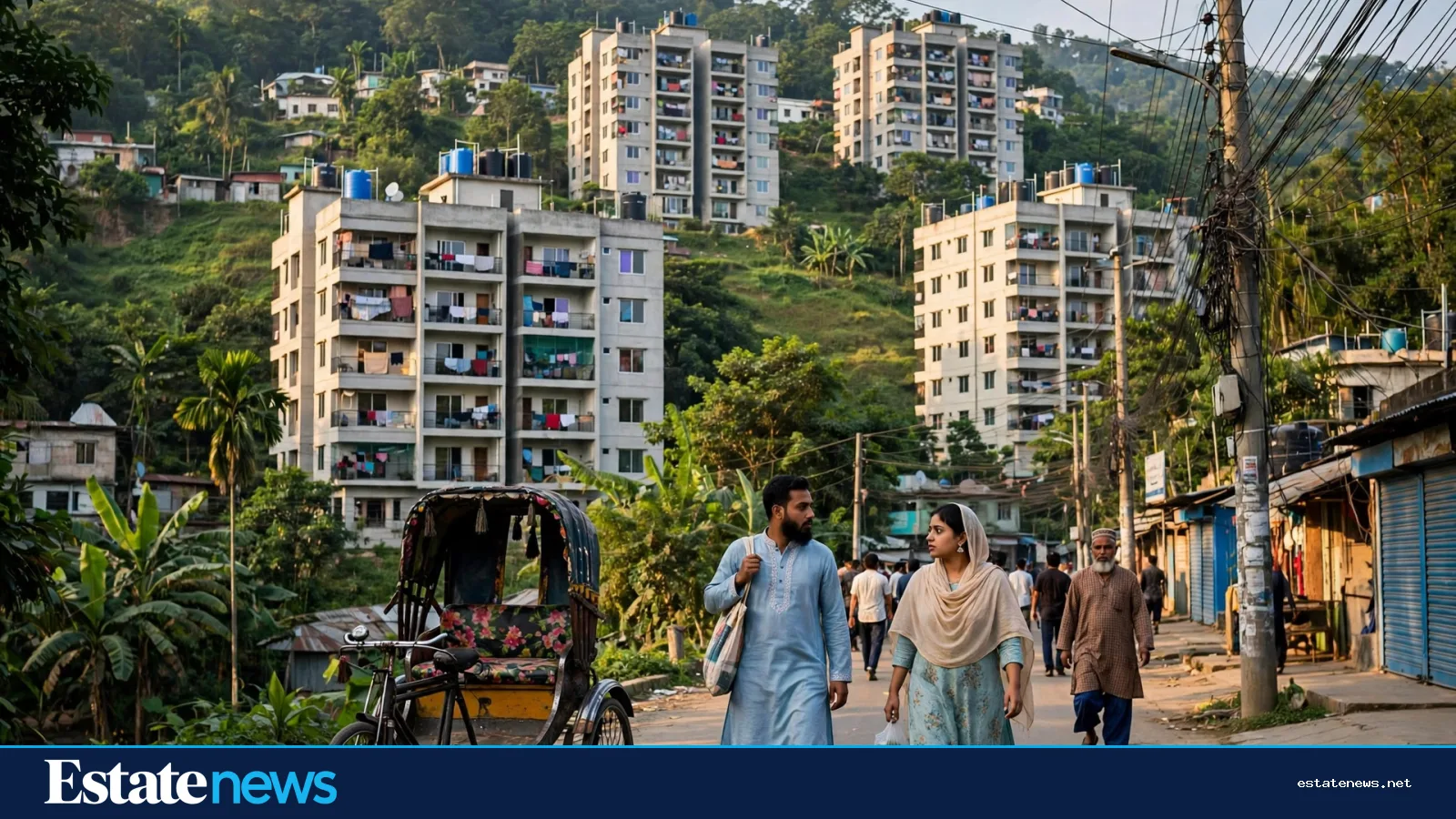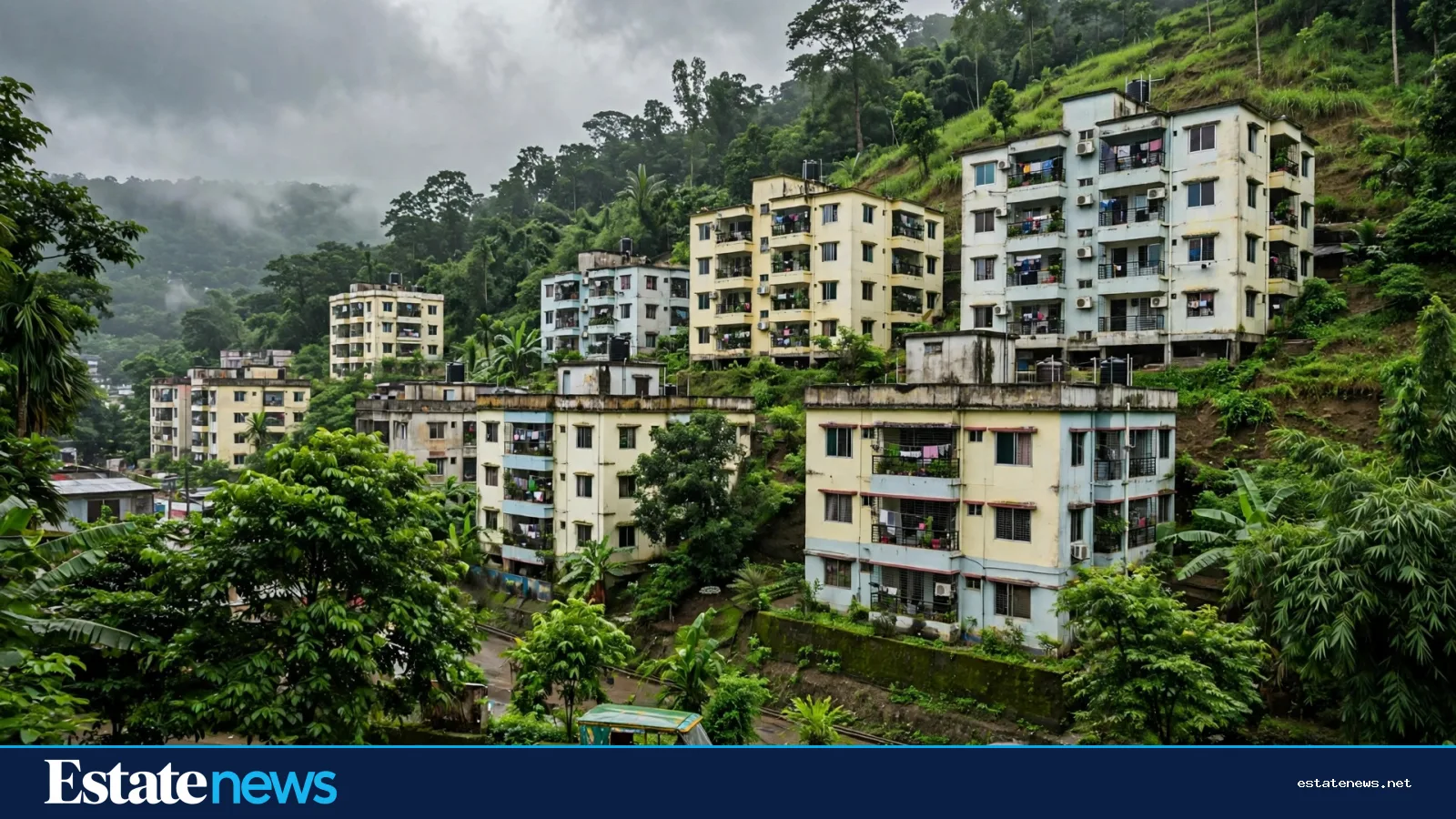
Ask a Chattogram family where they would live if they could choose, and few will name the streets beside the port. The port is where the city earns, with its ships, containers and customs houses, and Agrabad beside it hums with offices and banks. But the homes have climbed inland, toward Khulshi, Panchlaish and the hills that ring the city. That move, from the docks to the slopes, is the story of Chattogram housing today.
The city's builders know these areas well. Developers active in the city, including Sheltech, build in Khulshi and Panchlaish, and the two neighbourhoods have become the first names in any conversation about a family flat in Chattogram. What follows is a plain guide to what each area gives a family, and what it asks in return.
The port pays the wages, the hills hold the homes

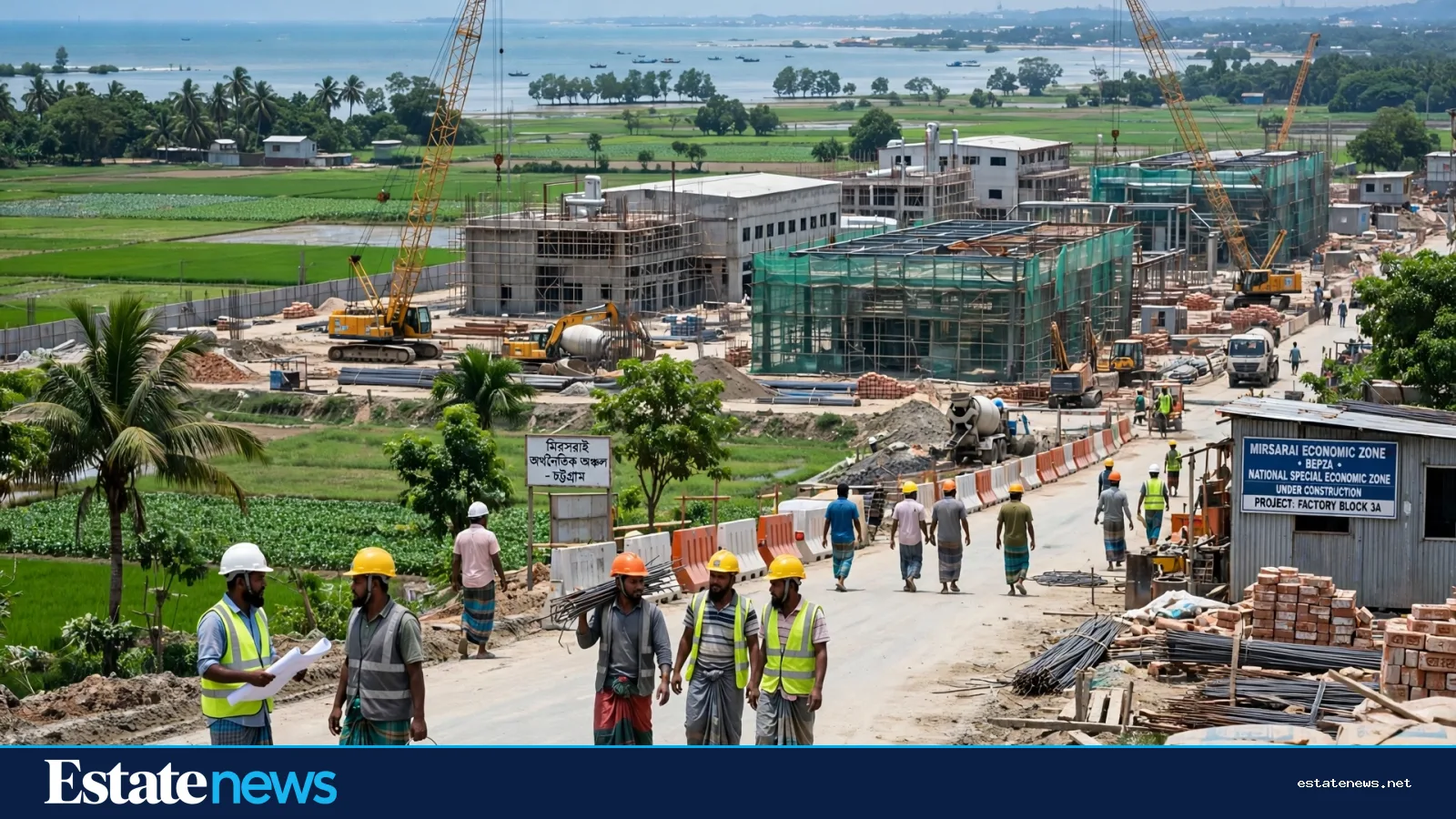
Chattogram is Bangladesh's port city and its second city, and its working day runs on the port, the export processing zone, the customs houses and the shipping offices. Thousands of families earn in Agrabad and the port area and live a short drive away. That short drive is the whole calculation. A flat near the workplace saves an hour each morning, and an hour each evening, and over a year that saving is worth more than a larger drawing room.
The hills set the city's shape. Chattogram is not flat like Dhaka, and its residential areas rise and fall with the land. A flat on a slope gets breeze and a view of the bay, and it also gets a steep lane in the monsoon. Buyers who visit only in the dry season should come back after a heavy rain and watch how the lane drains.
Khulshi: the quiet streets
Khulshi is the quiet answer to the port's noise. Its lanes are greener than Agrabad's, its plots larger, and its evenings calmer. Families who work in the port area but want their children to grow up away from truck traffic settle here, and the area has built its reputation on that trade. Schools and coaching centres sit within a short rickshaw ride, and the neighbourhood's parks and open plots give children room that the port-side streets cannot.
The price of the quiet is the climb. Khulshi's slopes mean some lanes rise sharply, and a flat at the top of a hill asks for a strong pair of legs or a reliable lift. Buyers should walk the lane from the main road to the building gate, not just drive it. The walk is the daily routine, and it should feel easy in the rain as well as in the sun.
Panchlaish: schools and hospitals close by


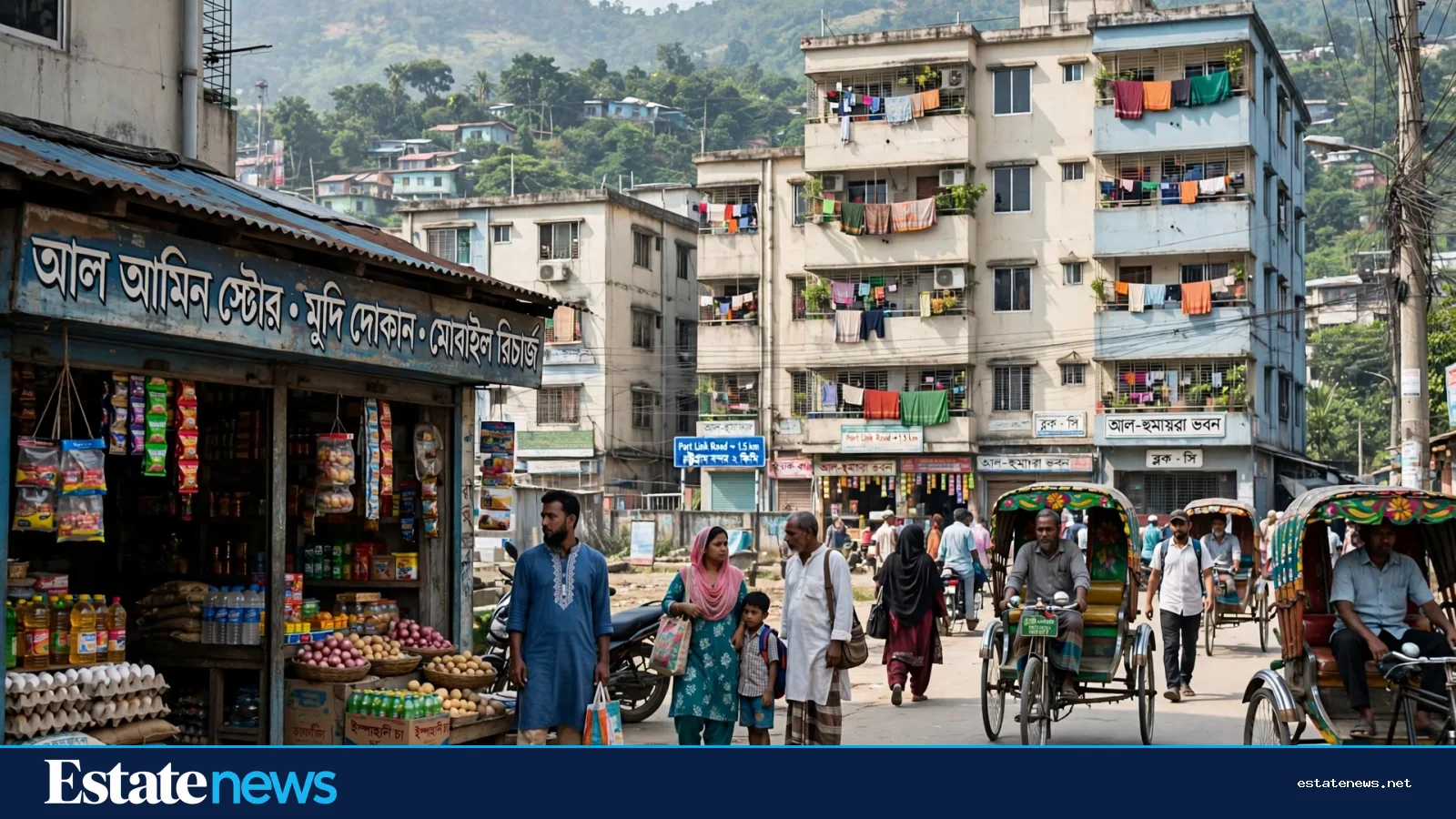
Panchlaish is the practical choice. It sits close to schools, colleges and hospitals, and families with children or older parents value that closeness more than a view. The area's streets are busier than Khulshi's, and its shops and markets stay open late, which suits a household where both parents work. The medical facilities nearby mean a fever at midnight is a short trip, not a journey across the city.
Panchlaish also carries the city's everyday rhythm. Wet markets, pharmacies, mosques and tea stalls crowd its lanes, and a family can manage most of its week without leaving the area. For a buyer coming from Dhaka, the pace feels familiar, and the difference is the air. The hills keep the breeze moving, and the evenings cool faster than in the capital.
Living with the hills
A hillside flat needs checks that a flat on flat land never does. The retaining wall behind the building, the drainage channel beside it and the slope above it all matter when the monsoon rain comes hard. Ask the building committee how the slope is held, where the rainwater goes and whether the lane has ever flooded. Look at the walls of the ground floor for damp lines that show where water has stood.
Soil and slope are also why a buyer should ask for the building's approval and the engineer's record. A building on a hill is only as sound as its foundation, and the foundation is the one part of the flat a buyer never sees. The approval, the soil report and the builder's finished record are the only windows into it.
The commute question
Every Chattogram housing choice ends at the commute. Agrabad and the port employ the most people, and the roads between the residential hills and the port carry them each morning. A flat in Khulshi or Panchlaish keeps that journey short, and the city's newer roads have eased it further. Families who work in the export processing zone or in Halishahar will weigh the other direction, toward the bay, and may choose differently.
The right question is not which area is best. It is which area fits this family's working day, school run and evening. Khulshi gives quiet and green, Panchlaish gives schools and hospitals at the doorstep, and the hills give air and a view for those willing to climb. Chattogram beyond the port is not one market. It is a set of neighbourhoods, each with its own answer, and the buyer who walks each lane before booking will find the one that fits.