The gate opens onto a lawn that feels out of step with the streets outside. Lalbagh is one of the busiest parts of Old Dhaka, all narrow lanes and workshops and traffic, and then the fort wall cuts it off. Inside, the grass is trimmed, the paths are swept, and the three old buildings stand where the Mughals left them: the mosque, the tomb of Bibi Pari and the Diwan-i-Aam. It is the most visited Mughal site in the city, and it was never completed.
Construction began in 1678, when Prince Muhammad Azam, the third son of Emperor Aurangzeb, was viceroy of Bengal. According to Banglapedia, he started work on the fort, then called Fort Aurangabad, during his 15-month viceroyalty, and was recalled by his father before the work could be finished. His successor, Shaista Khan, stayed in Dhaka until 1688 and did not finish it either. In 1684 his daughter Bibi Pari, also called Iran Dukht, died here. Banglapedia records that Shaista Khan then considered the fort ominous and stopped the work.
That is the history. Around it, local lore has grown its own version, and it is worth telling as lore rather than fact. People in Lalbagh still repeat the story that the fort is cursed, that the death inside its walls sealed its fate, and that the unfinished walls are a warning. The tale has no document behind it, but it has lasted longer than any official record, and it is part of why visitors come: to stand in a place where a building stopped and a story took over.

What was actually built
For years the fort was described as three buildings, two gateways and a stretch of partly damaged wall. Excavations by the Department of Archaeology changed that picture. In the present fort area of 18 acres, digs have revealed the remains of 26 or 27 structures, with elaborate arrangements for water supply, sewerage, roof gardens and fountains, according to Banglapedia. The site was not a bare fortress. It was a palace complex, planned for a governor's household, with the river at its edge.
The river has moved since then. Early paintings show more than half of the east-west fort touching the water of the Buriganga on its south and southwestern sides. Today the water is further away, and the fort sits in a dense neighbourhood rather than on a riverbank. The name is a reminder of what stood here: Lalbagh means red garden, and the Mughal word bagh points to a garden at the heart of the plan.


A site that keeps giving up its past
The digs did more than add buildings to the plan. They turned up strata from the Sultanate period and earlier, with terracotta heads and plaques, which shows that the ground was settled long before the Mughals arrived. Dhaka was a Mughal capital, but it was not a Mughal invention. The fort stands on ground people had lived on for centuries, and the archaeology keeps making that point in the plainest way, one layer at a time.
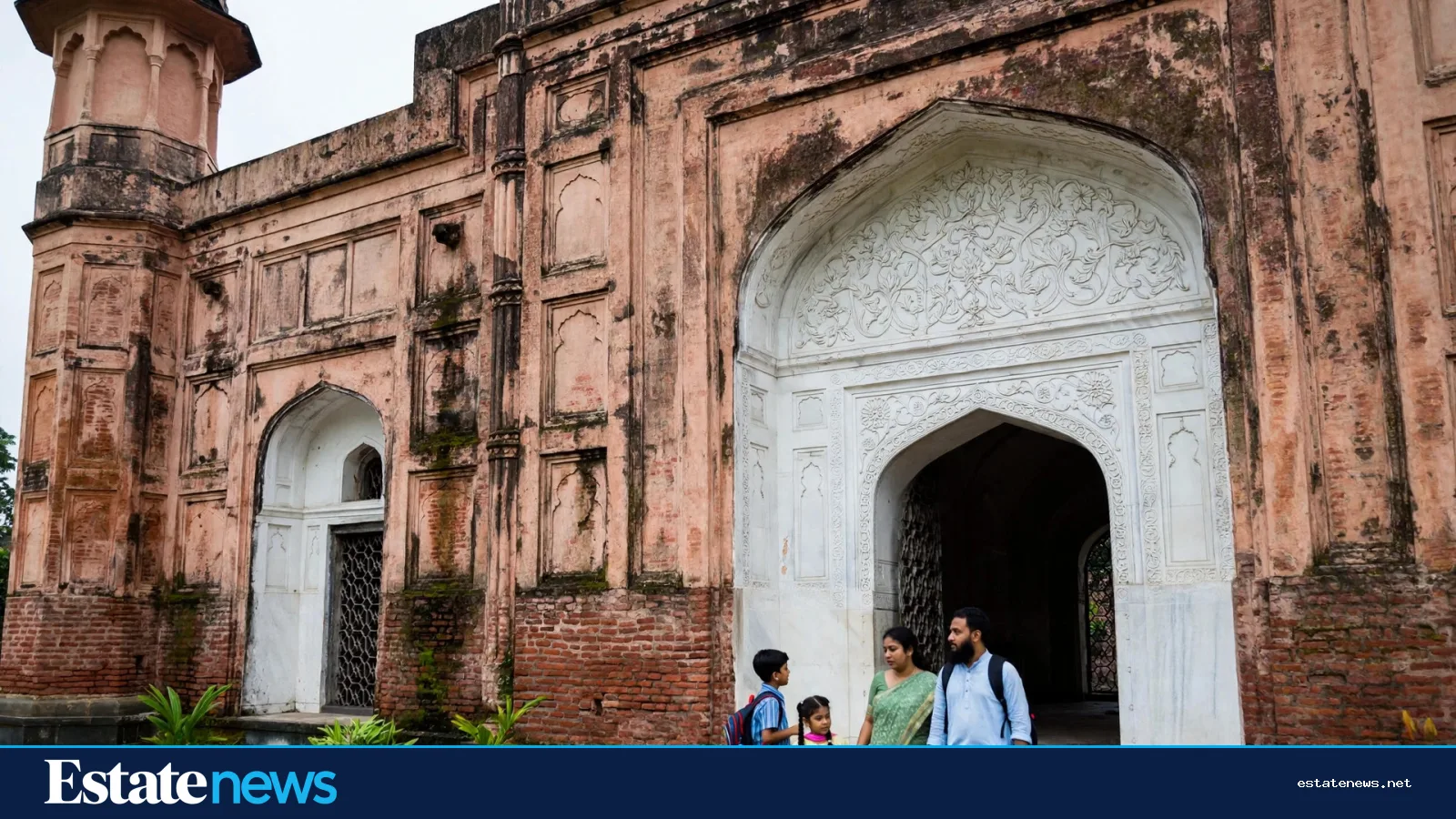
Renovation by the Department of Archaeology has put the fort in much better shape, and it now draws visitors through the week: school groups, families on a Friday outing, photographers, and people from outside Dhaka who want to see the one Mughal building most Bangladeshis can name. A small museum on the site holds finds from the excavations, and guides point out the details visitors miss on a first walk, the carved arches of the tomb and the scale of the mosque's domes.
Why an unfinished building matters
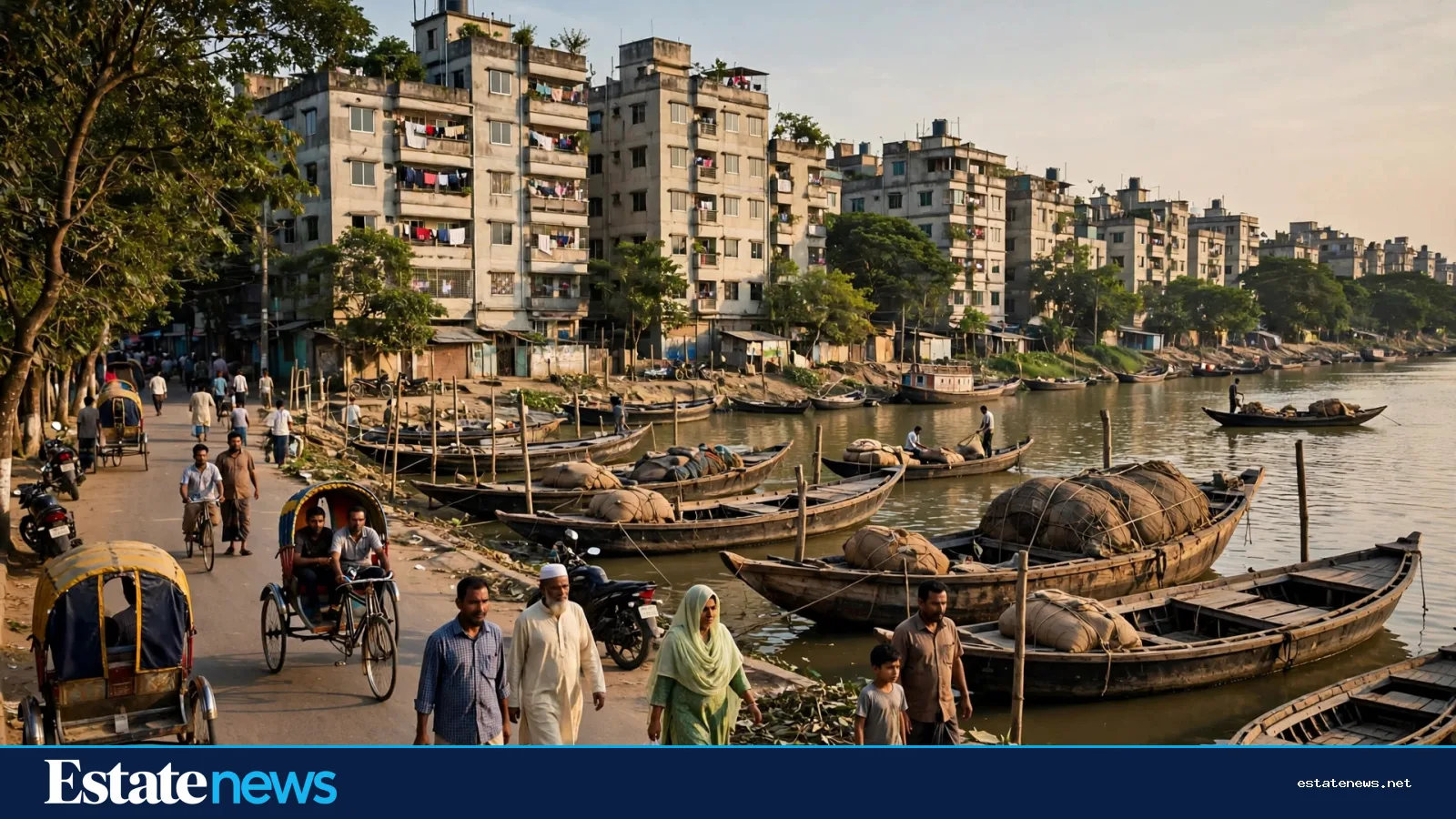
Dhaka's builders finish things. A half-built structure in this city usually means a dispute, a stalled loan or a court case. Lalbagh is the exception, and that is its pull. It is a building that was abandoned by the most powerful family in the empire, and it stayed abandoned, and the city grew around it instead of over it. Old Dhaka's workshops and houses press against the walls, but the walls still stand, and the lawns inside still give the neighbourhood its one large open space.
The fort also sets the standard for how Dhaka treats its old buildings. It survived because the state took it up, restored it and kept it open, and because people kept coming. Other Mughal buildings in the city were not so lucky. Lalbagh is the argument, made in brick and grass, that a historic site can earn its keep as a public place.
On a Friday afternoon the lawns fill up and the fort feels less like a monument and more like a park that happens to be three centuries old. Children run between the tomb and the mosque, couples sit by the water tanks, and the caretakers sweep the paths for the next crowd. The prince who started it never saw it finished. The city that inherited it finished the job in its own way, by using it.