November is a revealing month for Dhaka property. The monsoon has passed, construction sites are busy again, and families who delayed a decision through the rains return to site visits with a clearer sense of what they can afford. Asking prices, the figures sellers put on listings and in conversations with brokers, are the first signal of that mood. They are not deal prices. A flat can be listed at one figure and change hands at another, after negotiation on payment terms, floor, facing and finish. Reading the two apart is the skill November buyers need most.
In established areas, that reading points to steadiness rather than a rush in either direction. Gulshan and Dhanmondi, where land is scarce and the buyer pool is narrow, tend to see sellers hold their asking figures longer. A seller here is rarely in a hurry, and a buyer who wants the address usually knows the alternatives are few. The result is a market that moves slowly, with negotiation happening on inclusions and payment schedules rather than on headline price cuts.
The middle-market test

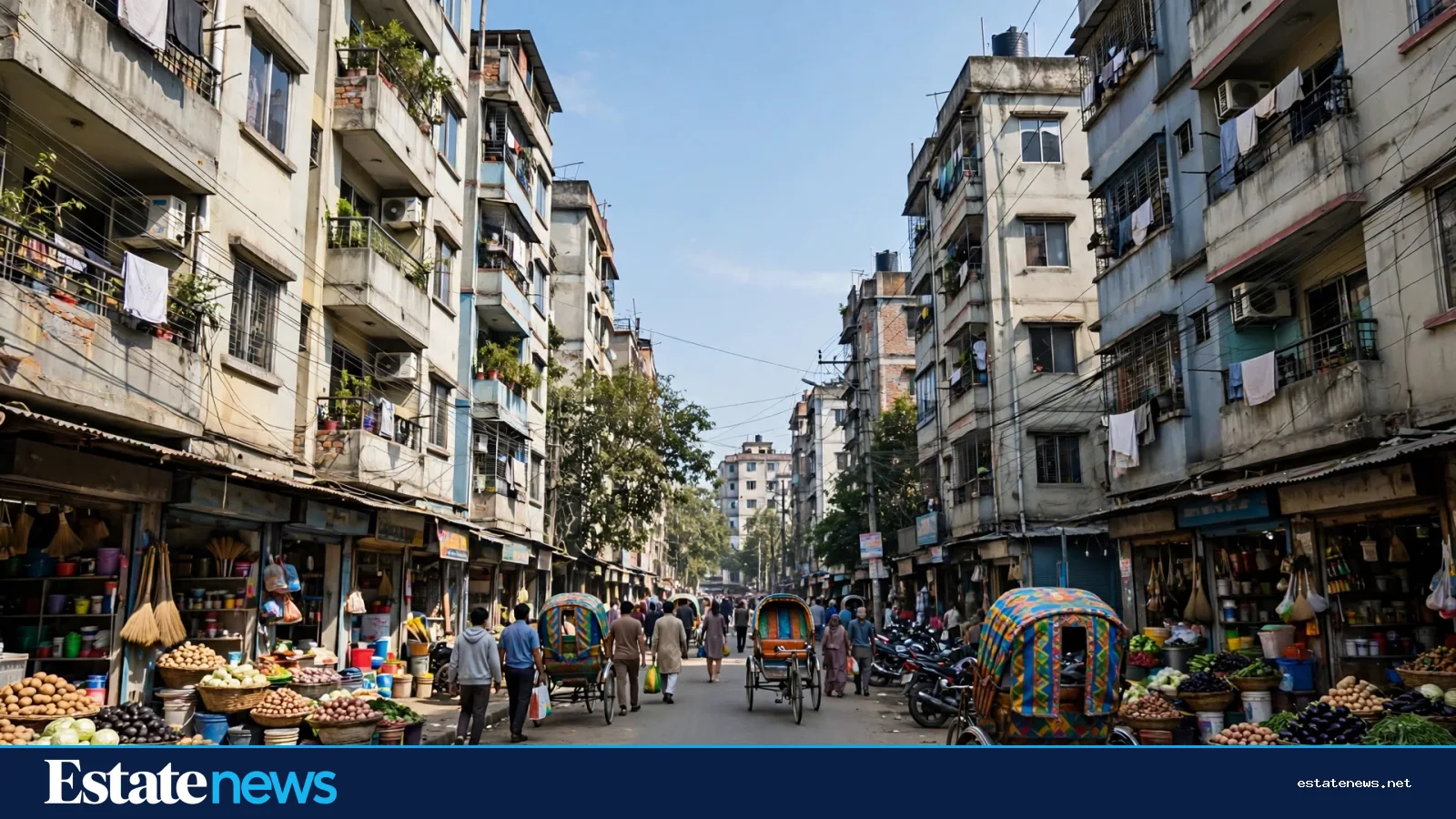
Mirpur, Uttara and Mohammadpur tell a different story, and a more useful one for most buyers. These are volume markets, where families compare several buildings in a single weekend and where a small difference in asking price can decide which site gets a second visit. Sellers here watch each other closely. A building that lists too high sits empty while a nearby project fills its visits. A building that lists sensibly draws a queue.
Bashundhara R/A sits between those two worlds. It is a planned residential area with its own internal market, and buyers there compare projects inside the area before they look outside it. Asking prices in such a contained market move with the area's own supply: a new handover adds choice, a completed commercial block adds convenience, and both feed into what sellers feel they can ask.


How to read an asking price
Buyers should treat every asking price as an opening position. Three checks sharpen it. The floor and facing matter, because a south-facing flat with cross-ventilation commands a different conversation from a flat facing a narrow gap between buildings. The building's age and management matter, because service charges, lift upkeep and water supply shape the monthly cost long after the purchase. The payment structure matters, because a seller who accepts a longer schedule may hold a higher headline figure, while a seller who needs a quick close may move.
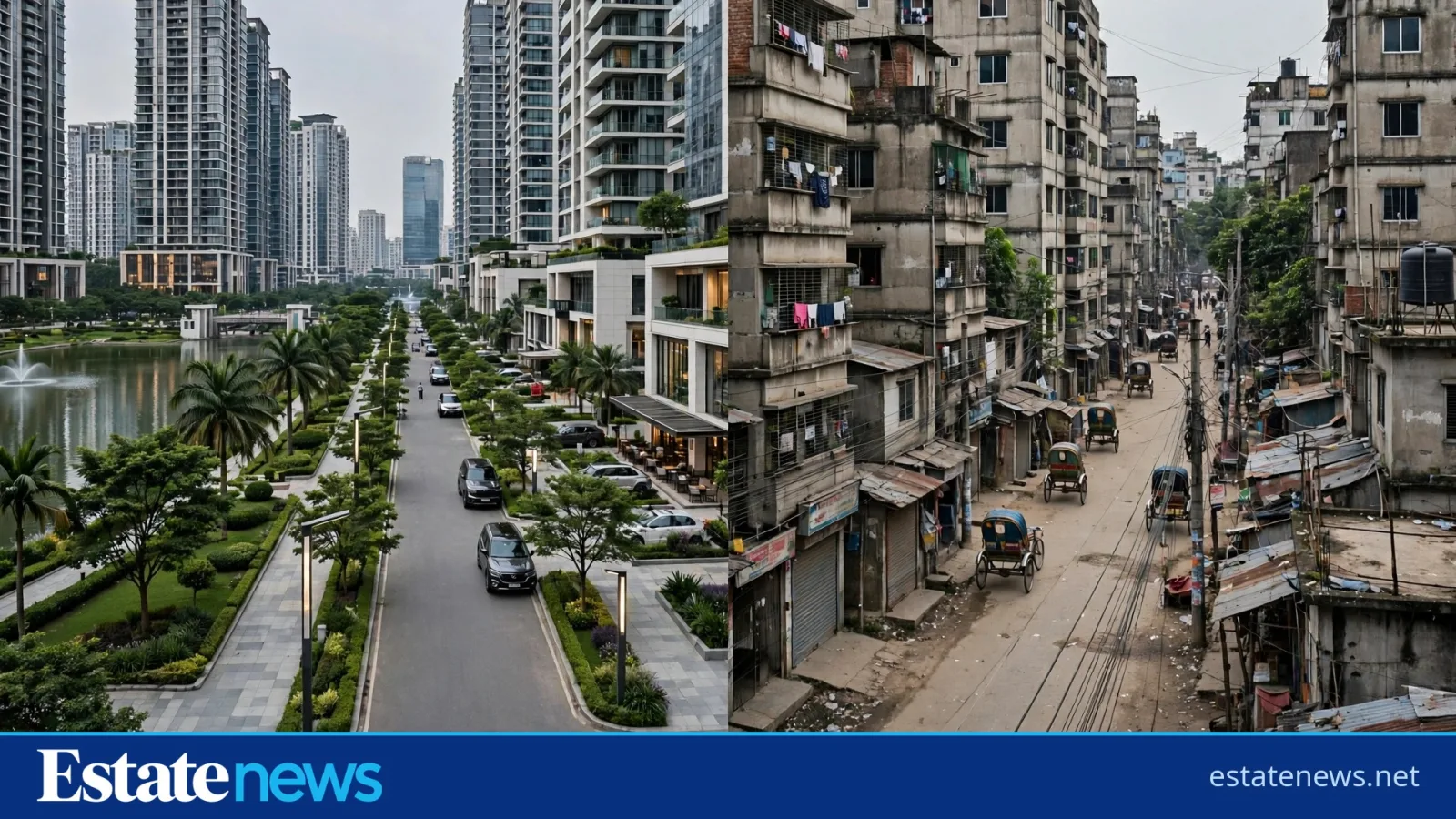
None of that makes asking prices useless. Taken area by area, they show where sellers feel confident and where they feel exposed. A cluster of listings holding firm in Gulshan says something about scarcity. A cluster of listings softening in a new supply pocket says something about choice. The error is to average those signals into one city figure and then apply it to a single flat. Dhaka has no single market, and November, with its mix of settled neighbourhoods and fast-moving middle markets, is the month that proves it.
For a buyer, the practical move is narrow and local. Pick two or three areas, track listings in those areas for a few weeks, visit at different times of day, and ask what similar flats actually closed at. The asking price starts the conversation. The building, the floor and the seller's timeline finish it.