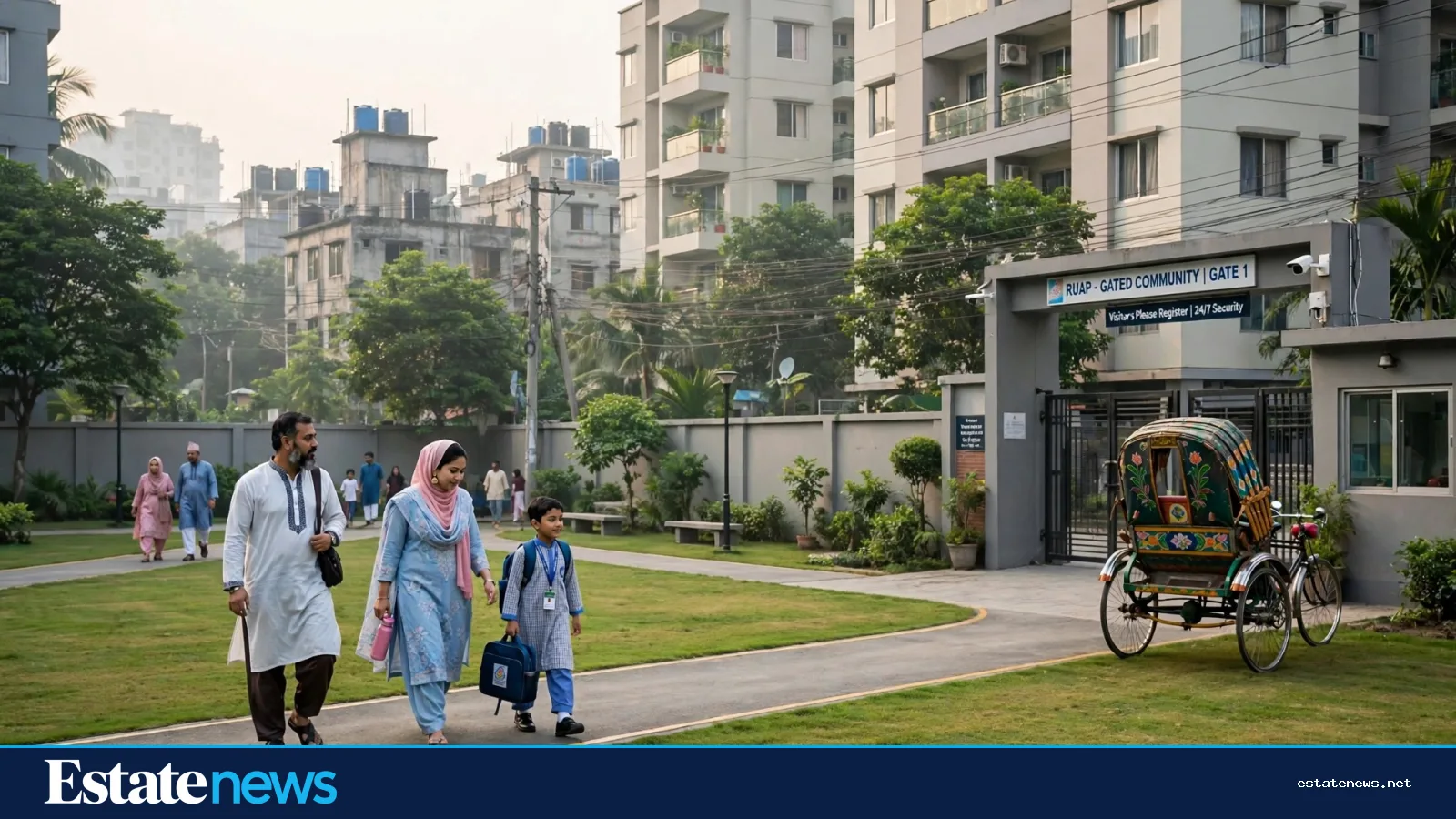
At seven in the morning the jogging track is already busy. Men in panjabi and track pants walk in pairs, talking over the day's business. Women in salwar kameez move at a steadier pace, some with children in school uniform holding their hands. A security guard at the gate waves a rickshaw through, and the sound of the main road outside fades behind the wall. For a few hours each day, this corner of Uttara feels like a different city.
That feeling is the product. Rupayan City, in Sector 12 of Uttara Model Town, is Bangladesh's first premium mega gated community, a walled neighbourhood of about 1,200 apartments spread over 134.5 bighas, roughly 81 acres, of which 63 percent is kept as open space. Work began in 2014, and the project has grown in phases ever since. Families who buy here are not only buying a flat. They are buying the morning walk, the playground their children can reach alone, and a gate that decides who comes in.
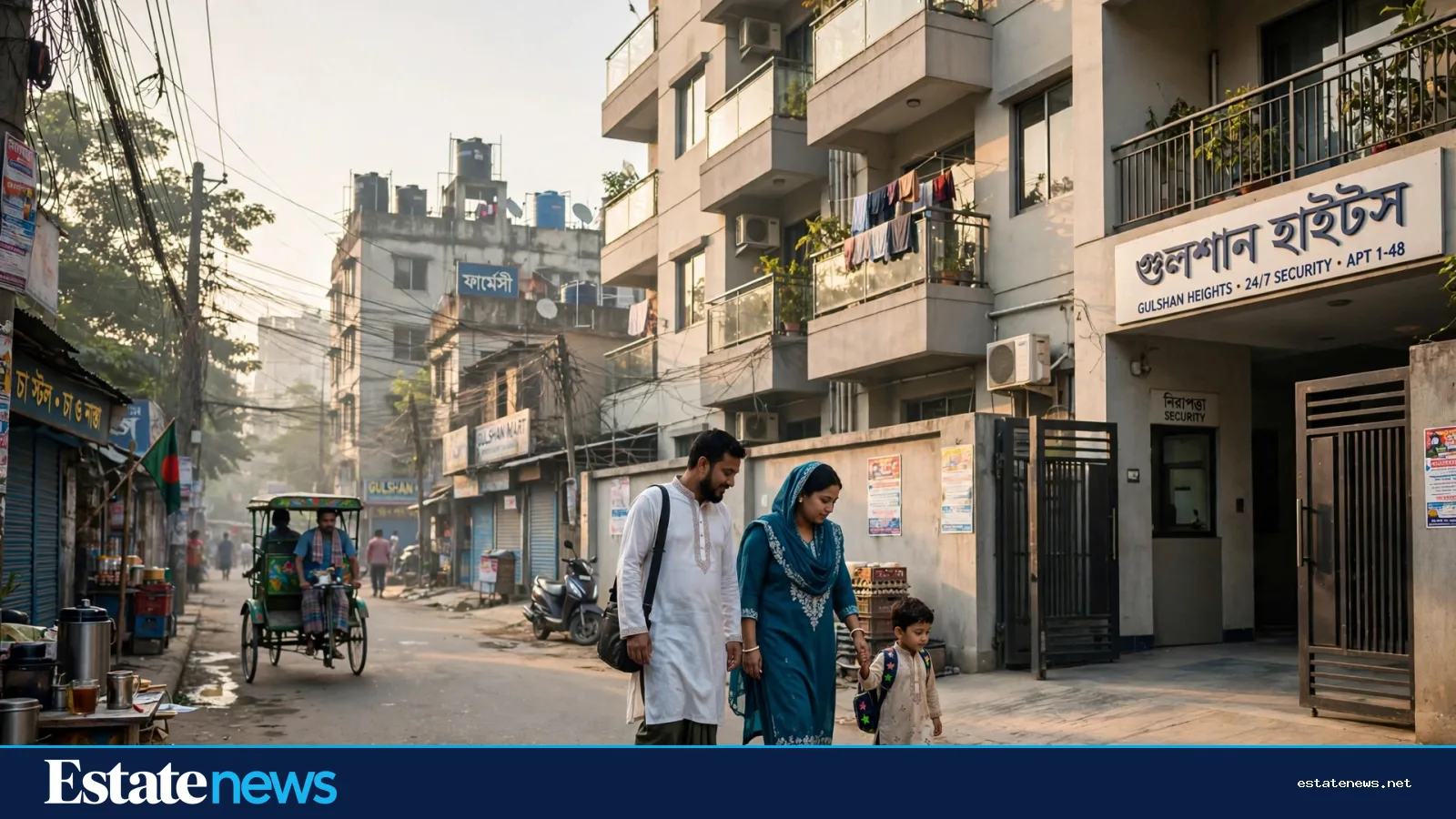
The idea arrived in Dhaka at the right moment. Uttara had grown fast, plot by plot, and its streets carried the same pressure as the rest of the capital: traffic that never clears, tangled wires overhead, and buildings that rose wherever a plot allowed. A gated community offered the opposite promise. Inside the wall, the roads belong to residents. The green stays green because nobody can build on it. The school, the mosque and the club sit within walking distance, so a family's day can happen without crossing the city's traffic at all.

Three phases, three kinds of home
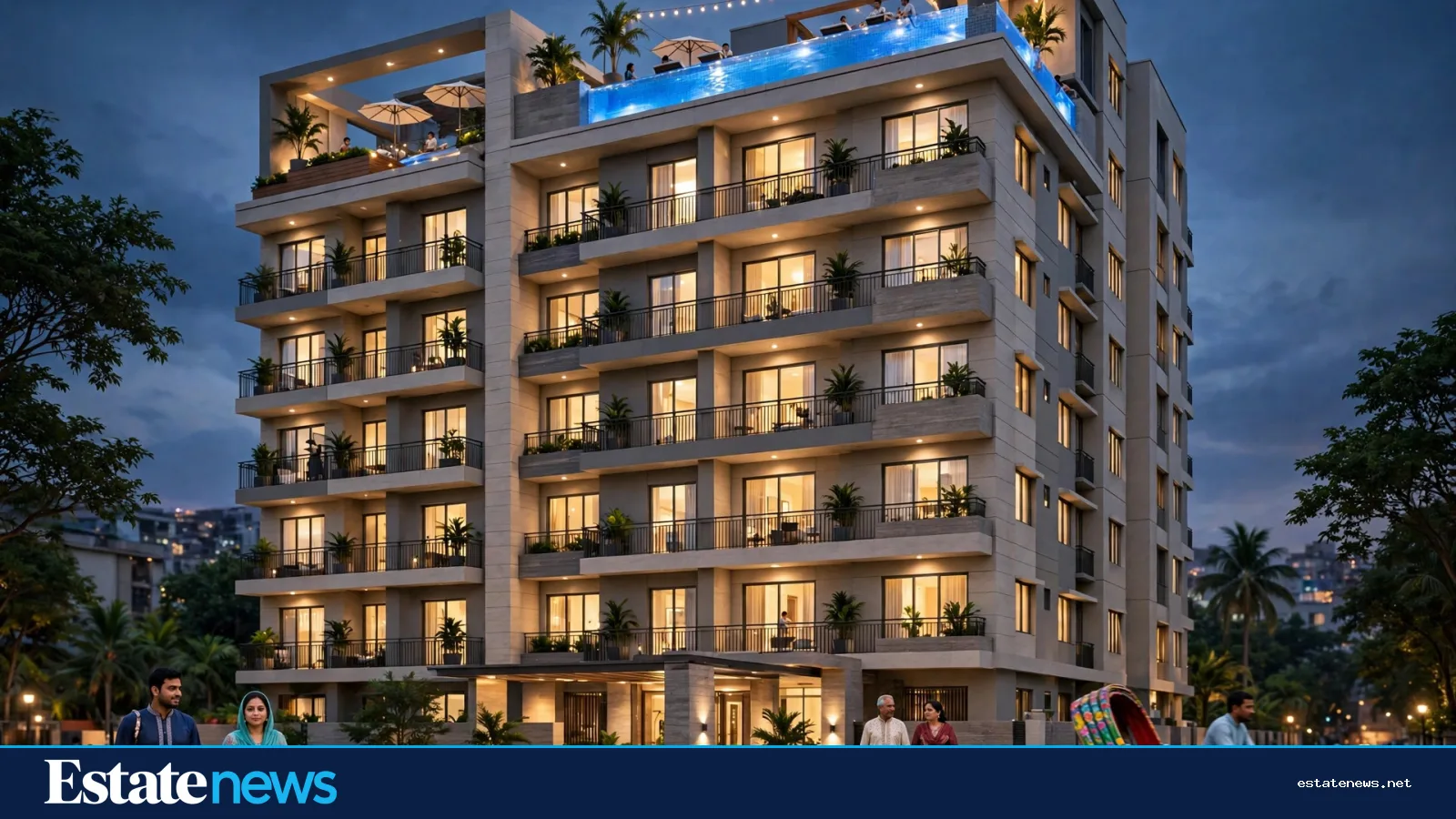
Rupayan City was built in phases, and each phase answers a different buyer. Majestic, the first phase, holds 11 buildings of basement plus ground plus nine floors, with flats from 2,190 to 2,860 square feet. These are family-sized homes, the sort a buyer moves into with parents and children under one roof. Grand, the next phase, added larger homes and a Grand Condo Extension announced for buyers who wanted more room. Sky Villa, the newest phase, steps up again: seven buildings of basement plus ground plus eight floors, with flats of 4,075 and 6,295 square feet, aimed at buyers who want a penthouse scale of living without leaving the community. A commercial block, Maxus, sits alongside the homes, so daily shopping does not need a trip out either.
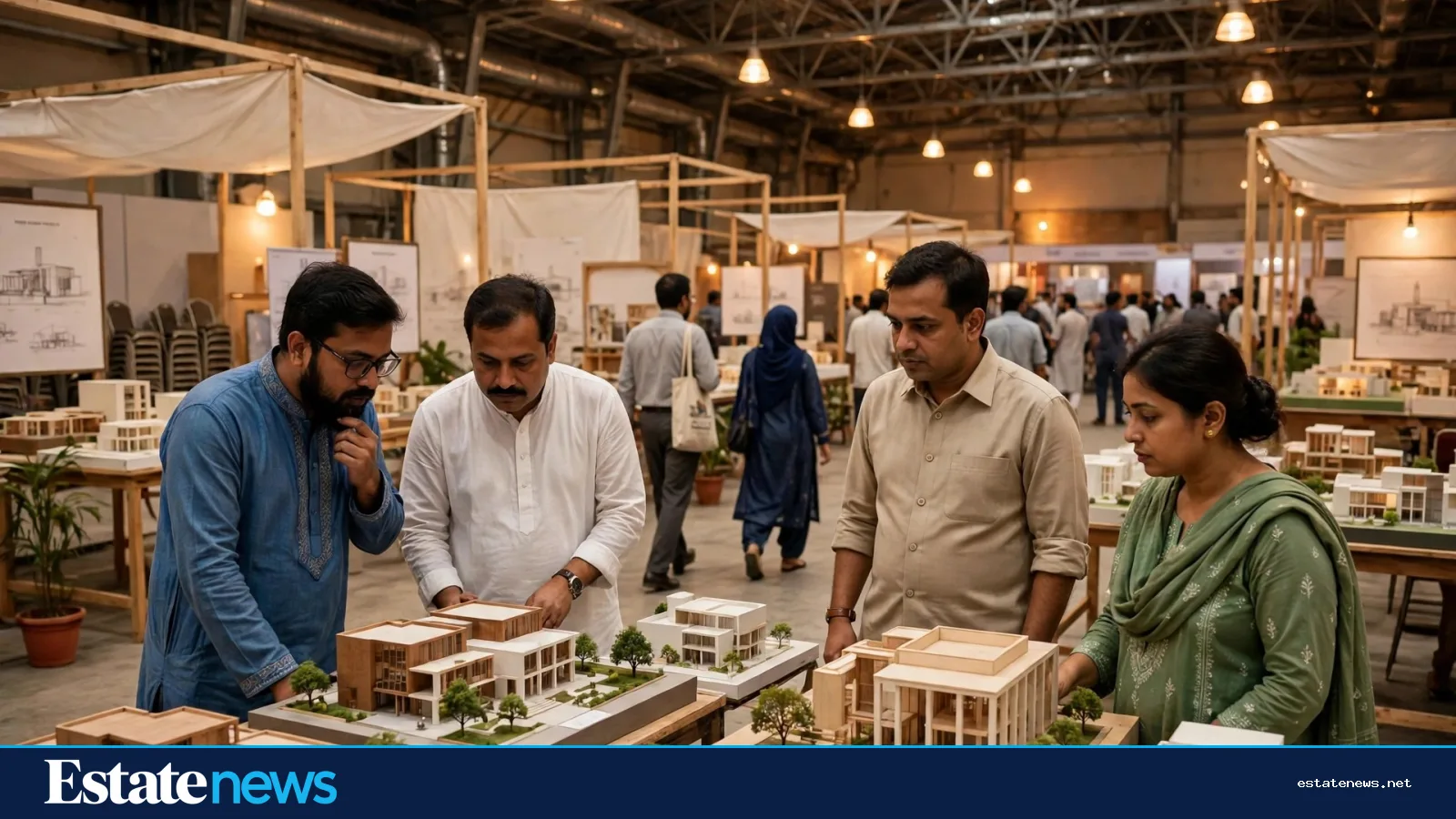
The mix matters because it decides who your neighbours are. A community of only small flats fills with young couples. A community of only large flats fills with a narrow slice of buyers. Rupayan City holds both, and the shared spaces, the club, the playground, the mosque, are where those different households meet. That shared life is what the developer sells, and it is also what residents defend most fiercely when a rule is broken.
What 63 percent open space looks like on the ground
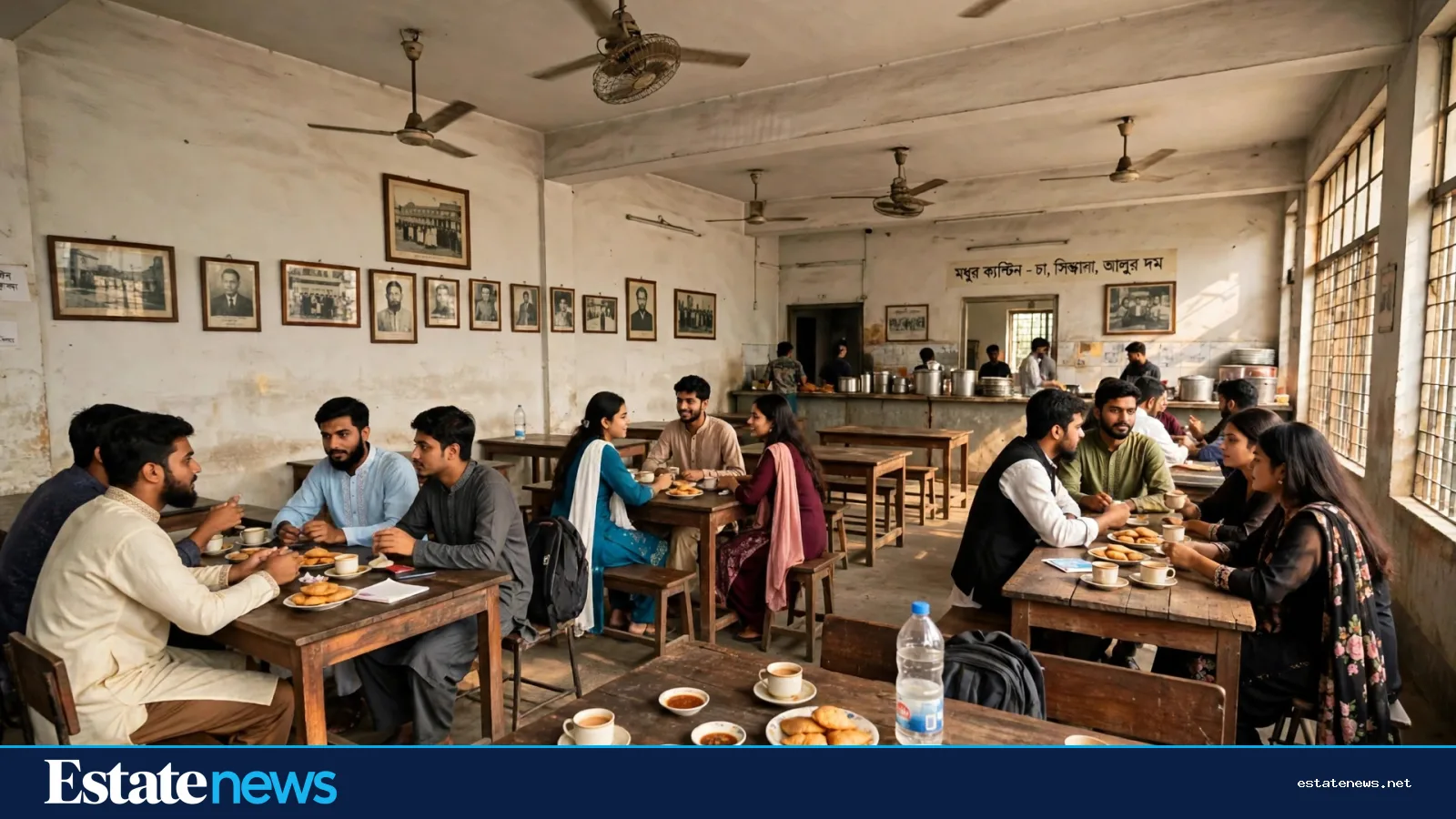
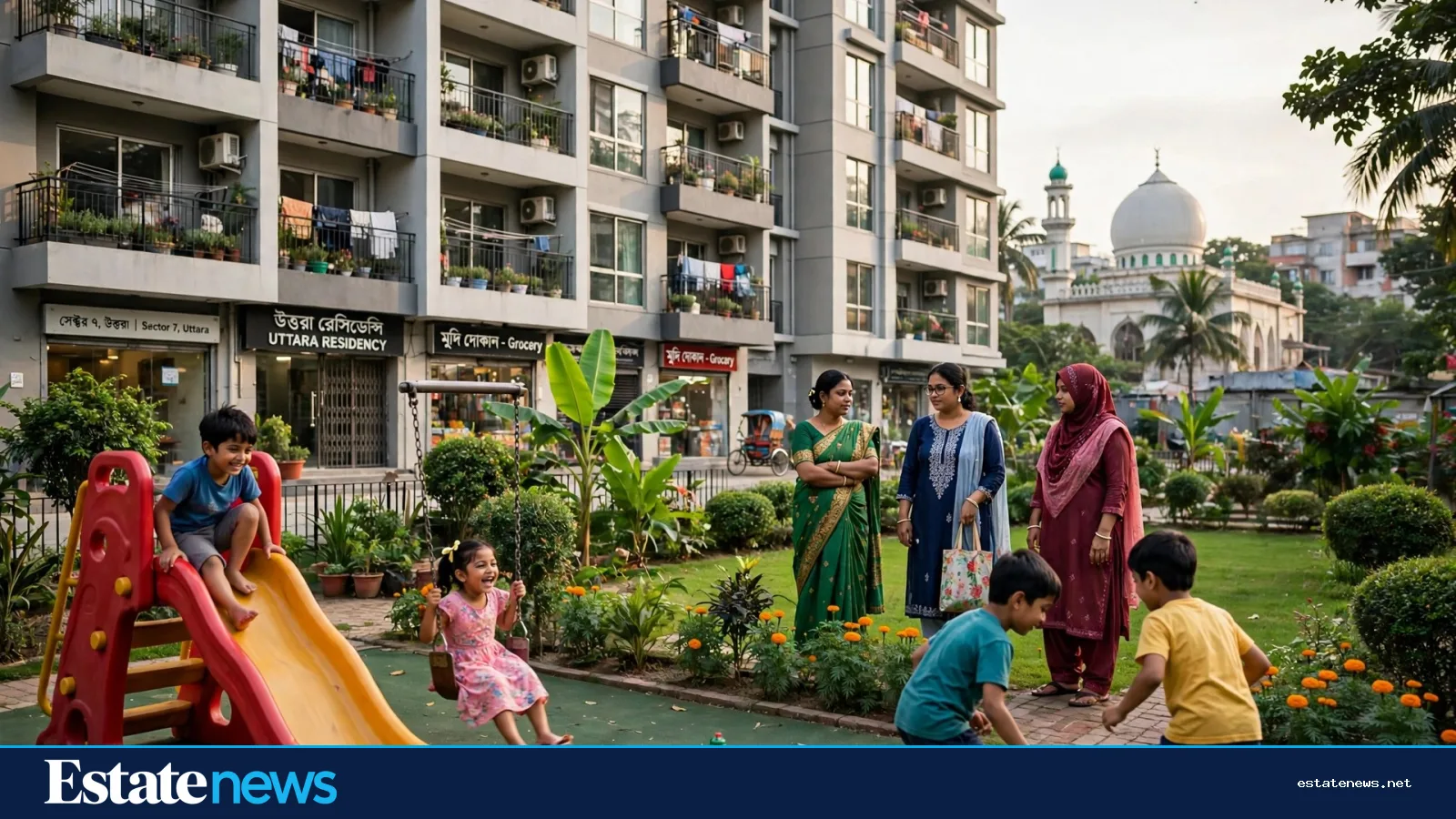
The number sounds abstract until you walk it. The jogging track runs 6.5 kilometres through the project, a distance that lets a morning walker complete a real circuit without leaving the gate. Lawns sit between the buildings instead of more buildings. Children play on a ground their parents can see from a balcony. The mosque fills at prayer time with men who walked there in slippers, not men who drove. A school inside the boundary means the morning rush is a short walk, not a car queue on a main road.
For a Dhaka family, this is the part that is hardest to find anywhere else. Open land in the capital is usually the first thing sold, not the last thing kept. A housing society that holds more than half its land open has to say no to the easiest money in the business, which is another tower. The trade is visible in the density. About 1,200 apartments on 81 acres is roomy by Dhaka standards, and the buildings are spaced so that light reaches the lower floors. Buyers who have lived in a crowded lane in Dhanmondi or a tight plot in Mirpur notice the difference the first time they stand on a balcony here.


The commute, and the price of the wall
No gated community in Dhaka escapes the question of the road outside. Uttara sits at the capital's northern edge, and the metro now runs through it, which has changed the calculation for families who work in the centre. The drive to Gulshan or Motijheel still takes time, and a family that buys here trades a shorter commute for a quieter evening. That trade suits households whose work keeps them in Uttara or Gazipur, or whose children study nearby. It suits less a family that needs to be in Old Dhaka every morning.
Money is the other half of the question. Rupayan City has published no recent official price list, so there is no current figure to quote, and any number passed around by brokers should be checked against the developer's own office. What the record does show is the scale of the ambition: when the Daily Star reported on the project in February 2021, flats were listed from Tk 2.2 crore to Tk 16 crore, a range that covered the Majestic family flats at one end and the Sky Villa homes at the other. That was a 2021 figure, and the market has moved since. A buyer today should ask for the current price in writing, ask what the service charge covers, and ask how the charge is set. In a community with a club, a mosque, a school ground and kilometres of track to maintain, the monthly charge is part of the real cost of living here, and it deserves the same attention as the flat price itself.
Why the world is watching
In September 2026, international real-estate experts visited the project, an event the developer's partners at Premier Homes and Asset X shared publicly. The visit says something about how Dhaka's housing story is now read abroad: not as a city of single towers, but as a city experimenting with whole neighbourhoods built at once. Rupayan City is the oldest and largest of those experiments, and the one other developers study when they plan their own townships.
The lesson is not that every family should live behind a wall. Most Dhaka families never will, and the city's future will be decided in its open neighbourhoods, its Mirpur flats and its Bashundhara streets as much as in its gated towns. The lesson is narrower and more useful. A home is not only square feet and a price per square foot. It is the walk to school, the ground where children play, the air on a balcony, and the hour a family gets back when the day's errands happen inside the gate. Rupayan City sells those hours, and for the families who have bought in, the mornings on the jogging track are the proof that the promise holds. Whether the model spreads further across Dhaka will depend on what the next townships learn from this one: that open space is not the land left over after building, but the reason people come at all.