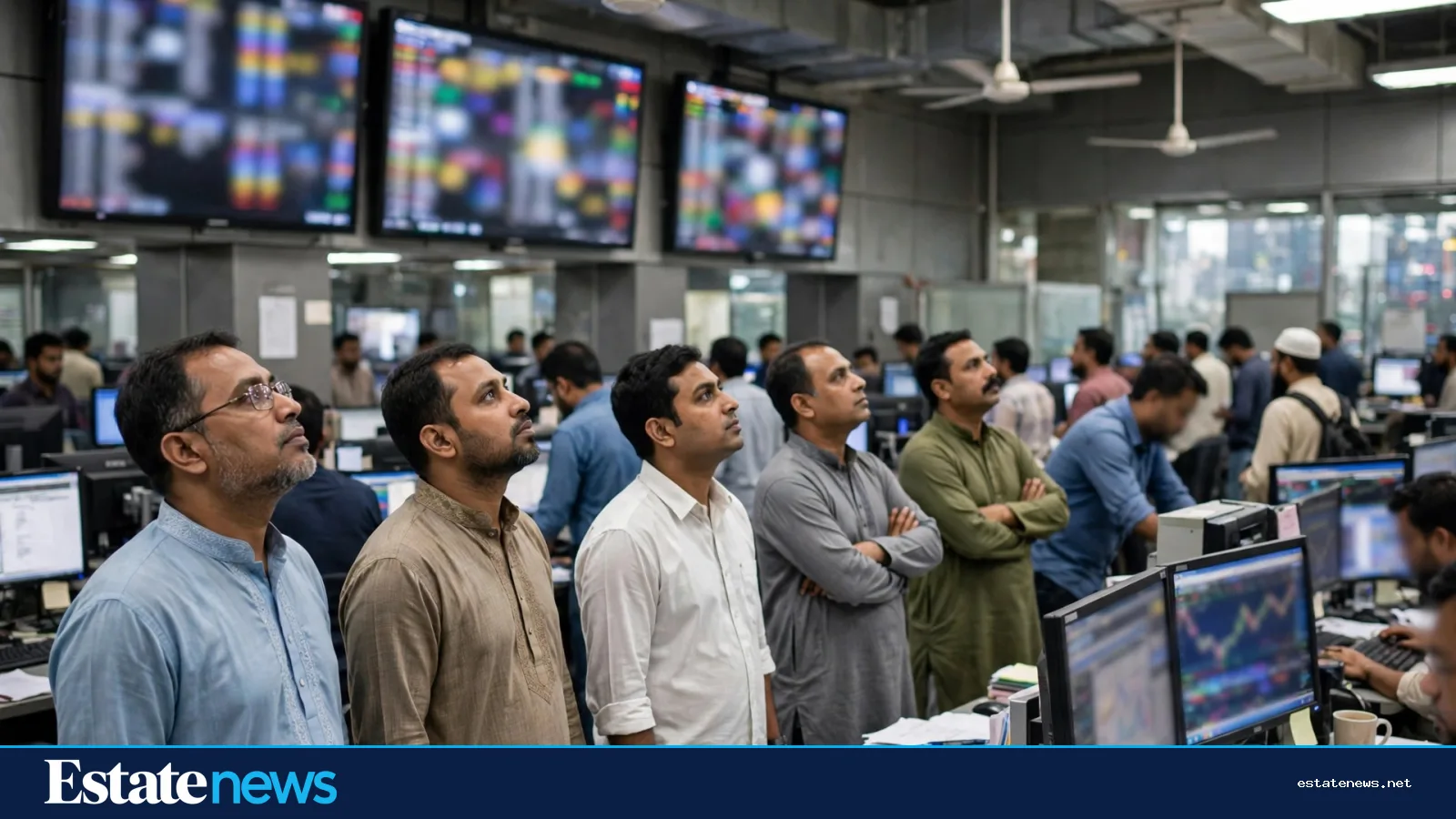
Dhaka's stock market turned on Tuesday, and the money sent home by Bangladeshis abroad kept flowing in. The DSEX rose 43.92 points to 5,436.74 on 10 November, a gain of 0.81 percent, after falling for two sessions in a row. Remittance in the first nine days of November reached $1.283 billion, up 31.6 percent on the same nine days last year. Reserves stood at $34.99 billion gross and $30.12 billion on the IMF's BPM6 measure. October exports came in at $3.99 billion.
The numbers point in the same direction: a market that had slipped is steadying, and the foreign currency coming into the country is holding up. For households weighing a flat purchase or a home loan, that steadiness matters more than any single day's gain.
Stocks find buyers again

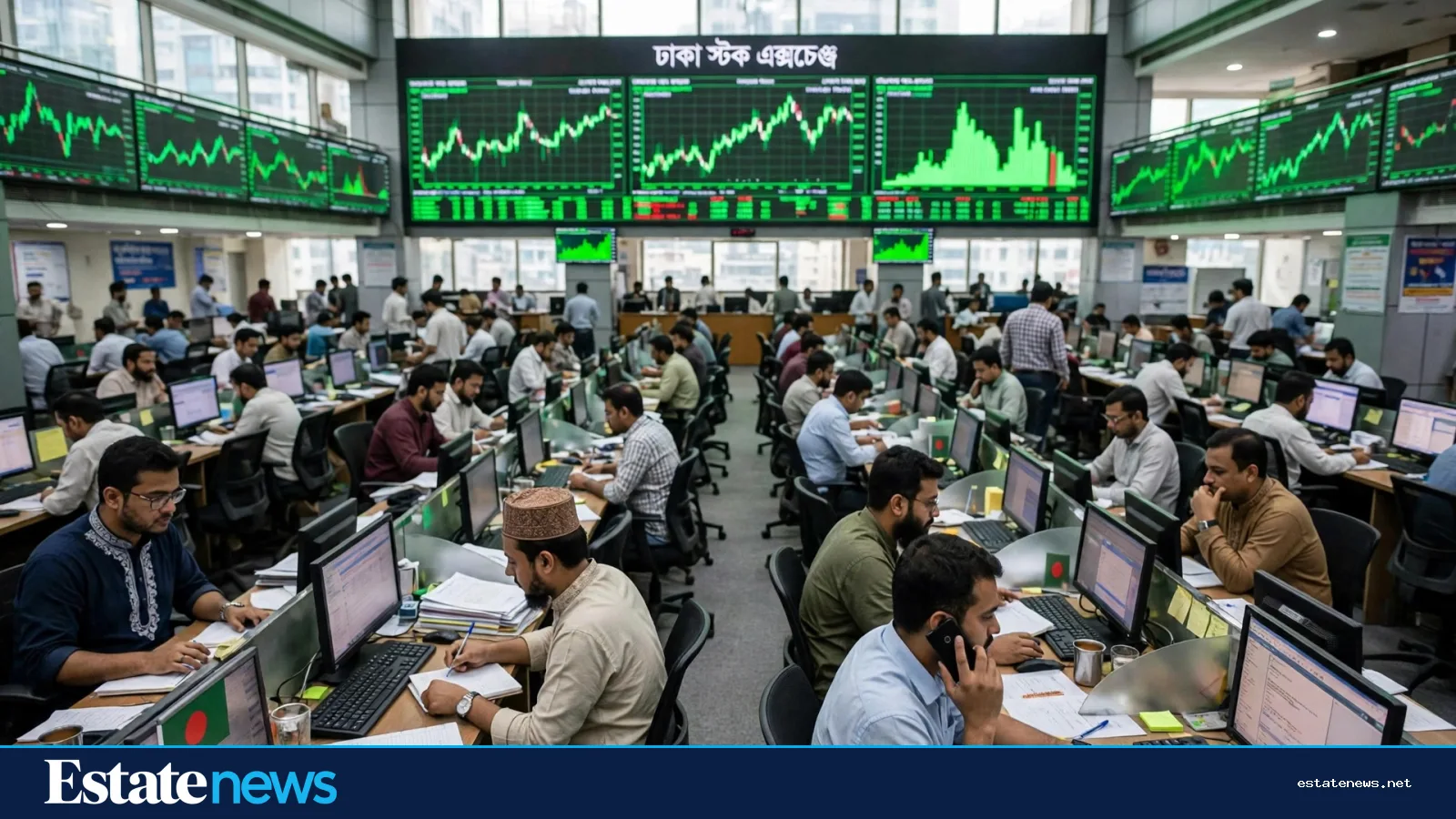
The DSEX closed at 5,436.74 on 10 November, up from 5,392.82 the day before. The DS30 index of blue chips rose 7.94 points to 2,057.41, and the DSES index of Shariah-compliant stocks gained 8.97 points to 1,053.69. Turnover edged up 0.58 percent to Tk 658.50 crore, from Tk 654.71 crore on 9 November.
Breadth was strong. Of the 384 issues traded, 264 advanced, 68 declined and 52 were unchanged. Textiles led turnover with an 18.9 percent share, followed by general insurance at 13 percent and fuel and power at 12.8 percent. Travel stocks led the gains at 5.1 percent, ceramics rose 4 percent, and paper and printing added 2.8 percent. Telecom fell 0.3 percent, the steepest sectoral fall of the day.
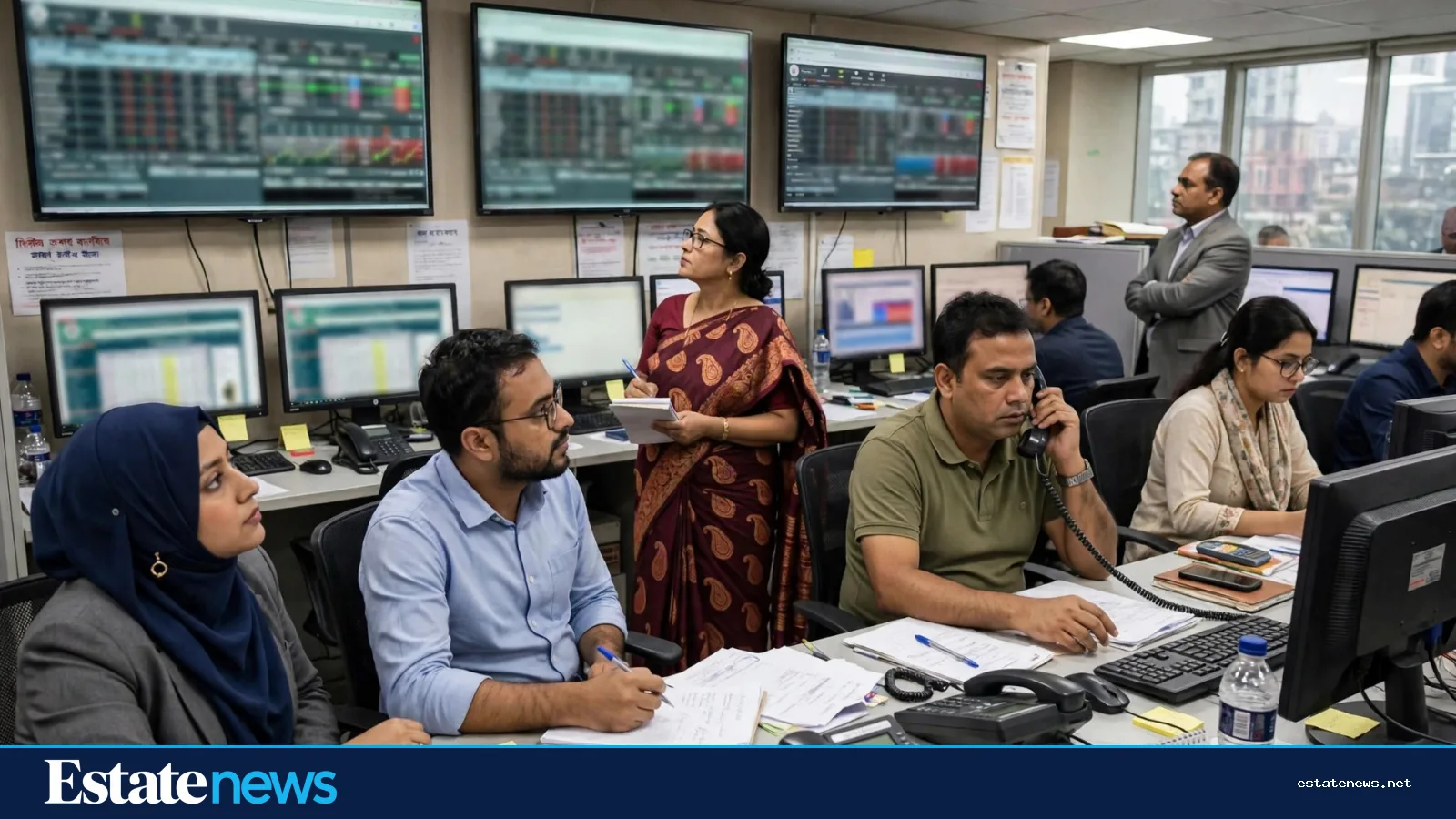
EBL Securities put the recovery down to bargain hunting in recently corrected stocks, which drew broad-based buying. The same note kept a warning in place: investors stayed cautious amid ongoing unrest and uncertainty, and turnover is still thin. One good session does not settle the market. Readers who followed the two-session slip can catch up on "what the fall meant for Dhaka homebuyers".
Remittance keeps its pace


Bangladeshis abroad sent home $1.283 billion in the first nine days of November, according to Bangladesh Bank data, up 31.6 percent from $974 million in the same period last year. The 9th of November alone brought in $153 million. For the financial year so far, from 1 July to 9 November, remittance stands at $12.74 billion, up 14.6 percent on $11.12 billion a year earlier.
October had already set a firm base at $2.87 billion for the month. Remittance pays for land, builds flats and funds the deposits that turn renters into owners. The central bank's recent move to double the medical remittance limit to $30,000 is a separate sign of the same flow, and the details are in "Bangladesh Bank's 9 November circular".
Reserves, meanwhile, are back above $30 billion on the BPM6 measure, at $30.12 billion, with gross reserves at $34.99 billion as of 10 November. The BPM6 figure had dipped to $29.98 billion on 5 November after a $1.64 billion ACU settlement for September and October import payments. The recovery since then gives the central bank room, and it gives importers of building materials a steadier backdrop.
Exports hold above $3.9 billion
October exports reached $3.99 billion, up 4.39 percent on October last year. Garments brought in $3.17 billion of that, up 4.9 percent, with knitwear at $1.77 billion and woven garments at $1.40 billion. For the first four months of the financial year, July to October, exports total $17.04 billion on Bangladesh Bank figures, up about 6 percent year on year.
The export story carries a caveat that matters for housing. Garment makers say growth does not reflect margins: raw material import costs are up 15 to 20 percent and wages are up 9 percent, according to BKMEA vice-president Fazlee Shamim Ehsan. Export earnings still pay the salaries that become down payments, and the diversification into non-traditional markets, with Turkey more than doubling to $206.5 million in July to October and Japan the largest non-traditional market at $437.3 million, spreads that income to Gazipur, Chattogram and Narayanganj.
The day's figures give Dhaka's households a steadier picture than the one they saw at the start of the week. Stocks are up, remittance is strong, reserves are back above $30 billion, and exports are holding their ground. None of that removes the caution in the market, and none of it guarantees the next session. But for families planning a purchase, the direction of the numbers is better than it was two days ago. The full picture from the start of the week is in the "9 November market wrap".