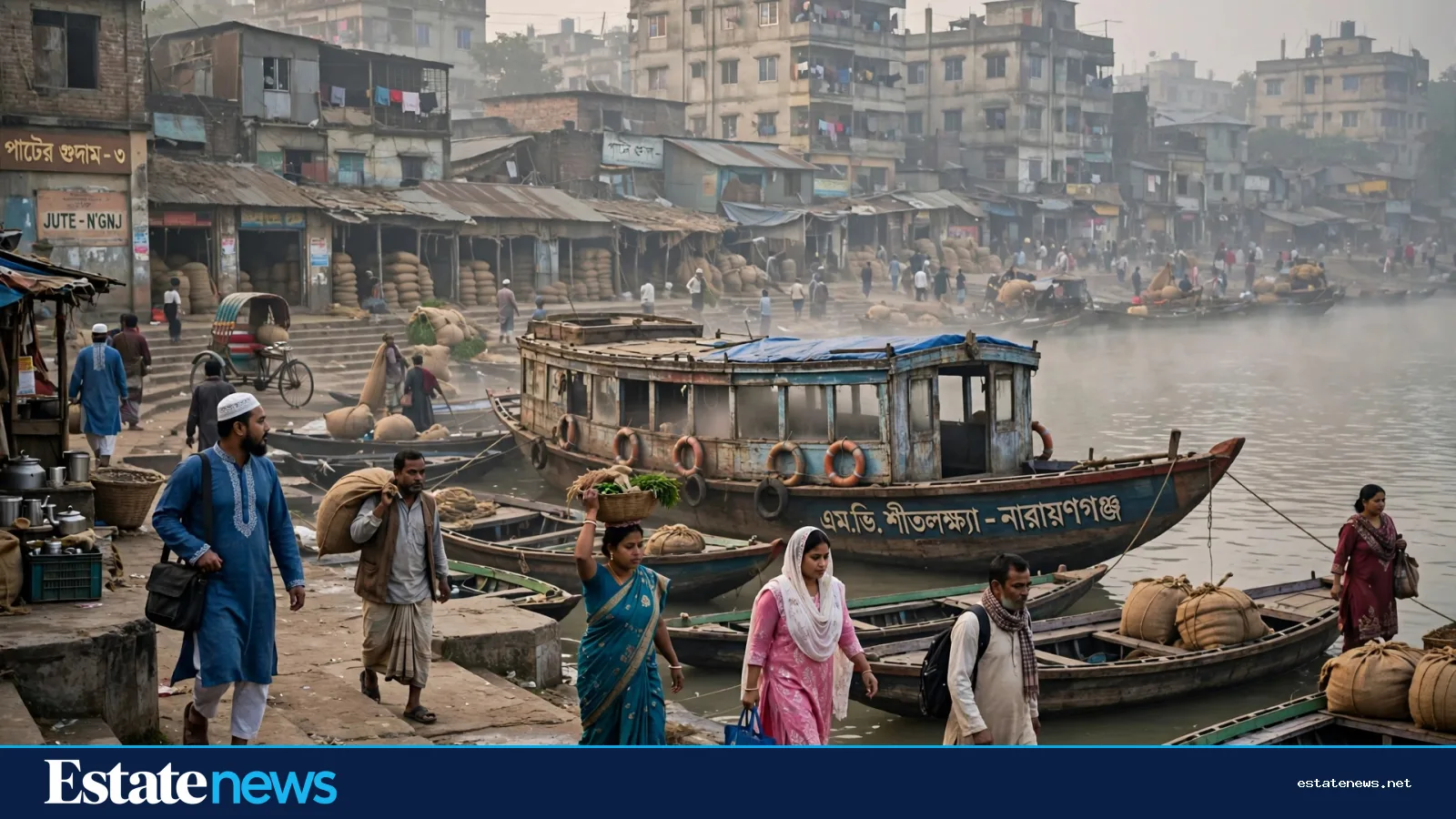
Before sunrise the ghats along the Shitalakshya fill with people heading to work. Launches pull away from the bank, rickshaws queue on the narrow roads, and the first shift walks toward factory gates that have opened at this hour for generations. Narayanganj wakes earlier than Dhaka, and it wakes to work.
That is the plain fact behind the city's housing story. Narayanganj is not a suburb that grew up around Dhaka's flats. It is a working river port city of its own, less than 20 kilometres southeast of the capital, where the people who stitch, dye, spin and ship the country's exports also live, and where more and more of them are buying the homes they once only rented. The 2022 census counted 967,951 people in the city corporation alone. Their demand is the steadiest kind a housing market can have: it comes from wages earned a short bus ride away. The same arithmetic shapes choices across the capital, and families comparing budgets often start by checking "what Tk 75 lakh buys in Dhaka now, across six areas" before looking east to the river.
A port older than the capital's sprawl

Narayanganj calls itself the oldest and most prominent river port in Bangladesh, and the record backs the claim. The town grew up as a ganj, a market town on the river, and its municipality was established on 8 September 1876, when the town held fewer than 28,000 people. It became a district in February 1984 and a city corporation in 2011. The present-day port was formally opened in June 1955, with a two-storey terminal building, seven concrete jetties and pontoon jetties along the bank.
The rivers set the shape of the place. The Shitalakshya runs along the east and divides the town in two, the Narayanganj side and the Kadam Rasul side, while the Buriganga bends around the south and southwest. For a long time Narayanganj was, in the plain phrase of the old gazetteers, the port of Dhaka. Goods came down the rivers from the districts, jute above all, and piece goods, salt and cloth went back up. The port still works, and the river still decides which streets flood, which plots stay dry and which neighbourhoods sit within a short walk of a ghat.
The mills that built the city
Jute made Narayanganj, and the city still carries the nickname it earned from the trade: the Dundee of Bangladesh, after the Scottish city that once ruled the world's jute. The Adamjee Jute Mill, set up on the east bank of the Shitalakshya in 1951 and once the biggest jute mill in Asia, closed in 2002 after years of losses. Its closure ended an era, but it did not end the city's industry.
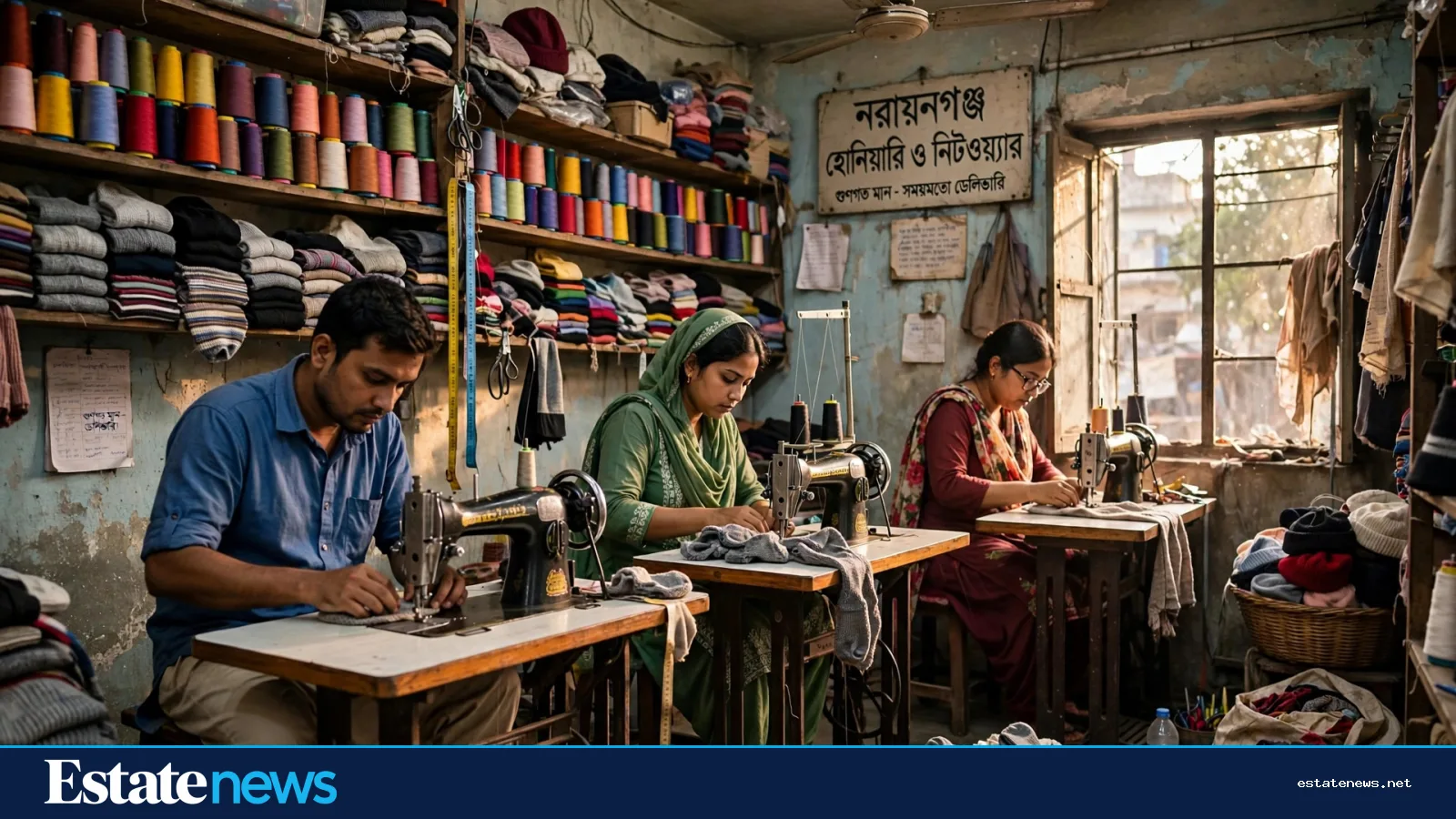
What replaced jute was cloth in all its later forms. Narayanganj is now a national centre for textiles, and Banglapedia calls it the principal hosiery manufacturing centre of Bangladesh. Spinning, dyeing and bleaching, weaving and garment making all happen in the district, alongside soap making, metal re-rolling and furniture manufacture. The Bangladesh Bureau of Statistics has counted more than 2,400 industrial units in the district, and over half of them work in jute, cotton, textiles and leather. That spread matters for housing. A city with one big employer rises and falls with one order book. A city with thousands of small and mid-sized units keeps paying wages through a bad season.
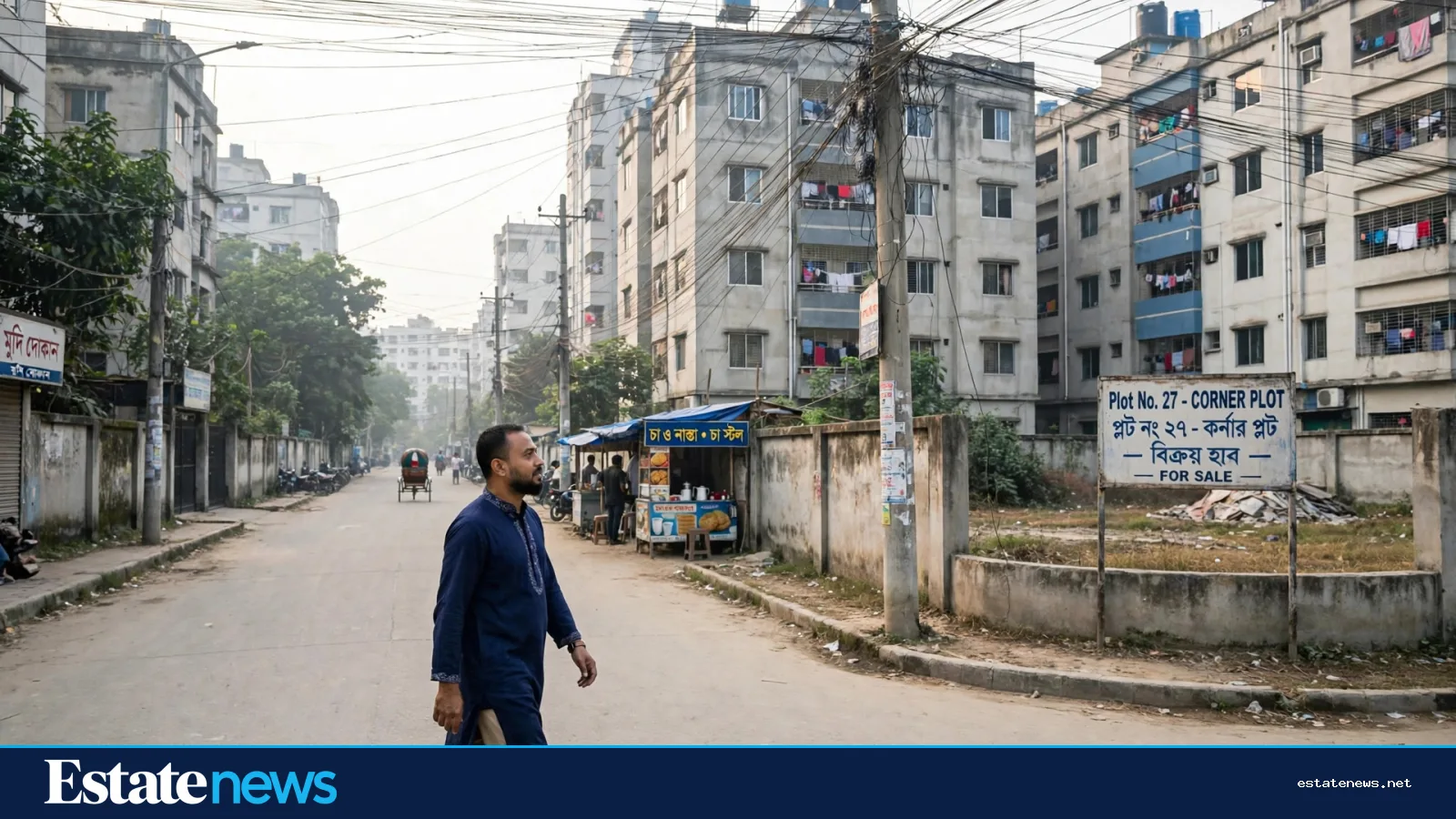
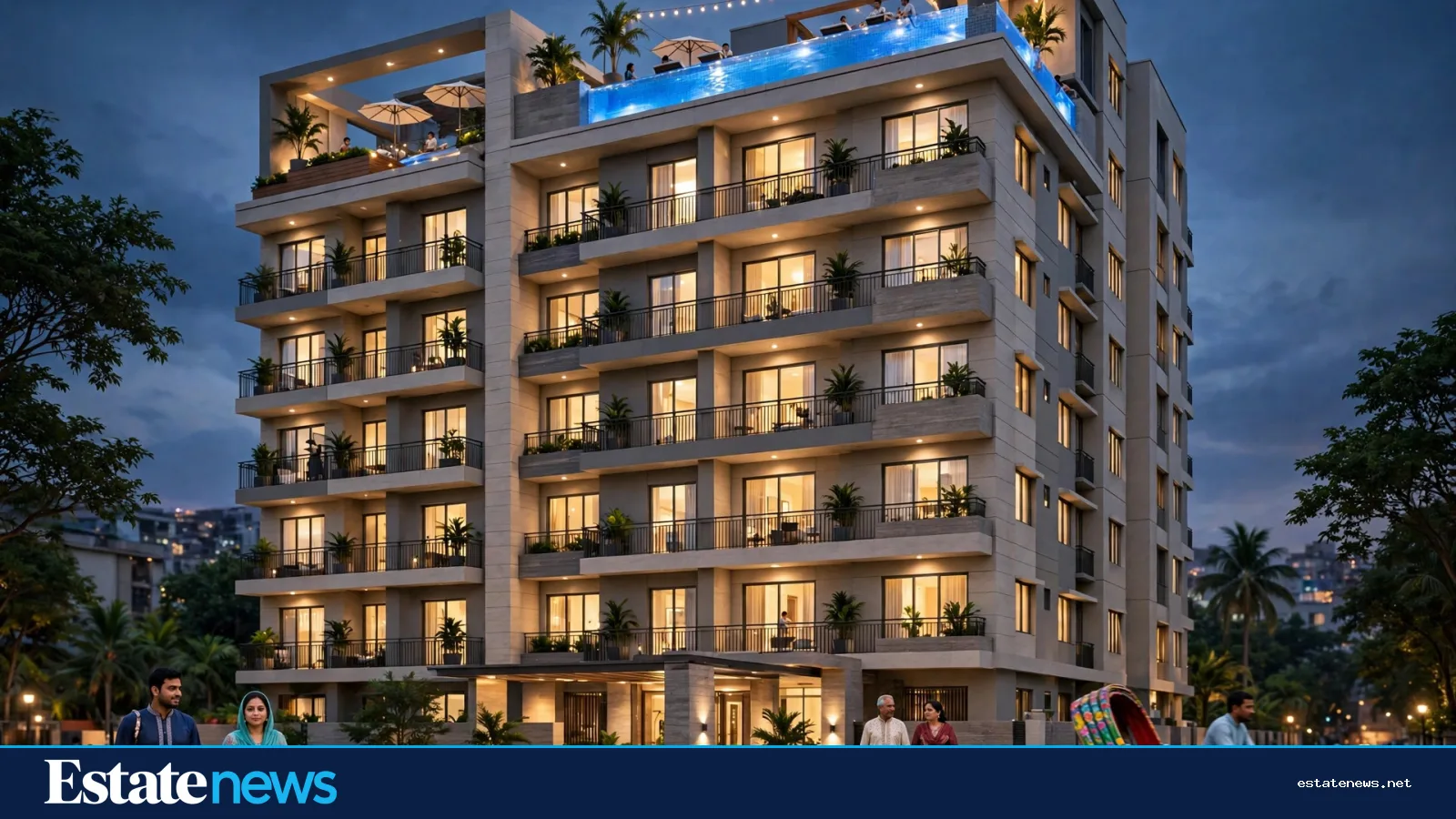
The export processing zone at Adamjee, on the ground where the old mill stood, added another layer. Foreign and local firms set up inside it, and the jobs they brought gave young families a reason to stay in the district rather than crowd into Dhaka's rented rooms. The result is visible in the streets around Chashara and Fatulla, where new apartment blocks stand beside older tin-roofed houses and the signboards change every few months.


The commute that decides a purchase
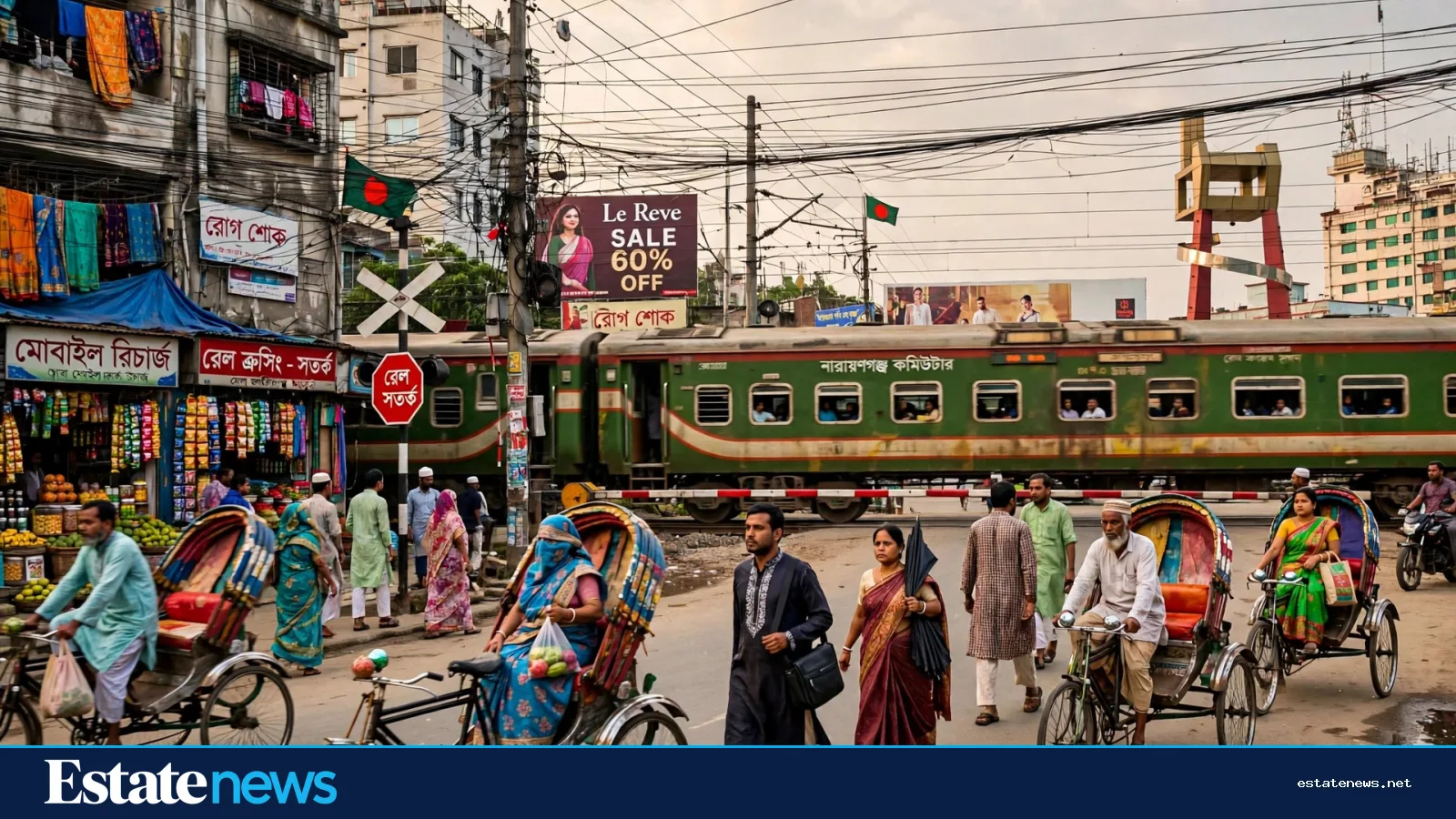
Ask a Narayanganj buyer why they bought here and the answer is usually a journey, not a price. Dhaka is reached by three metalled roads, the old Dhaka-Narayanganj road, the link road and the Narayanganj-Demra road, and by a metre-gauge railway line that runs through Pagla, Fatulla and Chashara into the city. The rivers still carry passengers too. For a worker whose shift starts at eight, the question is whether the road is passable in the rain and whether the train runs on time, and those two questions shape the market more than any brochure.
The Dhaka-Narayanganj-Demra embankment, which rings the district, is part of the same calculation. It holds back flood water, and a plot inside its protection is worth more to a family than the same plot outside it. Buyers here talk about waterlogging the way Dhaka buyers talk about gas lines: as a practical fact to check before paying, not as an afterthought. Families weighing a move across the river often compare Narayanganj with "Keraniganj's south bank, where homes have found their buyers for similar reasons".
What buyers look for now
The city's old quarters still hold the traces of its trading past. Sonargaon, in the same district, was once famous for muslin so fine it was said to pass through a ring, and Panam City, its old merchant street, still draws visitors to its rows of faded mansions. The heritage sits beside the factories without apology, and it gives the district a character that a new township cannot buy.
For a family choosing a flat today, the checks are practical. Which bank of the Shitalakshya is the building on, and how does the family cross when the river is high? How far is the nearest factory gate, school and bazaar? Is the building inside the embankment's protection? Does the road outside it stay open in the monsoon? These are the questions a Narayanganj buyer asks first, and a seller who can answer them plainly will sell sooner than one who talks only about floor size.
The city's growth has been steady rather than sudden, and that steadiness is its strength. It did not boom on one road or one project. It grew because the port worked, the mills worked, and the road to Dhaka stayed open. Families who buy here are betting on that record continuing: wages earned in the district, spent in the district, and put into a home a short journey from the capital.
Narayanganj will keep changing. New blocks will rise along the link road, the old jute godowns will find new uses, and the ghats will keep filling before sunrise. The city that fed Dhaka's trade for a century and a half is now feeding its housing demand too, one family, one flat and one short commute at a time.