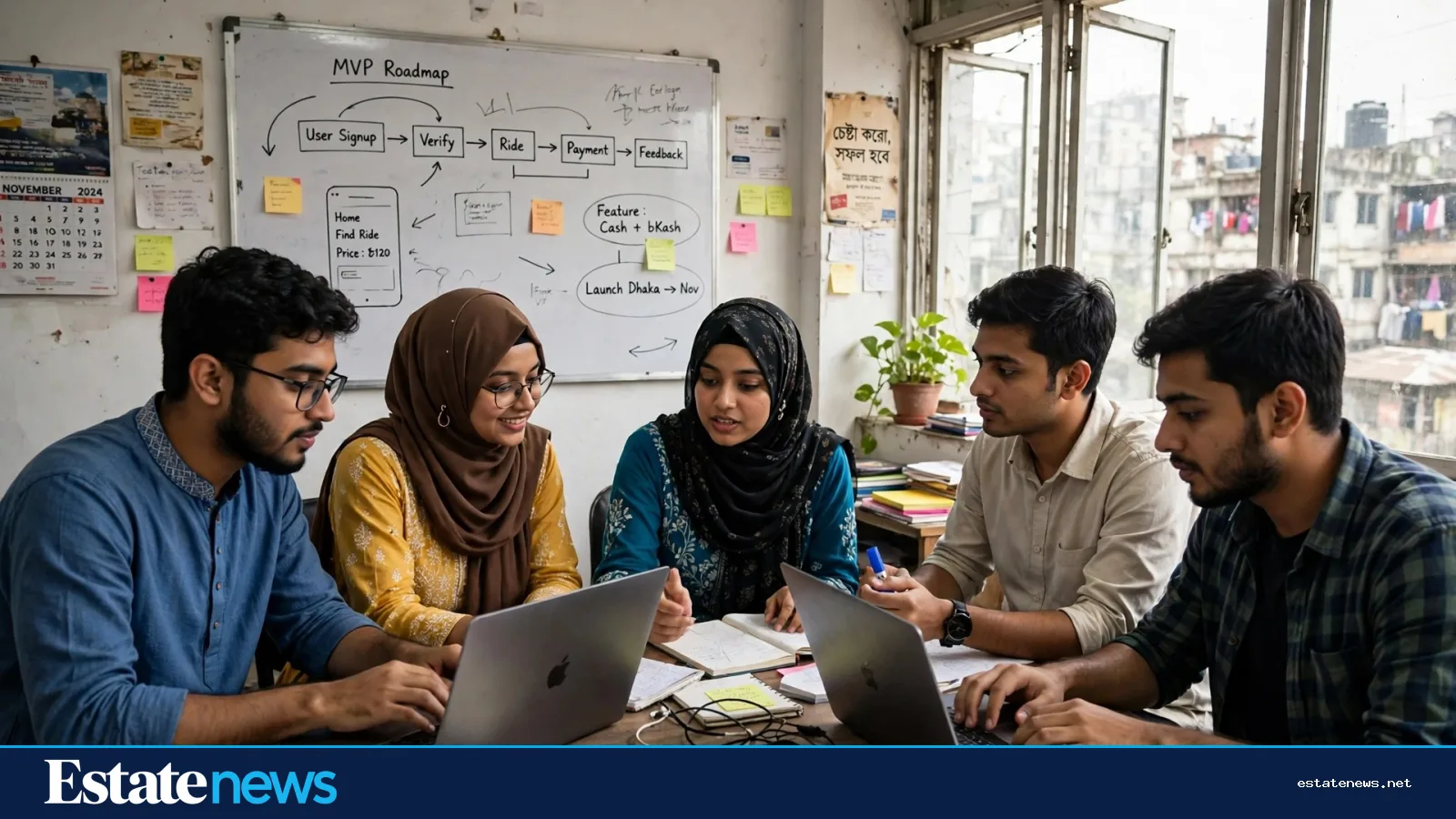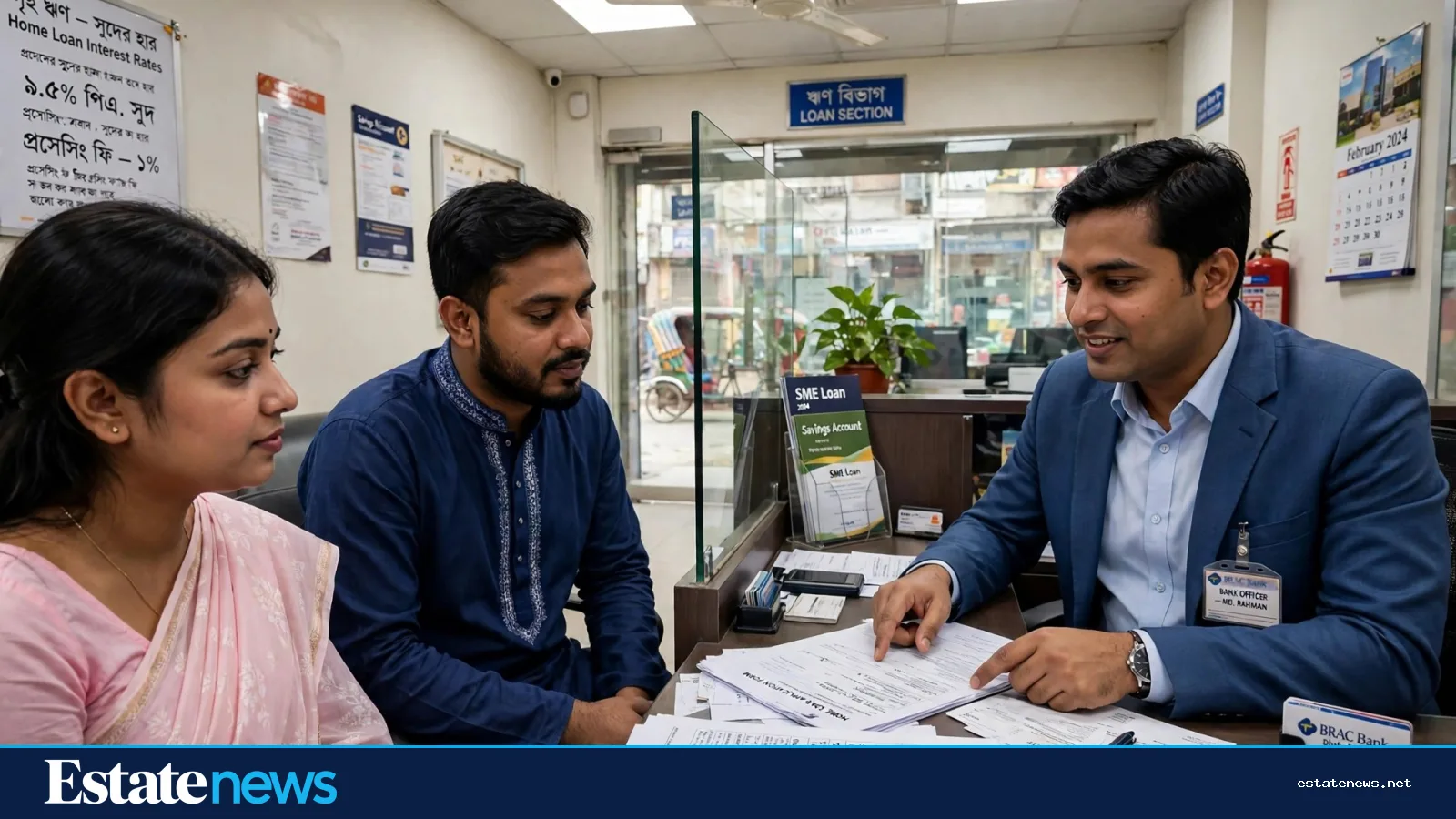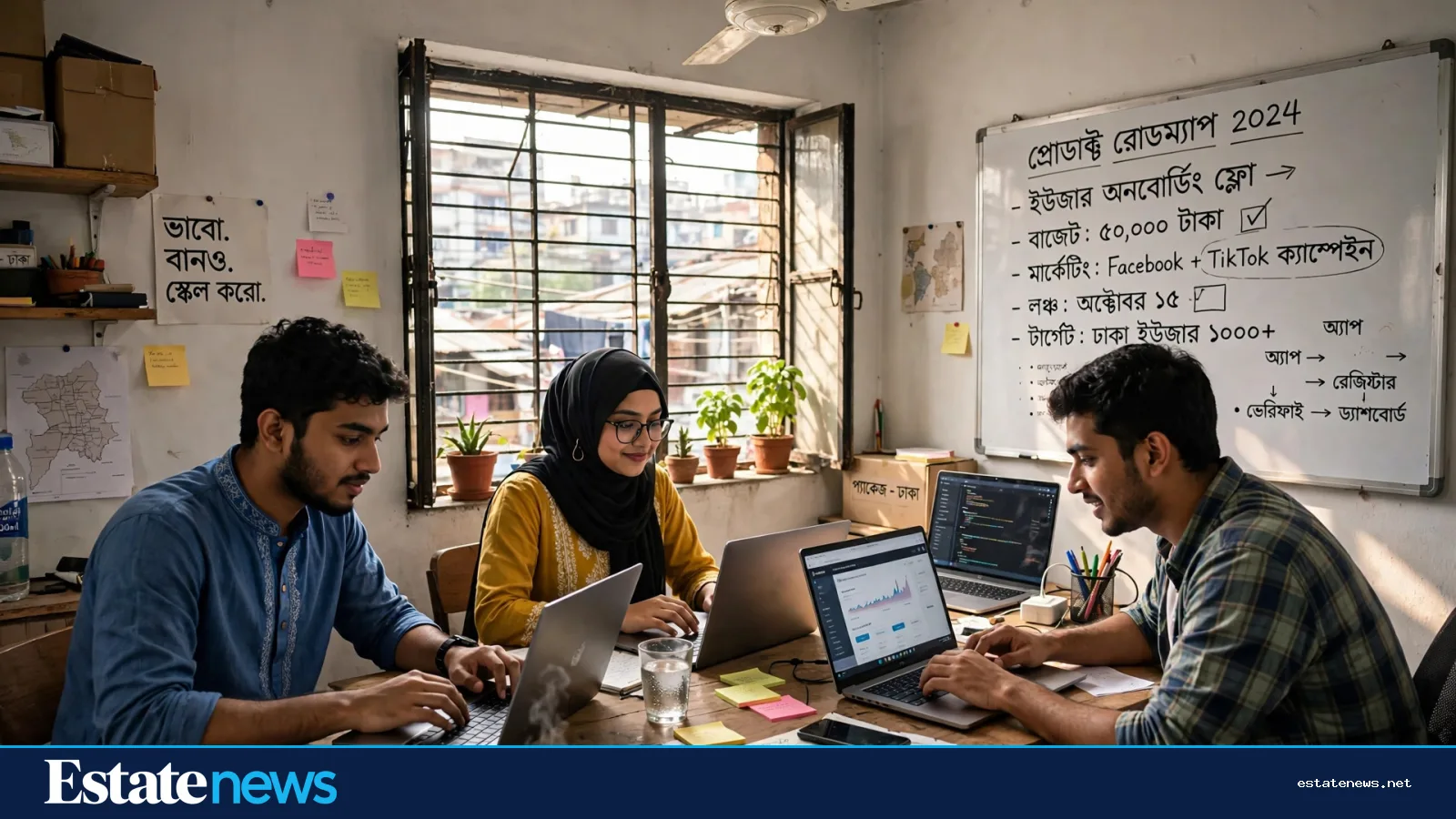
Every city has young founders with an idea and no money to build it. In Dhaka, that founder might be writing code for a property-listing app, or building a tool that tracks construction costs, or trying to rent out shared workspace. Bangladesh Bank has a fund for them. It is worth Tk 500 crore, it lends at no more than 4 percent interest, and two more banks signed up to offer it in January this year. NCC Bank signed its participation agreement with the central bank in early January 2026. Its managing director, M Shamsul Arefin, and Nawshad Mustafa, director of the SME and Special Programmes Department at Bangladesh Bank, signed at the central bank's headquarters in Motijheel, in the presence of Deputy Governor Nurun Nahar. Days earlier, SBAC Bank had signed its own agreement, with its managing director and chief executive, SM Mainul Kabir, and the same Bangladesh Bank director signing at the Jahangir Alam Conference Hall. Both banks can now disburse loans to eligible start-up founders using refinance money from Bangladesh Bank.
What the fund offers
The fund is a refinance scheme, which is a simpler idea than it sounds. Bangladesh Bank provides the money to the participating bank at a low cost, and the bank lends it onward to the founder. The founder deals with the bank, not with the central bank. The central bank has been active on several fronts this month: it also "doubled the overseas medical-treatment remittance limit to $30,000" on 9 November.

The terms were reset by a Bangladesh Bank master circular on 9 July 2025. Under it, a start-up can borrow between Tk 2 crore and Tk 8 crore, depending on its stage, up from a previous ceiling of Tk 1 crore. The interest or profit rate a founder pays is capped at 4 percent. The same circular removed the upper age limit for founders, which had once cut off entrepreneurs above 45. The fund is aimed at technology-driven, innovative and scalable ventures, which covers far more than software: a construction-tech firm, a proptech platform or a building-materials marketplace can qualify as readily as an app company. The scheme itself was launched on 2 September 2025, when 16 scheduled banks and four financial institutions signed participation agreements at the central bank's head office. NCC Bank and SBAC Bank joined that list in January. The fund's size has not changed since launch. What has changed is the number of doors a founder can knock on.
How a founder applies
There is no single application form at Bangladesh Bank. A founder approaches a participating bank with a business plan and the documents the bank asks for, and the bank assesses the venture and disburses the loan from the refinance money. That is the whole route. It also means the experience depends on the bank: how quickly it responds, what it asks for, and how it judges an early-stage business with little track record.


That is where the honest picture gets complicated. Central bank figures released in a press statement show that by 15 October 2026, about Tk 32.59 crore had been disbursed under the start-up financing scheme, with a further Tk 5 crore in process. Against a Tk 500 crore fund, that is a small share after more than a year. The money exists. Reaching it has been slow. Founders weighing a loan against other commitments can work out the monthly cost first with the "EMI calculator", which shows what a given borrowing costs month by month.
Why it matters for property and construction
Start-up finance is not a housing story at first glance. Look again and the connection is plain. The firms that could use this fund include the proptech companies that list flats, value land and match buyers with sellers, and the construction-tech firms that track material prices and project progress. Their staff rent flats and, in time, buy them. The small and medium enterprises that borrow alongside them employ the people who fill Dhaka's rental market.
The fund will not transform the housing market on its own. But cheap, patient money for young firms is one of the few levers that can grow the kind of employers a city needs. A founder with a working idea and a bank willing to listen has a genuine route to between Tk 2 crore and Tk 8 crore at 4 percent. That is a real offer. The test now is whether more founders find it, and whether more banks make it easy to reach.
This article is for information only. It is not financial advice.