
The headline number looks healthy. Bangladeshi startups raised $124 million across 12 deals in 2025, according to LightCastle Partners data reported by The Daily Star. Step back a little and the picture changes. One transaction, the $110 million ShopUp-Sary deal that created the SILQ Group, accounted for about 89 percent of the total. Take it out, and the rest of the country's startups shared roughly $14 million between them.
That is the shape of Bangladesh's startup funding in one statistic: real money, narrowly spread. Since 2010, startups here have raised roughly $1 billion across more than 450 deals, the same data shows. The pipeline exists. What it lacks is depth. A founder with a good product and a small team can still spend a year looking for a cheque that a founder in a deeper market would close in a quarter.
The concentration is not an accident. Investors put money where the exit looks visible, and in Bangladesh that has meant a handful of names with scale, revenue and a regional story. A logistics platform that can show trucks moving across districts, or a commerce platform with orders in the lakhs, reads as a safer bet than a new idea with no revenue yet. The result is a market where the top of the funnel is wide and the funding narrows fast.

What the state fund offers
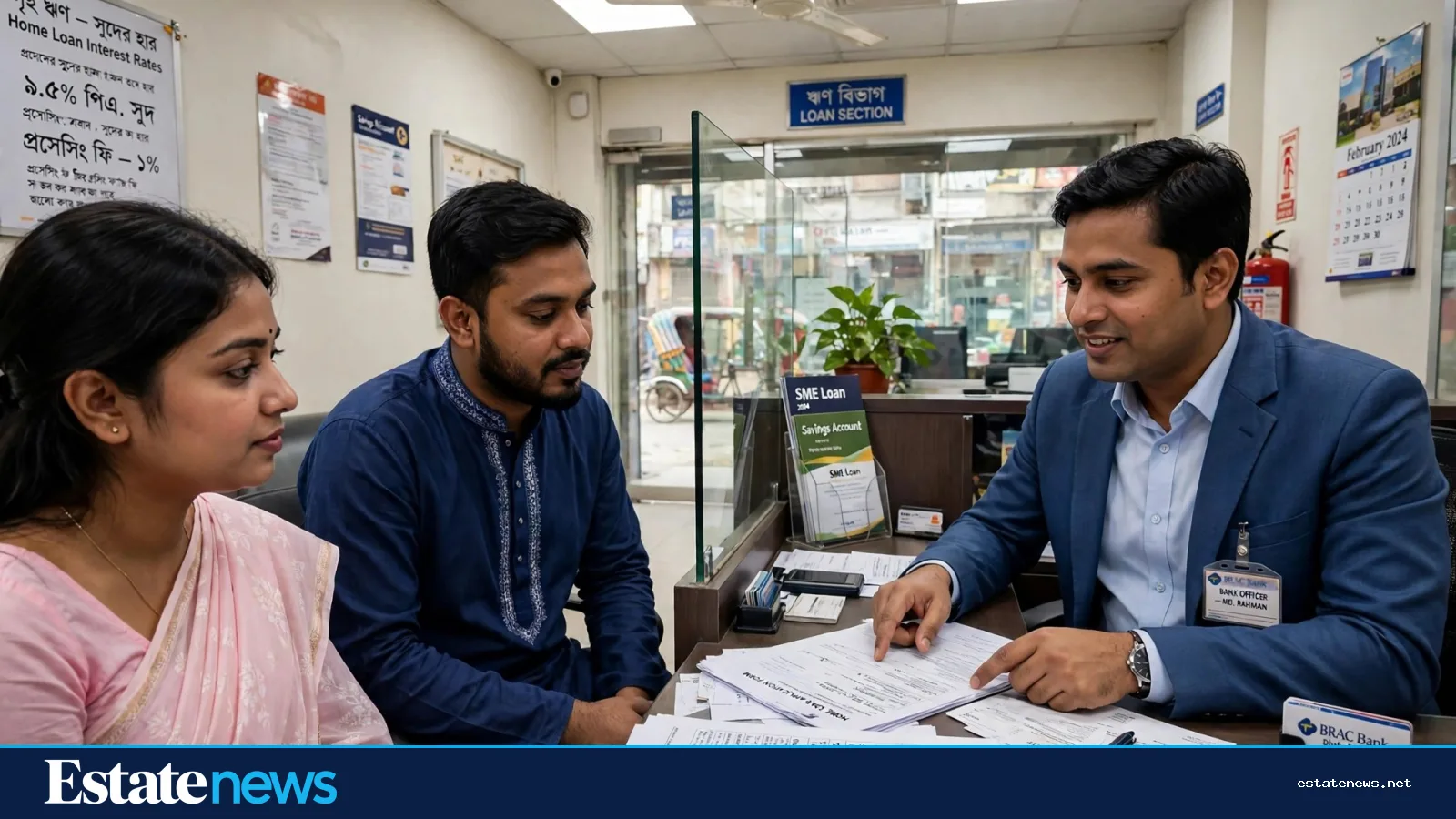
Bangladesh Bank's Tk 500 crore startup refinance fund is the public answer to that gap. Set up in 2021 and revised in 2025, it offers concessional lending through banks, with expanded limits and routes for equity investment added in the revision. Startup Bangladesh Limited, the government's venture arm, sits alongside it. A founder can borrow through the fund's channels rather than giving away equity at the earliest stage, which matters when the valuation on offer is low because the market is thin.
The fund's terms are worth reading in full before applying, and this portal has set out what founders can actually borrow, at what rates, and through which banks. The short version is that the money exists, the paperwork is real, and the founders who get through are the ones who arrive with accounts in order and a business that already earns something.
Where proptech fits


For readers of this portal, the relevant question is narrower: what does this mean for founders building property technology and construction technology? A proptech startup in Dhaka faces the same funding weather as any other startup, with one difference. Its customers, developers and brokers, are slow to pay for software, and its revenue arrives in small instalments. That makes the early years harder and the case for patient capital stronger.
The founders who break through tend to solve a problem a developer already pays to fix: finding buyers, tracking a project, managing a building's service charge. A tool that saves a developer money this quarter is easier to fund than a platform that promises a market in five years. Dhaka's builders are already tracking projects from a phone, as this portal has reported, and the developers who adopt those tools early are the ones a proptech founder should call first. The rules Singapore has set for its own developers show how a tighter market can still reward founders who build what the rules require. The ShopUp deal shows the other end of the scale. When a company reaches regional size, the money follows. The gap sits in between, in the years when a startup is too big for friends and family and too small for a $110 million cheque.
The gap that stays
The Daily Star's reporting on the funding data puts a name to the problem: patient capital. Money that waits years for a return, that backs a founder through the slow middle, is scarce here. Most local investors want a return on a timetable that a startup cannot meet. Foreign investors, who can wait, want scale before they commit. Caught between the two, founders either grow slower than their idea deserves or sell equity early at a price they regret.
None of this means the scene is standing still. Twelve deals in a year is a thin count, but the companies in those deals are real, the fund is lending, and the $1 billion raised since 2010 is a base to build on. The work ahead is unglamorous: more funds writing smaller cheques, more founders reaching revenue before they raise, and more patience from everyone holding the money. A startup scene is not built by one large deal. It is built by the fifty small ones that never make the headline.
This article is informational only, not financial advice.