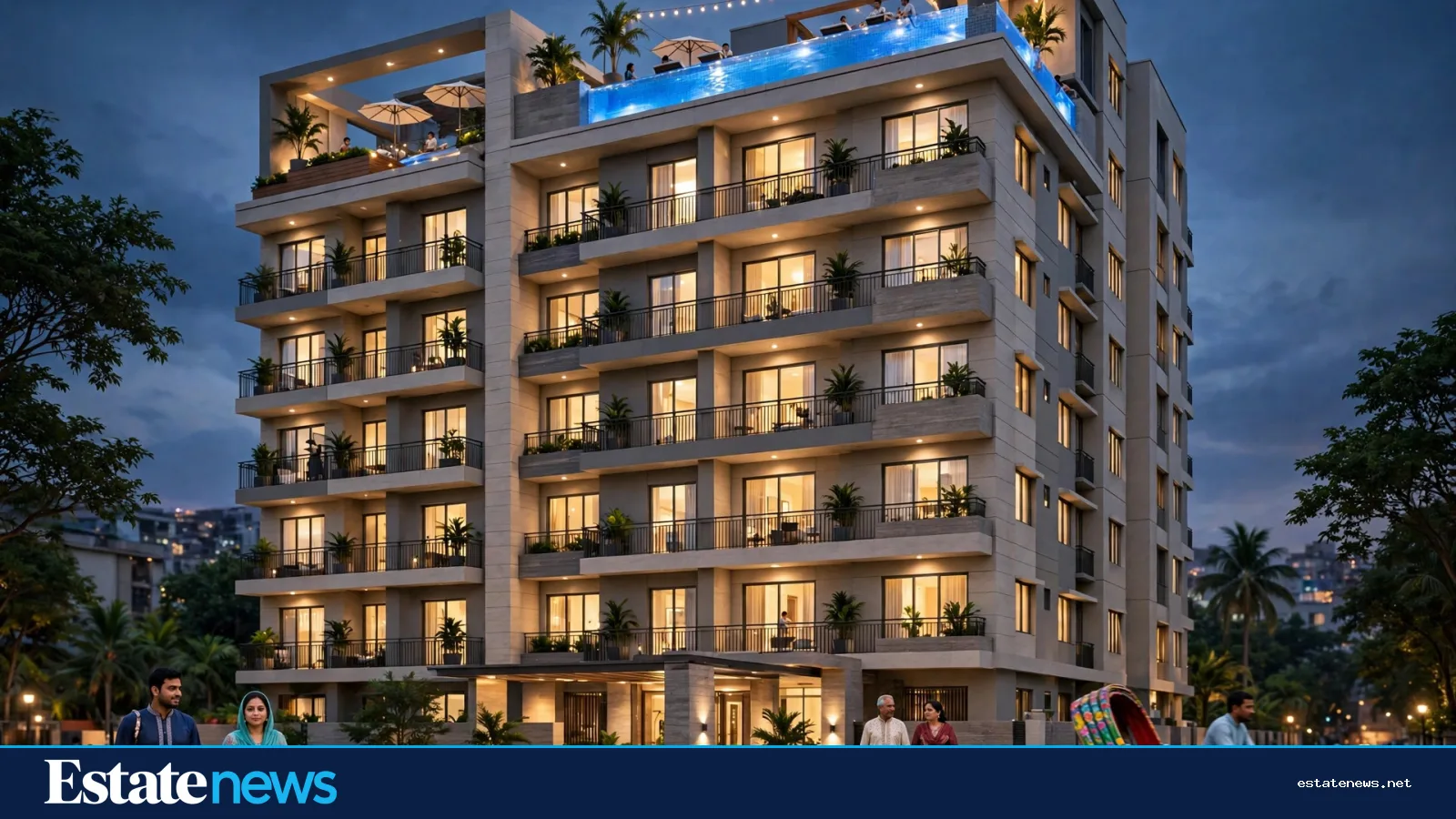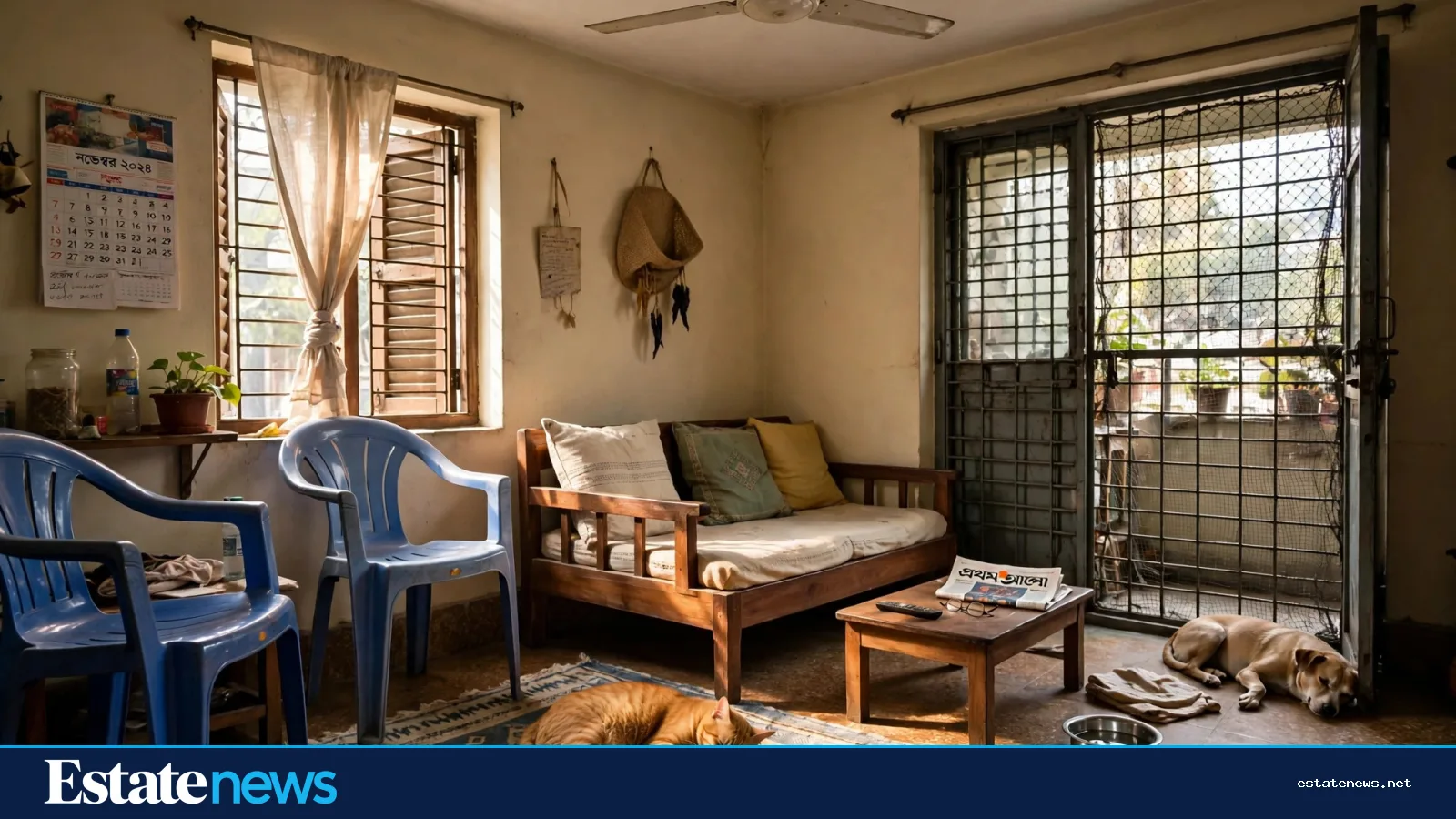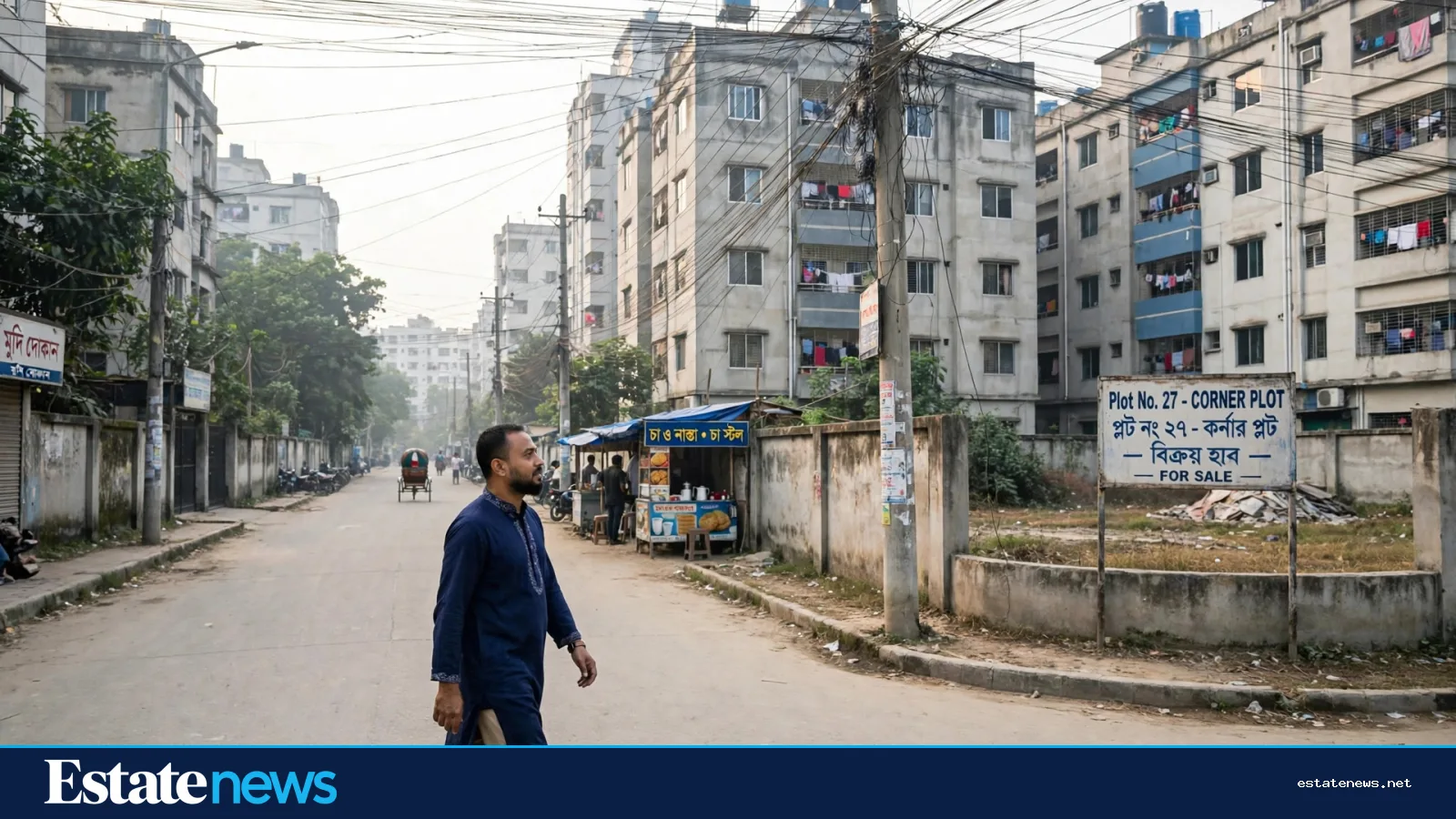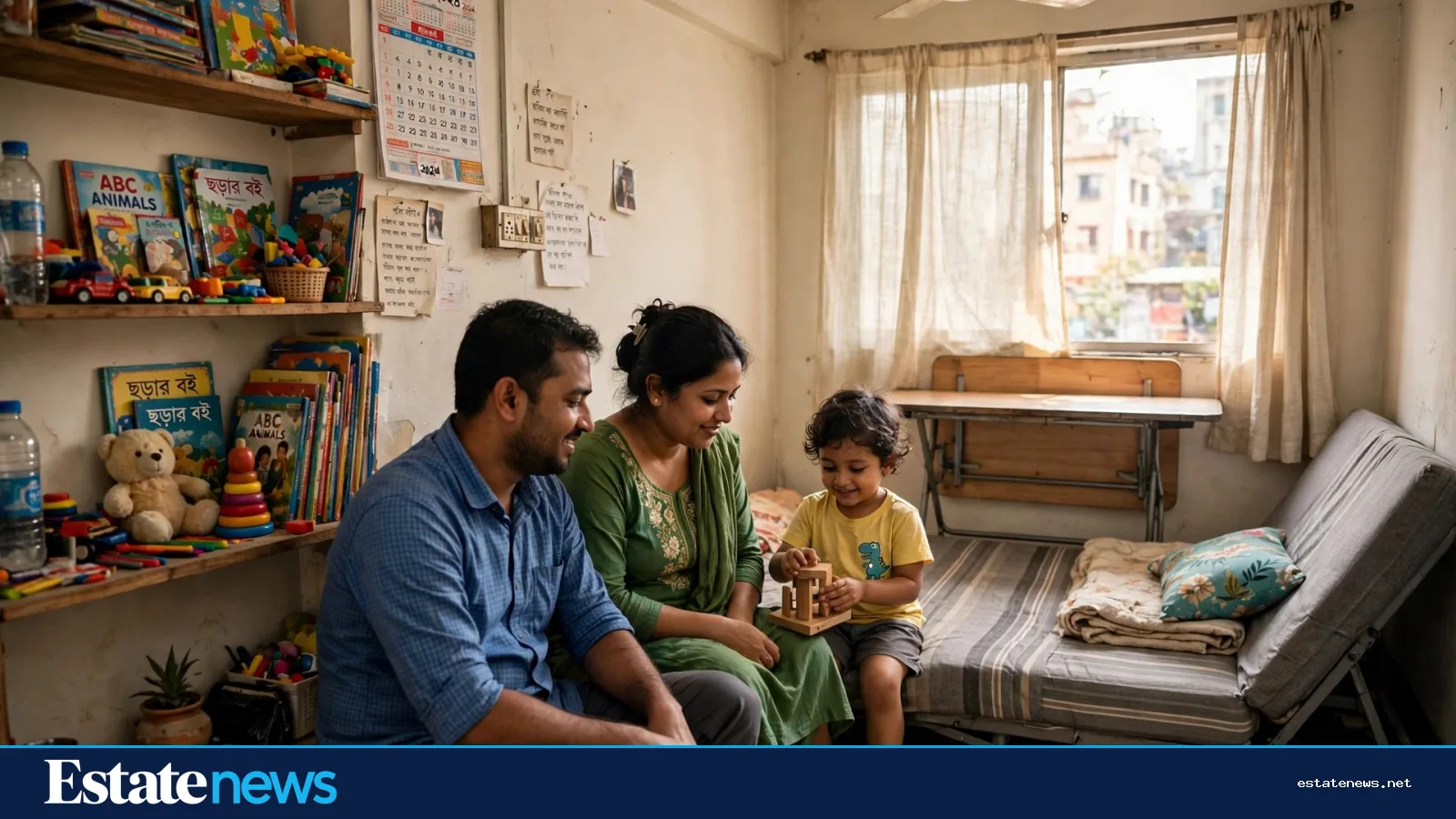
The flat was fine when they bought it. Two bedrooms, a drawing room, a small dining space, and a balcony where the evening air came in off the street. Then a child arrived, then a parent moved in, then the dining table needed to become a study desk. Nothing about the walls changed. Everything about the family did.
This is the ordinary squeeze of a Dhaka flat. Families grow inside the same four walls because moving costs money, time and the school admission that took a year to arrange. The answer, for a growing number of households, is not a bigger flat. It is a flat that changes shape.
Folding partitions do the heaviest work. A sliding panel between the drawing room and the dining space turns one long room into two in the evening, when a child needs quiet for homework, and opens it back up when guests arrive on Friday. The panels run on a ceiling track, fold flat against a wall, and cost far less than a brick wall that can never be moved again. In flats where the drawing and dining areas already flow into each other, a partition is the cheapest extra room a family will ever buy.

Furniture that works two jobs
The second change sits in the furniture. Hatil's SmartFit range, made for Bangladeshi homes, covers the pieces Dhaka families reach for first: sofa beds that turn the drawing room into a guest bedroom, folding study tables, and dining tables that shrink after the meal. The company's own listings describe sofa beds that convert with a simple unfold, and study tables that fold into a bed or a storage unit. Prices reported in June 2026 started near Tk 27,500 for a sofa bed, Tk 38,200 for a study table that doubles as a bed, and Tk 37,800 for a foldable dining table. A simpler storage bed can start near Tk 15,000, and fold-out dining tables have been reported from Tk 8,000 to Tk 20,000.
Sencillo, another local maker, builds modular sofas and fold-out desks with Dhaka's tight corners in mind, according to trade coverage of the city's furniture market. Local carpenters offer custom-built pieces too, often at lower rates than the branded showrooms, and for a family with an oddly shaped room that can matter more than a brand name. The point is the same either way: one piece of furniture, two jobs, no extra square footage.
One room, three uses


The children's room is where flexible design earns its keep. A bunk bed frees the floor for play in the afternoon and sleeps two at night. A desk that folds up against the wall leaves room for a prayer mat or a sewing machine. Shelves that run up to the ceiling hold the books, the winter blankets and the boxes of outgrown clothes, so the floor stays clear for the things a child actually does in a room. The same thinking applies to the rest of the flat. A home that welcomes pets needs the same hard floors and washable fabrics, as this portal's guide to pet-friendly design for Dhaka flats shows, and a family choosing between areas can check what the same budget buys across the city before deciding how much space it really needs.
Parents face the same puzzle in reverse. A room that served as a nursery becomes a study when the child starts school, and a study becomes a bedroom again when an elderly parent moves in. A family that plans for this from the start buys furniture on castors, keeps one wall free of fixed shelves, and avoids built-in cabinets that lock a room into a single use. Renters should skip permanent fixtures altogether and choose freestanding pieces that move when the lease does.
What to check before you buy
Flexible furniture fails in predictable ways, and each one can be checked in the showroom. Open and close the mechanism ten times, not once. A sofa bed that sticks on the third fold will stick every night. Sit on it as a bed, not only as a sofa. A study table that doubles as a bed needs a mattress the buyer can actually sleep on, not a board with a cushion.
Measure the room twice. A dining table that folds sounds small until it is open, and a partition that slides needs a clear run of wall. Ask the maker what the hinges, tracks and gas lifts cost to replace, because the moving parts wear out first. And keep the flat's own rules in mind: a partition that blocks a window cuts the light for the whole room, and a bunk bed under a ceiling fan needs clearance a showroom never shows.
Dhaka's flats will keep getting smaller per person as families grow inside them. The families that stay comfortable are not the ones with the most rooms. They are the ones whose rooms refuse to do only one thing.