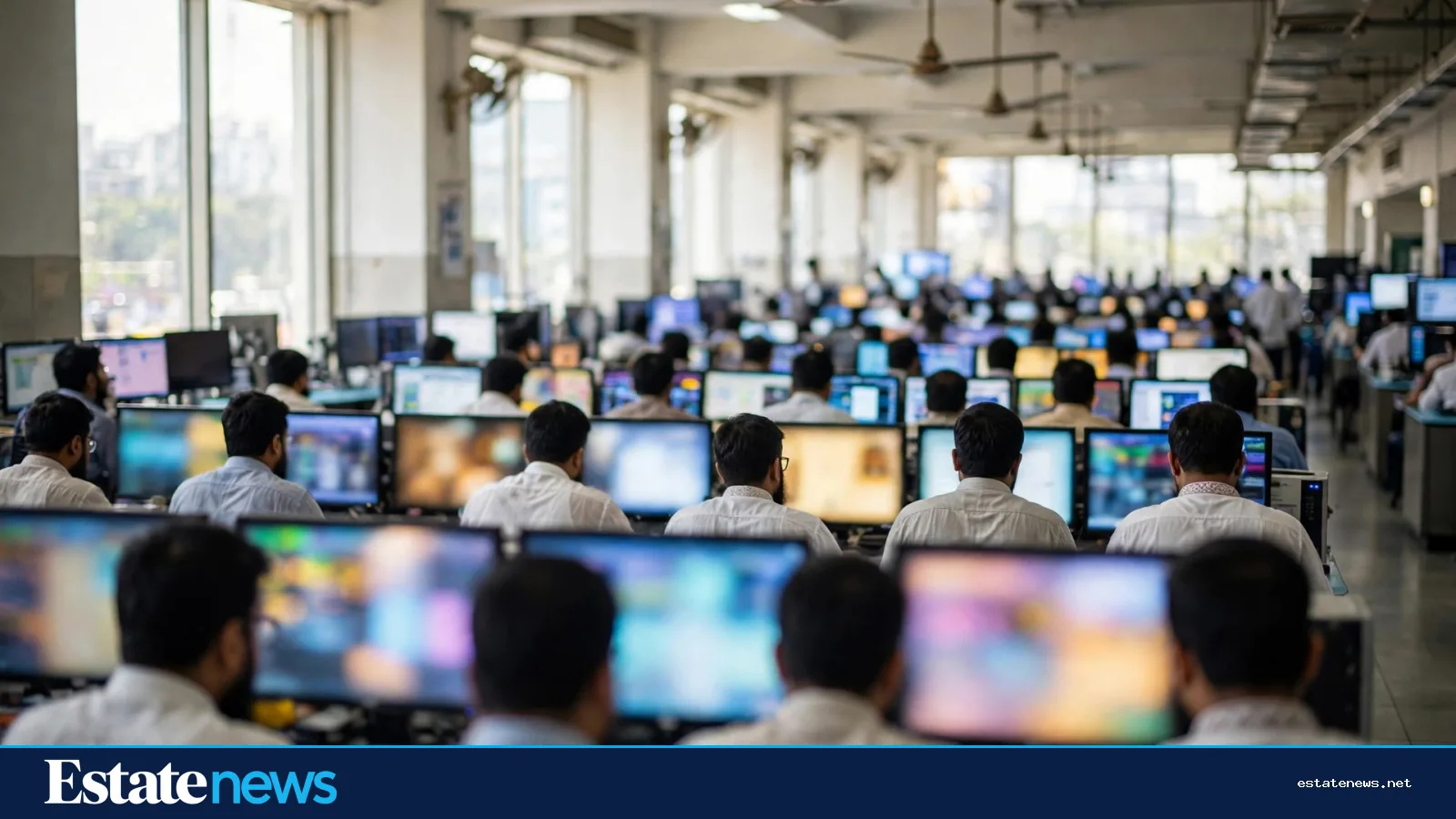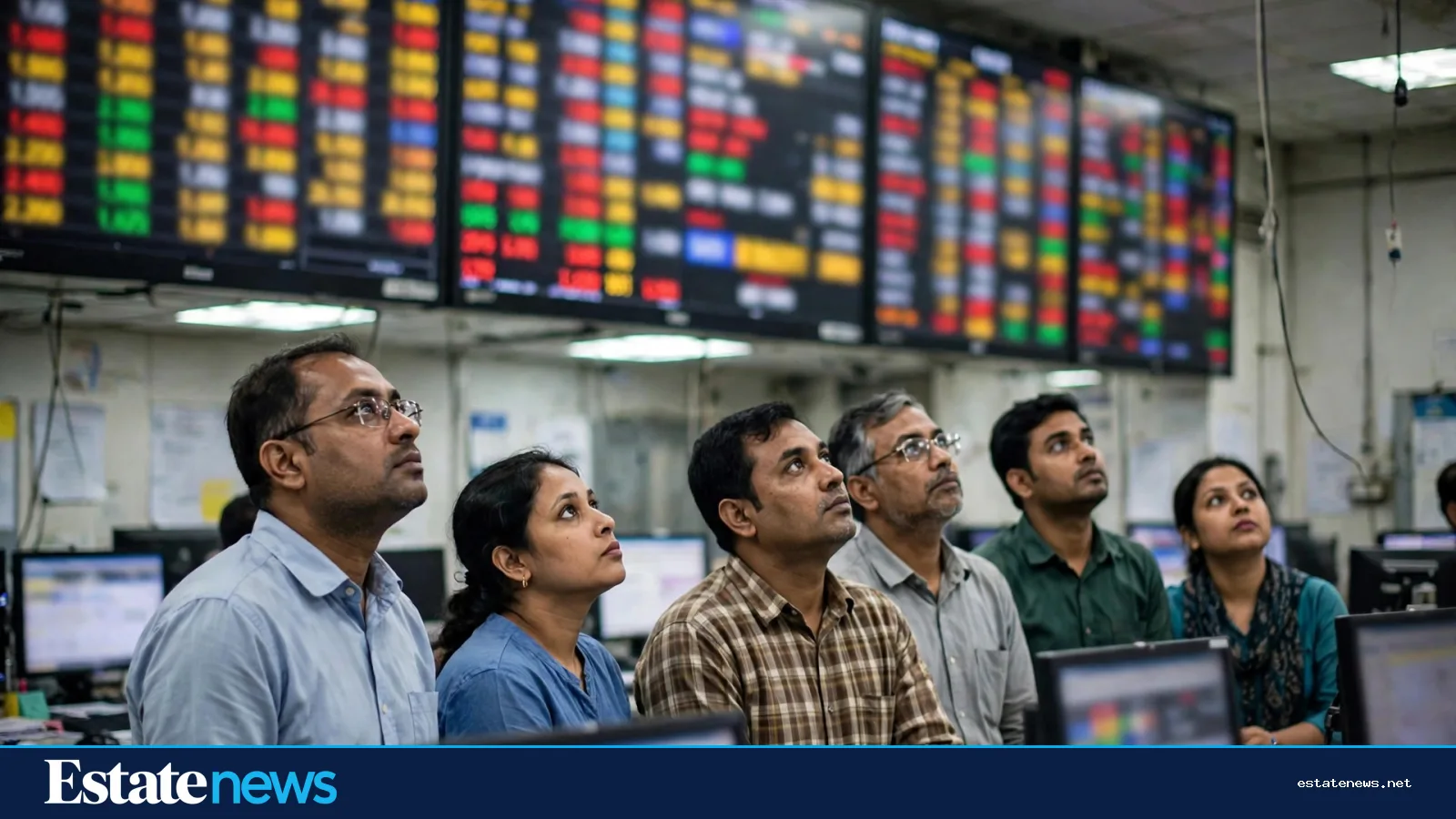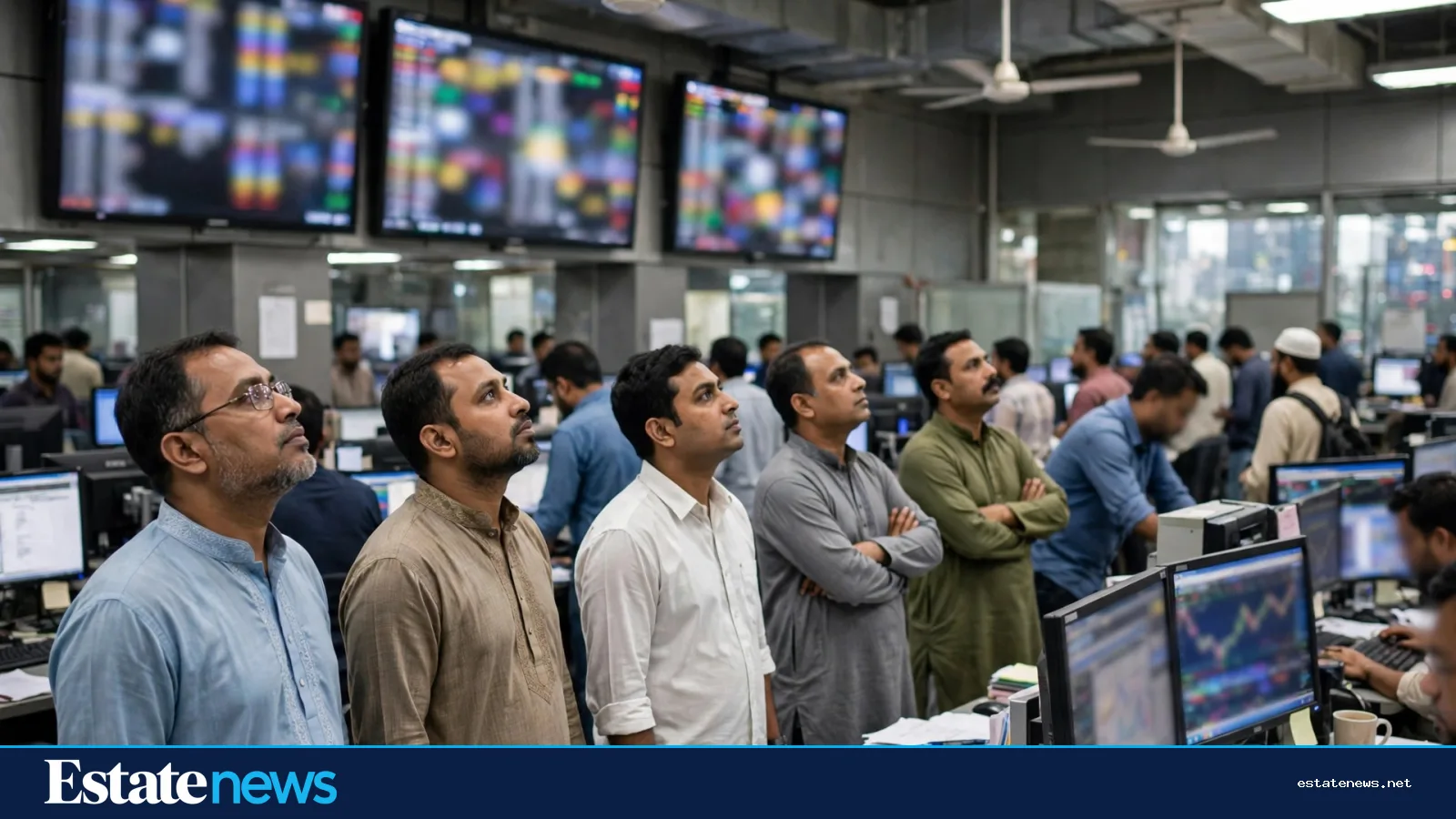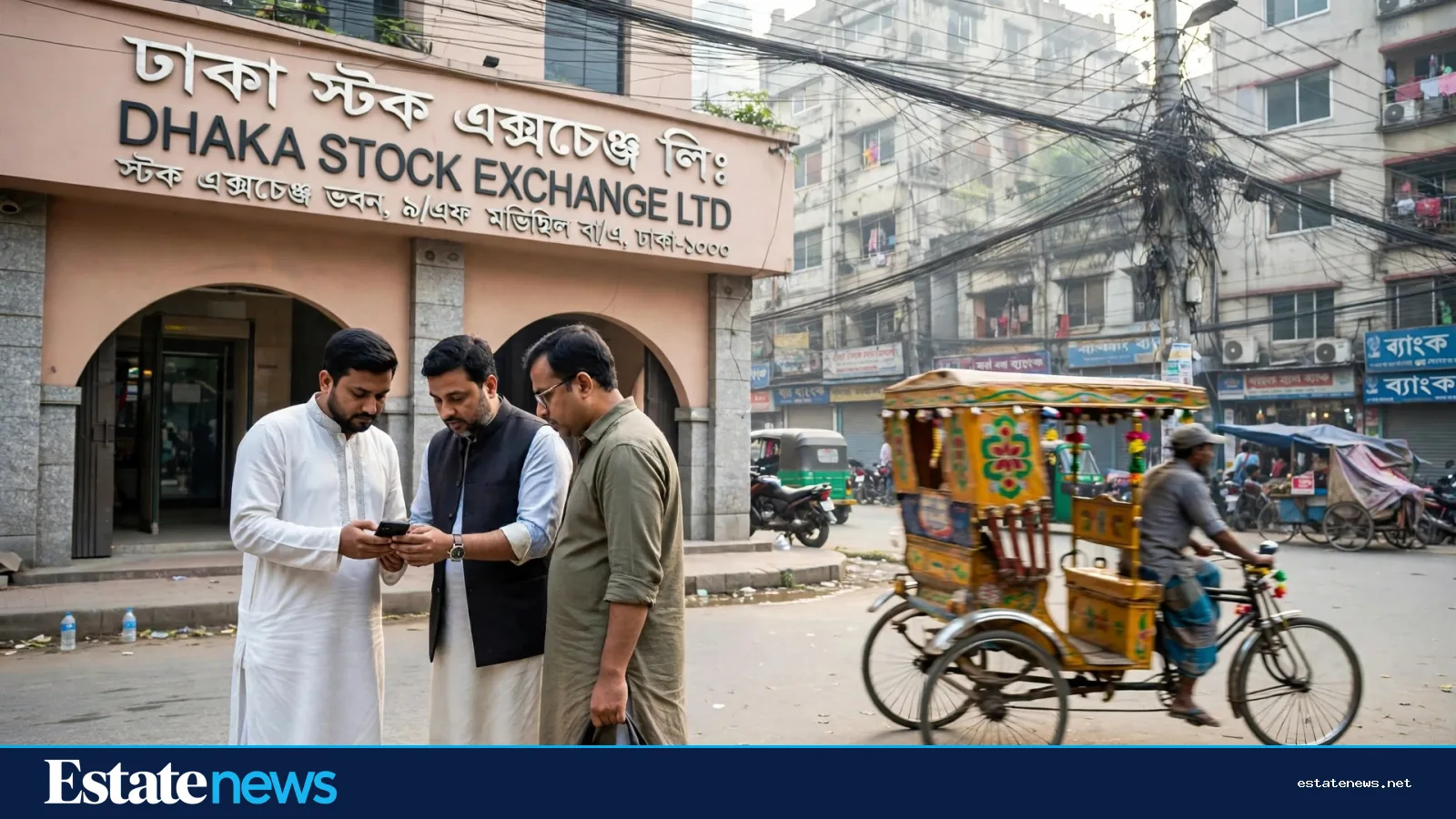
The Dhaka Stock Exchange rose for a second straight session on Wednesday, and this time the trading told the story as much as the index did. The DSEX closed at 5,445.06, up 8.32 points or 0.15 percent, after a 43.92-point gain on Tuesday took it to 5,436.74. Two gains in a row do not make a rally, but after the two-session slip that preceded them, the market has at least stopped falling.
Turnover carried the better news. Trading value reached Tk 757.70 crore on Wednesday, up 15.1 percent from Tk 658.50 crore the day before, according to market reports. It was the highest turnover since 23 September, a seven-week high. More shares changed hands, which means more investors were willing to buy at current prices rather than wait for lower ones. The buying was described as bargain hunting in battered shares, the kind of trade that appears when prices have fallen far enough for some investors to see value.
The immediate trigger came from the regulator. The Bangladesh Securities and Exchange Commission extended regulatory relief for capital-market intermediaries, a move that eased pressure on brokers and merchant banks. Relief of that kind does not change what a company earns, but it changes how freely its shares can trade, and in a thin market that can be enough to turn a session green. The relief arrived after weeks in which turnover had drifted lower, so its timing mattered.

Caution still belongs in the reading. Tk 757.70 crore is a seven-week high, yet it is a modest sum for a market of this size, and two sessions are a short run. The index has climbed back only part of what it lost in the earlier slip, and investors who bought at higher levels are still waiting. A family watching the market with savings set aside for a flat should read the two gains the way a careful buyer reads a price list: as a sign, not a verdict. The direction has improved. The strength of the move has not yet been tested by a week of steady trading.


What the follow-through looks like is simple to state and hard to guarantee. Turnover needs to stay above the recent range instead of falling back the moment prices tick up. Buying needs to spread beyond the cheapest battered shares into companies with earnings behind them. And the regulator's relief needs to be followed by the slower work of restoring confidence, the kind that brings back the retail investors who have sat out the recent sessions. None of that is visible in two days of data.
The property link is closer than it looks. Households in Dhaka hold a large share of their savings in shares, and the value of that holding decides, for many families, whether a flat booking this year is possible or must wait. When the market falls for weeks, bookings slow, because the down payment money has shrunk. When it steadies, some of those plans return. A second straight gain does not put money back in anyone's account, but it stops the erosion, and for a family weighing a booking, that pause can be the difference between waiting and acting.
For now the market has given investors two green sessions and a turnover figure worth noting. The test comes in the days ahead: whether buyers return a third and fourth time, and whether the buying reaches beyond the bargains. A stronger signal would be a week in which turnover stays high even on days the index barely moves, because that would show investors are buying for the longer term rather than chasing a two-day bounce. Until then, the recovery is real but small, and a household should treat it as a reason to keep watching, not as a reason to rush a decision either way. Readers can follow the daily picture in our market wrap, and the earlier slide that set up this recovery is covered in our report on the two-session fall.