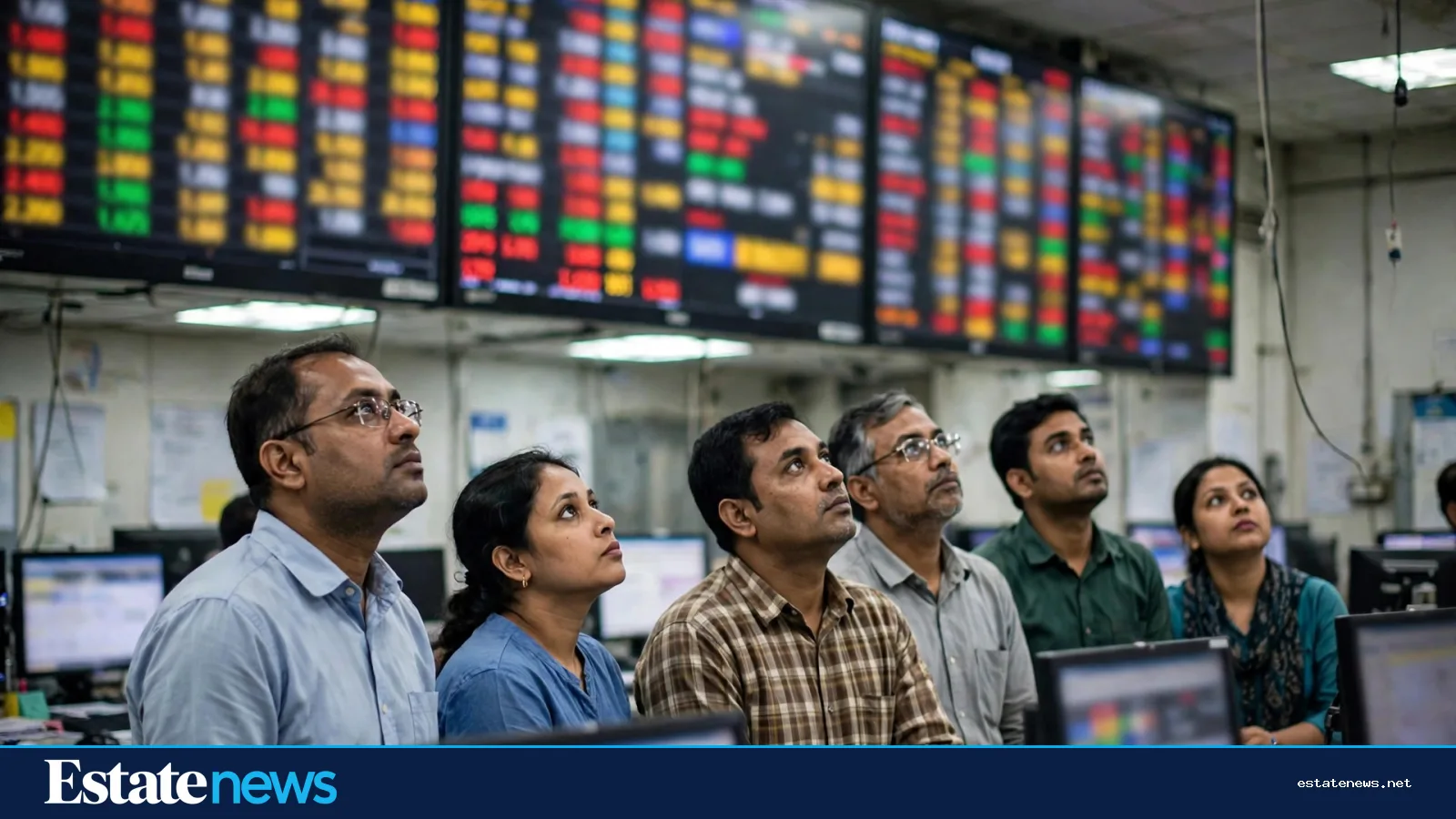
The Dhaka Stock Exchange slipped for a second straight session on Monday, and the fall was small enough to read two ways. The DSEX, the exchange's main index, fell 9.87 points, or 0.18 percent, to close at 5,392.82, according to tob.news. It was the second fall in a row after a 10.35-point drop to 5,402.69 on Sunday. The index has slipped below 5,400 before, and the last such slide came with selling across the board. Across the two sessions, the market gave back 20.2 points.
That is not a rout. It is a pause, and the context matters. The index had gained 71.4 points on Thursday 5 November, so Monday's close still leaves the market well above where it stood before that jump. A household watching the market for signs about its savings should see the two-day slip for what it is: a pullback after a strong day, not a change of direction on its own.
Turnover told a livelier story than the index did. Trading value rose 17.2 percent to Tk 654.7 crore on Monday, which means more shares changed hands even as prices drifted lower. When turnover rises on a down day, buyers and sellers are both active, and the market is arguing with itself rather than quietly sliding.

Fuel and power drew the clearest buying interest. Turnover in the sector jumped 55 percent to Tk 96.8 crore. Textiles stayed the market's largest contributor, with Tk 138.8 crore changing hands. The two other headline indices moved with the main one: the DS30 and the DSES both fell 0.43 percent.
Why a flat buyer should care, and why not too much
A Dhaka family saving for a flat usually holds its money in more than one place. Some of it sits in a bank. Some of it may sit in shares. Some of it arrives from a relative abroad. When the stock market falls two days in a row, the shareholding part of that pot shrinks a little, and the family feels a little further from its down payment. That feeling is real, even when the numbers are small.


The honest scale of it matters. A 0.18 percent fall on the DSEX trims a share portfolio by a fraction, not by a chunk. A family with Tk 10 lakh in shares loses about Tk 1,800 on a day like Monday. That is money, and nobody likes losing it, but it does not decide whether a flat is affordable. The forces that do decide it are home loan rates, the asking price of the flat, and the family's monthly income. The stock market moves around the edges of that decision.
There is a steadier backdrop underneath the two-day slip. Remittances have stayed firm, with $1.13 billion arriving in the first eight days of November alone, according to Bangladesh Bank data, and exports have held up through the autumn. Those flows are the money behind a large share of flat and land purchases in Dhaka, and they give households a firmer footing than any single session on the exchange.
What to watch next
The next few sessions will show whether Monday was a pause or the start of a longer drift. A third fall on heavier selling would say more than two small ones. A rebound on rising turnover would say the opposite. The last market wrap found the same pattern, lower stocks with exports and remittances giving households firmer ground. Neither outcome would change the price of a flat overnight. Property moves slowly, and a buyer who is ready to sign should weigh the flat in front of them, the loan terms on offer, and the papers behind the building, rather than the index on any single day.
For households still saving, the practical lesson of a two-day slip is an old one. Money earmarked for a down payment within the next year or two should not be riding on daily market moves. Money that can wait longer can afford to ride them out. The difference between those two pots is the difference between a setback and a scare, and Monday's session, small as it was, is a useful reminder to keep them separate.
The market will open again tomorrow, and the index will move again. The flat a family wants will still be there, at the price its seller is asking, and the decision will still come down to the same three questions: what it costs, what the loan costs, and whether the papers are clean. Two down days do not change those questions. They only make the answers worth checking once more.