Nine names now sit in a club that did not exist a year ago. Meghna Group of Industries, PRAN-RFL, Youngone, Abul Khair, Square, BSRM, TK Group, Khair Kashem and Ha-Meem each crossed $1 billion in combined import and export trade in FY2024-25, according to data from the National Board of Revenue reported by Prothom Alo on 9 November. Together, the nine groups traded $14.55 billion in the year, with imports of $9.83 billion. That is about 11 per cent of the country's total trade of $119.33 billion.
Around 600,000 people work for the nine groups. That number is the one that matters most for housing. Six hundred thousand salaries become rent in Gazipur and Narayanganj, deposits on flats in Mirpur and Uttara, and monthly instalments on home loans across the country. A factory job that pays on time is the foundation of a flat purchase, and nine groups of this size employ a small city.
City Group dropped out of the list after its trade fell 41 per cent. The club is not a lifetime membership. It is a snapshot of one year's trade, and a group can leave it as fast as it entered. That is worth remembering before anyone treats the list as a ranking of strength. It measures the volume of trade, not the profit on it, and a group that imports heavily can cross $1 billion without earning heavily.

What BSRM's place in the club signals
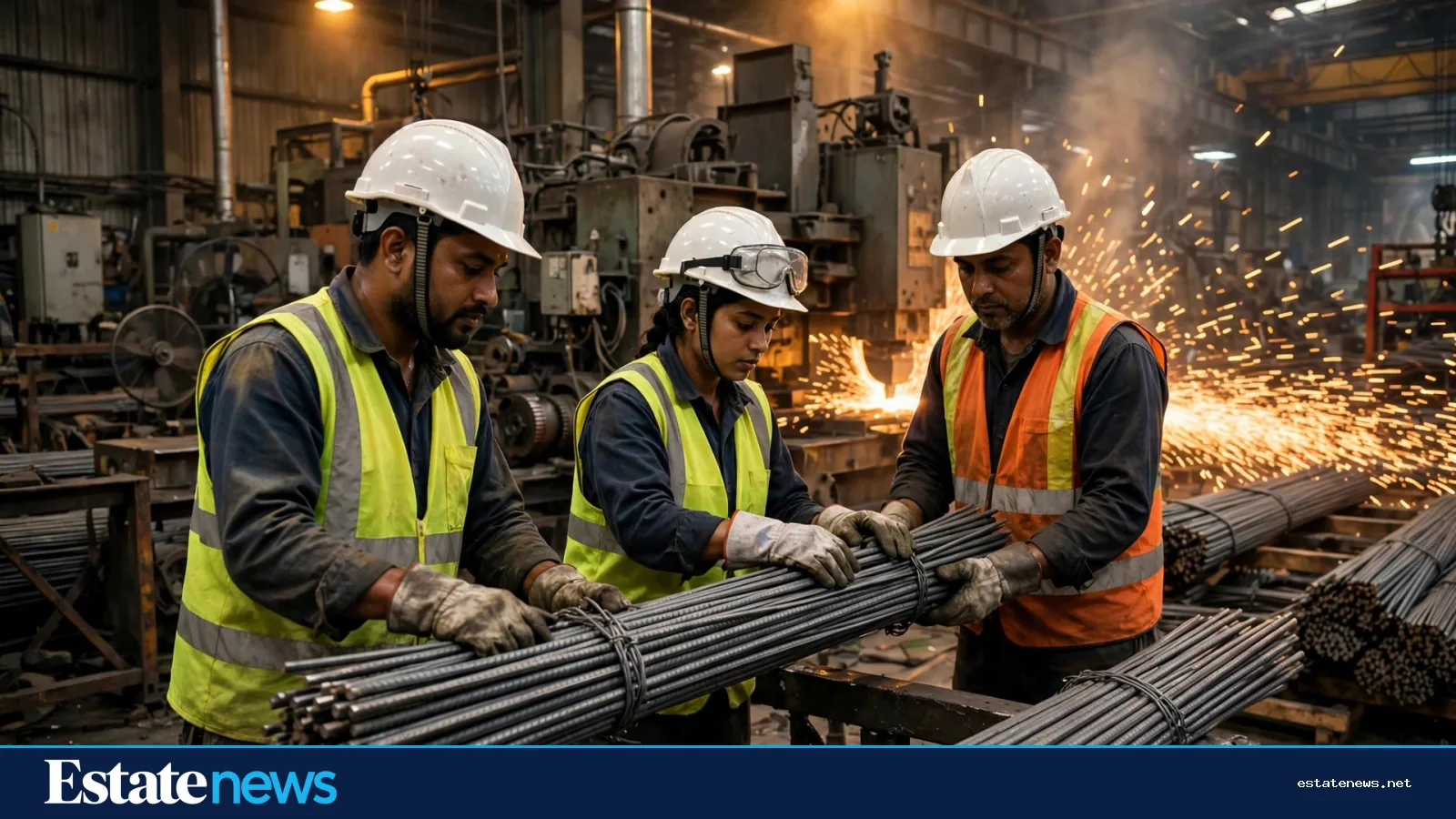
BSRM is the name on the list that speaks most directly to housing. It makes steel rods, and steel rods hold up every concrete frame in Dhaka. The price of rod is a building-cost signal that every developer and every self-builder watches. Higher-quality rod sells at about Tk 93,500 a tonne, within a published range of Tk 92,500–94,500, according to data carried by The Financial Express on 10 October. Cement sits at about Tk 560 a bag, within a range of Tk 540–580. These are indicative prices, not fixed rates, but they set the tone for the month.
A steel company trading at this scale has buying power for raw material and room to keep its mills running through a slow quarter. That steadiness matters to builders, who need rod delivered on schedule rather than in fits and starts. A mill that stops and starts is a project that stops and starts, and a project that stops and starts is a handover that slips.
The club also tells a story about where the trade sits. Imports of $9.83 billion against total trade of $14.55 billion show that these groups bring in far more than they send out. That is the shape of Bangladesh's industry: raw material and machinery come in, finished goods go out, and the gap is paid for by the exports of garments, food and pharmaceuticals. The groups on the list are the ones that move that trade, and their factories are the ones that employ the workers who buy homes.


Factory towns feel it first
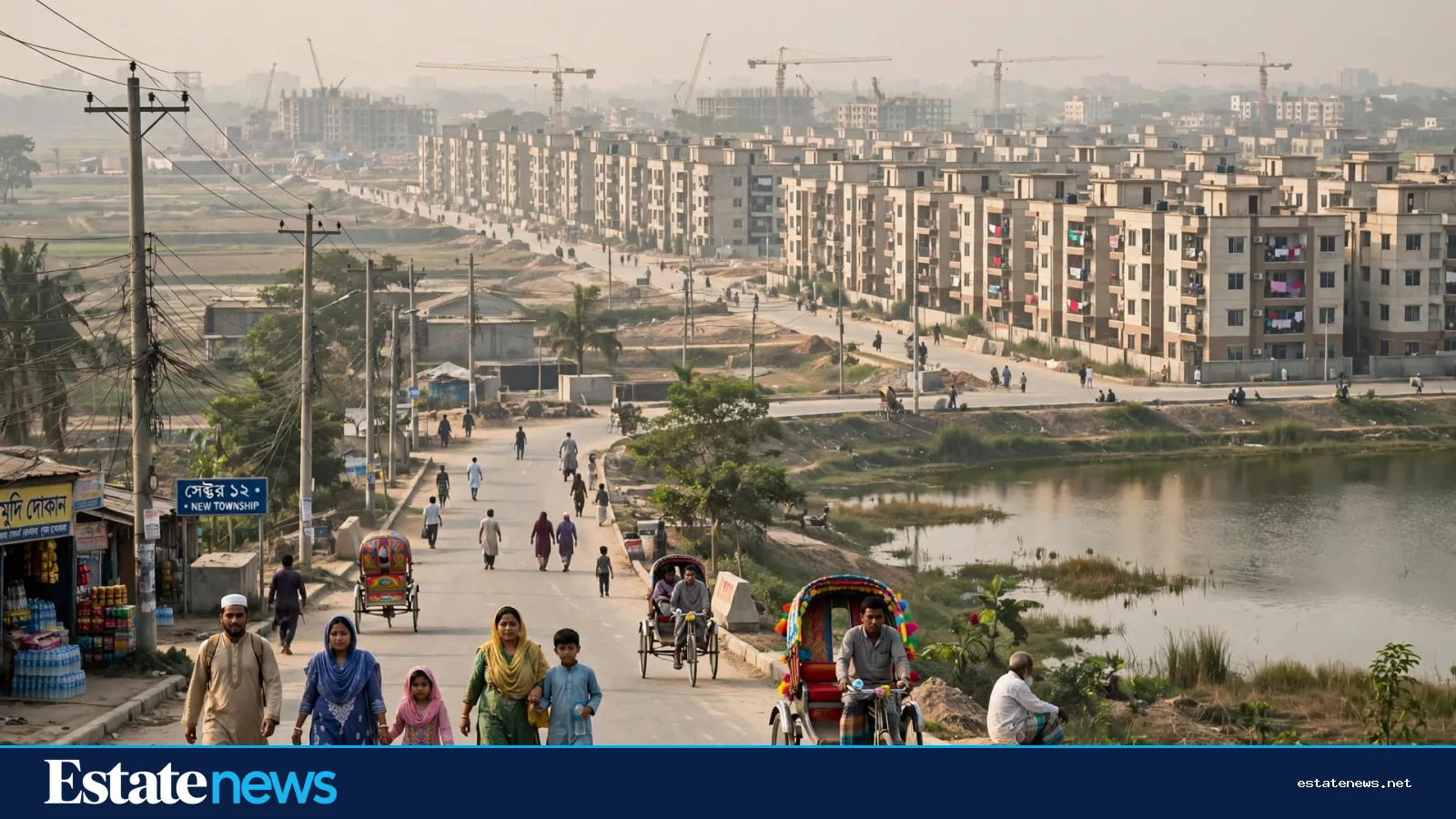
The housing effect of industrial earnings shows up first in the factory towns. Gazipur, Savar, Narayanganj and Chattogram house the workers, and their rents and land prices move with the factories' fortunes. When a group expands a plant, workers arrive, and rooms near the gate fill up. When a plant slows, the rooms empty. The link is direct, and it is faster than any change in Dhaka's premium market.
For a family in one of these towns, the billion-dollar figure is less important than the pay slip. A worker earning a steady wage can plan a deposit over three or four years. A worker on irregular overtime cannot. The wage board's current debate over a Tk 32,000 minimum wage for garment workers is part of the same picture: wages decide what factory families can pay in rent, and whether a flat of their own is in reach. The industrial groups and the wage debate are two sides of one housing story.
Reading the club with care
There is a temptation to read the billion-dollar club as proof that industry is booming. It is proof that trade is large, and that nine groups move a large share of it. It is not proof that profits are high, that jobs are secure, or that flat prices will rise. The groups on the list import more than they export, and their margins depend on exchange rates, energy prices and the cost of raw material. A rise in the dollar or a jump in fuel prices can squeeze them as fast as a rise in sales can help them.
For a homebuyer, the useful reading is simpler. Industrial earnings pay salaries, and salaries pay deposits. The nine groups employ about 600,000 people, and their trade keeps factories running. A buyer in a factory town should watch the factories, not the club. A buyer in Dhaka should watch the steel price, because the cost of building moves with the rod price, and the rod price moves with the mills.
BSRM's place in the club is a milestone for a steel company that has grown with Dhaka's skyline. The story of its record year is told elsewhere on this site. The club itself is a wider story: nine groups, $14.55 billion of trade, and 600,000 jobs behind it. The homes those jobs pay for are the real measure of what the number means.