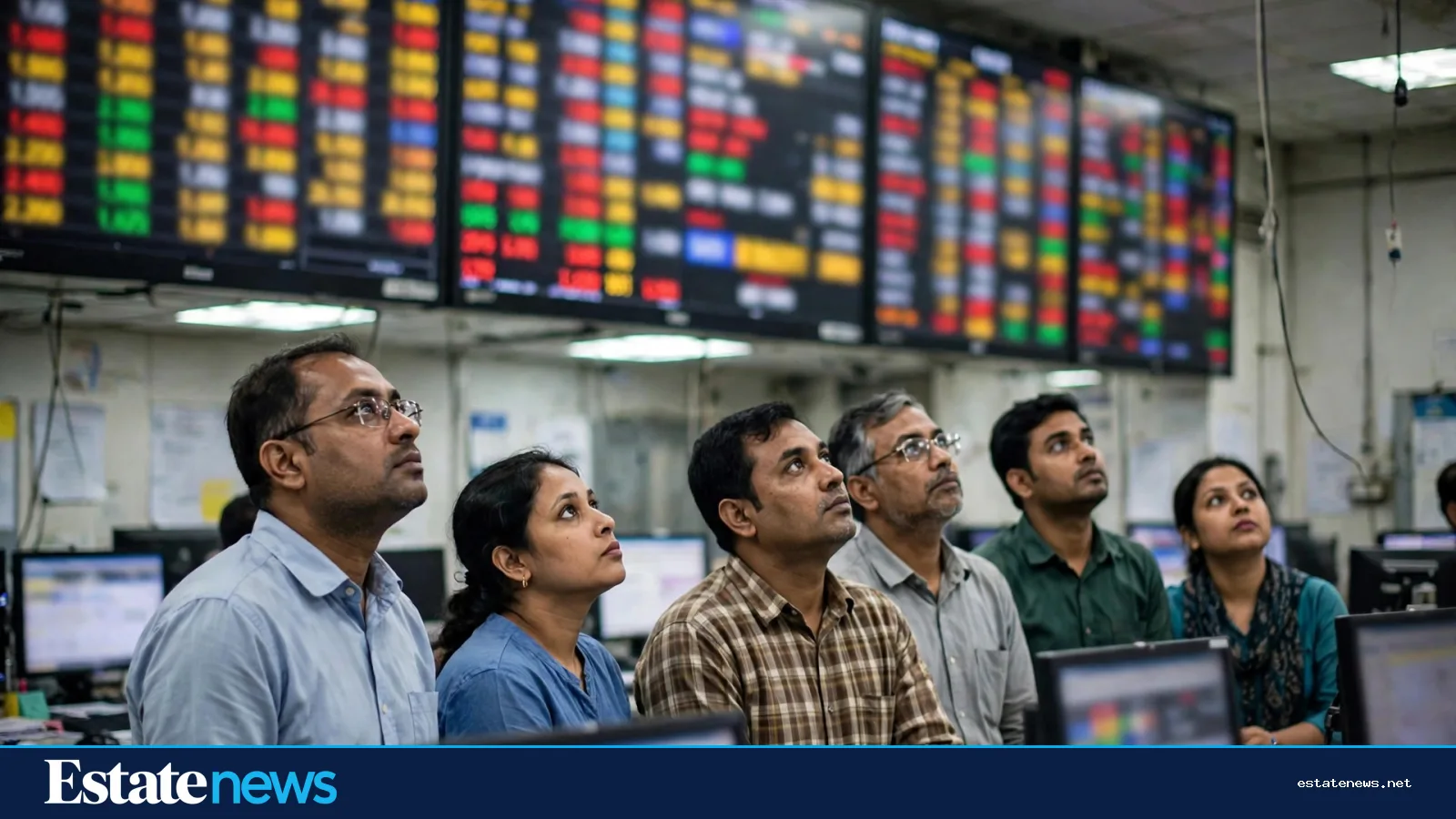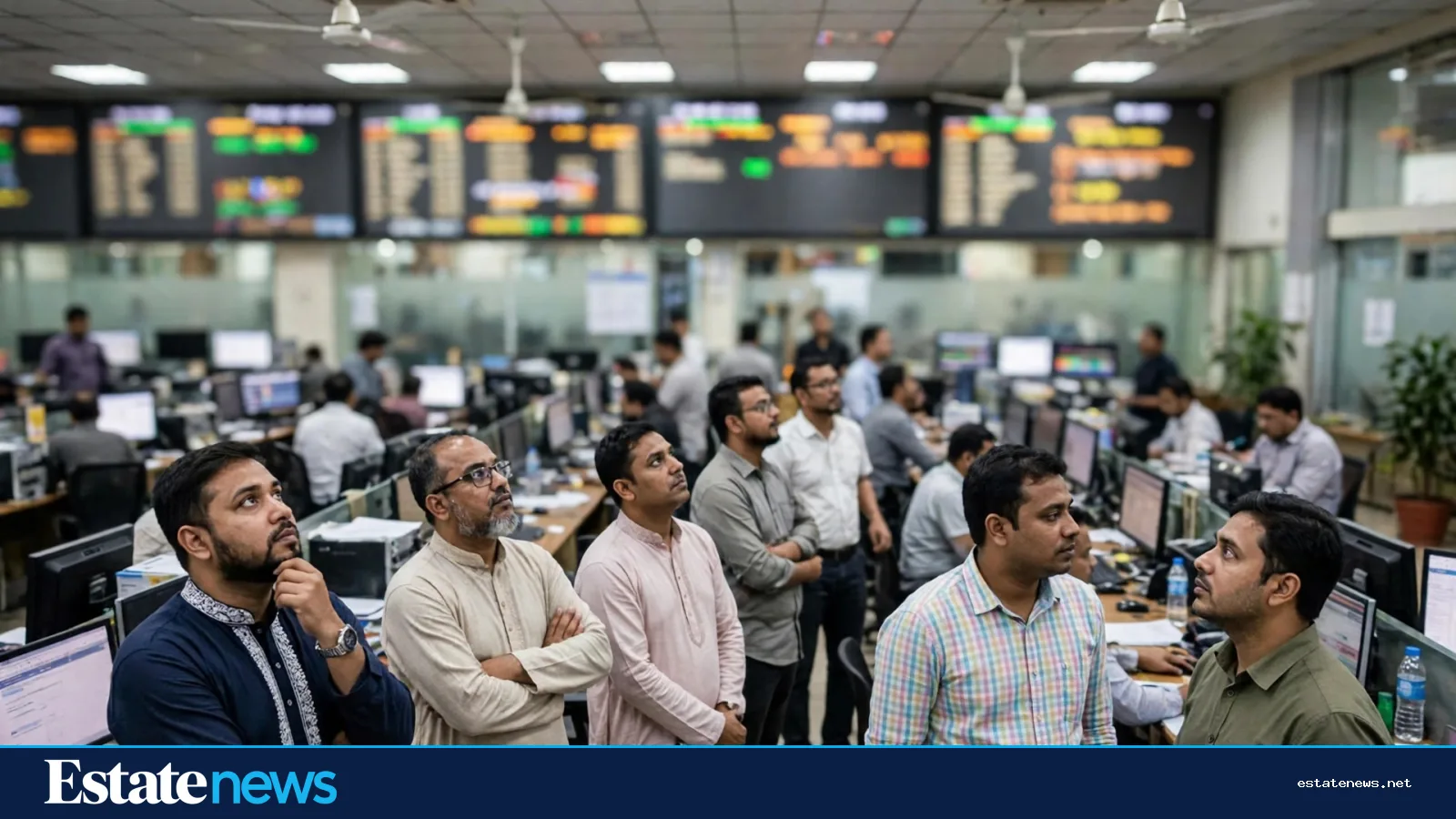
Dhaka's stock market turned on Tuesday. The DSEX gained 43.92 points, or 0.81 percent, to close at 5,436.74 on 10 November, breaking a slide that had carried the index down for two sessions in a row. On Monday it had closed at 5,392.82, and the session before that at 5,402.69. A single day does not make a recovery, but after two days of red, buyers came back.
The buying was broad. Of 384 issues traded, 264 advanced, 68 declined and 52 stayed unchanged. The DS30 index of blue chips rose 7.94 points to 2,057.41, and the DSES Shariah index added 8.97 points to 1,053.69. Turnover edged up 0.58 percent to Tk 658.50 crore from Tk 654.71 crore the day before, with 202,478 trades and 21.59 crore shares changing hands.
EBL Securities put the move down to bargain hunting in recently corrected stocks, according to The Business Standard. The reading fits the shape of the day: shares that had fallen hardest drew buyers first, and the gains spread across the board rather than sitting in one corner of the market. Travel stocks led the sector gains at 5.1 percent, ceramics rose 4 percent, and paper and printing added 2.8 percent. Banks rose 0.52 percent, pharmaceuticals 0.56 percent and engineering 0.53 percent. Telecom was the steepest faller, down 0.3 percent, and fuel and power slipped 0.12 percent. Textile led turnover with an 18.9 percent share, followed by general insurance at 13 percent and fuel and power at 12.8 percent.

Thin turnover, careful mood
The caution underneath the bounce matters as much as the points gained. Turnover of Tk 658.50 crore is still thin for a market of this size, and EBL Securities noted that investors stayed careful amid ongoing unrest and uncertainty in the country. Shahjibazar Power was the most traded stock by value at Tk 28.7 crore, even as its share price slipped 0.8 percent. Block trades made up 6.5 percent of turnover, according to BRAC EPL. The Chattogram bourse moved the same way, with its CSCX up 43.4 points and the CASPI up 51.9 points.
A bounce after a correction is a normal market event. What would turn it into something more is follow-through: a second and third day of buying, and turnover rising with the index rather than drifting. For now the market has done the first part and not yet the second.


What it means for a family saving for a flat
For households with money set aside for a down payment, the stock market is rarely the plan itself. It is the place where savings sit while a family waits, or where a bonus or a matured deposit goes to work for a year or two. A falling market eats into that pot quietly. A rising one restores it. Neither move, on its own, should change a family's timeline for buying a home.
The useful question is a narrower one. If part of the flat fund is in shares, how much of it is in stocks that swing hard on a single day's mood? Textile and travel led Tuesday's trade, and both can move fast in either direction. A flat fund parked in volatile shares is a fund whose size changes with the week's headlines. Money needed within a year sits safer in deposits or savings instruments, where the number on the statement is the number the family can spend.
The market will give a clearer signal in the coming sessions. If buyers return in size, the bounce becomes a trend worth watching. If turnover stays thin and the index slips again, Tuesday will read as a pause inside a careful market. Either way, the discipline for a homebuyer stays the same: keep the down payment in something steady, and let the market do its moving somewhere else.
This article carries general market information only. It is not financial advice.
Read more: DSE slips two sessions in a row: what it means for Dhaka homebuyers, Bangladesh market wrap, 9 November: remittance passes $12bn as stocks slip again, BSRM joins the billion-dollar club: what industrial strength means for housing