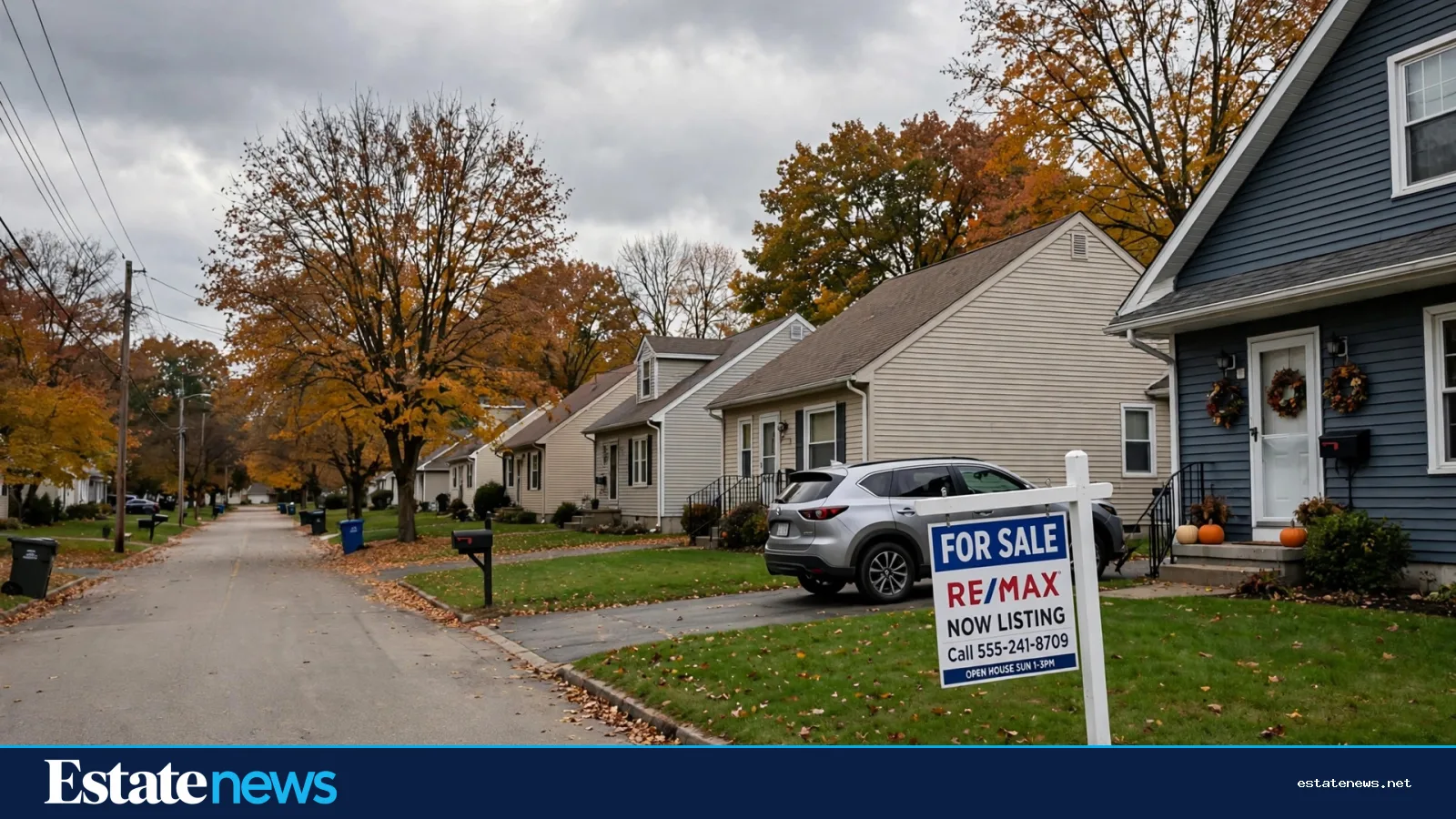
For three years, the direction of American house prices was never really in doubt. They rose, sometimes fast, sometimes slowly, but they rose. That run has now broken. The median home-sale price in the United States dipped 0.1 per cent from a year earlier in the four weeks to 25 October, to $389,601, according to Redfin data. It is the first annual fall in more than three years. The number is small. The break in the pattern is not.
A fall of 0.1 per cent is, on its own, almost nothing. A family selling a $390,000 home loses about $390 on the year. The point is not the size of the fall. It is that the line has turned down at all, after a run in which even a flat month felt like news. House prices in the United States have been held up by a shortage of homes for sale, by owners who will not sell because their old mortgage is cheaper than any new one, and by buyers who kept coming even as rates rose. A dip suggests that balance is starting to move.
Rates ease a little, elsewhere they rise

Mortgage rates are part of the story, and they have moved in the buyer's favour, if only a little. The average 30-year fixed mortgage rate was about 7.18 per cent last week, according to Freddie Mac, down from 7.40 per cent in mid-October. That fall lowers the monthly payment on a typical loan, and it may bring a few buyers back who had stepped away. It is still high by the standards of the last decade, and the gap with the 3 per cent rates of 2021 keeps many owners from selling.
The wider world is moving in a different direction on rates. The Bank of England raised its Bank Rate by 25 basis points to 4 per cent on 5 November, its first rise in more than three years. The Reserve Bank of Australia raised its rate to 4.85 per cent on 3 November, its highest in about 18 years. Those are rises, not cuts, and they matter to Bangladeshi buyers because London and Sydney are two of the cities where non-resident families most often look for a home. A higher rate in Britain or Australia means a dearer mortgage there, even as American rates ease a touch.
What it means for a Bangladeshi buyer


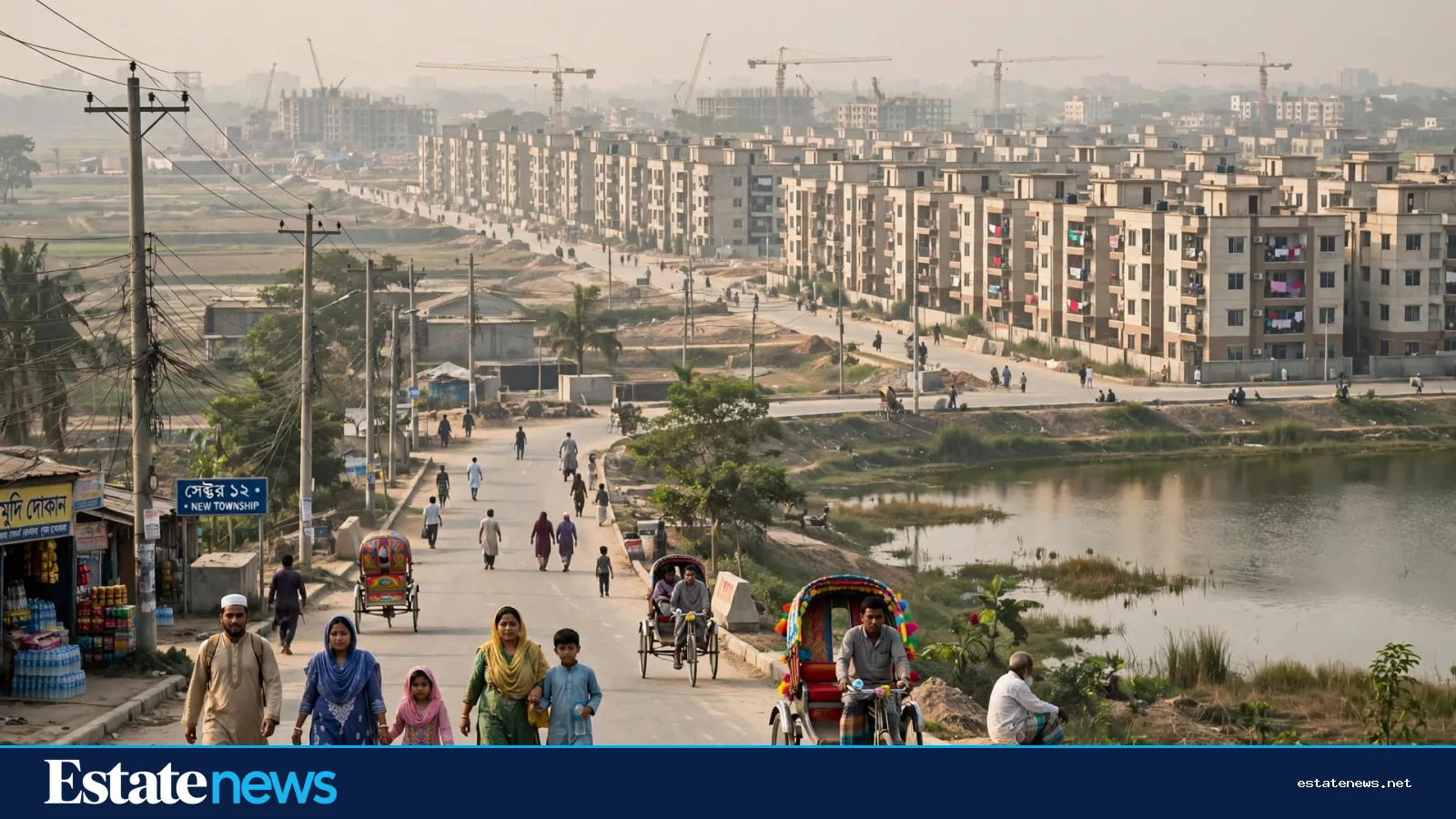
What does the American turn mean for a Bangladeshi buyer? The first answer is that it means very little, directly, for a flat in Dhaka. A 0.1 per cent fall in the United States does not change the price of a flat in Mirpur or Uttara. Dhaka's prices are set by Dhaka's land, Dhaka's construction costs and Dhaka's buyers, not by a suburb of Dallas. A family choosing between a flat in Dhaka and a home in the United States should not read the Redfin number as a signal to wait or to rush. It is one month's reading, and it is small.
A warning against the one-way bet
The second answer is more useful. The dip is a reminder that house prices can fall, even in a market where everyone had stopped expecting them to. A Bangladeshi family buying abroad should treat that as a warning against the idea that a home abroad is a one-way bet. A home in the United States, in Britain or in Australia is a home first, and an investment second. If the family needs the home, and can afford the mortgage at the current rate, and plans to stay for years, the purchase can make sense even if prices dip for a while. If the purchase depends on prices rising next year, it is a gamble, and the dip is a reminder of how gambles end.
The third answer is about timing and choice. A small dip in prices, with mortgage rates easing a little, gives a buyer abroad a little more room to negotiate than a year ago. A seller who has watched prices rise for three years may now accept an offer below the asking price. A buyer who was priced out at 7.40 per cent may now be able to afford the monthly payment at 7.18 per cent. That is not a reason to buy in haste. It is a reason to look again, to check the numbers, and to ask a local agent what homes are actually selling for, not what they are listed for.
The sensible way to read the Redfin figure is as a change of weather, not a change of climate. Three years of rising prices have ended, for now, with a fall so small it barely registers. The market may fall further, or it may turn back up next month. A family buying a home to live in, with money it can leave in the house for years, can live with either outcome. This article is information only, not financial advice, and a buyer should take independent advice before committing money abroad.
For the wider picture of cooling markets abroad, see What Cooling Housing Markets Abroad Mean for Non-Resident Bangladeshi Buyers, and for how remittance money reaches Dhaka property, see From Remittance to Rooftop: How Non-Resident Bangladeshis Are Buying Into Dhaka Property. The Dubai comparison is in What Dhaka Can Learn From Dubai's Property Playbook.